The rise of plant-based farming has captured the attention of agricultural experts, policymakers, and consumers around the globe. As demand for vegetarian and vegan products surges, farmers are rethinking traditional approaches to livestock-centric systems. Across diverse climates and cultures, the transition toward crops that deliver high nutritional value while reducing ecological pressures is accelerating. This article explores the multifaceted evolution of modern farms embracing predominantly plant-derived yields, highlighting environmental, technological, and socioeconomic dimensions.
Global Adoption of sustainable Farming Models
Countries on every continent are experimenting with cropping systems that prioritize biodiversity and resource conservation. By replacing or supplementing conventional grazing and feedlot operations with legume, cereal, and vegetable production, farmers aim to:
- Lower greenhouse gas emissions from enteric fermentation
- Enhance soil health through crop rotations involving clover, alfalfa, and pulses
- Conserve water by selecting drought-tolerant species such as millet and sorghum
- Reduce reliance on chemical fertilizers via nitrogen-fixing plant varieties
Regions once dominated by beef or dairy enterprises now boast thriving pulses, oilseeds, and specialty vegetable sectors. In Latin America, producers leverage vast arable land to cultivate legumes destined for plant-based protein markets, while parts of Europe retrofit dairy farms with barley and pea intercropping systems. Meanwhile, African initiatives champion ancient grains like teff and fonio, providing both nutrition security and export opportunities.
Innovations Driving productivity and Environmental Gains
Technological breakthroughs are transforming how farmers optimize yields and mitigate ecological impacts. Several cutting-edge methods are gaining traction:
Precision Agriculture and Data Analytics
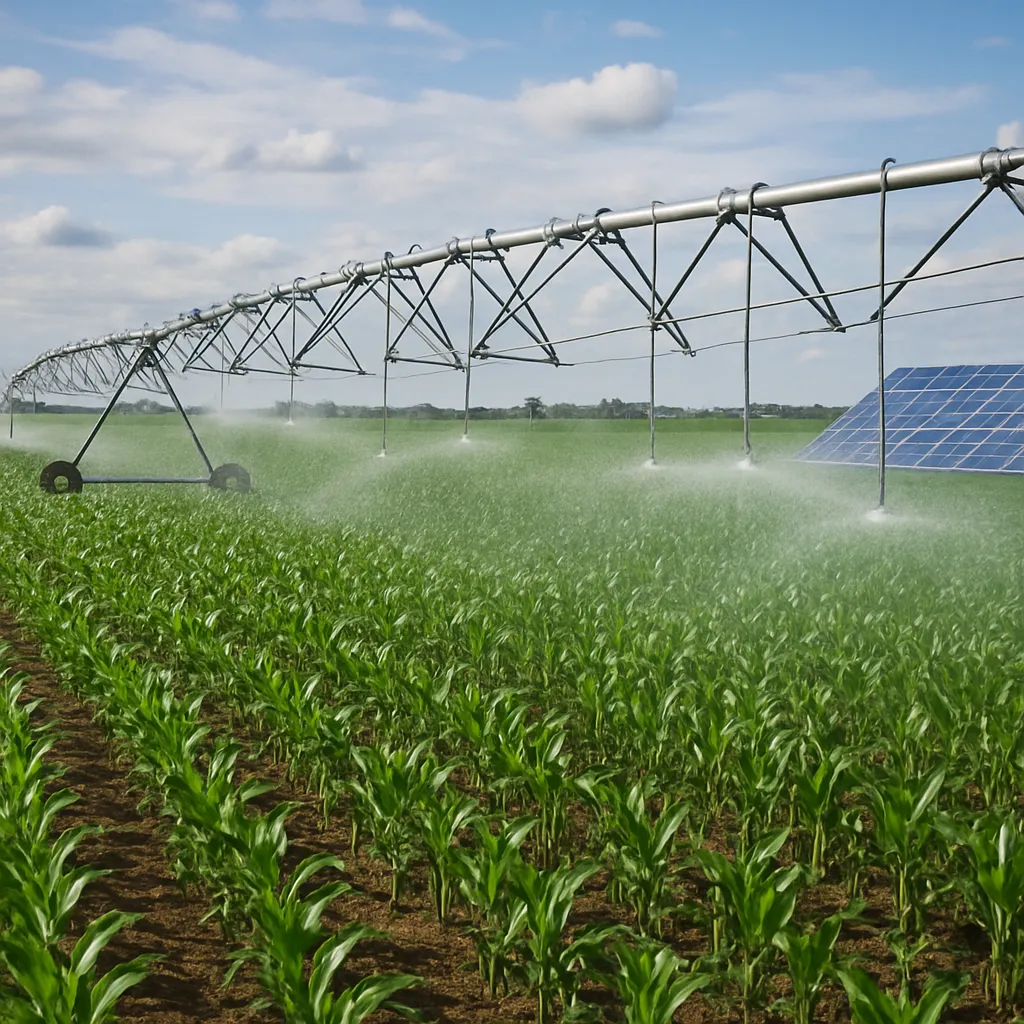
- Soil moisture sensors and satellite imagery to tailor irrigation schedules
- Variable-rate seeding equipment that adjusts planting density based on field fertility maps
- Machine learning algorithms predicting disease outbreaks, enabling targeted interventions
By leveraging real-time data, cultivators can reduce input costs while enhancing crop health. This approach fosters efficiency and reduces waste, directly translating to improved farm profitability.
Controlled Environment Agriculture (CEA)
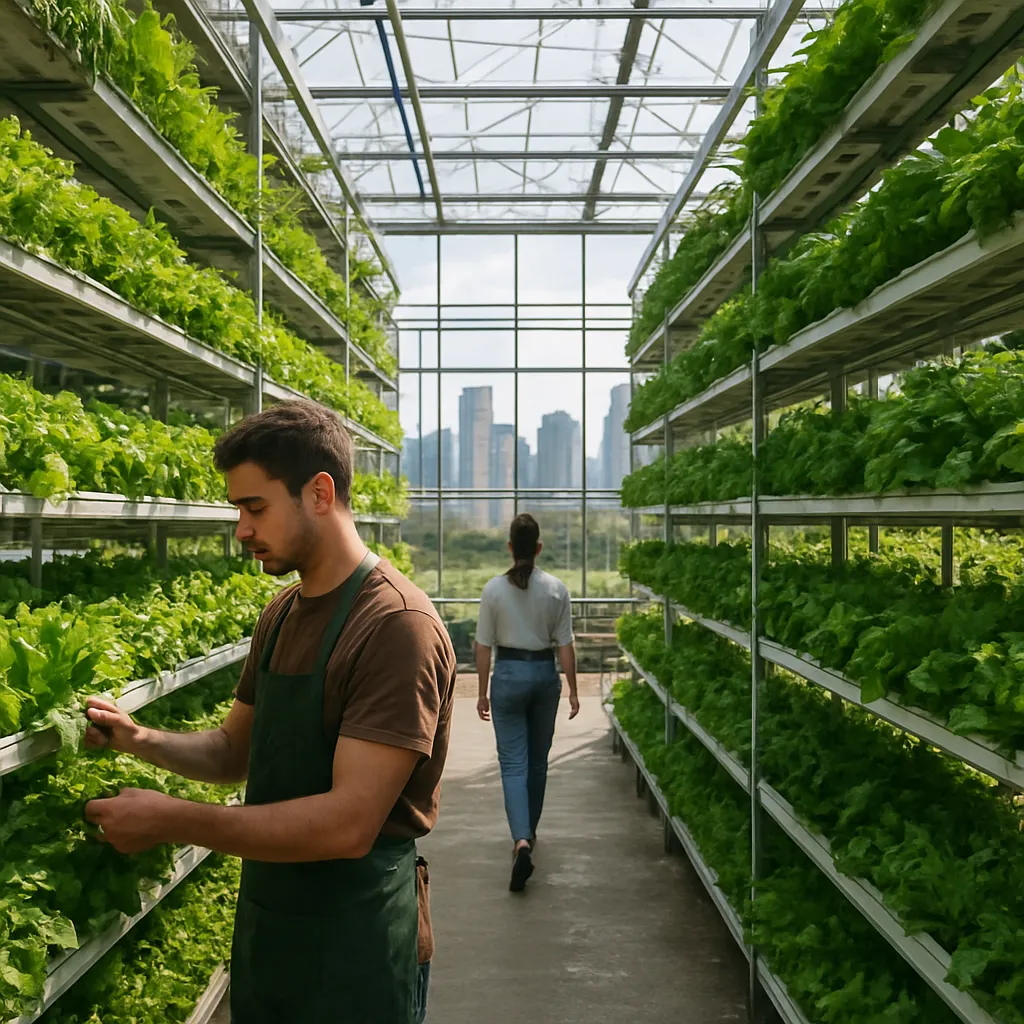
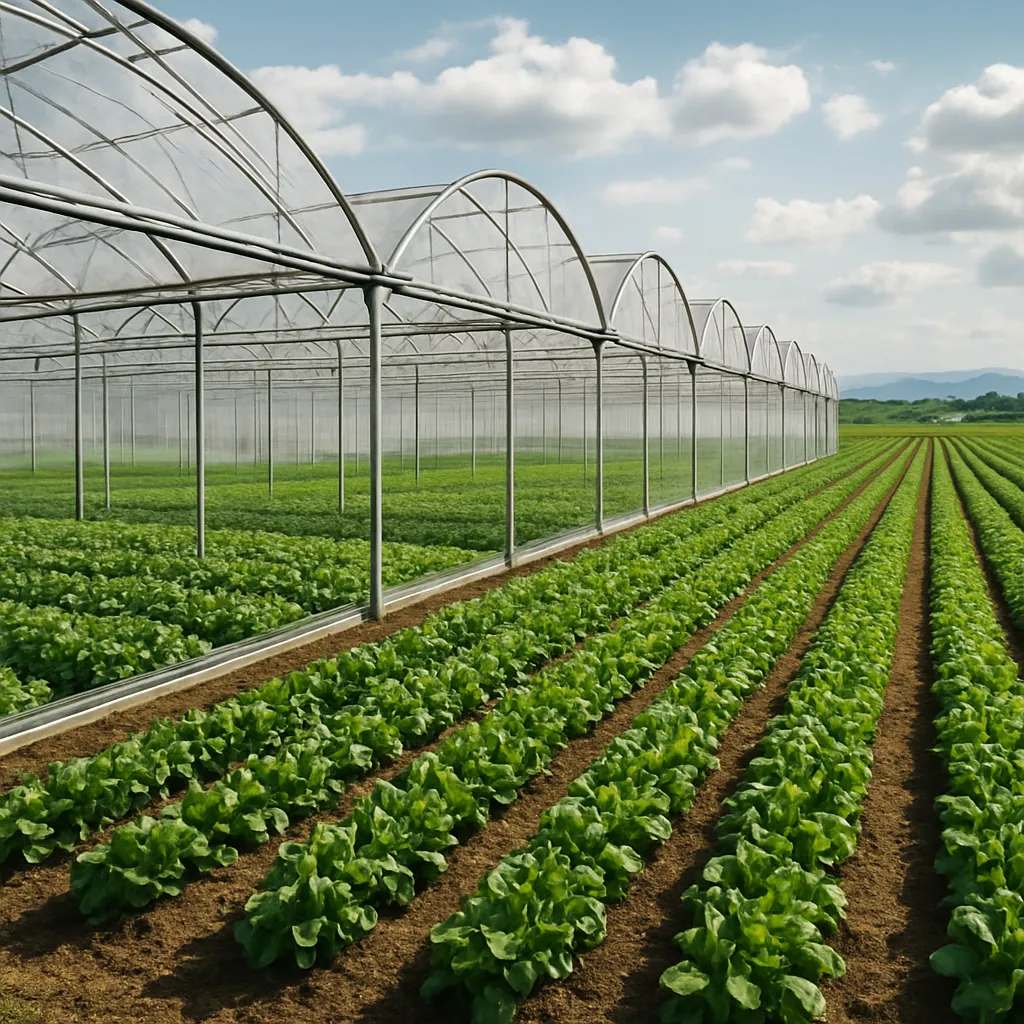
Indoor vertical farms, hydroponic greenhouses, and aeroponic towers redefine how vegetables and herbs reach urban consumers. Advantages include:
- Year-round harvesting unaffected by adverse weather
- Up to 95% less water consumption compared to open-field cultivation
- Zero soil-borne pests, minimizing pesticide use
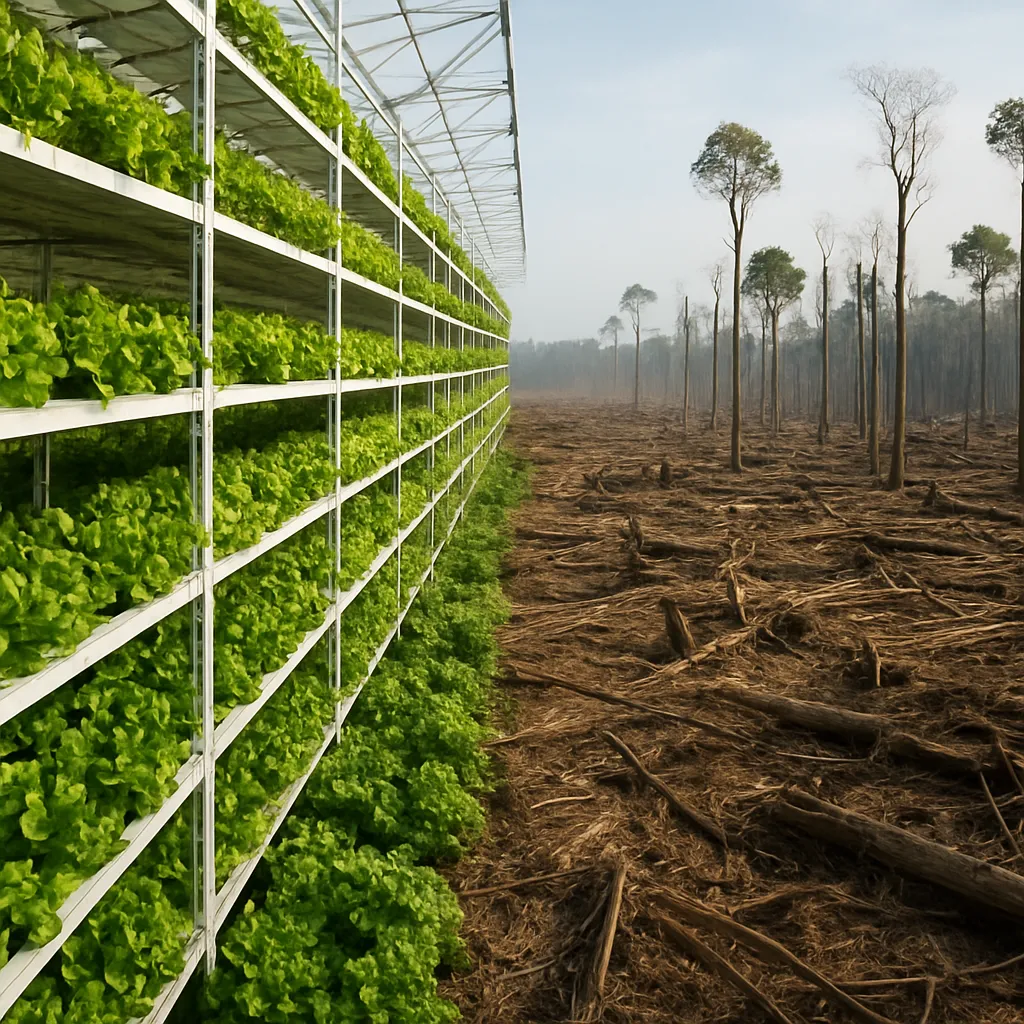
CEA facilities often incorporate renewable energy systems—such as rooftop solar arrays—and recirculating nutrient solutions, underlining a commitment to circular resource use. In densely populated cities, these installations reduce food miles and reinforce resilience against supply chain disruptions.
Biotechnological Advances in Crop Improvement
Through marker-assisted selection and genome editing tools, researchers accelerate the development of crop variants with desirable traits. Examples include:
- High-protein soybeans tailored for meat analogues
- Climate-resilient wheat able to withstand heat stress
- Enhanced vitamin content in staple crops such as rice and maize
As regulatory frameworks evolve, the potential to deploy these innovations at scale promises a leap forward in global food security and nutritional diversification.
Socioeconomic benefits and Community Impacts
Transitioning to plant-centric agriculture carries significant implications for rural livelihoods, consumer well-being, and market dynamics. Key outcomes include:
- Creation of new value chains for plant-based proteins and processed goods
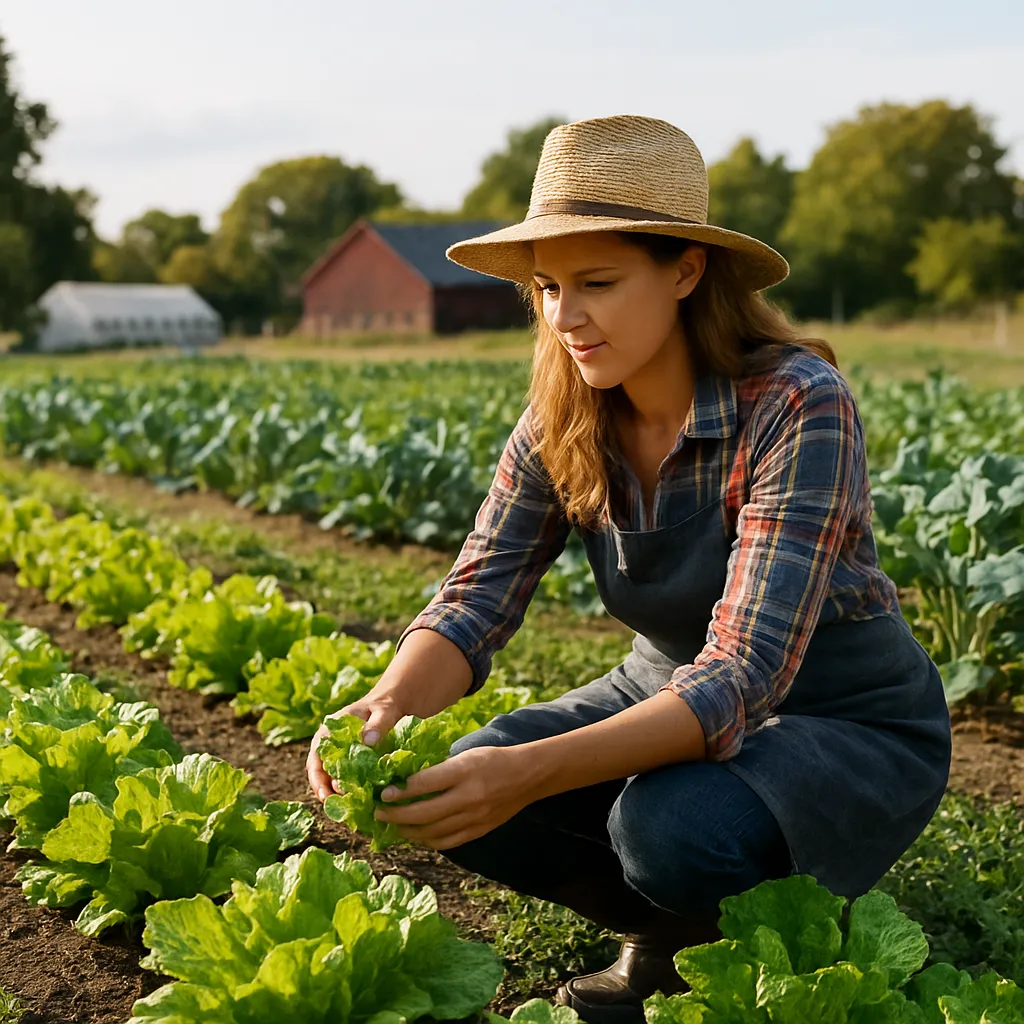
- Opportunities for smallholder farmers to specialize in high-value niche crops
- Job growth in agritech sectors, from greenhouse management to food science
Educational programs and extension services play a vital role in equipping growers with agronomic knowledge and business strategies. Collaborative networks—linking universities, cooperatives, and NGOs—help disseminate best practices and enable farmers to tap into global supply chains.
Rural Development and Equity
Investment in plant-based farming can revitalize marginal regions by:
- Generating steady income streams from legumes and specialty vegetables
- Promoting gender inclusion through community-led processing enterprises
- Reducing youth outmigration by offering diverse agricultural careers
A focus on equitable access to land, finance, and training ensures that benefits extend to women and indigenous populations, fostering stronger local communities.
Consumer Trends and Market Forces
Market intelligence reveals an upsurge in demand for:
- Plant-based meat substitutes made from pea, fava bean, and wheat gluten
- Dairy alternatives derived from oat, almond, and coconut
- Functional foods enriched with plant proteins, fiber, and micronutrients
Retailers, foodservice operators, and food-packaging companies are forming partnerships with primary producers to ensure consistent supply. Marketing campaigns highlight the environmental and health advantages of plant-derived diets, shaping consumer preferences worldwide.
Challenges and Pathways Forward
Despite promising advances, the plant-based farming movement faces obstacles that must be addressed to sustain momentum:
- Infrastructure gaps for cold storage and transport in emerging economies
- Financing barriers for smallholder adoption of high-tech systems
- Regulatory uncertainties around novel crop varieties and labeling standards
To overcome these hurdles, stakeholders can pursue collaborative frameworks that blend public funding, private investment, and community-led governance. By strengthening value chains and enhancing knowledge exchange, the sector can unlock synergies that benefit producers, consumers, and the planet.
Emerging synergies between innovation, environmental stewardship, and inclusive growth position plant-based farming as a compelling framework for next-generation agriculture. As research institutions, agribusinesses, and grassroots organizations join forces, the potential to cultivate a more sustainable, nutritious, and equitable food system becomes increasingly attainable.