The integration of **biotechnology** into agriculture has reshaped the way farmers cultivate crops and rear livestock across continents. From laboratories to sprawling fields, cutting-edge techniques allow for precise genetic modifications that address food security, climate challenges, and nutritional demands. Examining the innovations, risks, and socio-economic dynamics reveals a complex mosaic of progress that is redefining the future of global farming.
Advancements in Genetic Engineering Technologies
Modern genetic engineering is no longer confined to trial-and-error breeding; it harnesses molecular tools that introduce, delete, or edit genes with pinpoint accuracy. Among the most transformative techniques are:
- CRISPR-Cas9 gene editing, which enables researchers to snip specific DNA sequences and replace them with improved variants.
- TALENs and zinc-finger nucleases, earlier platforms that laid the groundwork for today’s rapid editing methods.
- RNA interference (RNAi), a method for silencing undesirable gene expression without altering the underlying genome.
- Agrobacterium-mediated transformation, a natural bacterial vector repurposed to deliver beneficial genes into plant cells.
These innovations accelerate the breeding cycle, allowing scientists and agronomists to develop new seed varieties in a fraction of the time traditional cross-breeding requires. The capacity to alter genes that confer **resistance** to diseases or pests substantially reduces the need for chemical interventions. Simultaneously, gene drives and synthetic biology platforms are opening discussions about self-propagating traits designed to spread through wild populations—an idea that warrants careful ecological assessment.
Enhancing Crop Performance and Nutrition
One of the primary goals of genetic engineering is to optimize **yield** and resource use efficiency. By tweaking genes related to photosynthesis, water uptake, and nutrient assimilation, researchers can create plants that thrive under stress conditions:
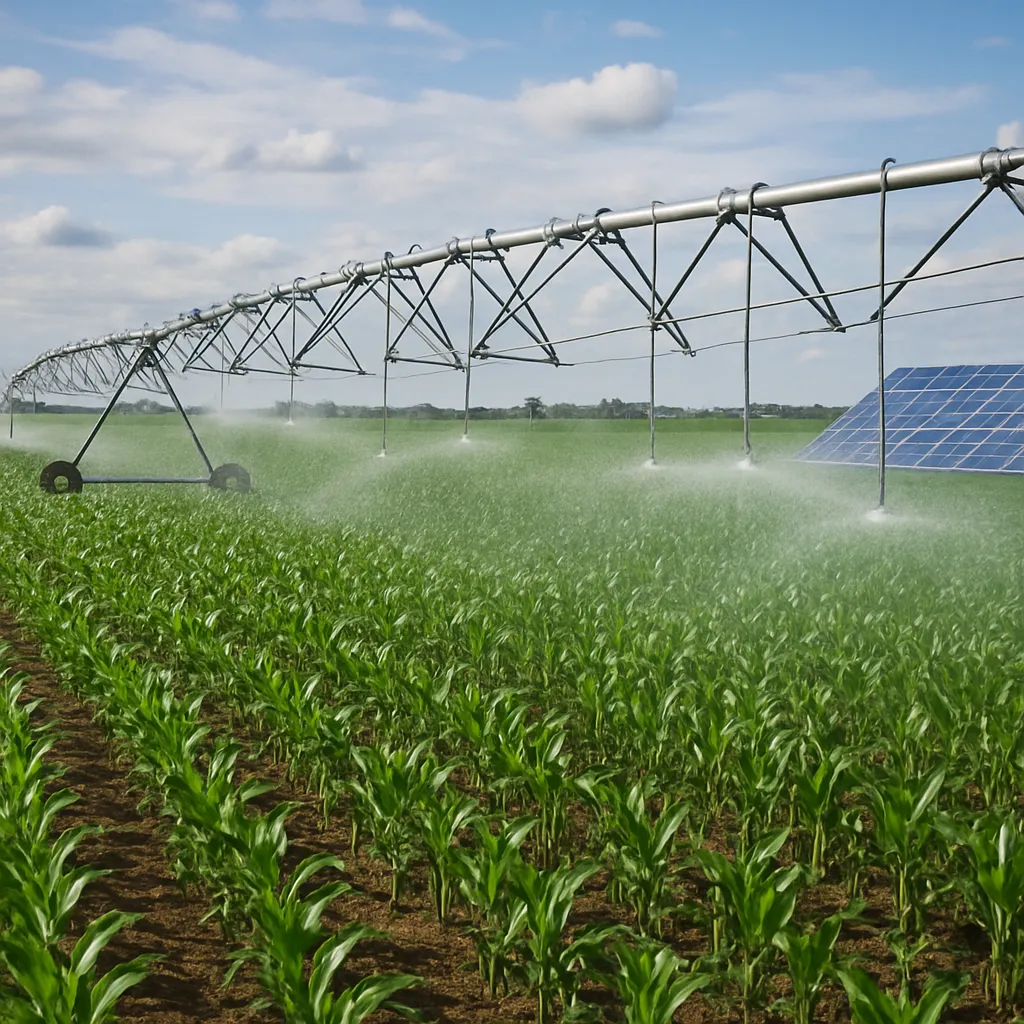
- Drought-tolerant maize varieties that maintain productivity during extended dry spells.
- Salt-resistant rice strains capable of growing in brackish water and reclaiming coastal lands.
- Enhanced nitrogen-use efficiency in cereals, reducing reliance on synthetic fertilizers.
Beyond quantity, quality matters just as much. Biofortification efforts focus on enriching crops with essential vitamins and minerals. Golden Rice, engineered to produce beta-carotene, aims to combat vitamin A deficiency in vulnerable regions. Meanwhile, soybeans with improved amino acid profiles bolster protein intake, addressing malnutrition in both developing and developed nations.
Livestock farming also benefits from genetic interventions. Gene-edited pigs and cattle exhibit improved feed conversion ratios, meaning animals grow faster on less feed, thereby lowering the carbon footprint per kilogram of meat produced. Yet, these innovations face ethical scrutiny surrounding animal welfare and the long-term consequences of manipulated genomes.
Economic and Environmental Considerations
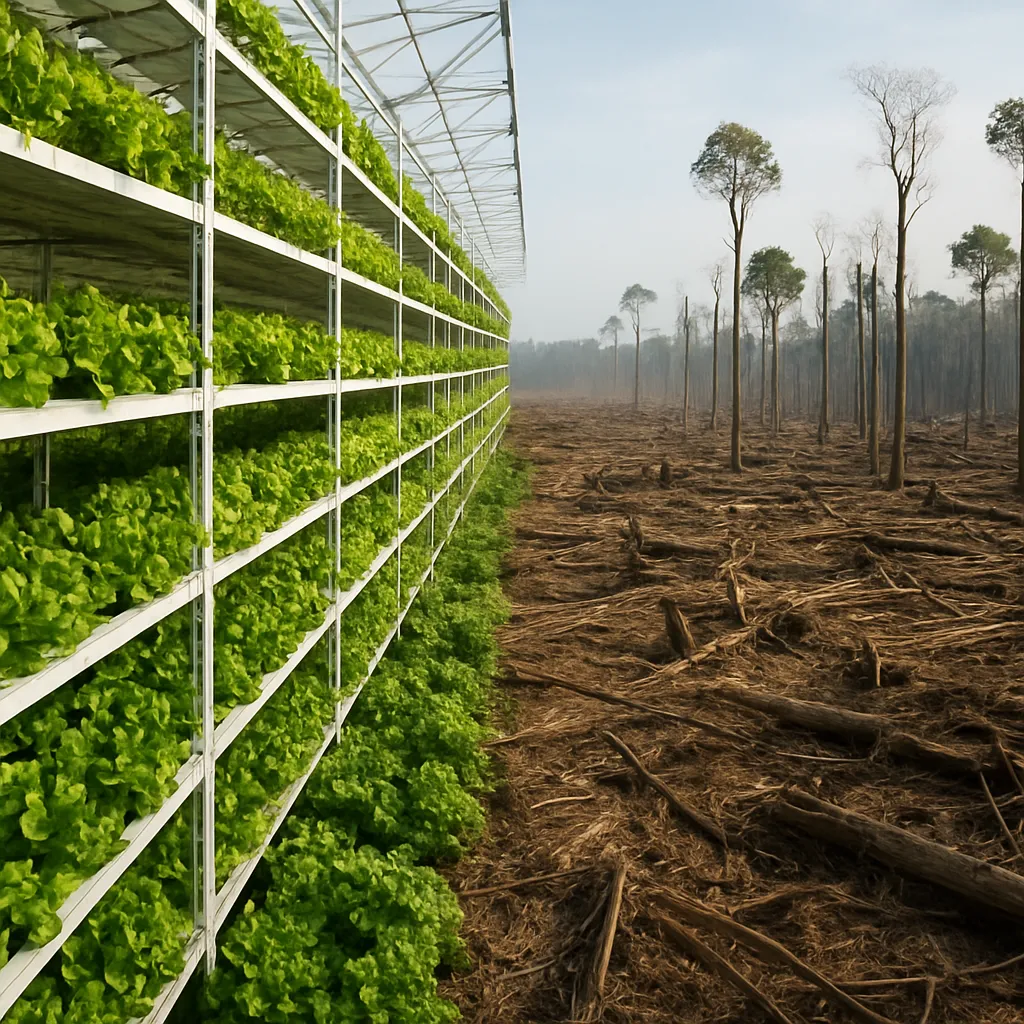
Scaling genetically engineered crops has significant **sustainability** implications. On one hand, reduced pesticide and fertilizer use diminishes soil degradation and water contamination. On the other, monocultures of a single transgenic variety can threaten local **biodiversity** if not managed carefully.
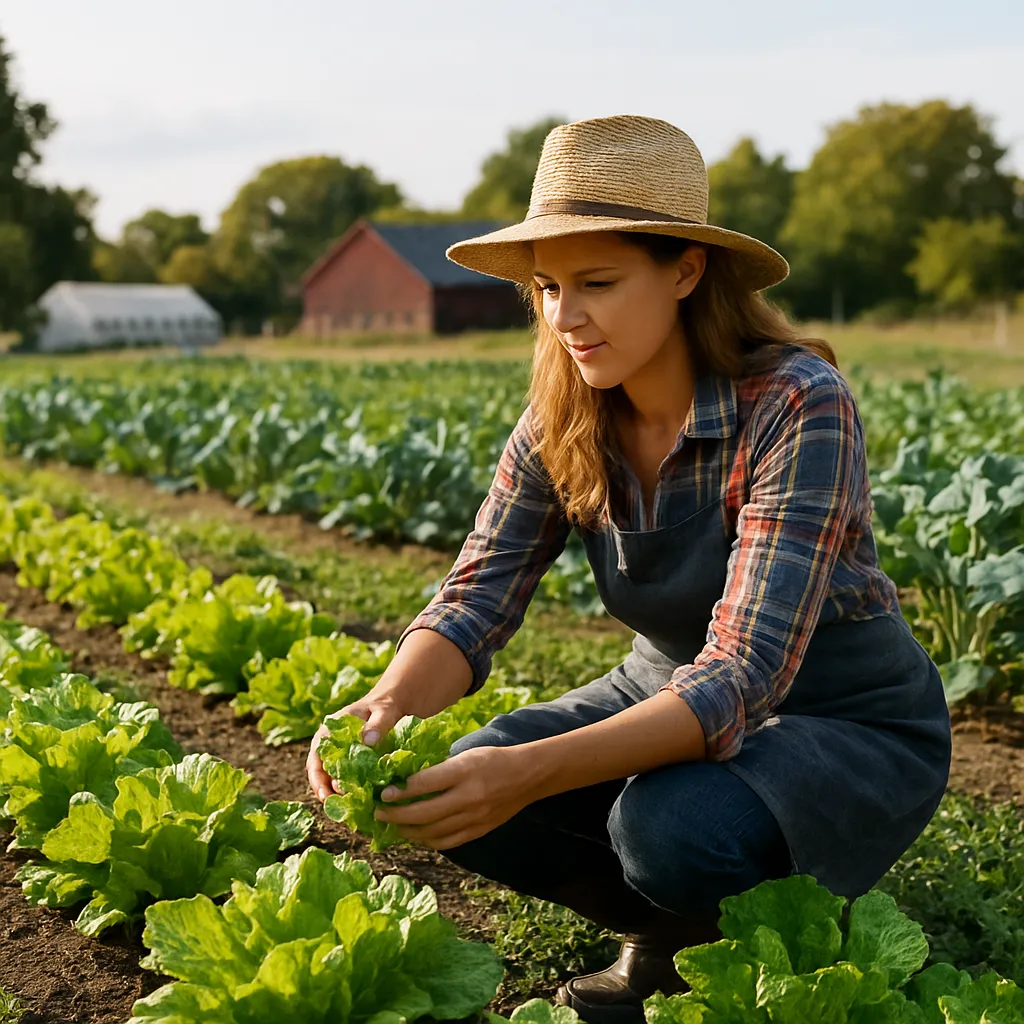
- Smallholder farmers may benefit from higher yields and lower input costs but can become dependent on proprietary seed suppliers.
- Large agricultural enterprises invest heavily in research yet must navigate public sentiment and regulatory hurdles that can delay commercialization.
From an environmental perspective, engineered cover crops that fix nitrogen or sequester carbon could revolutionize agroecosystems. However, the release of modified organisms into open fields demands robust risk assessments to prevent unintended cross-pollination with wild relatives. Moreover, the widespread adoption of herbicide-tolerant crops has, in some regions, led to increased herbicide application, raising concerns about soil health and the evolution of resistant weeds.
Global Adoption and Regulatory Landscapes
Acceptance of genetically engineered organisms varies widely. Nations such as the United States, Brazil, and Argentina have embraced biotech crops, fostering a booming market valued in billions of dollars. In contrast, many European countries maintain stringent **regulation** that classifies most gene-edited products as genetically modified organisms (GMOs), subject to mandatory labeling and approval processes.
- Regulatory frameworks in Asia display a patchwork of policies, where Japan and South Korea adopt cautious approval pathways while China accelerates research and field trials.
- Africa’s engagement ranges from Kenya’s recent approvals of biotech maize to South Africa’s substantial commercial plantings of insect-resistant cotton.
International bodies, including the World Trade Organization and Codex Alimentarius, strive to harmonize standards, yet cultural attitudes and political climates profoundly shape national policies. Public perceptions of safety and ethical considerations influence consumer choices, making transparent communication vital for industry stakeholders.
Future Perspectives and Innovations
As the global population edges toward 10 billion by mid-century, the pressure on agriculture to deliver more with less intensifies. Emerging frontiers include:
- Precision agriculture that integrates gene-edited seeds with data-driven management, enabling real-time adjustments in planting and harvesting strategies.
- RNA-based pesticides and vaccines for livestock that reduce antibiotic use and mitigate zoonotic disease risks.
- Synthetic photosynthesis modules introduced into crop chloroplasts, potentially boosting solar energy conversion beyond natural limits.
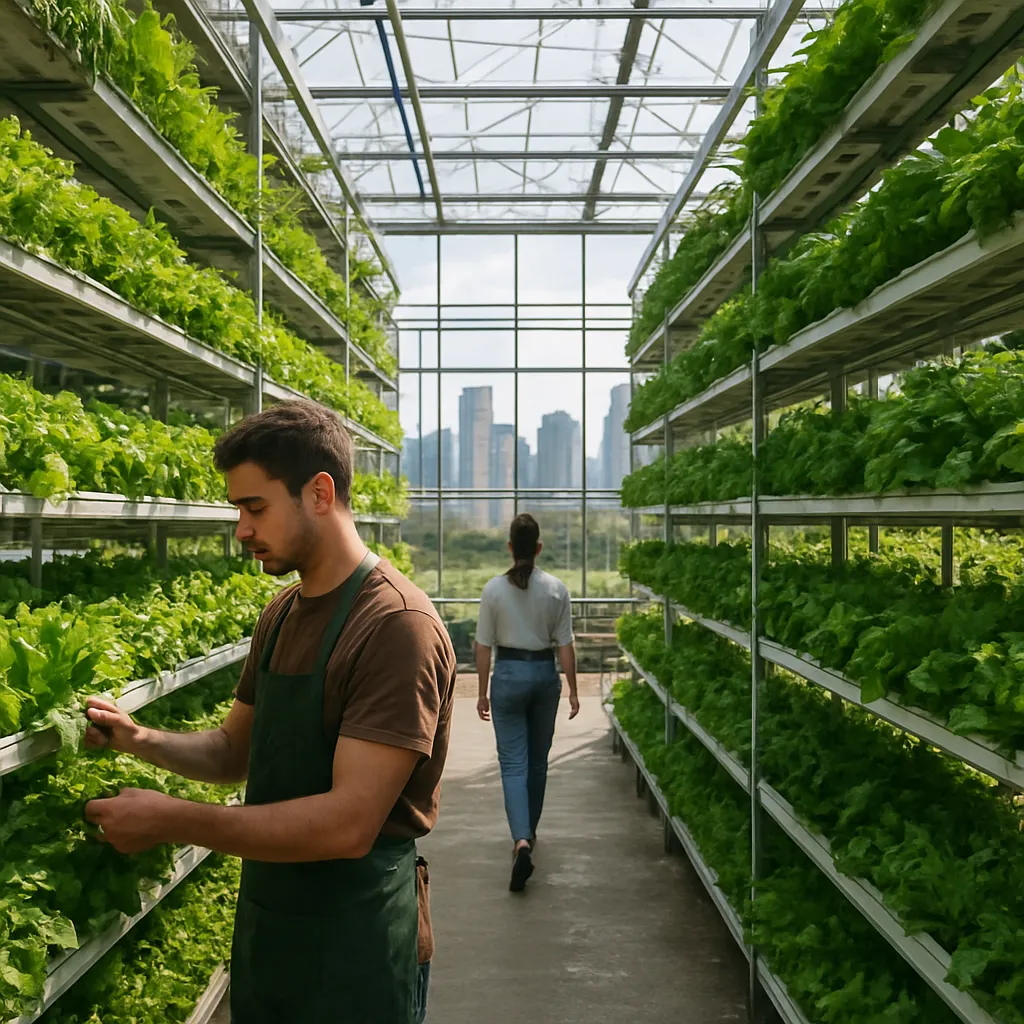
- Vertical farms and controlled-environment agriculture where tailored genetic traits optimize growth under LED lighting and hydroponic systems.
Robust public–private collaborations will drive these breakthroughs, balancing innovation with social responsibility. Open-source gene-editing platforms may democratize access to technology, empowering smaller producers. Simultaneously, interdisciplinary research will be crucial in monitoring ecological impacts and ensuring that genetic advances contribute equitably to global food security and ecosystem health. The coming decades promise an era where the lines between laboratory science and traditional farming blur, forging a **future** in which genetic engineering stands as a cornerstone of sustainable agriculture.