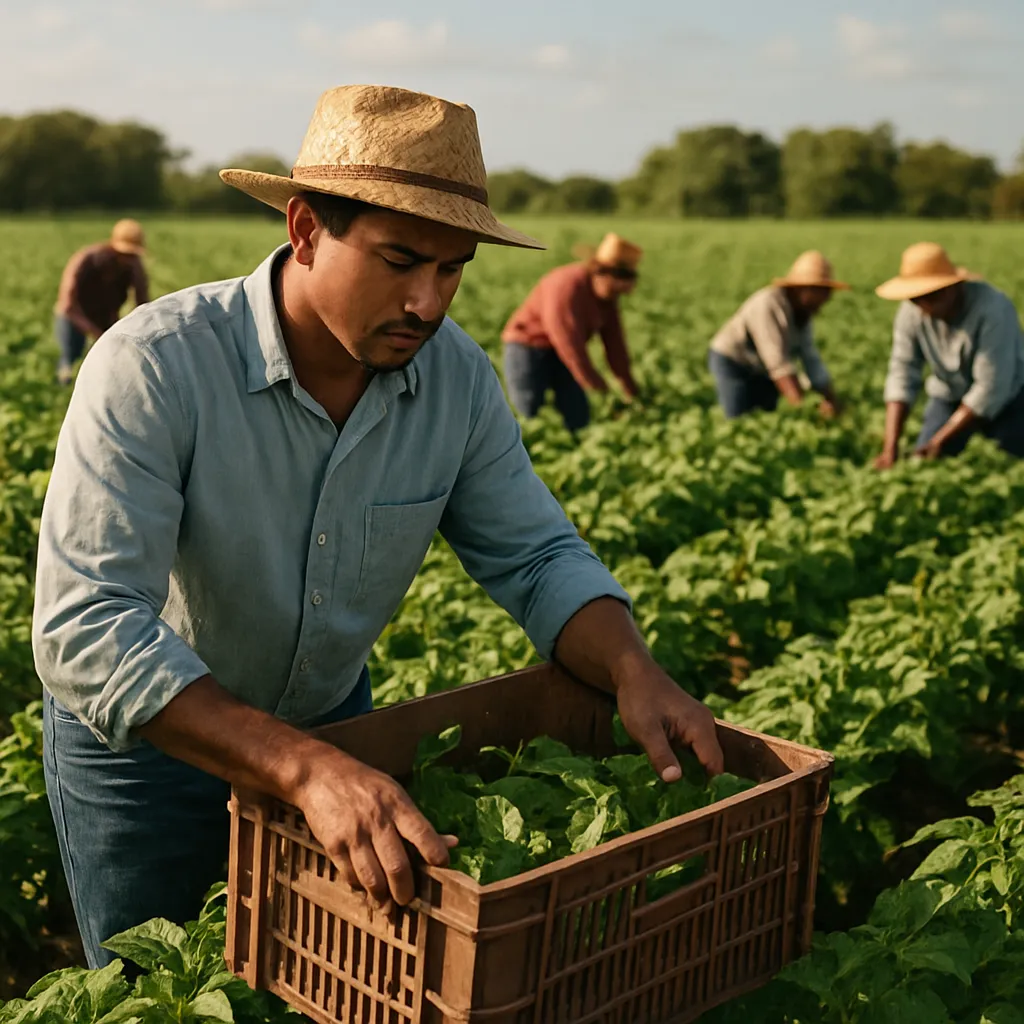
The Growing Demand for Ethical and Fair Trade Farming Practices has captured the attention of producers, consumers, and policymakers across continents. As global challenges like climate change, resource depletion, and social inequalities intensify, a new paradigm is emerging—one that places sustainability and social justice at the heart of agricultural development. This movement transcends traditional supply chains, reshaping the way food is grown, distributed, and consumed. By embracing transparency and equitable partnerships, stakeholders are forging a path toward resilient, community-driven farms that honor both people and the planet.
Understanding the Shift in Global Agriculture
Over the past decade, the dynamics of food production have undergone profound change. Consumers are no longer passive recipients of commodities; they demand ethical sourcing and traceability. Small-scale farmers, once marginalized by industrial agribusiness, are now gaining a voice through grassroots networks and certification bodies. Key drivers fueling this transformation include:
- Consumer Awareness: Heightened interest in health, food origin, and environmental impact.
- Climate Resilience: Recognition that conventional methods exacerbate droughts, floods, and soil erosion.
- Digital Connectivity: Mobile technology and platforms that link producers to global markets.
- Policy Incentives: Government grants and international agreements promoting low-impact agriculture.
These factors converge to create a powerful momentum, encouraging farmers to adopt practices that ensure long-term viability and ethical standards.
Principles of Ethical and Fair Trade Farming
At the core of ethical agriculture lies a set of guiding principles designed to foster equitable growth and environmental stewardship:
- Fair Compensation: Ensuring that laborers and smallholders receive living wages, reducing poverty cycles.
- Environmental Stewardship: Protecting biodiversity and soil health through crop rotation, agroforestry, and reduced chemical inputs.
- Empowerment: Facilitating farmer cooperatives and training programs that build capacity and leadership.
- Transparency: Open disclosure of production methods, pricing, and supply chain partners.
- Animal Welfare: Upholding humane treatment in livestock systems, with access to pasture and natural behaviors.
Certification schemes such as fair trade seals and organic labels play a pivotal role in verifying compliance with these standards. By engaging independent auditors and community committees, these frameworks bring credibility to ethical claims.
Challenges and Opportunities for Smallholders
While the promise of fair trade farming is compelling, small-scale farmers often face formidable obstacles:
- High certification costs and complex application processes.
- Limited access to finance, modern equipment, and quality inputs.
- Insufficient infrastructure for storage, processing, and transportation.
- Market barriers due to competition from subsidized, large-scale producers.
Nevertheless, innovative solutions are emerging:
- Community-driven microfinance tailored to agricultural cycles.
- Mobile apps that provide real-time pricing, weather forecasts, and agronomic advice.
- Partnerships with NGOs and local governments to build processing hubs and cold chains.
- Direct-to-consumer models like farm box subscriptions and farmers’ markets that bypass middlemen.
Such initiatives strengthen farmer resilience and amplify the impact of ethical practices.
Case Studies and Best Practices
Cooperative Coffee Farms in Latin America
In countries like Guatemala and Colombia, coffee cooperatives have transformed livelihoods by negotiating collective prices and sharing resources. Members benefit from:
- Joint investment in eco-friendly processing facilities.
- Training on shade-grown techniques that preserve local biodiversity.
- Access to premium markets demanding grassroots traceability.
These collaborative models demonstrate how smallholders can leverage scale without sacrificing autonomy or ethical commitments.
Organic Vegetable Networks in Africa
In East Africa, organic farming clusters have sprung up around urban centers. Farmers employ:
- Water-harvesting systems adapted to semi-arid conditions.
- Natural pest control using neem oil and beneficial insects.
- Social enterprises that engage youth in agro-entrepreneurship.
By branding produce under a unified certification, these networks achieve price premiums and steady contracts with hotels and supermarkets.
The Role of Consumers and Retailers
Ethical farming thrives when end-users embrace responsible purchasing. Consumers can:
- Prioritize products with verifiable fair trade labels.
- Support local producers through community-supported agriculture (CSA) schemes.
- Advocate for clearer supply chain information on packaging.
Retailers, for their part, are setting targets to source 100% certified goods and investing in supplier development programs. These commitments not only satisfy evolving consumer expectations but also foster long-term supplier relationships.
Future Outlook and Technological Innovations
Emerging technologies promise to accelerate the adoption of ethical practices:
- Blockchain-enabled ledgers providing immutable proof of origin.
- Satellite imagery and sensors for real-time soil and water monitoring.
- Precision agriculture tools that optimize resource use, reducing waste.
- Artificial intelligence platforms offering predictive analytics for climate adaptation.
By integrating these advancements, farms can enhance productivity while adhering to innovation and sustainability goals. The road ahead will demand collaboration among farmers, tech providers, governments, and consumers to ensure that ethical and fair trade principles become the norm rather than the exception.