The increasing adoption of plant-based diets has sparked a profound transformation across the world’s agricultural landscapes. As consumers shift preferences towards vegetables, grains, pulses, and meat alternatives, farmers and industry stakeholders are exploring new methods to balance rising demand with ecological integrity. This article examines the complex interplay between this dietary movement and modern farming practices, outlining how the shift influences crop selection, land use, and broader social systems.
Consumer Demand and Agricultural Transformation
The rapid expansion of plant-based diets has created unprecedented market signals for the agricultural sector. Traditional livestock-centric operations are feeling pressure to diversify. Farmers once reliant on animal husbandry are experimenting with high-protein legumes like chickpeas, lentils, and soybeans to meet growing protein demands. This pivot represents a strategic adaptation to consumer-driven markets as well as emerging regulatory frameworks that favor lower greenhouse gas emissions.
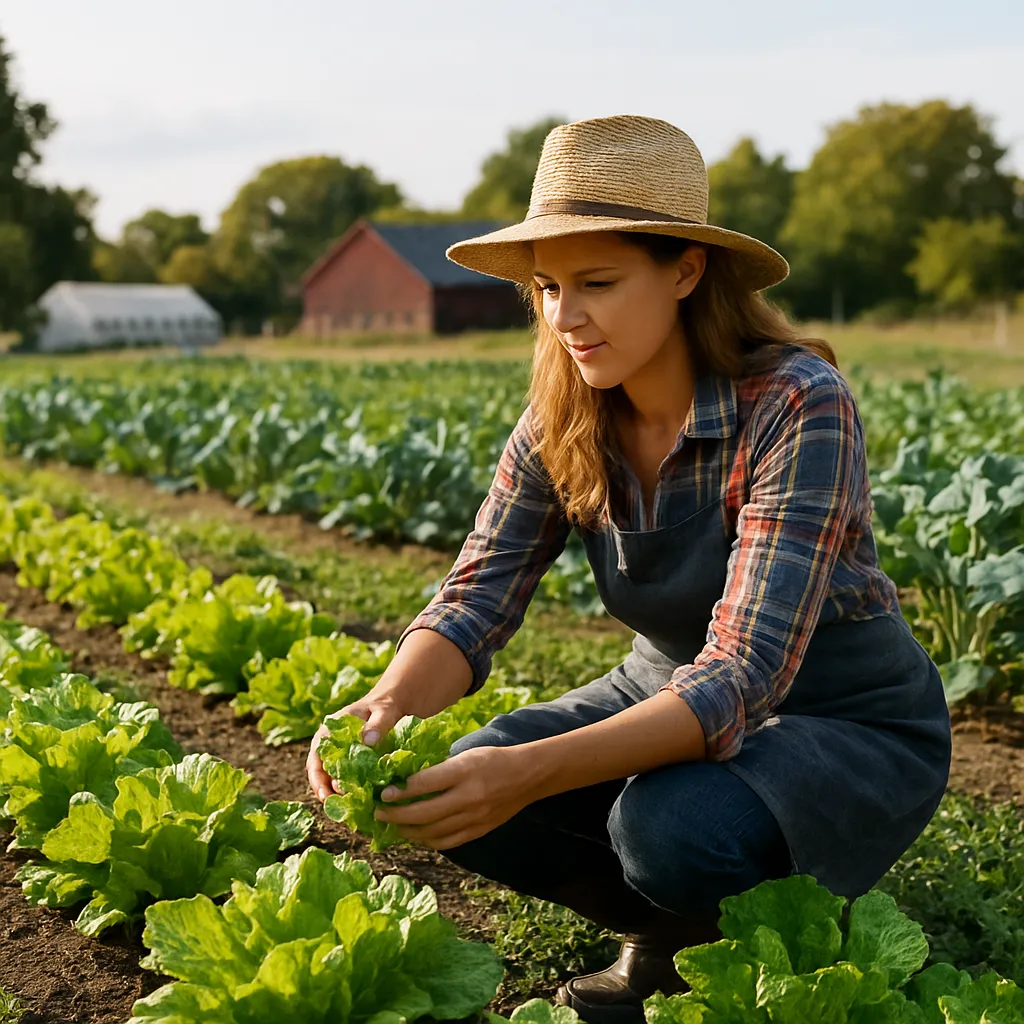
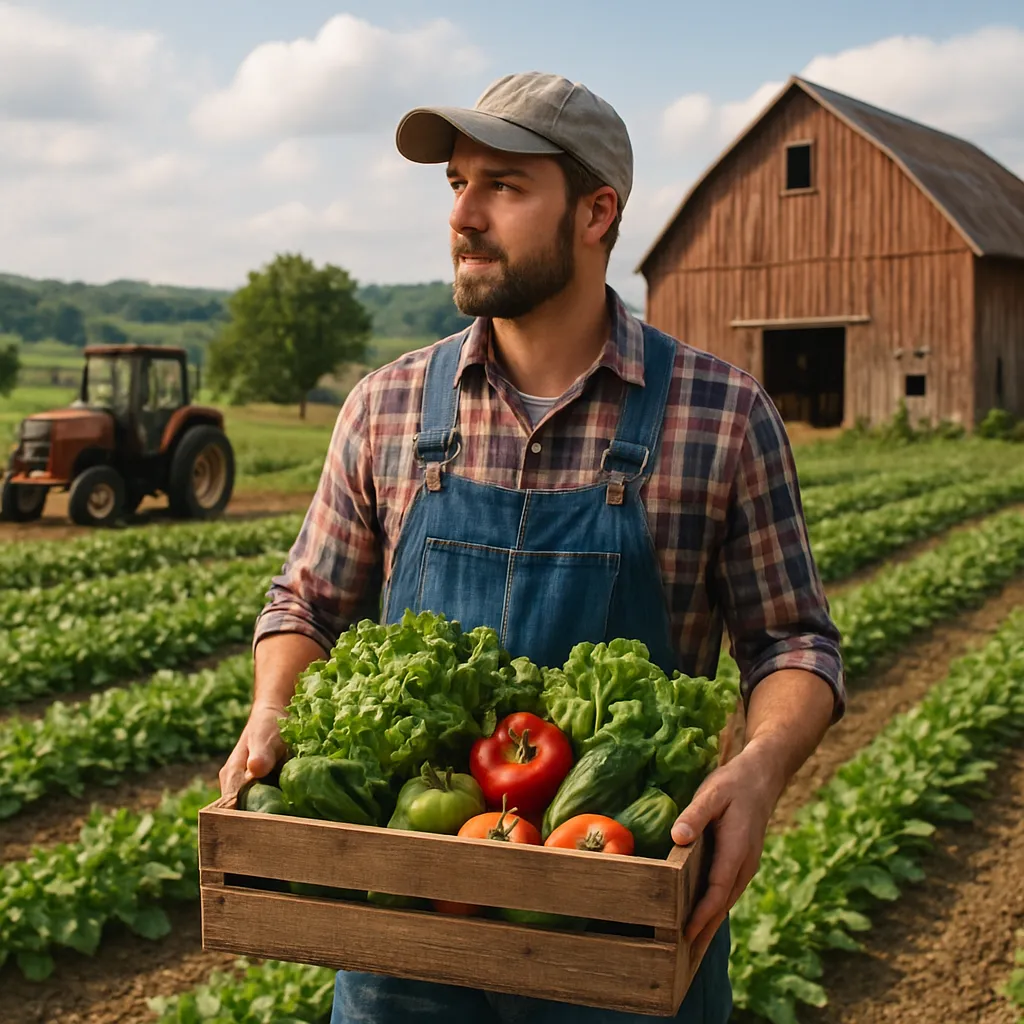
On large-scale farms, monoculture systems are increasingly replaced by polycultures and crop rotations that incorporate a range of vegetables and pulses. These diversified farming models boost soil health and mitigate pest pressures without excessive chemical inputs. Meanwhile, smaller family-run farms are leveraging niche markets for specialty grains (such as quinoa and ancient wheat varieties) and heirloom vegetables. Direct-to-consumer sales through farmers’ markets, community-supported agriculture (CSA) programs, and online delivery services have become crucial channels. They allow farmers to capture premium prices and build stronger connections with ethically minded consumers.
Meanwhile, processing and logistics networks are evolving. Facilities dedicated to producing plant-based proteins and meat analogues have surged, requiring secure supply chains for raw ingredients. Investors and agribusinesses are forging partnerships to enhance distribution efficiency and reduce post-harvest losses. Digital platforms track crop yields and forecast market trends, helping producers optimize planting schedules. In this context, innovation plays a vital role—driving the development of drought-tolerant varieties, seed coatings that enhance germination, and AI-driven decision support tools for resource management.
Environmental Implications for Land, Water, and Biodiversity
Shifting from livestock to plant-based agriculture offers significant potential for reducing environmental footprints. Livestock operations account for a large portion of global methane emissions, and converting grazing lands back to crop production can slash greenhouse gas outputs. Plant-based systems generally consume less water and release fewer nutrients into waterways. However, the environmental benefits depend on responsible land management.
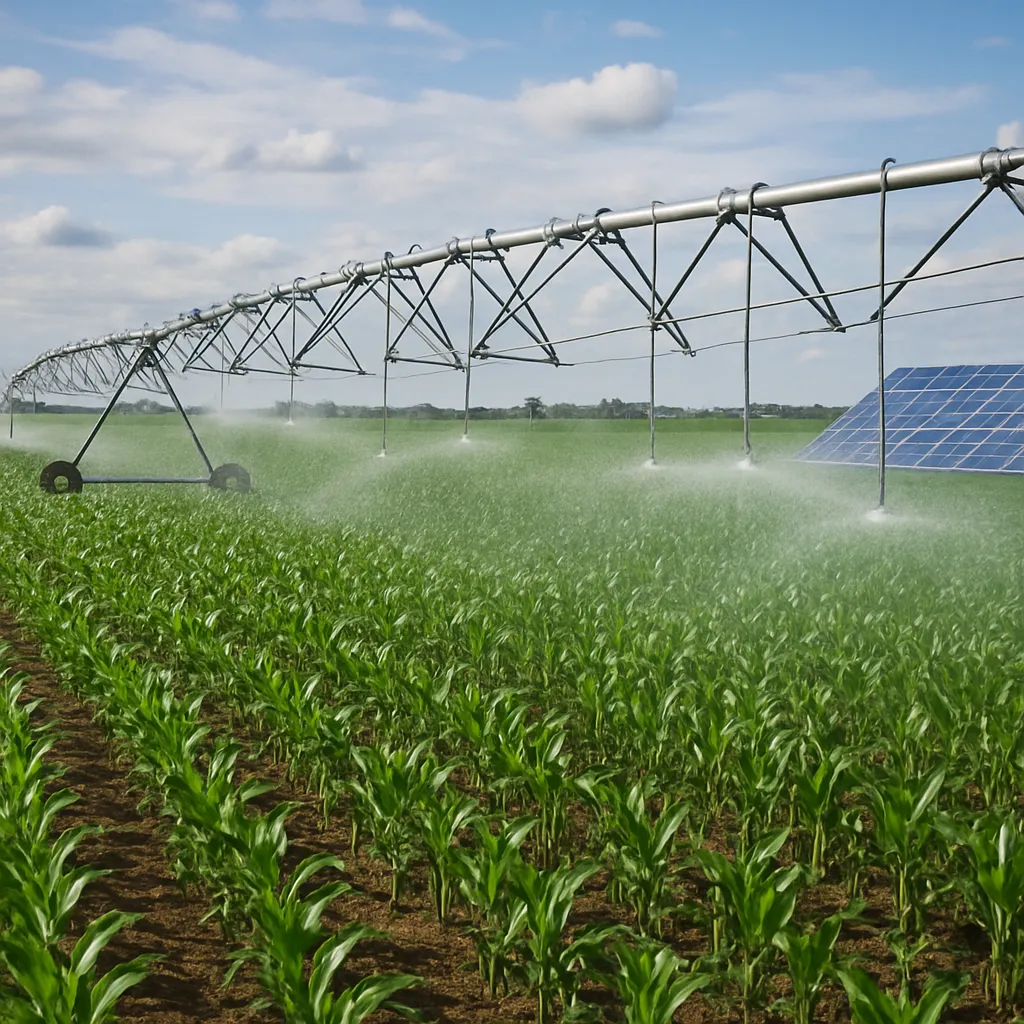
Mono-cropping of soy or corn to feed the booming protein processing industry can threaten biodiversity and soil fertility if not balanced by conservation practices. Encouragingly, many farmers adopt agroecological methods such as cover cropping, intercropping, and minimal tillage to preserve topsoil and promote a diverse soil microbiome. Regenerative agriculture initiatives focus on building soil organic matter, enhancing carbon sequestration, and restoring degraded lands. In areas prone to drought, drip irrigation systems and precision water management are gaining traction, significantly reducing runoff and water stress.
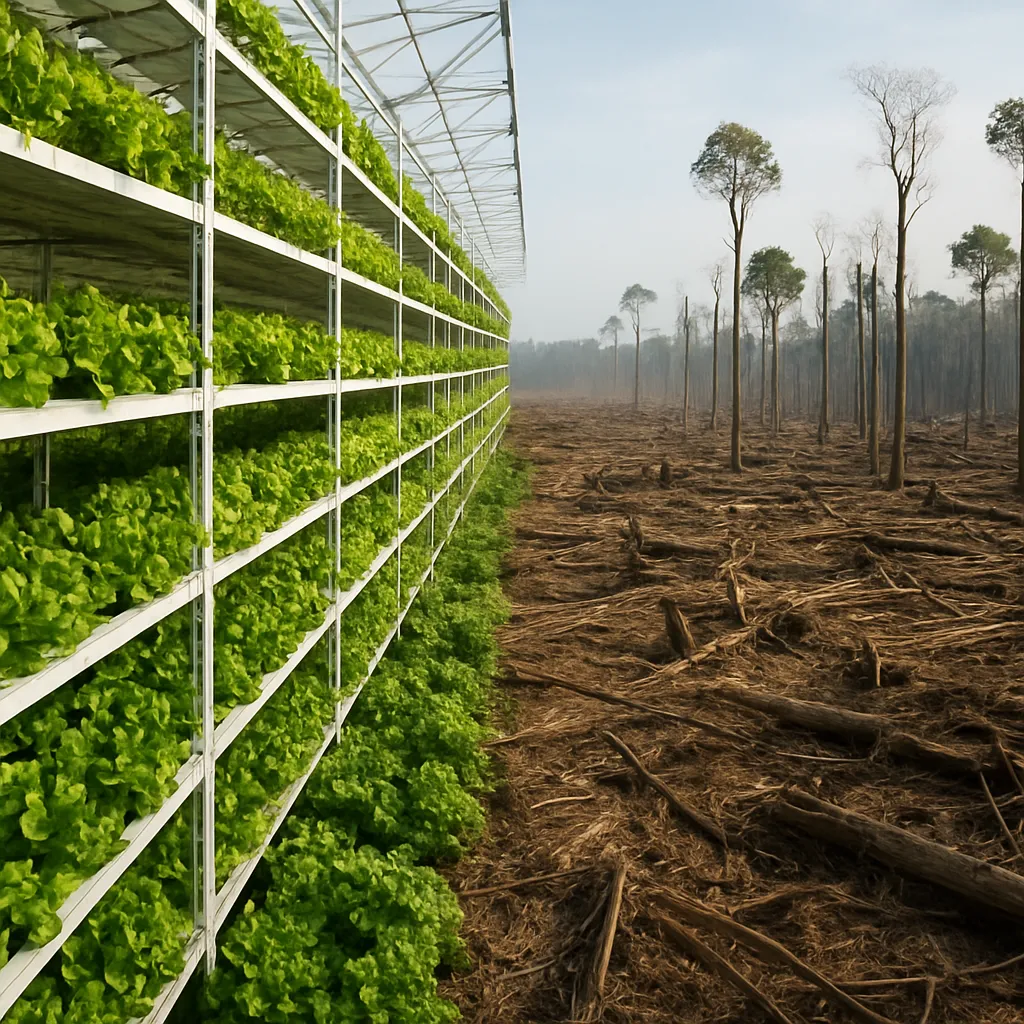
Across tropical regions, reforestation efforts tied to agricultural subsidies help rehabilitate deforested slopes. Payments for ecosystem services (PES) schemes reward farmers for maintaining forest buffers and riparian zones that filter water and support wildlife corridors. Such programs showcase the synergy between food production and environmental stewardship. By integrating on-farm conservation areas, producers can protect pollinators and beneficial insects, further enhancing crop yields and ecosystem resilience.
Economic and Social Dimensions of the Plant-Based Shift
The transition to plant-forward agriculture is reshaping rural economies and social systems. New job opportunities arise in seed breeding, plant-based product development, and precision farming technology. Large agricultural employers are establishing training programs to upskill workers in green practices and digital farm management. These initiatives create pathways for youth engagement in farming, countering rural outmigration trends.
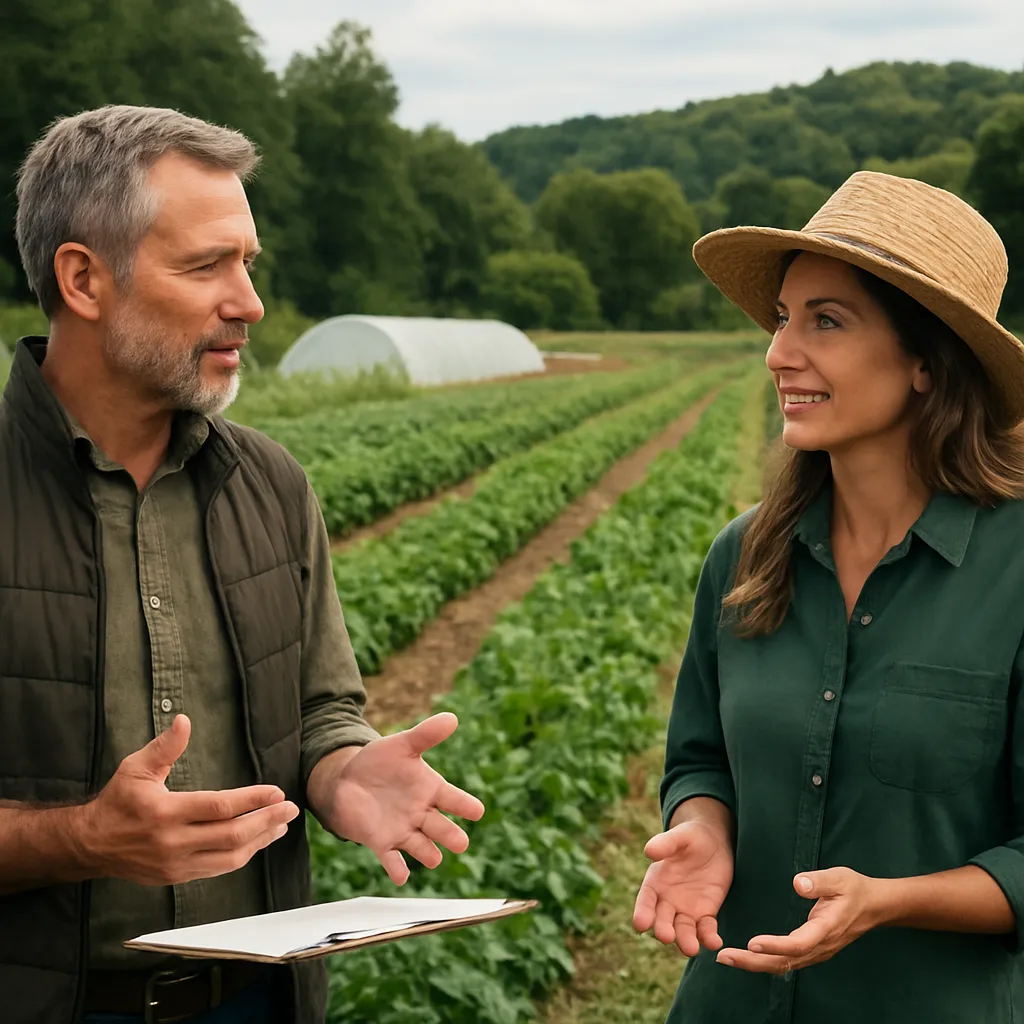
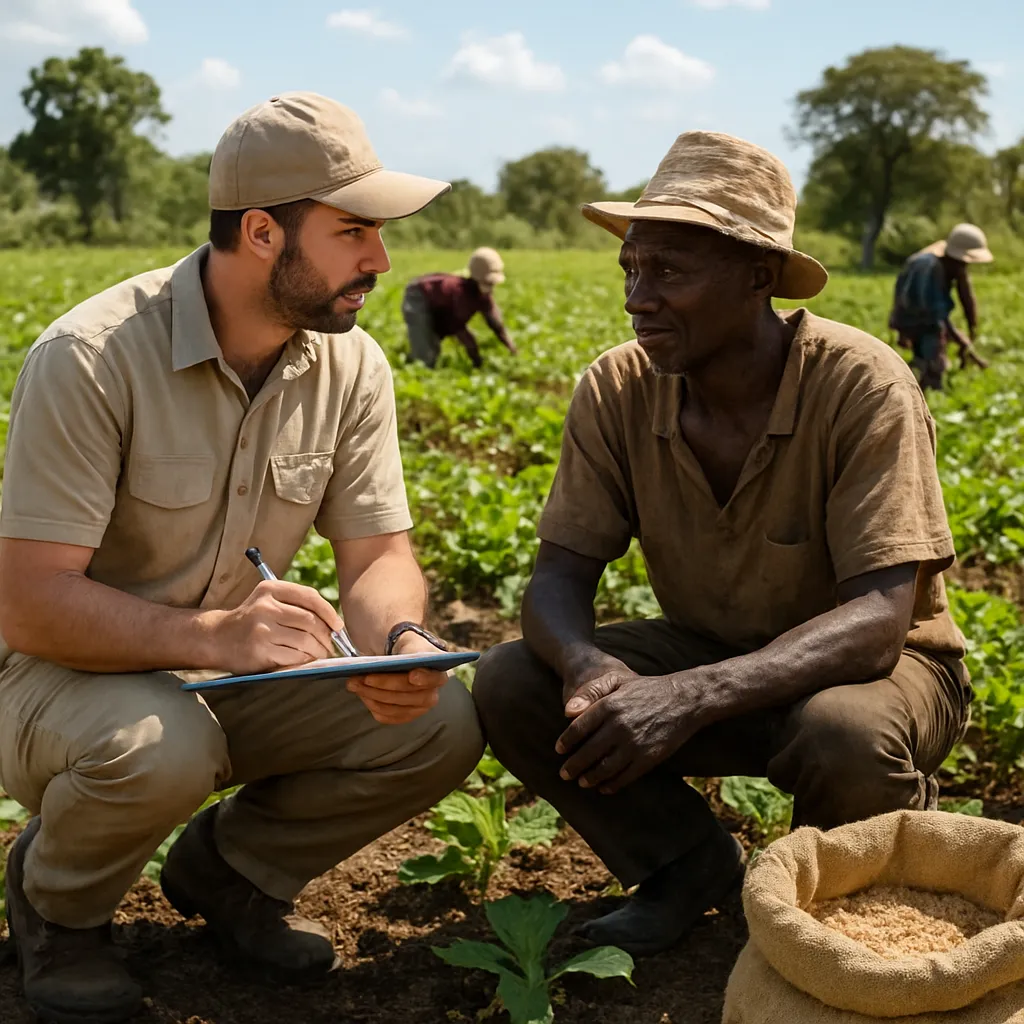
At the same time, economic disparities can emerge. Regions specialized in animal products face short-term income challenges as demand declines. Governments and NGOs are stepping in with transition grants and technical assistance to help livestock farmers diversify. Microfinance schemes fund smallholder groups to acquire improved seeds and equipment for vegetable cultivation. Cooperative models empower farmers to share processing facilities and marketing resources, strengthening bargaining power against large agribusiness buyers.
Social equity considerations are also paramount. Increasing the affordability of healthy plant-based foods requires reducing input costs and supply chain inefficiencies. Urban agriculture projects in underserved neighborhoods expand access to fresh produce, fostering community resilience. Educational campaigns emphasize the health benefits of balanced diets, linking food literacy with sustainable consumption. Local food hubs unite producers and consumers around principles of fair trade, transparency, and environmental responsibility.
Future Prospects and Technological Innovations
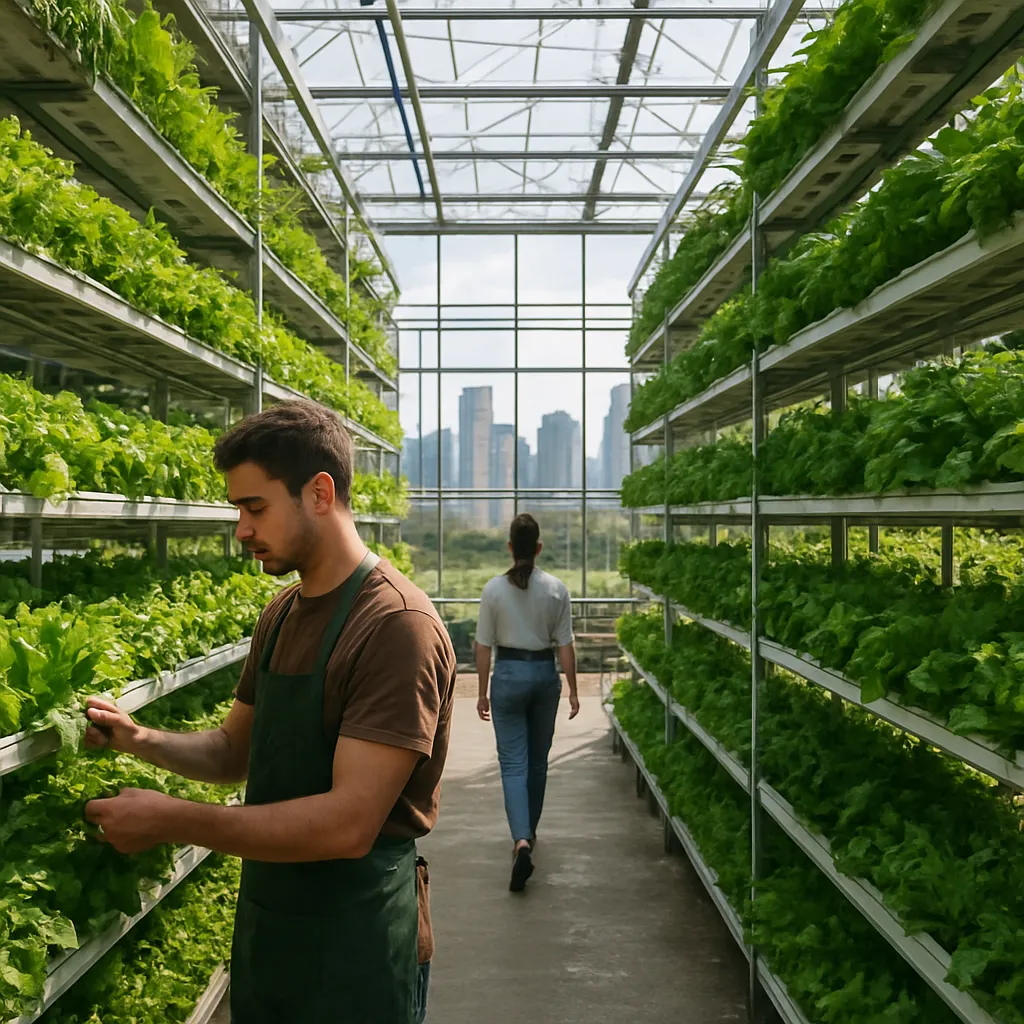
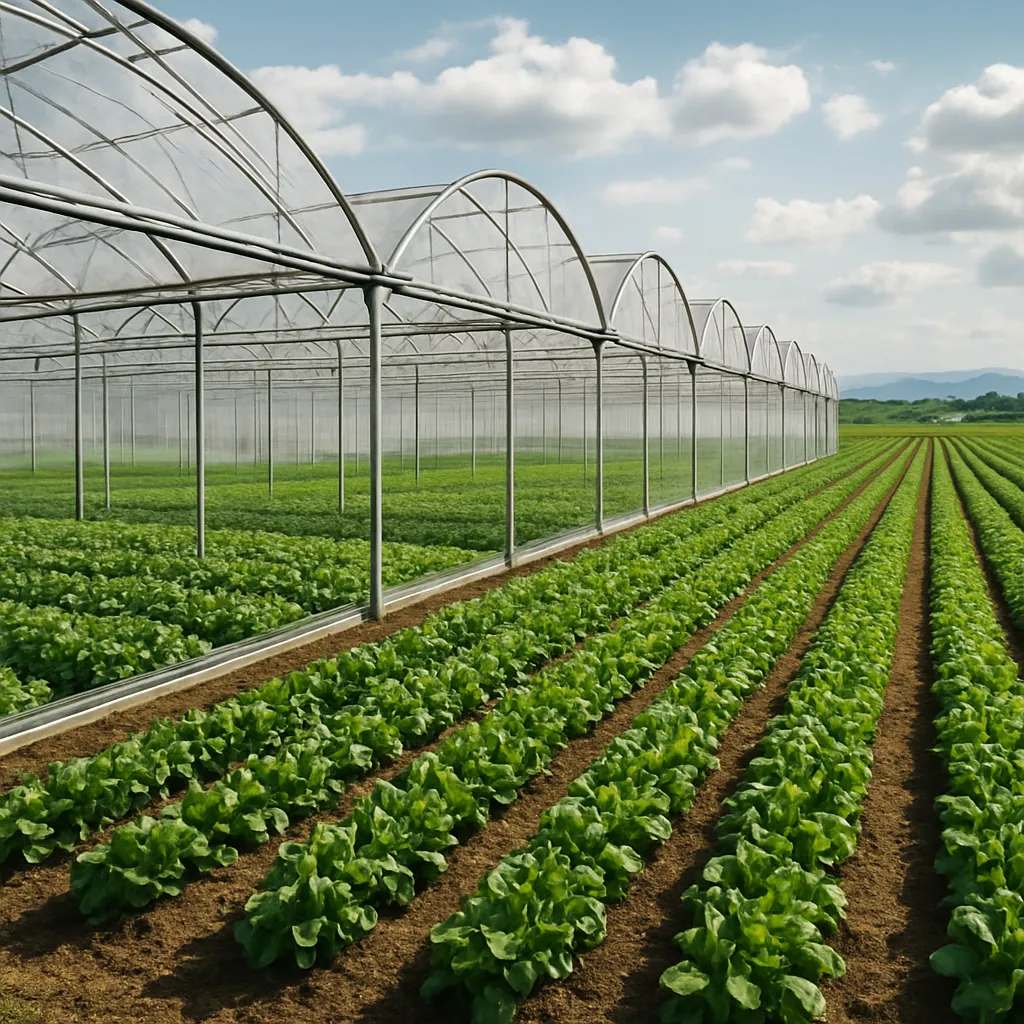
Looking ahead, several emerging technologies promise to accelerate the plant-based farming revolution. Vertical and indoor farming systems offer year-round production in compact spaces, reducing land pressure and supply volatility. LED lighting tailored to specific crop spectra enhances photosynthetic efficiency and controls growth cycles. Advances in biostimulants—natural compounds that boost plant stress tolerance—help growers maintain yields under challenging climate conditions.
Precision agriculture platforms integrate satellite imagery, soil sensors, and machine learning algorithms to optimize nutrient applications and irrigation scheduling. By applying inputs only where needed, farmers minimize waste and environmental impacts. Blockchain-based traceability systems build consumer trust by verifying the origin and sustainability credentials of plant-based products. This transparency encourages retailers to source from responsible suppliers and supports premium pricing for high-integrity brands.
Breeding programs harness genomic selection to develop crop varieties with improved drought tolerance, pest resistance, and nutritional profiles. Public–private research collaborations bring together universities, seed companies, and farming communities to share knowledge and accelerate progress. Policies that incentivize carbon sequestration and penalize deforestation further align agricultural practices with global climate goals.
As demand for plant-based diets continues to rise, the global farming sector stands at a crossroads. Embracing innovation, ecological stewardship, and inclusive economic models will determine whether this shift delivers sustained benefits for people and the planet. The encouraging trends in diversified cropping, sustainable resource management, and community engagement signal a promising path forward for agriculture in the 21st century.