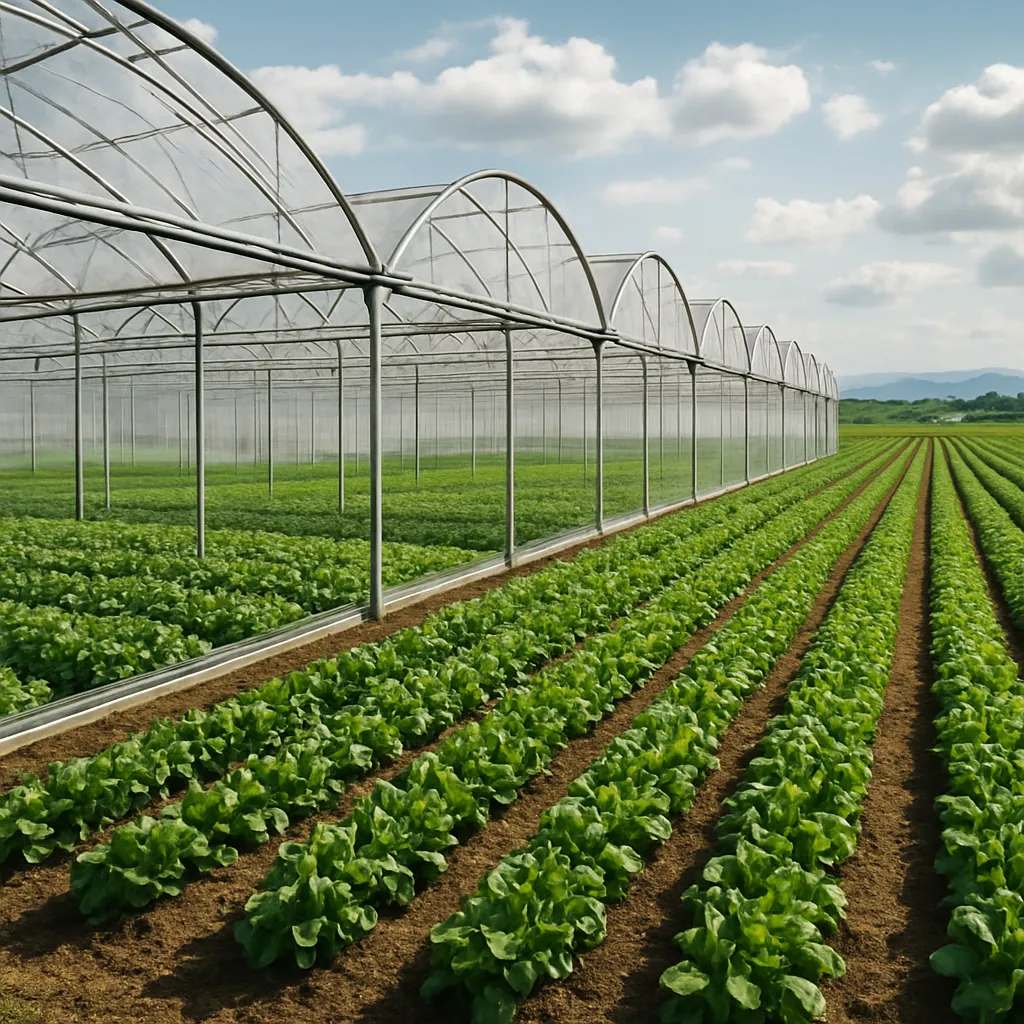
POLLINATORS play an indispensable role in securing the future of our global food supply. From the sun-drenched orchards of Mediterranean regions to the rice paddies of Southeast Asia, the vital interaction between flowering plants and their pollinating partners underpins agricultural prosperity. This article explores the multifaceted significance of pollinators, delves into the pressures they face, and highlights strategies to safeguard these tiny champions of agriculture.
The Role of Pollinators in Agricultural Productivity
In the tapestry of global farming, insects such as bees, butterflies, moths, beetles, and flies perform the extraordinary task of transferring pollen grains from the male anthers of a flower to the female stigma. This process, known as pollination, is directly responsible for the production of approximately one-third of the world’s crop varieties. Without effective pollination:
- Fruit set in orchards would plummet.
- Crop yield and quality in vegetable production would decline.
- Seed formation in leguminous plants would be severely compromised.
Major staples like wheat, rice, and maize are wind- or self-pollinated, but numerous high-value crops—apples, almonds, coffee, and cocoa—rely almost entirely on animal-mediated pollination. Even in cereals, the enhancement of yield through animal pollinators is increasingly recognized as a valuable benefit.
Enhancing Biodiversity Through Pollination
The interdependence between pollinators and flowering plants fosters biodiversity at multiple levels. Diverse pollinator populations contribute to:
- Genetic variation in wild and cultivated plant species.
- Habitat restoration in agroecosystems by supporting floral diversity.
- Improved resilience against pests and diseases.
Regions with robust pollinator communities often boast healthier soils, fewer outbreaks of agricultural pests, and increased presence of predatory insects that naturally regulate pest populations.
Pressures Threatening Pollinator Populations
Despite their global importance, pollinator numbers are declining at an alarming rate. The main drivers include:
- Pesticide overuse: Neonicotinoids and other systemic chemicals can impair pollinator navigation and reproduction.
- Habitat loss: Conversion of wildlands to monoculture farms reduces nesting and foraging resources.
- Pathogens and parasites: Varroa mites, fungal infections, and viral diseases have devastated honeybee colonies worldwide.
- Climate change: Shifts in temperature and precipitation patterns disrupt the synchrony between flowering times and pollinator activity.
- Invasive species: Competition from non-native pollinators can displace indigenous populations.
These threats act synergistically, weakening pollinator resilience and undermining the stability of agricultural ecosystems.
Economic and Social Impacts
Pollinator declines carry significant economic consequences. Studies estimate that animal pollination contributes over 200 billion USD annually to the global agricultural economy. Smallholder farmers in developing nations are particularly vulnerable, as many depend on sustainability-driven horticultural crops for income and nutrition. Reduced pollination services can:
- Decrease household food security.
- Raise production costs due to the need for manual or mechanical pollination.
- Endanger livelihoods tied to specialty crops like vanilla, berries, and nuts.
Sustainable Practices to Support Pollinator Health
Addressing pollinator decline requires coordinated efforts at farm, landscape, and policy levels. Key strategies include:
- Creating flower-rich margins and hedgerows that provide continuous bloom throughout the season.
- Implementing integrated pest management (IPM) to minimize chemical inputs and promote biological controls.
- Establishing nesting sites such as bee hotels, bare soil patches, and hollow stems for solitary species.
- Promoting agroforestry systems that blend trees, shrubs, and crops, enhancing habitat complexity.
- Encouraging crop rotation and mixed cropping to sustain floral diversity.
These measures not only bolster pollinator populations but also improve soil structure, water retention, and overall farm resilience.
Technological Innovations
Emerging technologies are enhancing our capacity to monitor and protect pollinators:
- Remote sensing and GIS mapping to identify critical habitats and potential forage gaps.
- Automated hive sensors that track honeybee activity, health, and environmental conditions.
- Genomic analysis to breed disease-resistant pollinator stocks.
- Machine-learning models predicting pollinator declines based on climate and land-use changes.
Global Initiatives and Collaboration
International organizations, governments, research institutions, and NGOs are uniting efforts to conserve pollinators. Notable actions include:
- The United Nations’ IPBES (Intergovernmental Science-Policy Platform on Biodiversity and Ecosystem Services) assessments highlighting pollination as a critical ecosystem service.
- The EU Pollinator Initiative, promoting pollinator-friendly agricultural practices and the reduction of harmful pesticides.
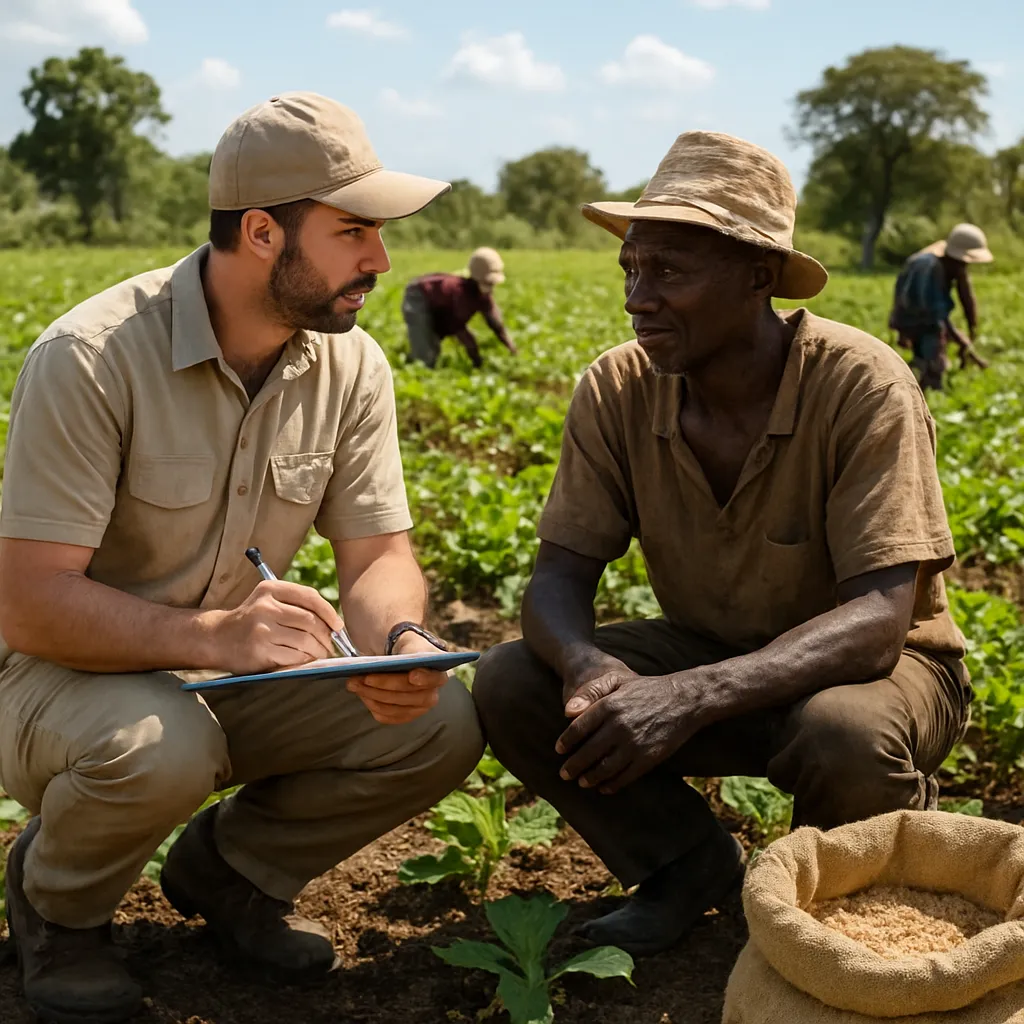
- Regional partnerships in Africa and Asia advancing community-led conservation programs and farmer training.
- Corporate commitments to certifying sustainable ingredients, ensuring pollinator-safe supply chains for products like coffee and chocolate.
These efforts underscore the recognition that protecting pollinators is essential for global food security and environmental stability.
Case Study: Coffee Farms in Central America
In Costa Rica and Guatemala, smallholder coffee producers have implemented agroforestry systems integrating shade trees and native flowering shrubs. Benefits observed include:
- Increased abundance of native bees and hummingbirds.
- Enhanced bean quality due to better pollination and microclimate regulation.
- Improved soil health through litter fall and root diversity.
These community-led projects demonstrate that combining traditional knowledge with scientific research can yield both economic gains and pollinator conservation.
Looking Ahead: Ensuring a Pollinator-Friendly Future
Securing pollinator services demands a holistic approach that balances conservation with productive agriculture. Farmers, agronomists, policymakers, and consumers all have a role to play. By championing practices that nurture pollinator populations, we reinforce the foundation of our global food systems and safeguard the natural heritage that sustains us.