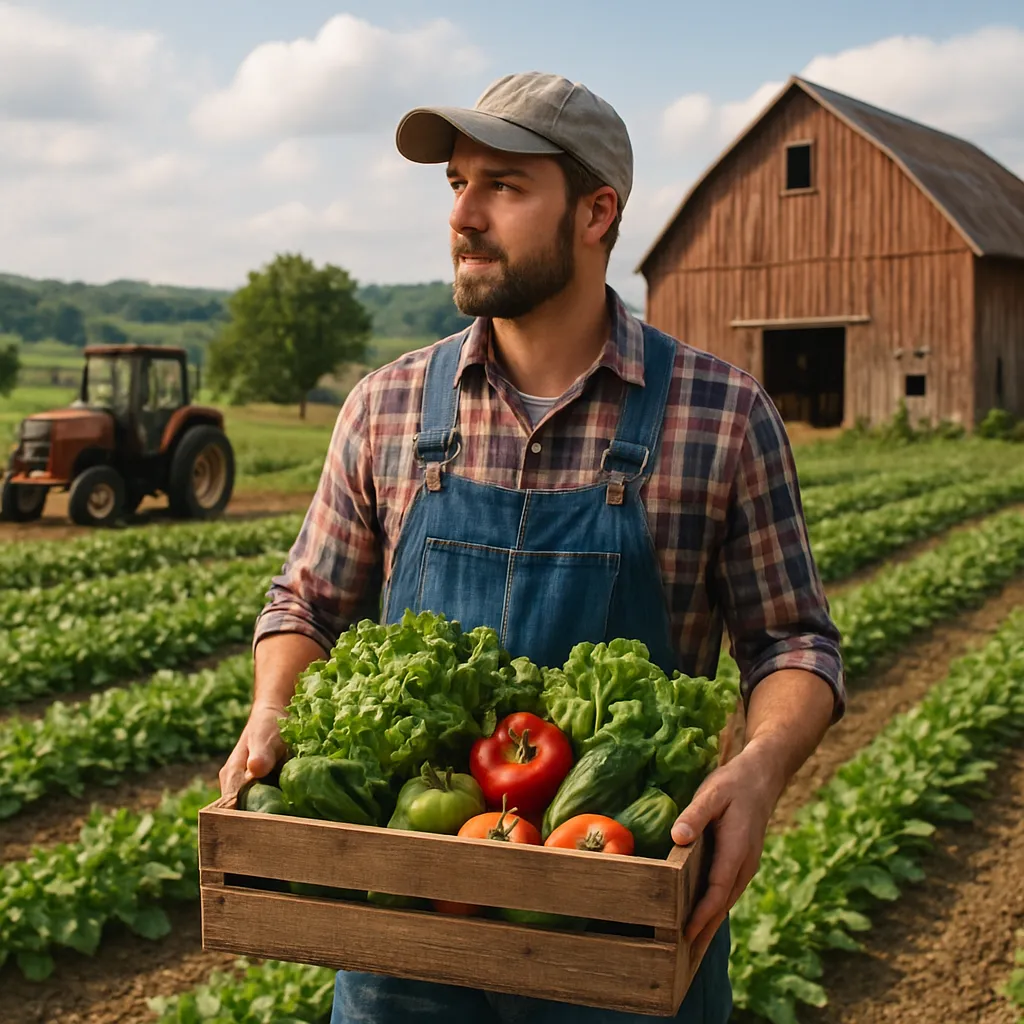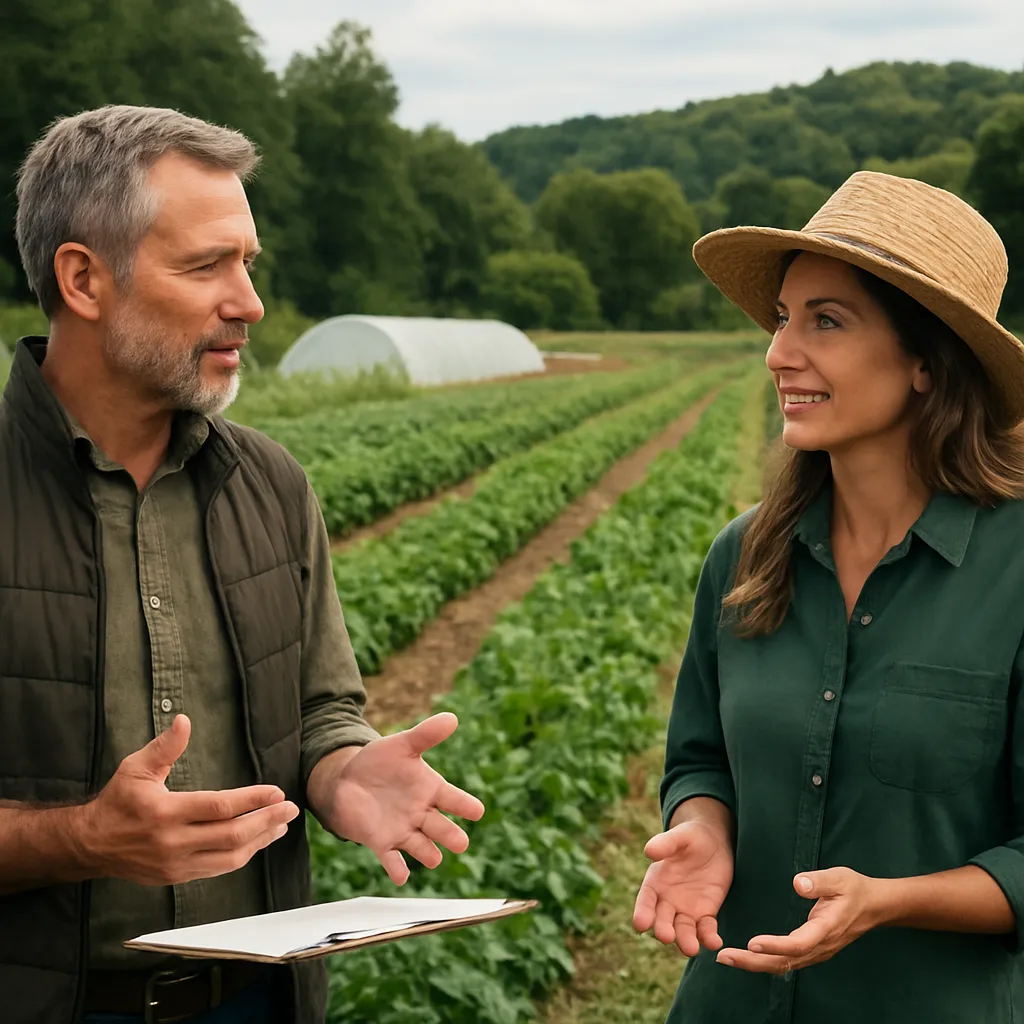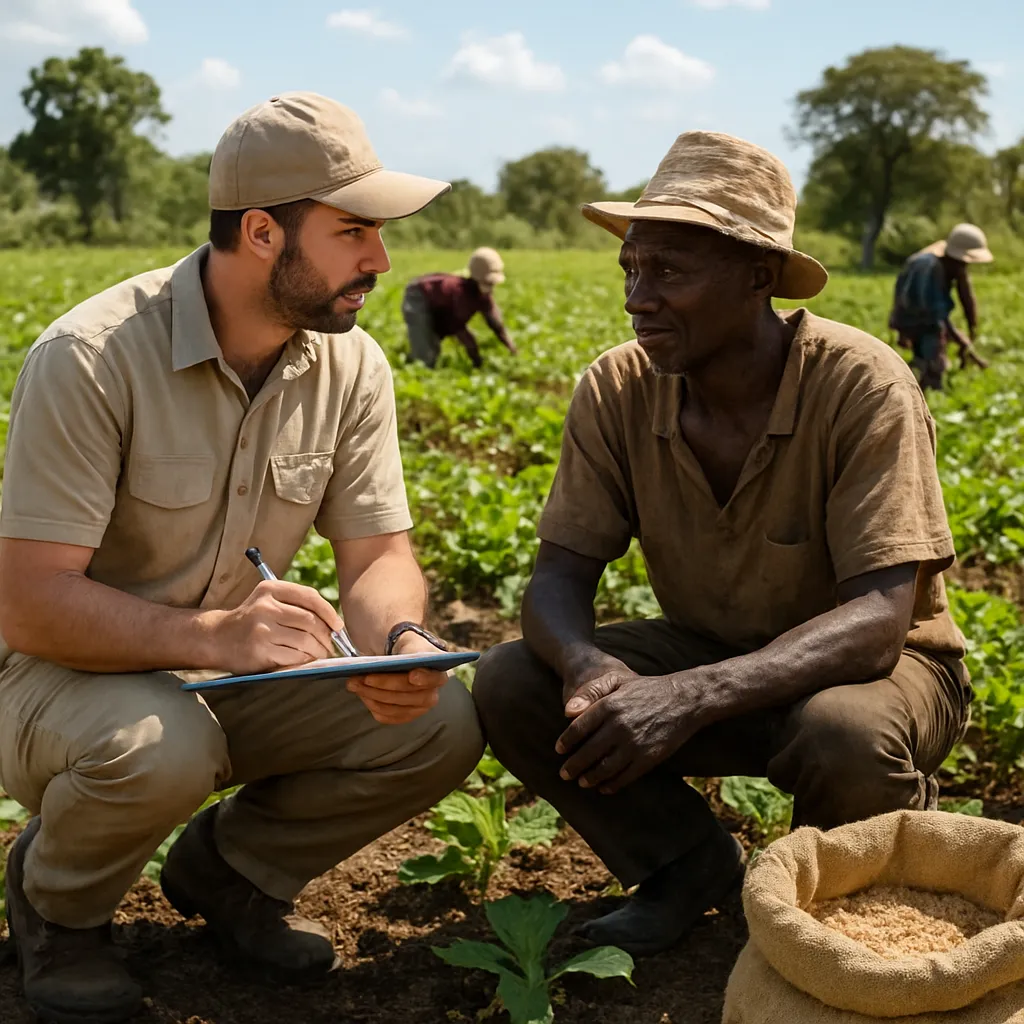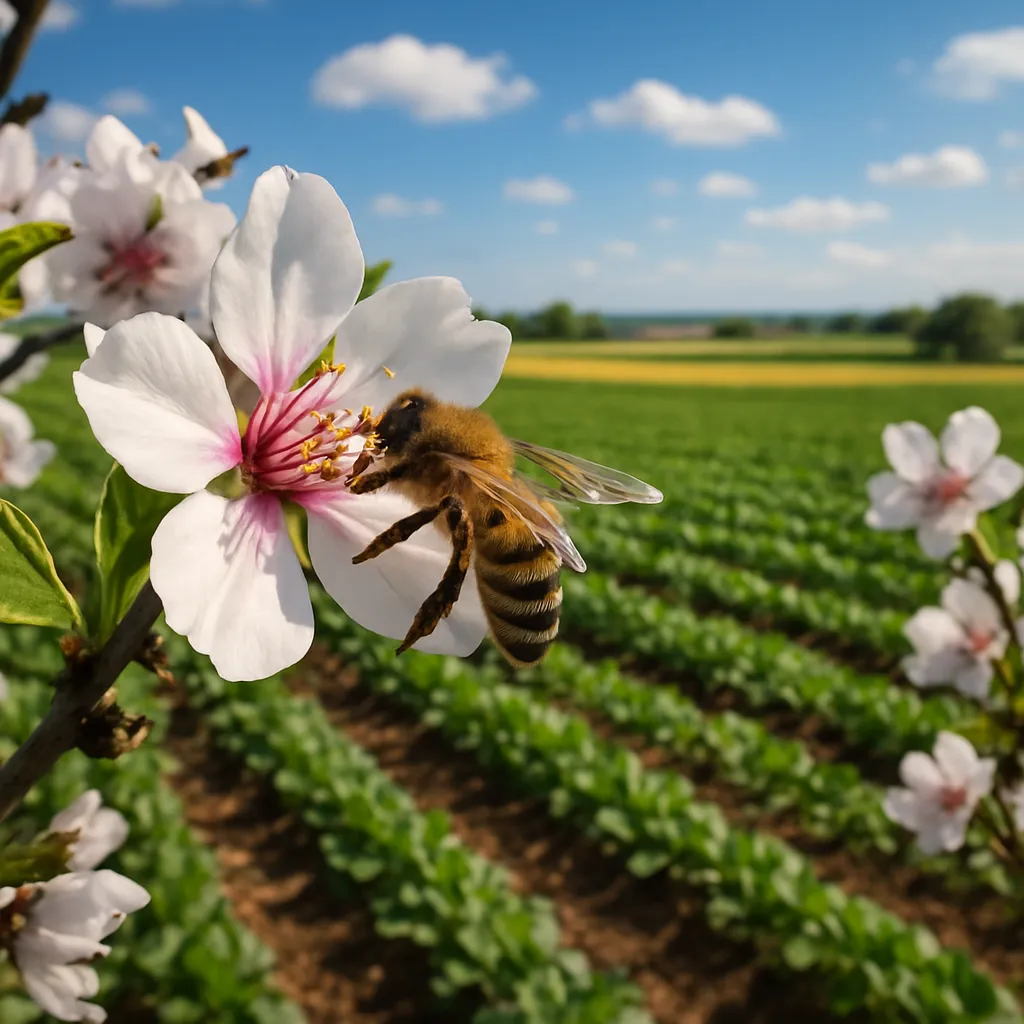
The Global Importance of Pollination Services for Agriculture spans far beyond mere flower visitation. On a planetary scale, the successful reproduction of many of the world’s most vital crops depends on intricate interactions between plants and their pollinator partners. Across diverse landscapes—from smallholder plots nestled in tropical regions to expansive industrial farms in temperate zones—pollination remains a cornerstone for food security and economic stability. This article examines how pollination shapes modern agriculture, safeguards biodiversity, and fosters resilient food systems worldwide.
Economic Value and Crop Production
At the heart of every bustling market and every farm gate are crops that owe their yield and quality to efficient pollination. Without these vital services, the fruit set, seed formation, and overall productivity of many cultivars would plummet. Economists and agronomists estimate that pollinator-dependent crops contribute over 150 billion US dollars annually to the global economy. Such remarkable figures highlight the need to prioritize pollination management on a grand scale.
Key Crops and Regional Hotspots
- In North America and Europe, apples, almonds, blueberries, and oilseed rape rely heavily on managed honeybees.
- Tropical regions such as Southeast Asia and Central America benefit from native wild pollinators for crops like coffee, cocoa, and various tropical fruits.
- Sub-Saharan Africa’s legume and vegetable production often hinges on both bees and other insect visitors, underpinning local food security.
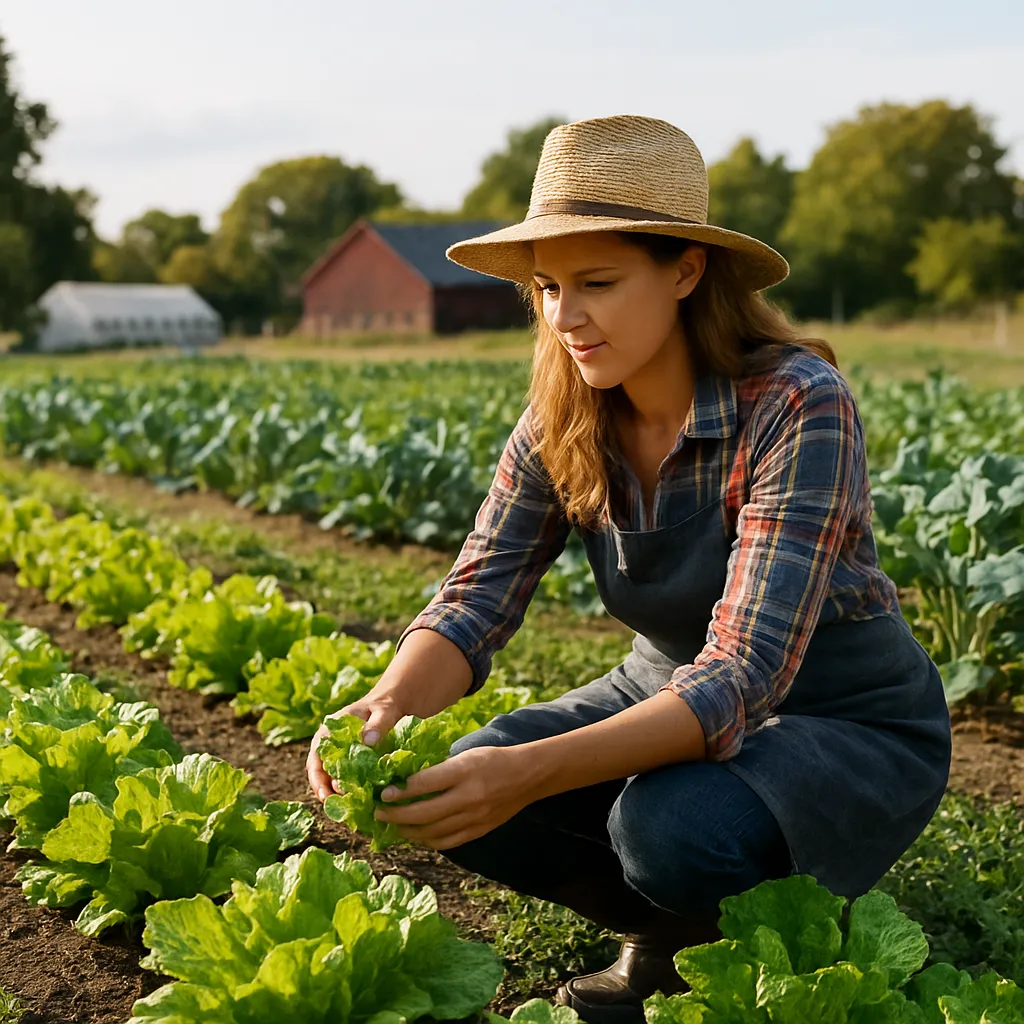
The economic stakes are especially high for smallholder farmers, where fluctuations in pollination rates can translate directly into food shortages and lost income. Investments in pollinator health, from beekeeping training to the maintenance of floral corridors, yield significant returns through enhanced crop value and stability.
Threats to Pollination and Pollinator Health
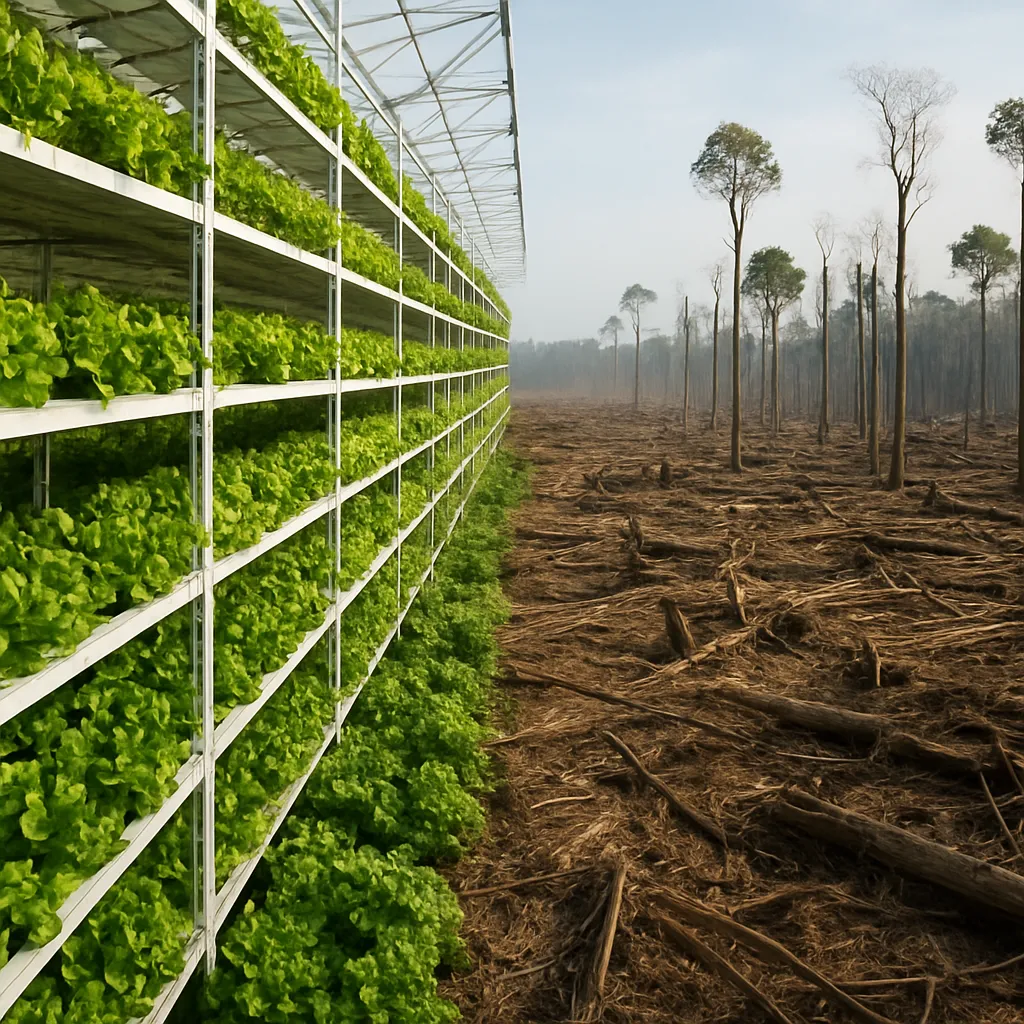
Despite their irreplaceable role, pollinators face mounting challenges. Habitat loss, intensive land use, pesticide exposure, climate change, and disease collectively erode the capacity of ecosystems to support healthy pollinator populations. The result is an alarming decline in both the abundance and diversity of these essential animals.
Habitat Fragmentation and Monocultures
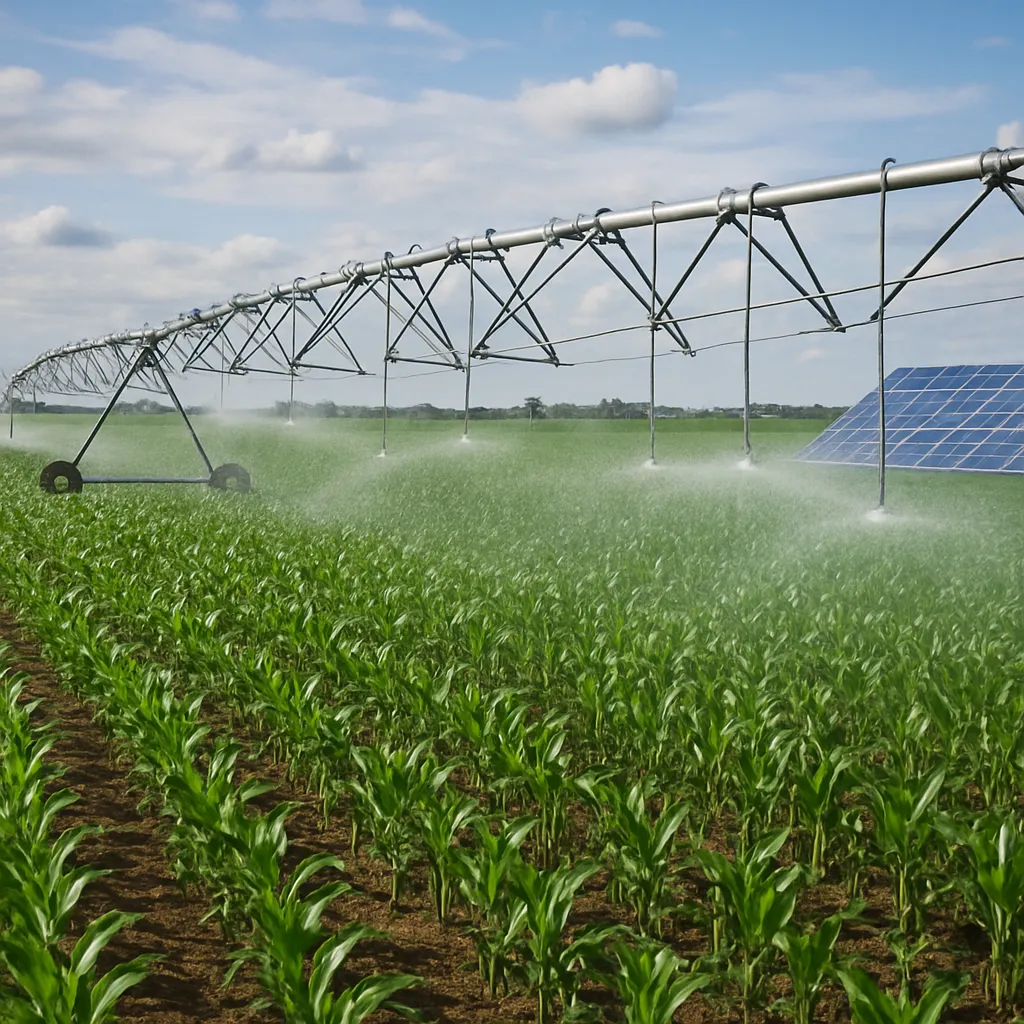
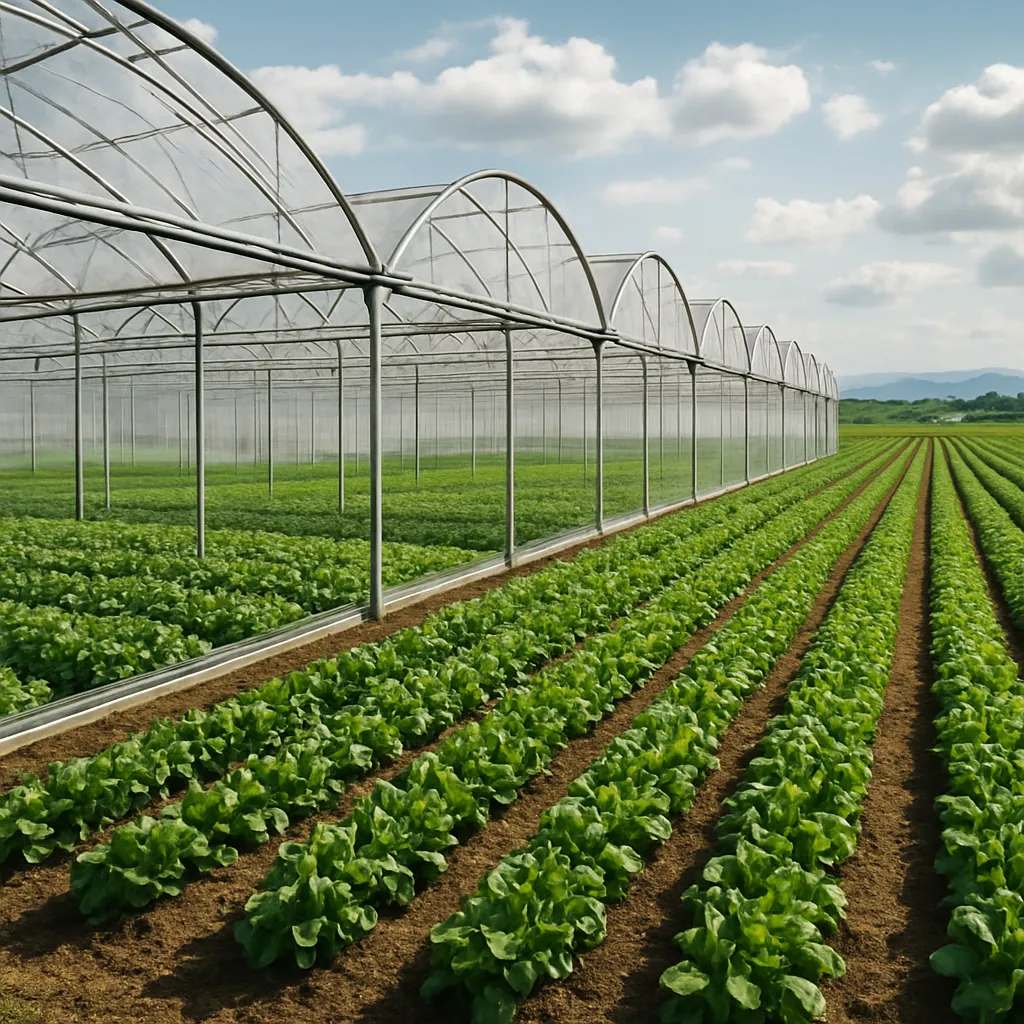
Large-scale world farms often prioritize single-crop production, creating vast expanses bereft of floral diversity. This uniformity deprives pollinators of continuous foraging resources throughout the growing season. Habitat fragmentation further isolates remnant wildflower meadows, woodlands, and riparian strips, impeding pollinator movement and genetic exchange.
Pesticides, Pathogens, and Climate Stress
- Pesticides, notably neonicotinoids, can diminish bee navigation, weaken immune responses, and increase mortality rates.
- Pathogens such as Varroa mites and fungal infections have decimated honeybee colonies in many regions.
- Shifts in temperature and precipitation patterns disrupt flowering times, leading to temporal mismatches between pollinators and the plants they service.
These stressors often interact synergistically. For instance, pesticide-weakened bees are more susceptible to disease, while climate-induced forage gaps amplify the impacts of habitat loss. Such compounded threats jeopardize the long-term resilience of agroecosystems worldwide.
Sustainable Practices and On-Farm Solutions
Farmers and researchers are embracing innovations that bolster pollination services while maintaining high yields. From simple habitat enhancements to cutting-edge precision agriculture, a suite of strategies can integrate pollinator conservation into everyday farm management.
Floral Resource Enhancement
- Planting wildflower strips and cover crops to deliver continuous nectar and pollen sources.
- Maintaining hedgerows, woodlots, and riparian buffers as refuges for nesting and overwintering.
- Rotating crops and intercropping with bee-friendly species such as clover, phacelia, and buckwheat.
Such measures increase on-farm biodiversity, support populations of both managed and native pollinators, and provide additional ecosystem benefits like pest control and soil improvement.
Apiary Management and Pollinator Husbandry
Commercial beekeepers now apply best practices to reduce disease transmission and maintain healthy hives. Strategies include regular hive inspections, diverse forage planning, and careful selection of pesticide-free foraging zones. Additionally, research into assisted breeding for disease-resistant honeybee strains offers promise for enhancing colony survival rates.
Precision Agriculture and Monitoring Technologies
- Remote sensing and GIS mapping to identify critical pollinator habitats and forage gaps.
- Automated sensor networks for tracking hive health metrics such as temperature, humidity, and activity levels.
- Mobile apps that crowdsource pollinator observations, generating real-time data on local pollination dynamics.
By harnessing these tools, farmers can optimize resource allocation, apply targeted interventions only when necessary, and measure the direct impact of their pollinator-friendly initiatives.
Global Initiatives and Conservation Efforts
International bodies, research institutions, and grassroots organizations collaborate to develop frameworks that protect pollinators at the landscape and policy levels. Recognizing pollination as a critical ecosystem service, these efforts span education, legislation, and on-the-ground action.
Policy Frameworks and Incentives
- The European Union’s Pollinators Initiative promotes pesticide reductions, habitat restoration, and monitoring programs across member states.
- In North America, federal conservation programs offer financial incentives for farmers who establish pollinator habitat under the Conservation Reserve Program (CRP).
- Global treaties, such as the Convention on Biological Diversity, integrate pollinator protection into broader biodiversity goals.
Community Engagement and Farmer Networks
Local farmer cooperatives and community-based organizations share knowledge on best management practices, enabling collective action at the landscape scale. Such networks facilitate:
- Peer-to-peer training on pollinator-friendly rotations and integrated pest management.
- Regional seed banks for native wildflowers and forage plants.
- Crowdfunding campaigns to support pollinator research and habitat restoration projects.
These collaborative models empower smallholders and large-scale producers alike to become stewards of pollination resources, ensuring that future generations inherit robust agroecological systems.
Future Perspectives for Pollination Services
Maintaining the harmony between human agriculture and natural pollinators will require continued innovation, cross-sector partnerships, and a commitment to sustainability. Emerging research on alternative pollinators—including flies, beetles, and solitary bees—expands our understanding of ecosystem functions and offers redundancy in case primary pollinator species decline. Furthermore, integrating traditional ecological knowledge with cutting-edge science fosters holistic approaches to on-farm conservation.
By valuing the intricate relationships between plants and their pollinators, global communities can safeguard food systems, preserve ecosystem health, and nurture a shared sense of responsibility toward our natural heritage. The future of world farms depends on embracing these interdependencies and investing in the invisible workforce that underpins agricultural abundance.