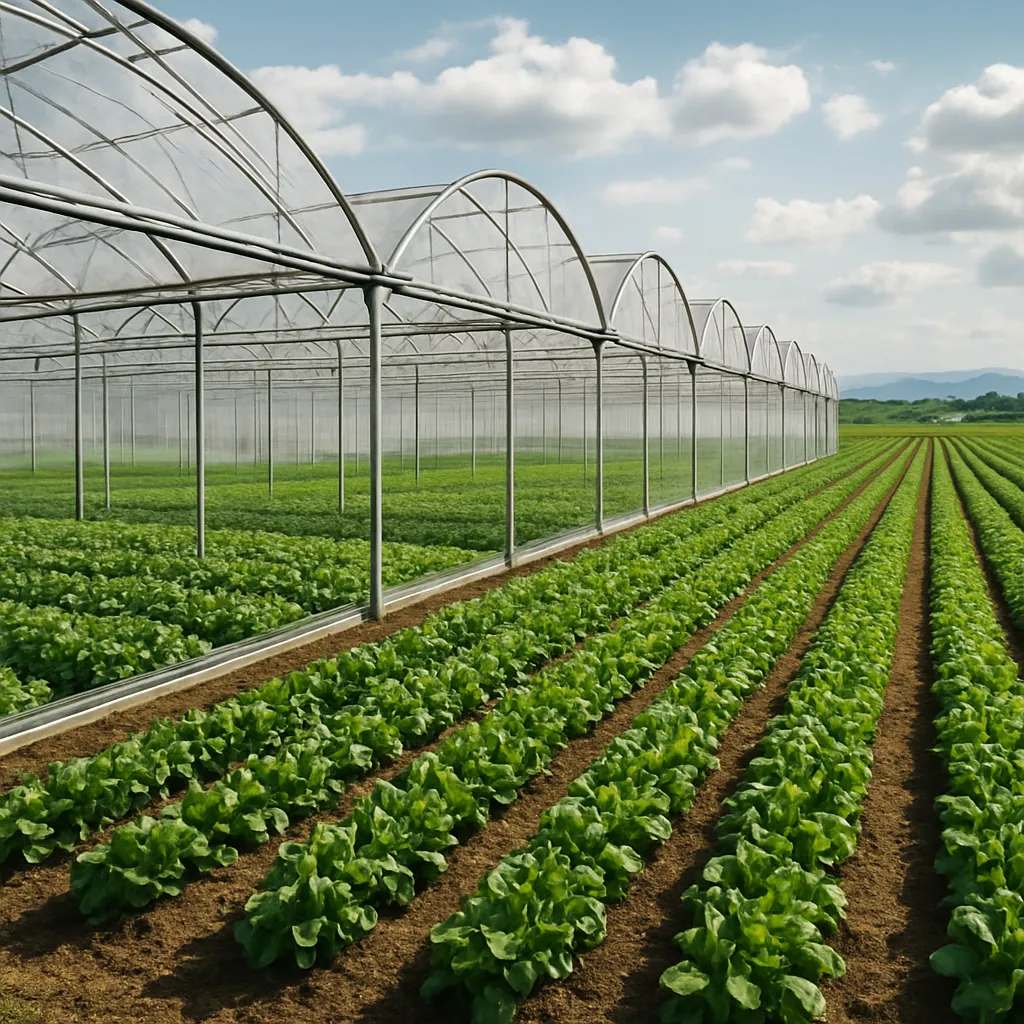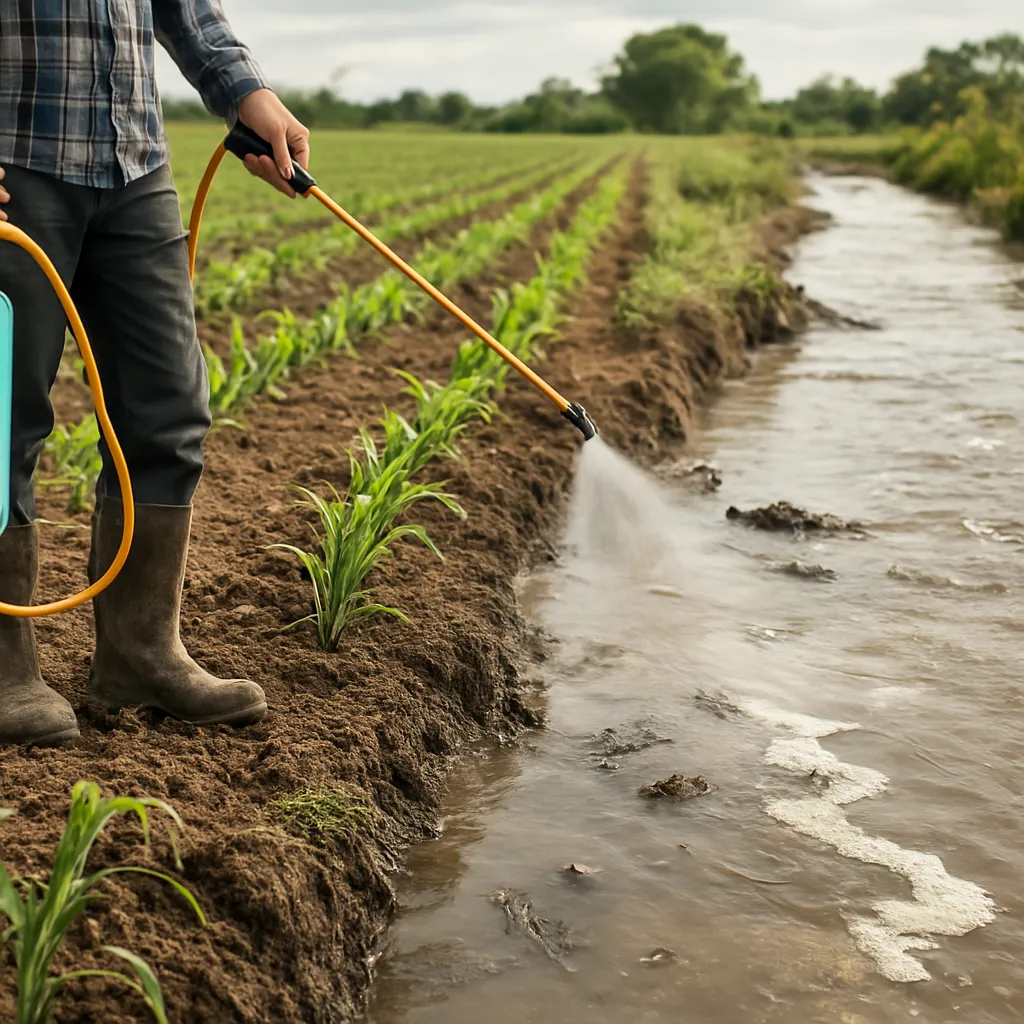
The widespread use of agrochemicals has reshaped modern farming across continents, driving record yields but raising serious concerns about long-term environmental health. Growing demand for food security and market expansion has fueled intensive applications of synthetic fertilizers, pesticides, and herbicides. In this article, we explore major trends in global agrochemical use, the profound effects on soil and water resources, and emerging practices aimed at balancing productivity with ecological preservation.
Global Patterns of Agrochemical Application
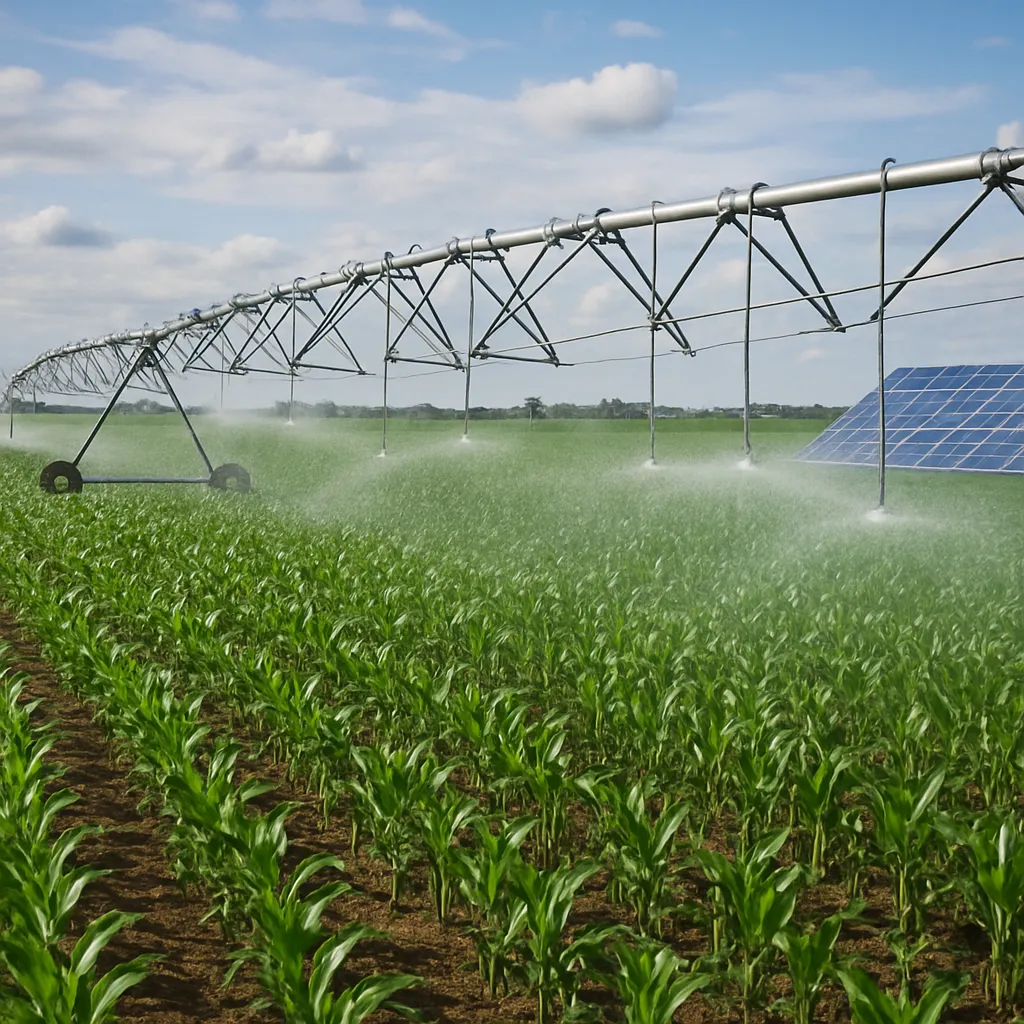
In recent decades, the global consumption of fertilizers and pesticides has soared. Developed nations often display plateaued or slightly declining usage rates thanks to technological refinements and stricter regulations. Conversely, many emerging economies continue to ramp up chemical inputs, mirroring intensification of crop production. Advances in distribution networks have made agrochemicals readily available even in remote farming regions, accelerating adoption among smallholders seeking higher profits.
Key drivers behind expanding agrochemical markets include:
- Population growth, fueling the need for enhanced food output.
- Trade liberalization, opening new markets and encouraging export-oriented agriculture.
- Technological developments, such as precision sprayers and coated fertilizers.
- Political incentives, where subsidies lower the cost barrier for chemical inputs.
Despite uniform goals of yield improvement, local practices vary greatly. In areas with fragile soils, aggressive fertilization can trigger rapid nutrient leaching, while overuse of broad-spectrum herbicides may lead to resistant weed populations. These patterns underscore the urgency of monitoring both immediate crop benefits and downstream environmental consequences.
Impacts on Soil Health and Ecosystem Dynamics
Soil, the foundation of terrestrial agriculture, is particularly vulnerable to chemical overloading. High concentrations of nitrogen and phosphorus can disrupt native microbial communities, impairing natural nutrient cycling. Chronic pesticide exposure further erodes beneficial insect populations and soil fauna essential for maintaining structure and fertility. As a result, fields once teeming with organic life become increasingly dependent on repeated agrochemical injections.
Degradation of Soil Structure
Excessive fertilizer use often leads to soil acidification, which reduces the binding capacity of clay minerals and organic matter. Compacted layers form, hindering root penetration and water infiltration. Over time, farmers may resort to heavier machinery to manage dense soils, inadvertently exacerbating compaction issues. This cycle diminishes the overall porosity of the soil, limiting aeration and reducing resilience to drought.
Loss of Biodiversity and Ecological Balance
Pesticides are designed to eliminate target organisms, but non-selective chemicals also harm pollinators, earthworms, and predatory insects. The decline of keystone species upsets the natural checks and balances that control pests and recycle nutrients. In many regions, dramatic drops in bee populations have spurred pollination deficits, directly impacting fruit set and crop yields. Riparian buffer zones, once rich in insect life, can become sterile corridors where only the most tolerant species persist.
Water Contamination and Consequences for Human and Wildlife Health
Runoff from treated fields often carries soluble compounds into adjacent streams, rivers, and lakes. This contamination process accelerates during heavy rainfall events or improper irrigation techniques. Pesticide and fertilizer residues contribute to algal blooms, which deplete dissolved oxygen and create dead zones inhospitable to fish and invertebrates. Groundwater aquifers are also at risk when soluble nitrates and persistent organic pollutants leach through soil profiles.
Surface Water Pollution
Surface waters capture the bulk of agrochemical runoff. Streams near intensive farm operations frequently exhibit elevated nitrate concentrations far exceeding safe drinking thresholds. Aquatic ecosystems suffer from reduced species richness and altered community structures. As oxygen levels plunge during bloom decay, opportunistic bacteria thrive, sometimes generating toxins harmful to humans and livestock.
Threats to Groundwater Supplies
Unlike surface water, groundwater contamination is often invisible until wells deliver unpalatable or hazardous levels of nitrates and chemical by-products. In regions dependent on well water, rural communities face increased health risks, including methemoglobinemia in infants and potential carcinogenic effects. Residues of certain pesticides can persist for years, complicating remediation efforts and raising the cost of water treatment.
Strategies for Mitigation and Pathways Toward Sustainability
To address the dual imperative of productivity and environmental stewardship, several integrated approaches are gaining traction:
- Precision Agriculture: Utilizing GPS-guided equipment and sensor-based soil mapping to apply chemicals only where needed, reducing overall input volumes.
- Crop Rotation: Alternating plant families to disrupt pest lifecycles and improve nutrient usage, thereby lowering pesticide reliance.
- Promotion of organic amendments: Incorporating compost and biochar to enhance soil structure and foster beneficial microbial activity.
- Development of biopesticides: Leveraging naturally occurring microorganisms and plant extracts to selectively target pests with minimal non-target impacts.
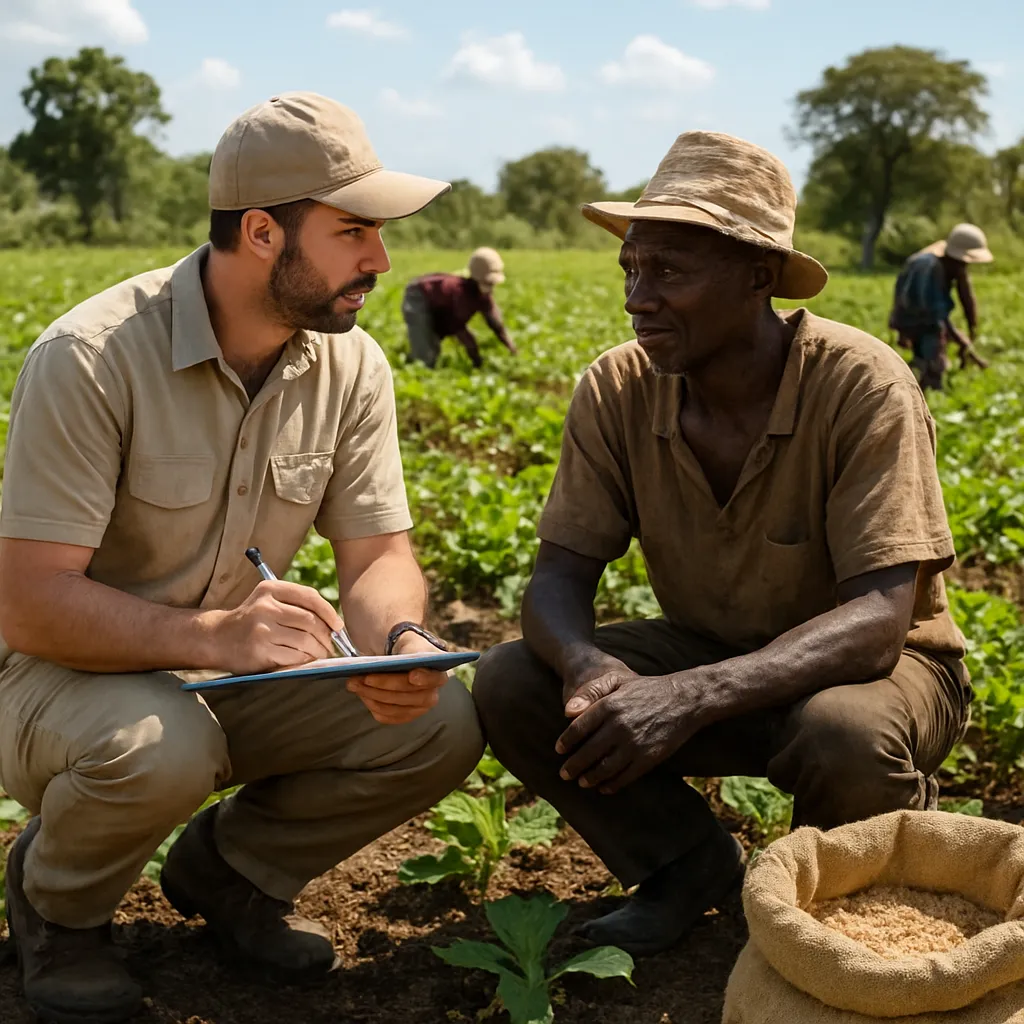
- Enhanced education and training: Equipping farmers with best practices for safe handling, storage, and disposal of agrochemicals.
Public policies play a vital role in incentivizing eco-friendly methods. Subsidies for cover cropping, tax breaks for precision equipment, and strict enforcement of buffer zone requirements can shift behaviors toward more holistic management. Likewise, investing in research for remediation techniques—such as phytoremediation and constructed wetlands—offers promising avenues for reclaiming polluted sites.
International collaboration is also crucial. Shared databases on chemical toxicity, joint standard-setting bodies, and cross-border monitoring programs can ensure consistent ecosystem protection efforts. At the same time, local adaptation is indispensable: what works in temperate grasslands may not translate directly to tropical agroforestry systems.
Innovations in Remediation and Future Outlook
Emerging methods aim to reverse the damage inflicted by decades of intensive agrochemical use. Engineered wetlands can intercept runoff, removing excess nutrients through plant uptake and microbial denitrification. Bioaugmentation—introducing specialized microbial strains—accelerates the breakdown of persistent pesticide molecules, facilitating soil and water remediation.
Phytotechnologies harness the power of hyperaccumulator plant species to extract heavy metals and other inorganic contaminants from both soils and water bodies. After harvest, contaminated biomass is processed to recover or safely sequester pollutants. This cyclical approach aligns with principles of the circular economy, reducing waste and preventing secondary contamination.
Looking ahead, satellite imaging and artificial intelligence will refine risk mapping, allowing stakeholders to predict hotspots of pollution before they manifest. Coupled with real-time sensors in soil and water, these tools promise faster responses and tailored interventions. As global demand for food continues to climb, the imperative to integrate technology, policy, and traditional ecological knowledge has never been greater.
Balancing Productivity and Planetary Health
Combatting the legacy of excessive agrochemical usage demands coordinated action across sectors. Farmers, researchers, policymakers, and consumers each hold pieces of the solution. By embracing integrated pest management, optimizing irrigation, and restoring degraded lands, the international community can forge a path that safeguards both human well-being and the delicate web of life that sustains agriculture itself.