The global livestock sector is undergoing a remarkable transformation driven by the integration of cutting-edge technologies into traditional farming systems. From automated feeding systems to advanced genomic tools, the fusion of innovation and agriculture is redefining how animals are raised, monitored, and processed. This article explores the multifaceted ways in which technological advancements are shaping the future of livestock farming, examining breakthroughs in data analytics, animal welfare improvements, and the path toward a more sustainable and resilient food system.
Technological Innovations Shaping Global Livestock Production
Emerging technologies are revolutionizing farm operations, enabling producers to achieve higher levels of efficiency and productivity while minimizing resource consumption. Several key innovations have become instrumental in modern livestock management:
Automated Feeding and Milking Systems
- Robotics in dairy farms perform repetitive tasks such as milking cows with precision and consistency, reducing labor costs and stress on animals.
- Smart feeders equipped with sensors dispense tailored rations based on individual animal needs, helping maintain optimal body condition and productivity.
Precision Livestock Farming
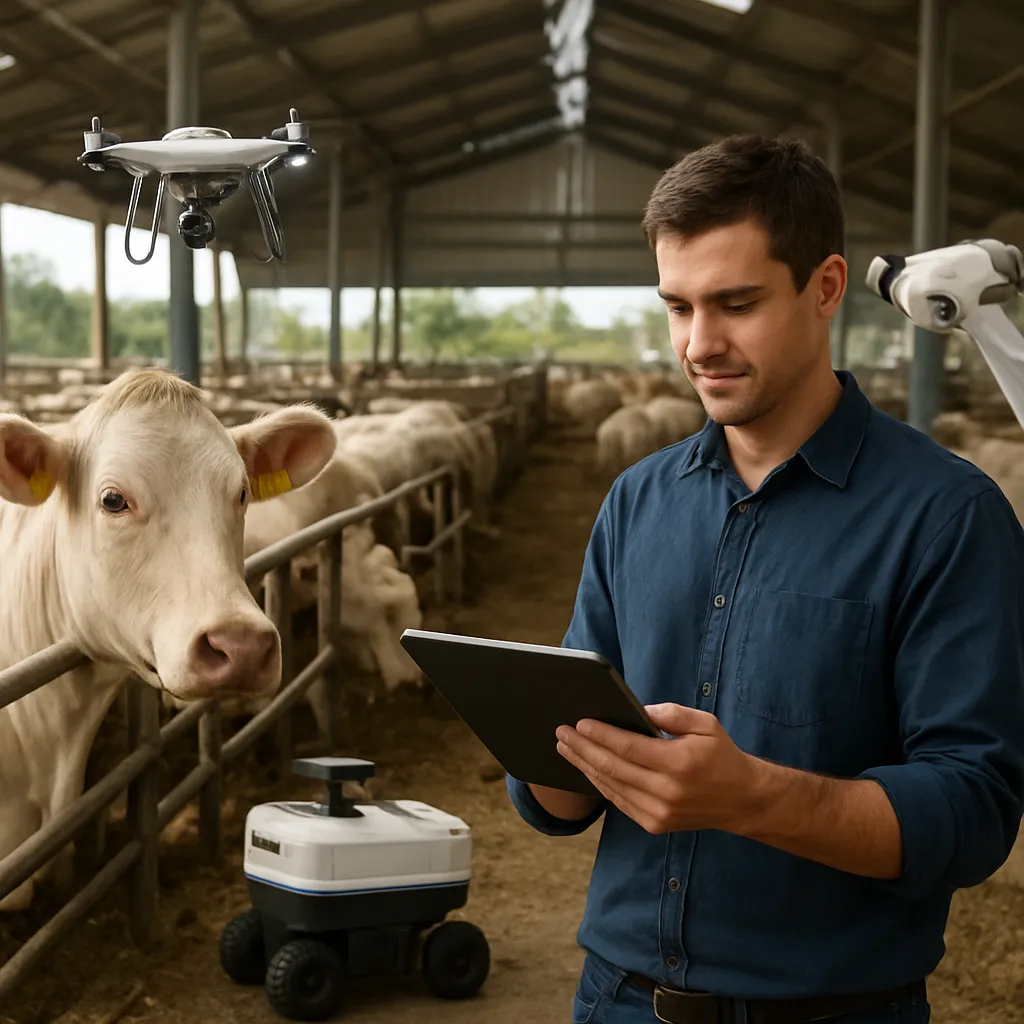
- Wearable devices track vital signs, movement patterns, and behavior of individual animals, enabling early detection of health issues and streamlined herd management.
- GPS-enabled collars and tags facilitate real-time monitoring of grazing livestock, supporting rotational grazing strategies and minimizing overgrazing.
Genomic and Biotechnology Advances
- Targeted breeding programs using genomics accelerate genetic gains for traits like disease resistance, growth rate, and feed conversion efficiency.
- CRISPR-based gene editing holds promise for enhancing resilience against emerging pathogens and improving overall welfare outcomes.
These innovations collectively empower farmers to produce more with less, reducing environmental footprints and enhancing economic viability across diverse production systems.
Sustainability and Animal Welfare in Modern Farming
Consumers and policymakers increasingly demand higher standards for sustainability and ethical animal treatment. Technology plays a pivotal role in addressing these concerns while ensuring food security and rural livelihoods.
Reducing Environmental Impact
- Precision manure management systems leverage sensors and data analytics to optimize nutrient application, reducing nitrogen and phosphorus runoff into waterways.
- Biogas digesters convert livestock waste into renewable energy, cutting greenhouse gas emissions and offering an additional revenue stream.
- Water-saving technologies, such as automated waterers with leak detection, minimize waste and protect scarce water resources in arid regions.
Enhancing Animal Health and Comfort
- Real-time monitoring allows for immediate intervention when an animal shows signs of distress or disease, improving survival rates and welfare conditions.
- Climate-controlled housing systems adjust temperature, humidity, and ventilation automatically to ensure animals remain within their thermal comfort zone year-round.
- Enrichment devices, like automated scratching brushes for swine and enrichment toys for poultry, support natural behaviors and reduce stress-induced health problems.
Traceability and Transparency
- Blockchain technology secures end-to-end traceability, documenting each step from breeding and feed sourcing to processing and distribution.
- Mobile applications allow consumers to scan product codes and access comprehensive data on an animal’s origin, health records, and environmental footprint.
By prioritizing animal welfare and environmental stewardship, modern farms can meet regulatory requirements and build stronger trust with consumers and stakeholders.
Data-Driven Decision Making and Smart Farming Platforms
Digitalization is at the core of this agricultural revolution. Cloud-based platforms and powerful analytics tools transform raw data into actionable insights, guiding strategic decisions for farmers and agribusinesses alike.
Big Data and Predictive Analytics
- Aggregating data from sensors, satellite imagery, and weather forecasts enables advanced modeling of feed requirements, disease risk, and herd performance.
- Machine learning algorithms identify patterns and predict outcomes, such as optimal breeding times or potential disease outbreaks, allowing preventive measures.
Farm Management Information Systems (FMIS)
- Integrated FMIS platforms consolidate financial, operational, and production data, simplifying tasks like budgeting, labor scheduling, and inventory management.
- Customizable dashboards visualize key performance indicators, helping stakeholders compare metrics across farms, regions, or production cycles.
Integration with Supply Chain Partners
- Digital marketplaces connect producers directly with buyers, ensuring fair pricing and reducing dependency on intermediaries.
- Automated procurement systems synchronize feed purchases and equipment maintenance, optimizing cash flow and reducing downtime.
As data becomes more accessible and interoperable, farmers can fine-tune every aspect of production, from genetics to grazing patterns, maximizing returns and resource use efficiency.
Challenges, Adoption Barriers, and Future Outlook
Despite the promise of technology, several challenges must be addressed for widespread adoption in the livestock sector.
High Initial Investment
- Cutting-edge equipment and software solutions often require substantial upfront capital, making it difficult for smaller or resource-constrained farms to participate.
- Financing options and public-private partnerships can help bridge the gap, but awareness and accessibility remain limited in many regions.
Digital Literacy and Training
- Effective utilization of complex systems demands specialized skills, from data analysis to equipment maintenance and cybersecurity.
- Extension services and training programs must evolve to support continuous learning for farmers and farm workers, ensuring technologies deliver expected benefits.
Regulatory and Ethical Considerations
- Data privacy, ownership, and security are emerging issues as farms generate increasing volumes of sensitive information.
- Ethical debates around gene editing and animal monitoring require clear guidelines to balance innovation with societal values.
Global Disparities in Technology Access
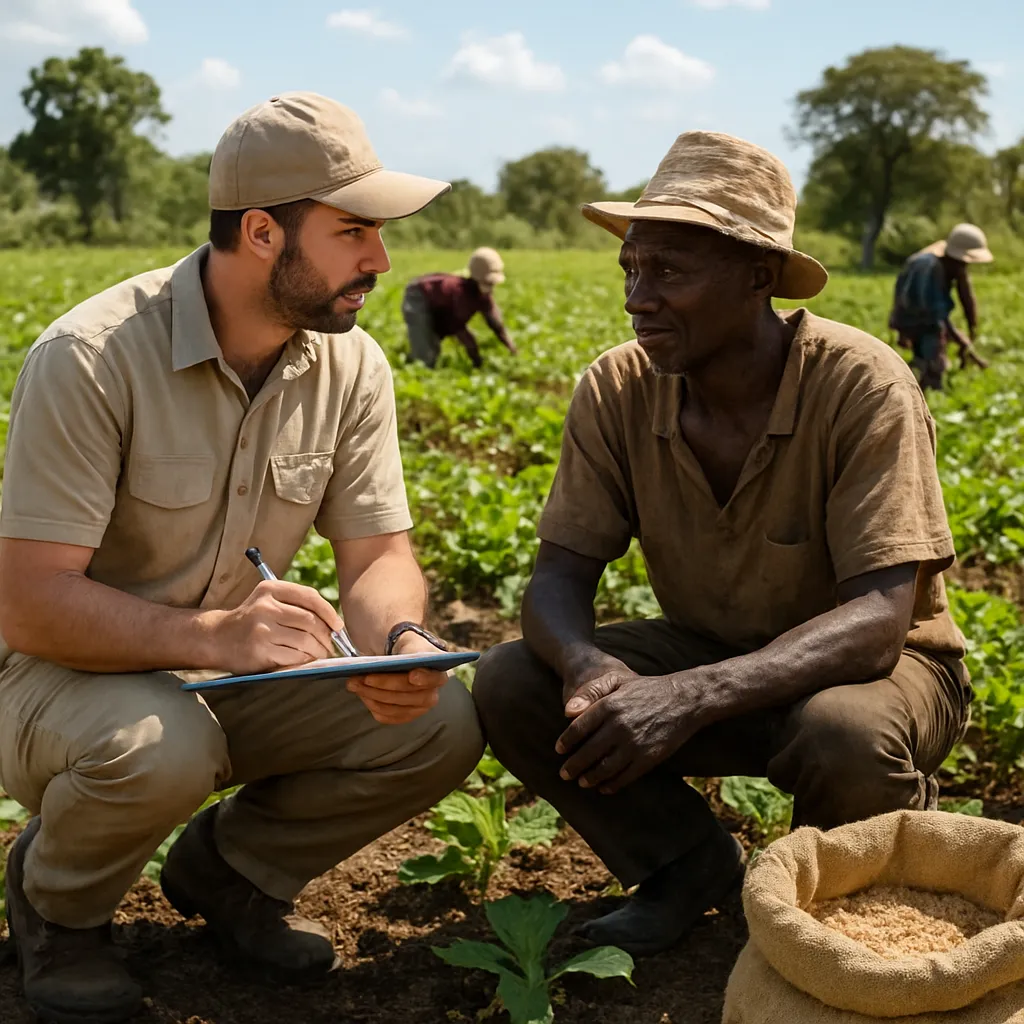
- While large-scale operations in developed markets rapidly integrate new tools, smallholder farmers in developing countries often lack the infrastructure to benefit.
- Collaborative initiatives and scalable solutions are essential to ensure inclusive growth and prevent widening inequalities.
Looking ahead, the convergence of technologies such as artificial intelligence, the Internet of Things, and advanced materials science promises even more radical shifts. From fully automated vertical livestock farms to smart packaging that indicates meat freshness, the next decade will likely bring unprecedented changes. Emphasizing collaboration among researchers, industry stakeholders, and policymakers will be critical to harness these innovations responsibly and equitably.