The Future of Farming: Will We Need More Farms or Fewer? explores the evolving landscape of agriculture amid shifting demographics, technological breakthroughs, and environmental pressures. This article delves into key factors that will determine whether global food production requires an expansion in farm acreage or a consolidation of resources into fewer but more efficient operations. By examining trends from the fields of innovation and sustainability, we shed light on a complex network of challenges and opportunities that will shape the farms of tomorrow.
Global Trends Reshaping Agriculture
Population Growth and Food Demand
By 2050, the world population is expected to reach nearly 10 billion, driving an unprecedented surge in demand for calories and protein. Estimates suggest that overall food production must increase by at least 60 percent to satisfy global needs. Traditional expansion—clearing forests and converting grasslands—carries severe risks for the ecosystem and biodiversity. Instead, stakeholders are exploring how to enhance yield on existing farmland through better practices and smart policy frameworks.
Urbanization and Land Use Competition
Cities continue to sprawl, consuming agricultural land at alarming rates. Urban growth poses a direct threat to prime farmland, especially in regions with high population density. Meanwhile, industrial development and infrastructure projects compete for the same tracts of soil that feed billions. The conflict between housing, transportation networks, and farming underscores the urgent need for innovative land-use planning and zoning regulations that protect the long-term viability of agriculture.
Innovations Transforming Farming Practices
Precision Agriculture
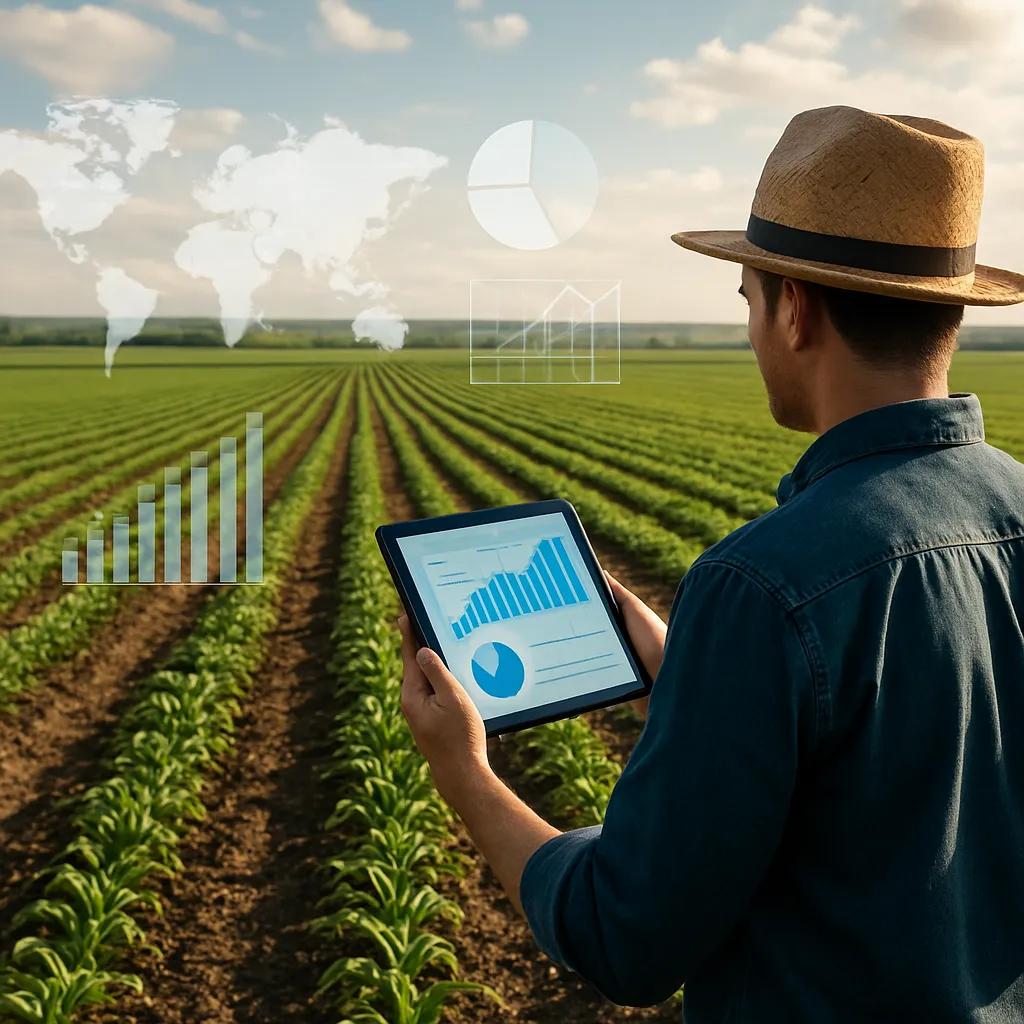
Precision agriculture harnesses advanced tools—GPS mapping, sensors, and drones—to monitor crop health, soil moisture, and nutrient levels in real time. By applying water and fertilizers only where needed, farms can boost productivity while reducing waste and runoff. This data-driven approach also improves decision-making, enabling farmers to react quickly to environmental stresses and potential pest outbreaks. Over time, precision techniques will empower both large-scale operations and family-owned farms to maximize output on limited land.
Vertical and Urban Farming
Indoor farming and vertical cultivation systems represent a paradigm shift, relocating food production closer to consumers. By stacking trays of leafy greens, herbs, and strawberries in climate-controlled warehouses, growers can achieve year-round harvests while using up to 95 percent less water than conventional fields. These high-tech facilities leverage LED lighting, hydroponics, and aeroponics to optimize growth cycles. Urban farms not only reduce transportation emissions but also bring fresh produce to underserved neighborhoods.
Biotechnologies and Genetic Advances
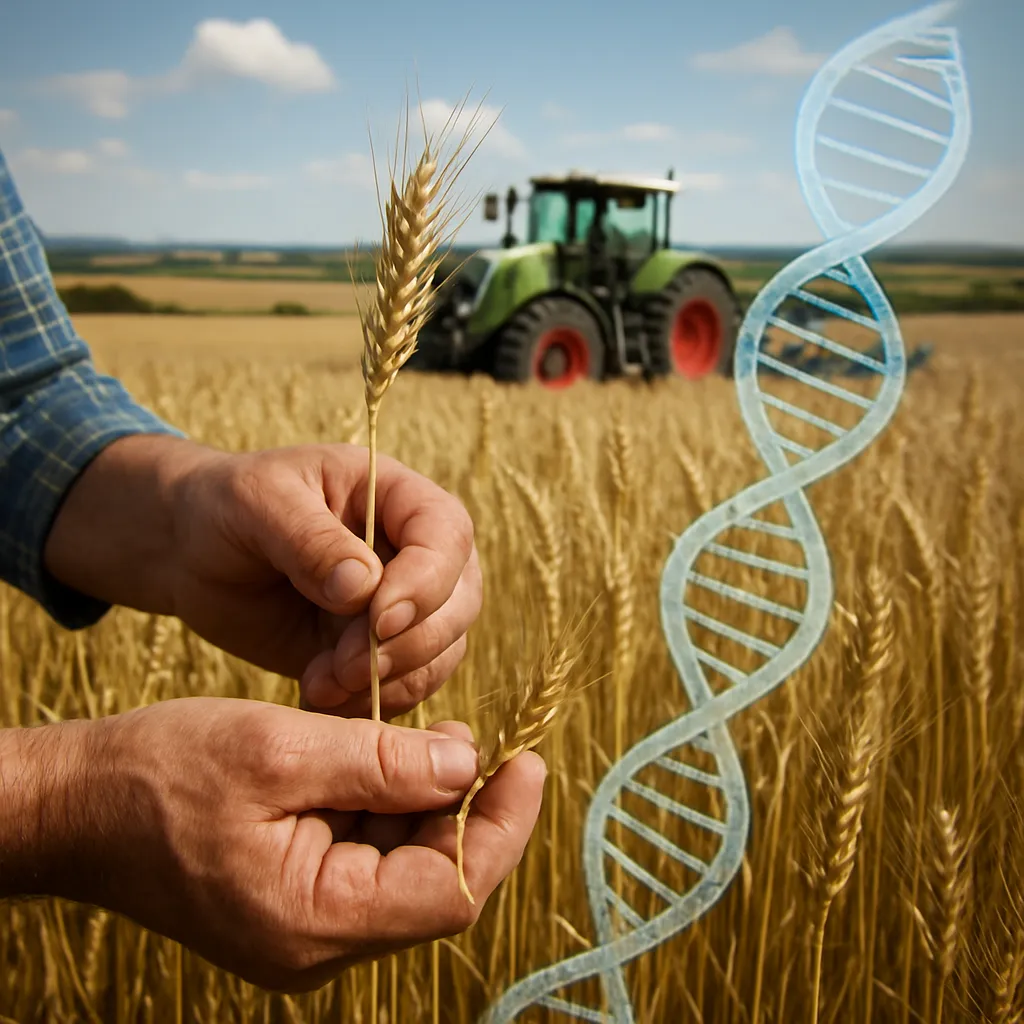
Modern breeding methods and genetic engineering are breakthroughs that promise crops with higher yields, enhanced nutritional profiles, and increased tolerance to drought or salinity. CRISPR gene-editing tools allow scientists to modify plants with precision, accelerating the development of resilient varieties. Through marker-assisted selection and transgenic approaches, researchers are building seeds that thrive in hostile climates, reducing reliance on chemical inputs and expanding the scope of cultivable land.
Sustainability and Environmental Impact
Climate Change Adaptation
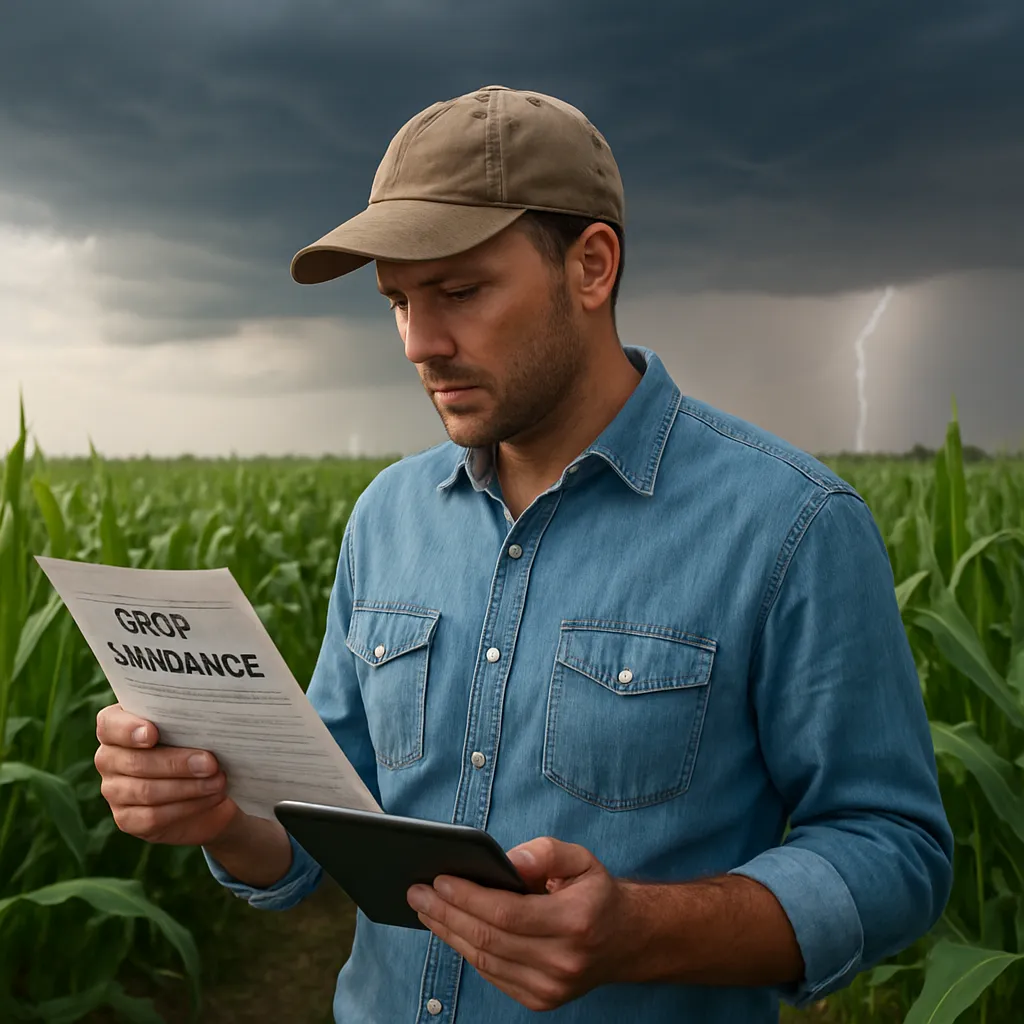
Rising temperatures, shifting precipitation patterns, and extreme weather events threaten to destabilize global food supply chains. Addressing these threats requires farms to adopt practices that build resilience. Agroforestry integrates trees and shrubs into croplands to buffer winds, improve soil health, and sequester carbon. Conservation tillage minimizes soil disturbance, preserving organic matter and moisture. Such climate-smart techniques help producers maintain yields under increasingly unpredictable conditions.
Water Management and Soil Health
Water scarcity afflicts many key agricultural regions. Efficient irrigation systems—drip lines, soil moisture sensors, and automated scheduling—ensure crops receive optimal hydration without excessive waste. At the same time, maintaining soil structure and fertility through cover cropping, crop rotation, and compost amendments prevents erosion and nutrient loss. These measures protect aquifers and rivers from pollution while bolstering long-term productivity on existing farms.
Policy and Economic Drivers
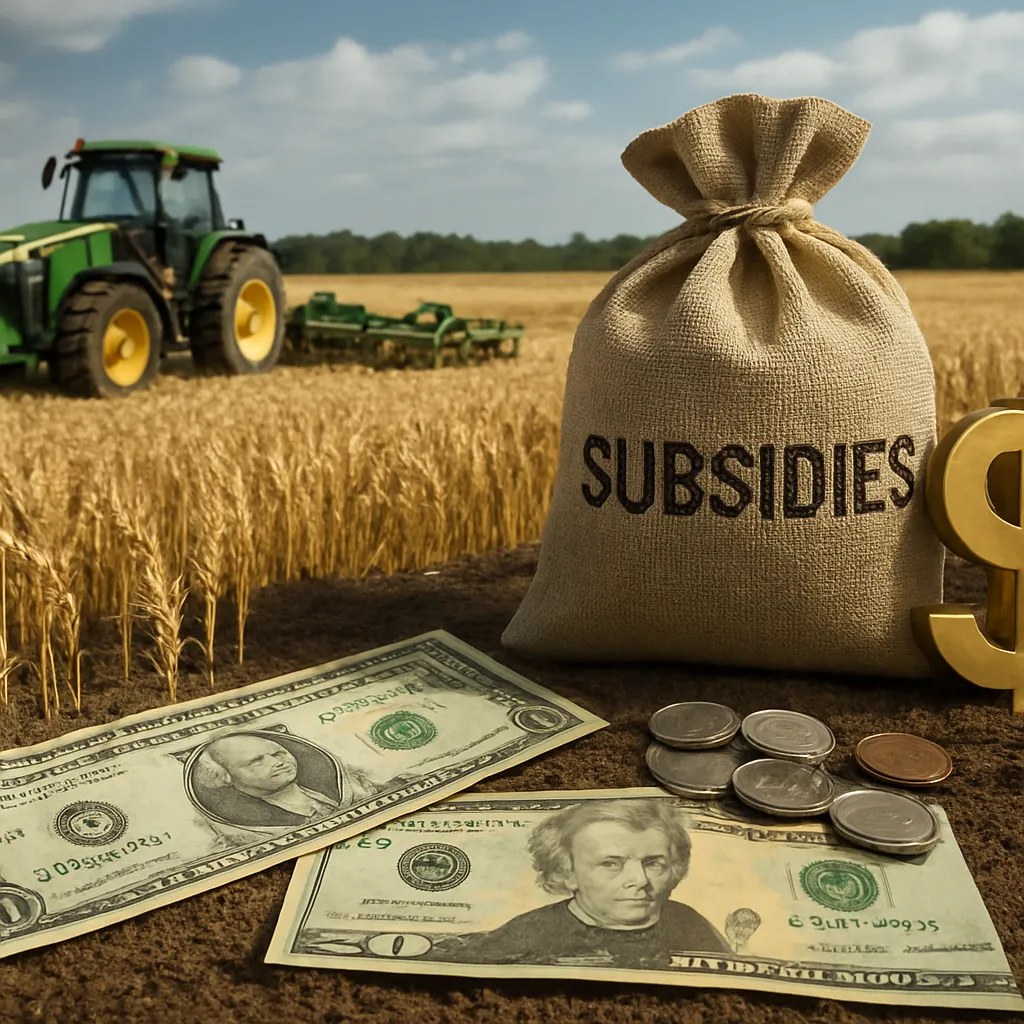
Government policies and market incentives heavily influence farm expansion or contraction. Subsidies for commodity crops can either encourage overproduction or lock farmers into unsustainable practices. Conversely, payments for ecosystem services reward land stewards who preserve wetlands, grasslands, and wildlife corridors. Trade agreements, tariffs, and supply chain regulations also shape where and how agriculture evolves. Balancing food security with environmental stewardship demands coherent strategies at local, national, and international levels.
Redefining the Future: More Farms or Fewer?
The debate over whether to increase the number of farms or enhance the efficiency of existing operations hinges on multiple trade-offs. Expanding farmland might yield short-term gains in production but risks irreversible habitat loss and carbon emissions. Conversely, intensifying current land use through technological adoption can meet rising demand with a smaller ecological footprint, yet may marginalize smallholders and concentrate power in the hands of agribusiness conglomerates.
- Sustainability: Emphasizing regenerative practices can improve long-term soil health and ecosystem services.
- Digitalization: Smart farming platforms offer real-time insights to optimize resource allocation, reducing inputs and costs.
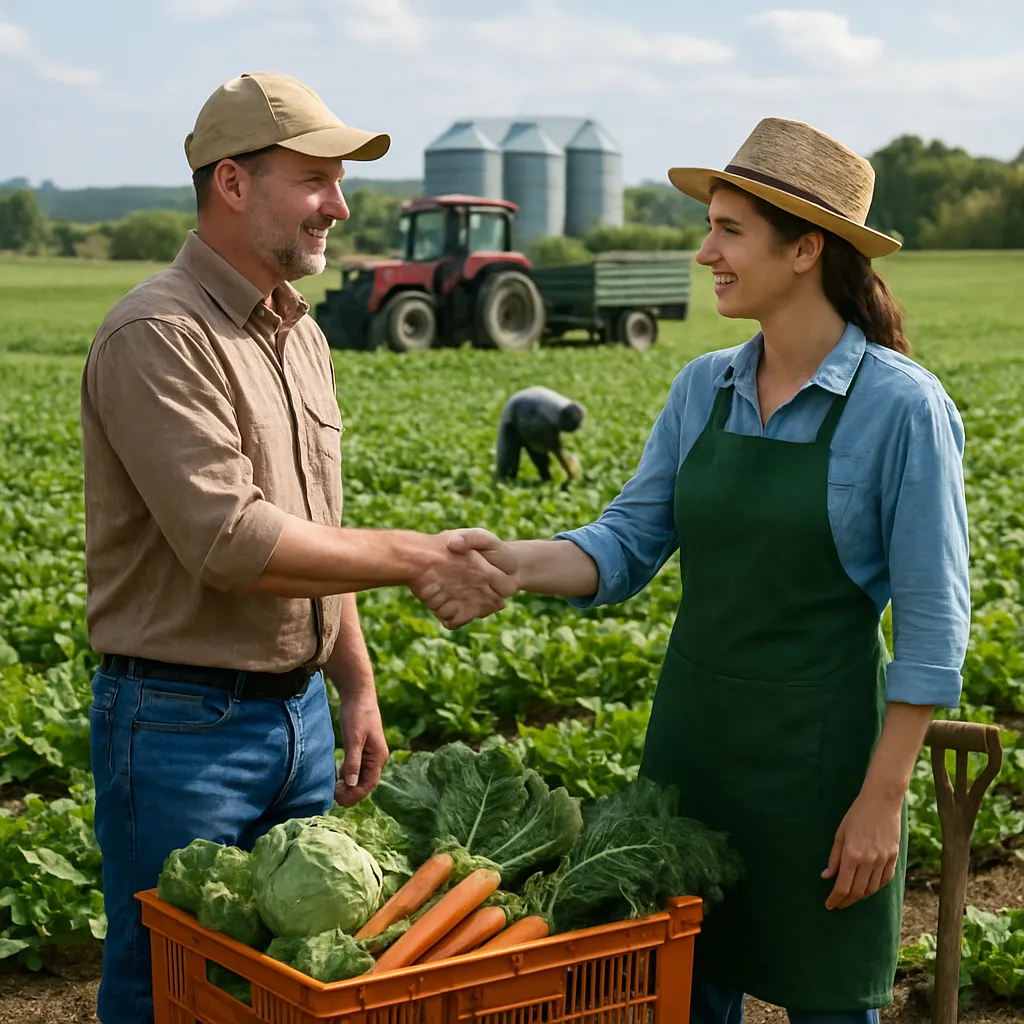
- Equity: Ensuring that small-scale and family farms benefit from emerging technologies is vital to rural livelihoods.
Ultimately, the optimal path will vary by region, crop type, and socioeconomic conditions. A hybrid approach that balances judicious expansion with radical efficiency gains may offer the best prospect for a secure, climate-resilient food system. Stakeholders—from policymakers to investors and farmer cooperatives—must collaborate to design frameworks that support both environmental integrity and human well-being. By aligning agricultural development with the principles of biodiversity and social inclusion, the future of farming can be both productive and equitable.