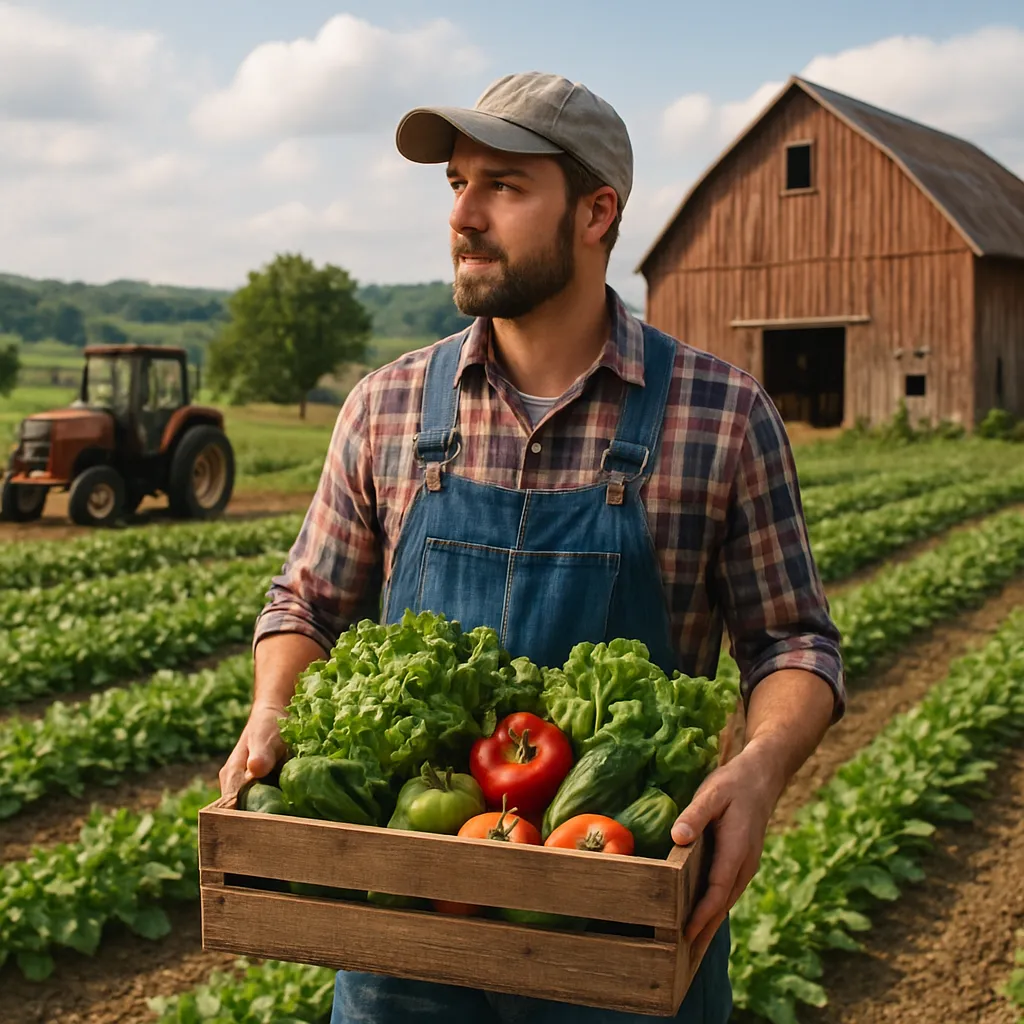
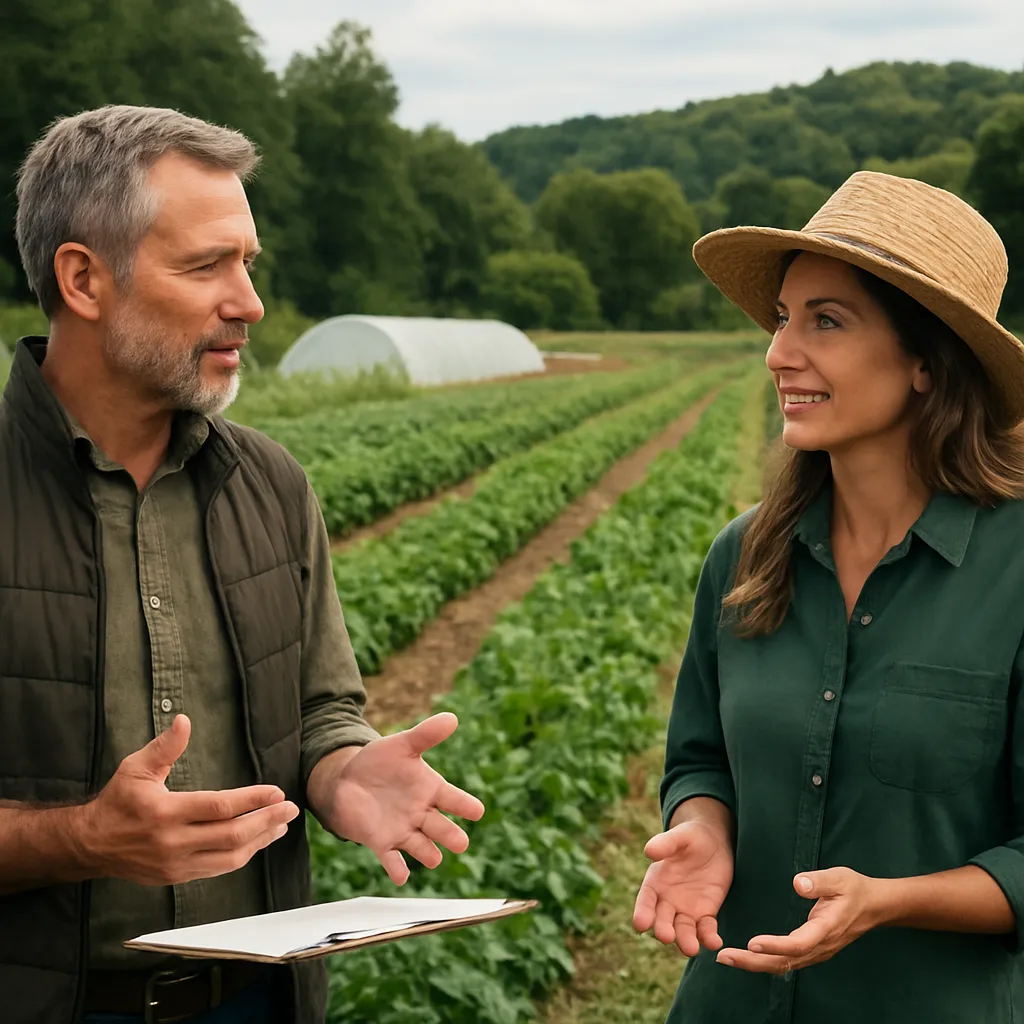
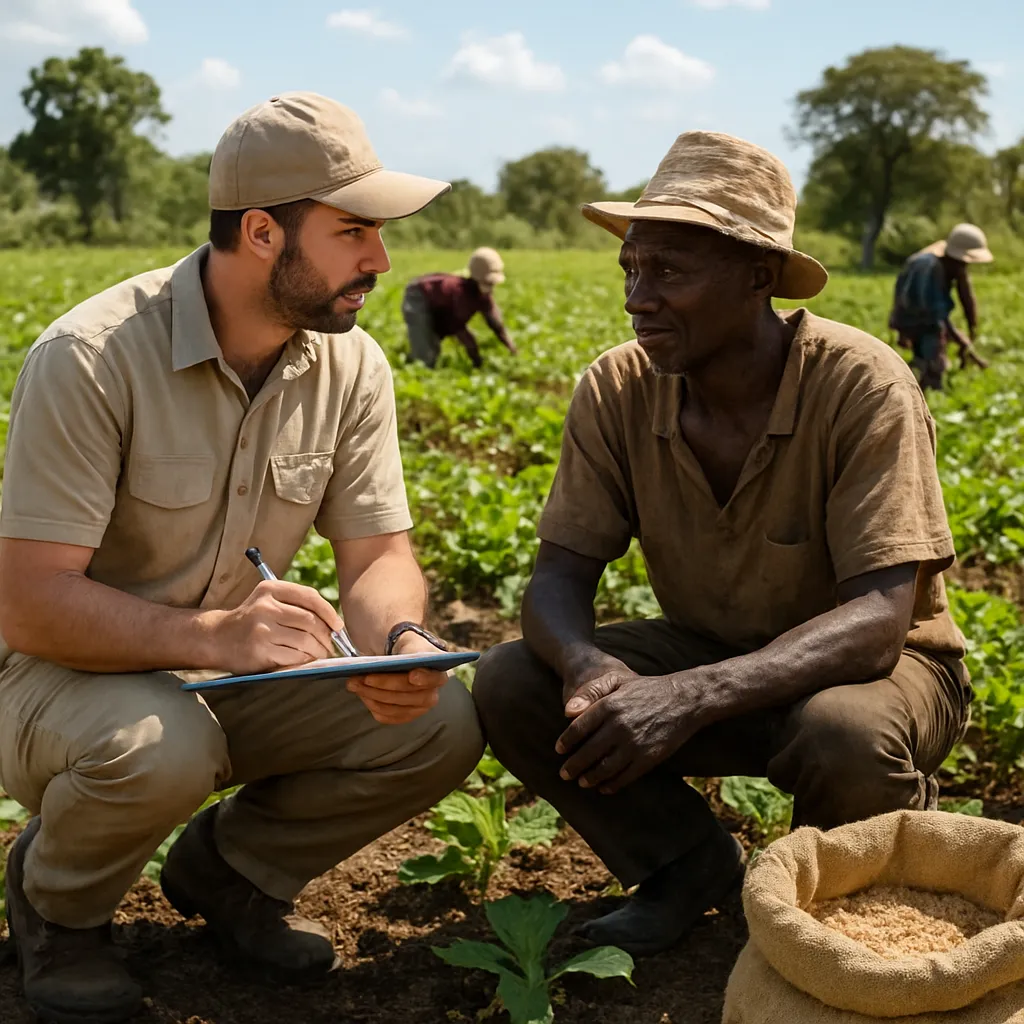
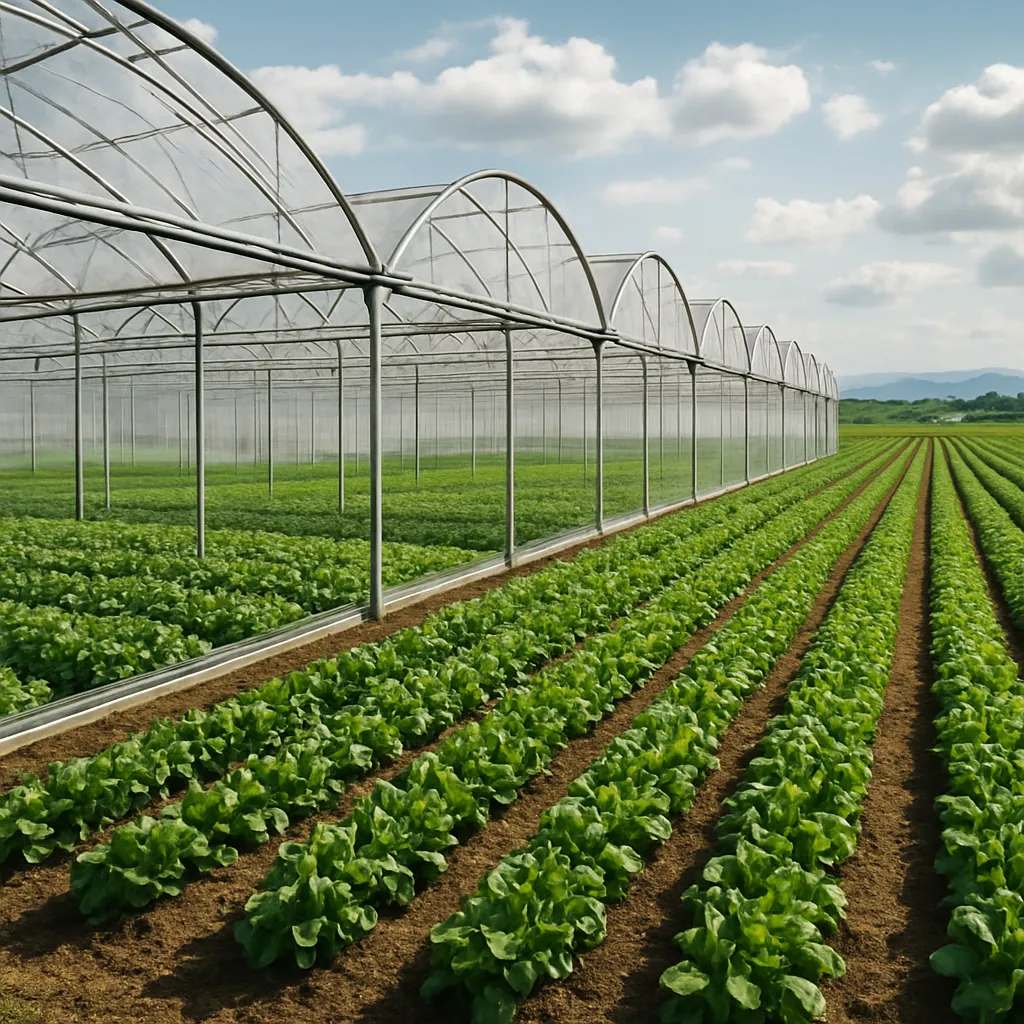
Agriculture is undergoing a remarkable transformation as farmers and researchers embrace cutting-edge solutions to boost productivity, conserve resources and address global challenges. From sprawling fields in North America to vertical farms in Asia, cutting-edge technologies are reshaping the ways we grow, monitor and distribute food. This article explores key developments across the spectrum of global farming practices, highlighting how digital tools, advanced machinery and novel cultivation methods are converging to drive a more sustainable and resilient food system.
Precision Agriculture and Smart Machinery
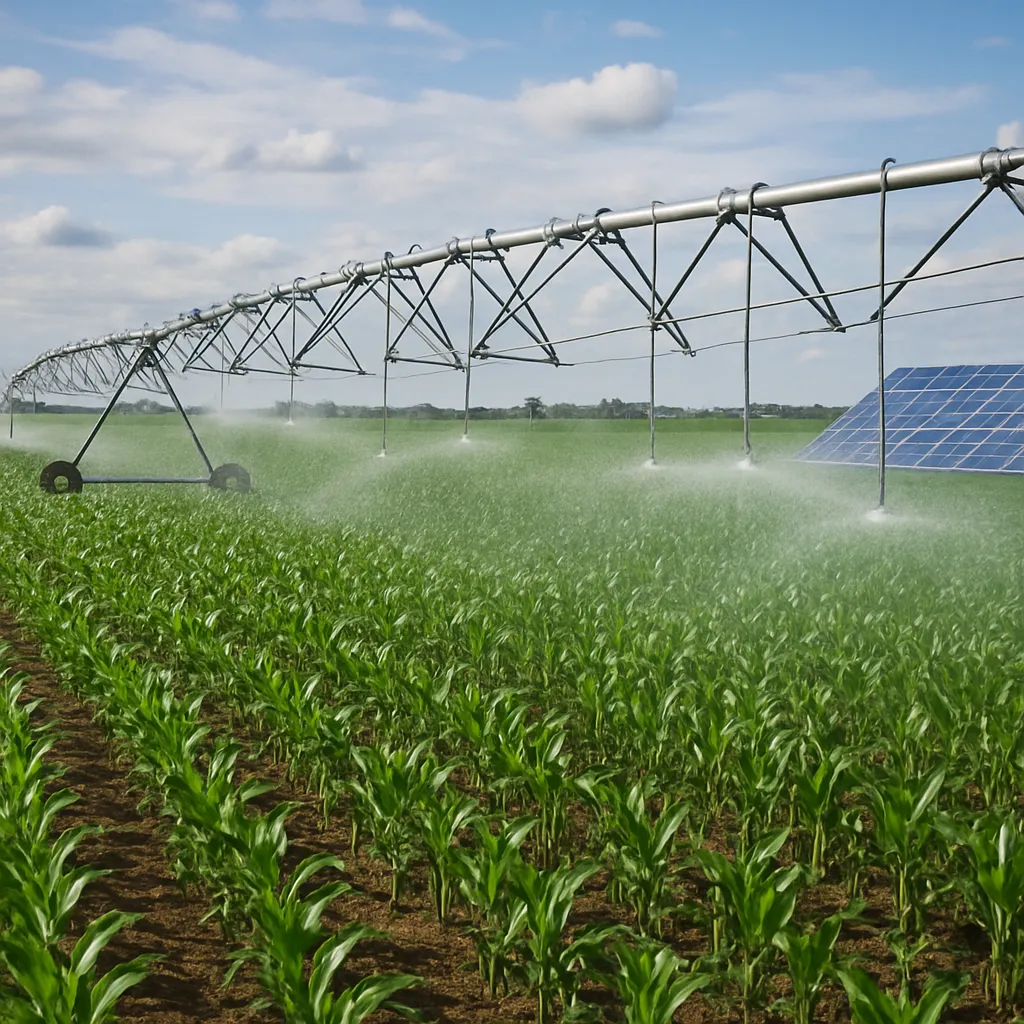
The era of one-size-fits-all farming is fading. With satellite positioning, sensor networks and machine learning, farmers now tailor inputs such as water, fertilizer and pesticides to the micro-needs of each plot and even individual plants. This approach drastically improves efficiency while minimizing environmental impact.
GPS-Guided Equipment and Variable Rate Technology
GPS-guided tractors and implements automatically adjust their course with centimeter-level accuracy. Variable Rate Technology (VRT) enables equipment to deposit exactly the right amount of seed or nutrient along each row. Benefits include:
- Reduced overlap, cutting fuel and input costs by up to 20%
- Enhanced yield consistency through uniform planting depth and density
- Lower chemical runoff, preserving soil and water quality
IoT Sensors for Soil and Crop Monitoring
Deploying networks of Internet of Things devices, farmers can track soil moisture, temperature, pH and nutrient levels in real time. Connected probes relay data to cloud platforms where analytics models forecast irrigation schedules and fertilizer needs. By responding to live conditions, growers achieve higher yield stability and conserve precious water resources, fostering resilience against drought and unpredictable weather events.
Vertical Farming and Controlled-Environment Agriculture
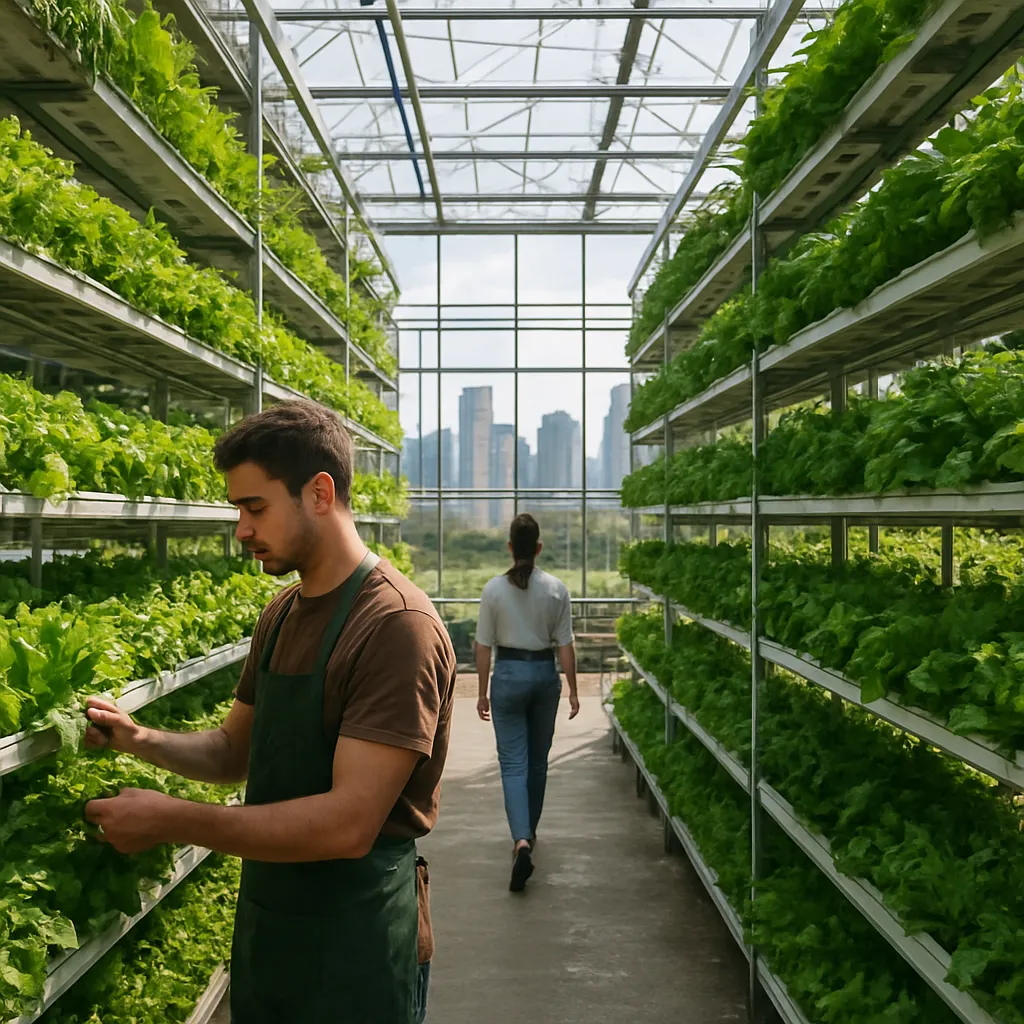
As urban populations swell, land scarcity and supply chain disruptions challenge conventional agriculture. Controlled-environment systems such as vertical farms and greenhouses offer a solution by decoupling plant growth from external weather and geography.
Hydroponics, Aeroponics and Beyond
Hydroponic systems immerse roots in nutrient-rich water, while aeroponics mist them in fine droplets. These soil-free methods accelerate growth cycles and allow year-round production. Key advantages include:
- Up to 90% less water usage compared to field farming
- No need for herbicides or pesticides, thanks to sealed environments
- Tight control over nutrient composition, boosting taste and nutritional value
Advanced Lighting and Climate Controls
High-efficiency LED fixtures simulate optimal sunlight spectra, promoting photosynthesis around the clock. Integrated climate systems regulate humidity, CO2 concentrations and air flow. Combined with AI-driven algorithms, these technologies maintain conditions that maximize yield per square meter and reduce energy consumption.
Data-Driven Decision Making and Artificial Intelligence
At the heart of modern farming lies the capacity to collect vast streams of information and turn them into actionable insights. Cloud computing, AI and big data platforms support sophisticated models that predict pest outbreaks, optimize planting schedules and refine supply chains.
Predictive Analytics and Crop Modeling
Machine learning algorithms ingest inputs from satellite imagery, weather stations and ground sensors to forecast crop health and yield with unprecedented accuracy. Farmers receive alerts on potential disease hotspots or nutrient deficiencies, allowing preemptive interventions that safeguard harvests and reduce waste.
Blockchain for Traceability and Fair Trade
Distributed ledger technology ensures transparent, tamper-proof records of each product’s journey from seed to plate. Stakeholders across the supply chain—farmers, processors, retailers and consumers—gain confidence in provenance claims, quality standards and fair-trade certifications.
Robotics and Automation Revolutionizing Labor
Labour shortages and rising wage bills have spurred the adoption of automated equipment capable of planting, weeding and harvesting with minimal human oversight. Robotics not only tackle repetitive tasks but also perform delicate operations that surpass human precision.
Autonomous Tractors and Harvesters
Driverless vehicles equipped with advanced vision systems can navigate fields at night, operate in low light and adjust to changing terrain. These machines follow pre-programmed routes or learn optimal paths through reinforcement learning, boosting field coverage while reducing soil compaction.
Picking Robots and Smart Sorting Lines
Robotic arms fitted with machine-vision cameras identify ripe fruits and vegetables, picking them gently to avoid bruising. At packing facilities, automated lines grade produce by size, color and quality, enhancing supply chain throughput and reducing labor costs.
The Role of Connectivity and Collaboration
Internet connectivity is the backbone of modern agriculture. Rural broadband expansion and low-power wide area networks (LPWAN) enable remote monitoring and control of equipment even in the most isolated regions. Farmers can collaborate across continents, sharing best practices and data sets that drive continuous innovation.
- Online platforms connect growers with agronomists, allowing real-time consultations and remote troubleshooting.
- Collaborative research networks pool sensor data to refine models of pest migration and climate impact.
- Mobile apps empower smallholders in developing nations to access market prices, weather forecasts and microcredit services.
Emerging Trends and Global Impacts
Looking ahead, biotechnology breakthroughs such as gene editing and synthetic biology promise crops with enhanced nutrition, pest resistance and adaptation to extreme climates. Meanwhile, renewable energy integration—solar panels over canals, wind turbines on ranchland—will further decarbonize agricultural operations.
Ultimately, the fusion of precision tools, advanced machinery and data-centric management is charting a path toward a future where farms are not only more efficient but also more ecologically balanced. These innovations hold the key to meeting the world’s growing food demands while safeguarding the planet for generations to come, strengthening our collective resilience and ensuring lasting sustainability.