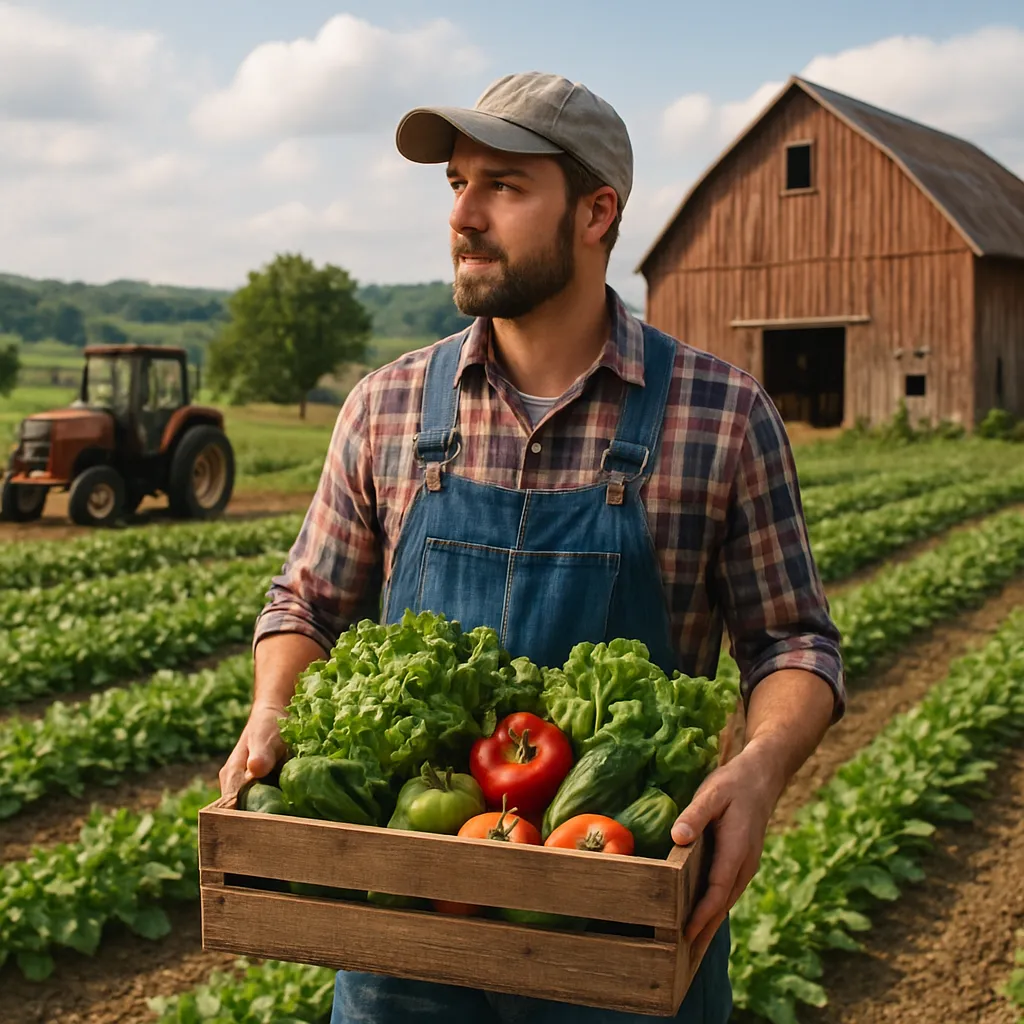
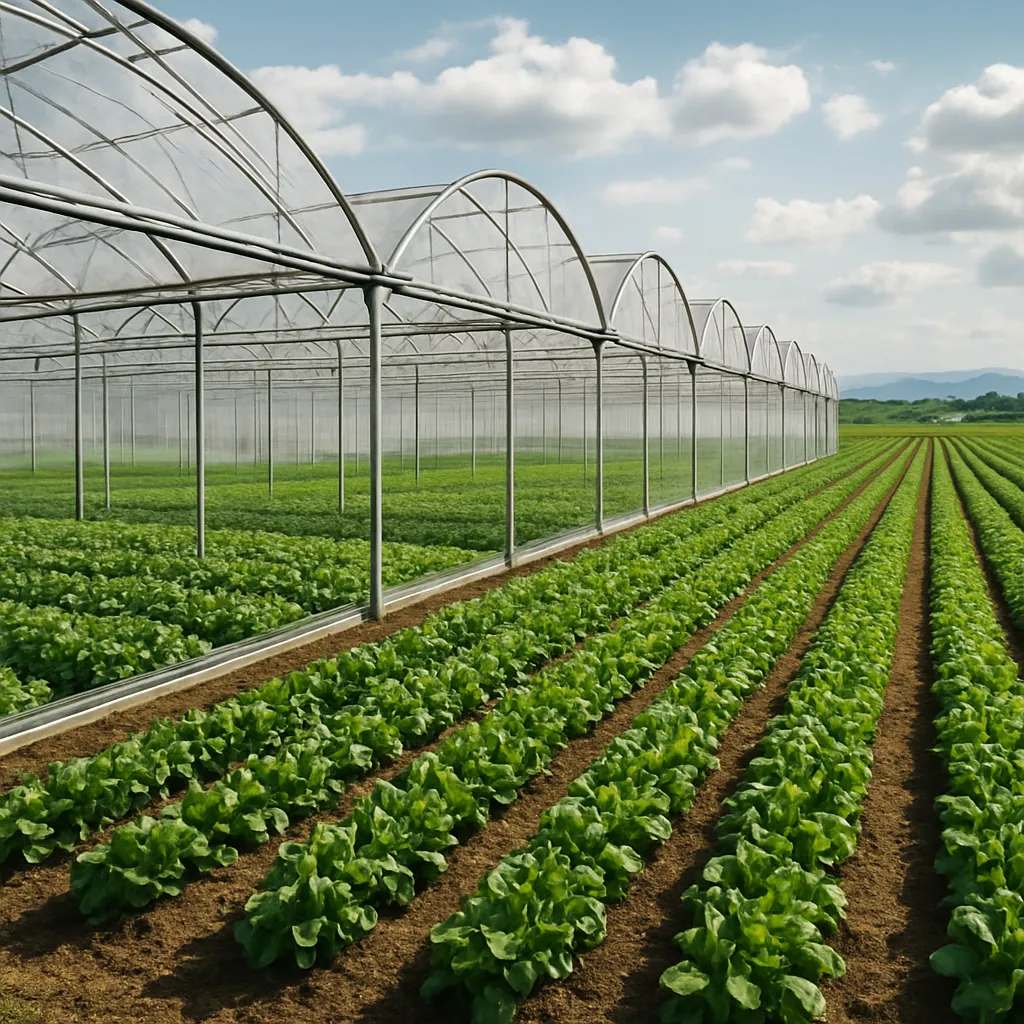
As the world grapples with the mounting challenge of feeding a population set to exceed ten billion by 2050, the advent of automation in agriculture has sparked both hope and debate. While traditional farming methods have served communities for millennia, they now face unprecedented pressure from climate change, resource scarcity, and labor shortages. This article explores how cutting-edge technologies could reshape cultivation, livestock management, and supply chains in pursuit of a more sustainability-driven future—one capable of addressing the global food crisis without compromising ecological integrity.
Technological Innovations Transforming Agriculture
Robotic Harvesters and Planting Systems
Advances in robotics have led to the development of autonomous tractors, seeders, and harvesting machines that can work 24/7 with minimal human supervision. Using a combination of GPS mapping, computer vision, and real-time data analytics, these machines can plant seeds at optimal depths, monitor crop health, and harvest produce with precision—drastically reducing waste and labor costs. For example, berry-picking robots are now capable of distinguishing ripe fruit from unripe, ensuring that only the best quality berries reach the market.
Artificial Intelligence and Data-Driven Decisions
Artificial intelligence platforms collect data from soil sensors, weather stations, and satellite imagery to deliver actionable insights. By applying machine-learning algorithms, farmers can predict pest outbreaks, optimize irrigation schedules, and perform nutrient management tailored to each field. This level of precision not only enhances yields but also contributes to better resource allocation, cutting down on water usage and fertilizer runoff.
Socioeconomic Impact on Rural Communities
Labor Dynamics and Skill Shifts
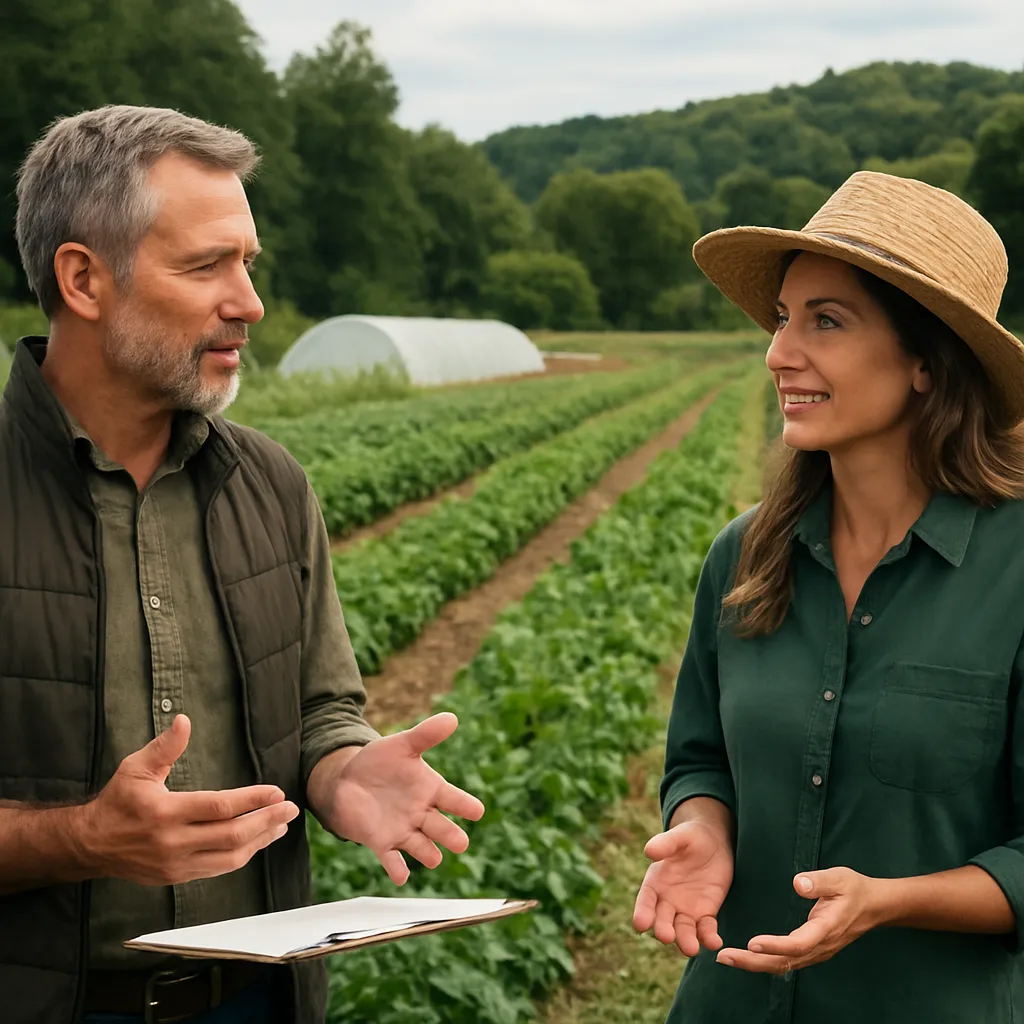
The transition to automated systems inevitably alters labor demands in agricultural regions. While repetitive, physically demanding tasks may be overtaken by machines, new roles will emerge that require technical expertise—such as maintenance of drones, programming of autonomous vehicles, and analysis of agronomic data. Vocational training programs are thus crucial to equip workers with the skills needed to operate and supervise high-tech equipment, ensuring that rural populations share in the benefits of innovation rather than being displaced by it.
Enhancing Farm Efficiency and Resilience
Smaller farms often struggle with narrow profit margins. Automated systems can level the playing field by enabling precise input application—water, fertilizers, and pesticides—only where and when they are needed. This approach minimizes costs and environmental impact while improving crop quality. Moreover, equipment that monitors soil moisture and weather conditions in real time can help farms rapidly adapt to extreme events, strengthening their overall resilience.
Environmental Benefits and Concerns
Reducing Chemical Use through Precision Farming
Traditional blanket spraying of fertilizers and pesticides not only leads to runoff and waterway pollution but also increases production costs. Precision farming systems, guided by soil and crop sensors, ensure that chemicals are applied judiciously. This targeted approach reduces excess application by up to 30%, safeguarding nearby ecosystems and cutting greenhouse gas emissions associated with fertilizer production.
Water Conservation and Increased Yield
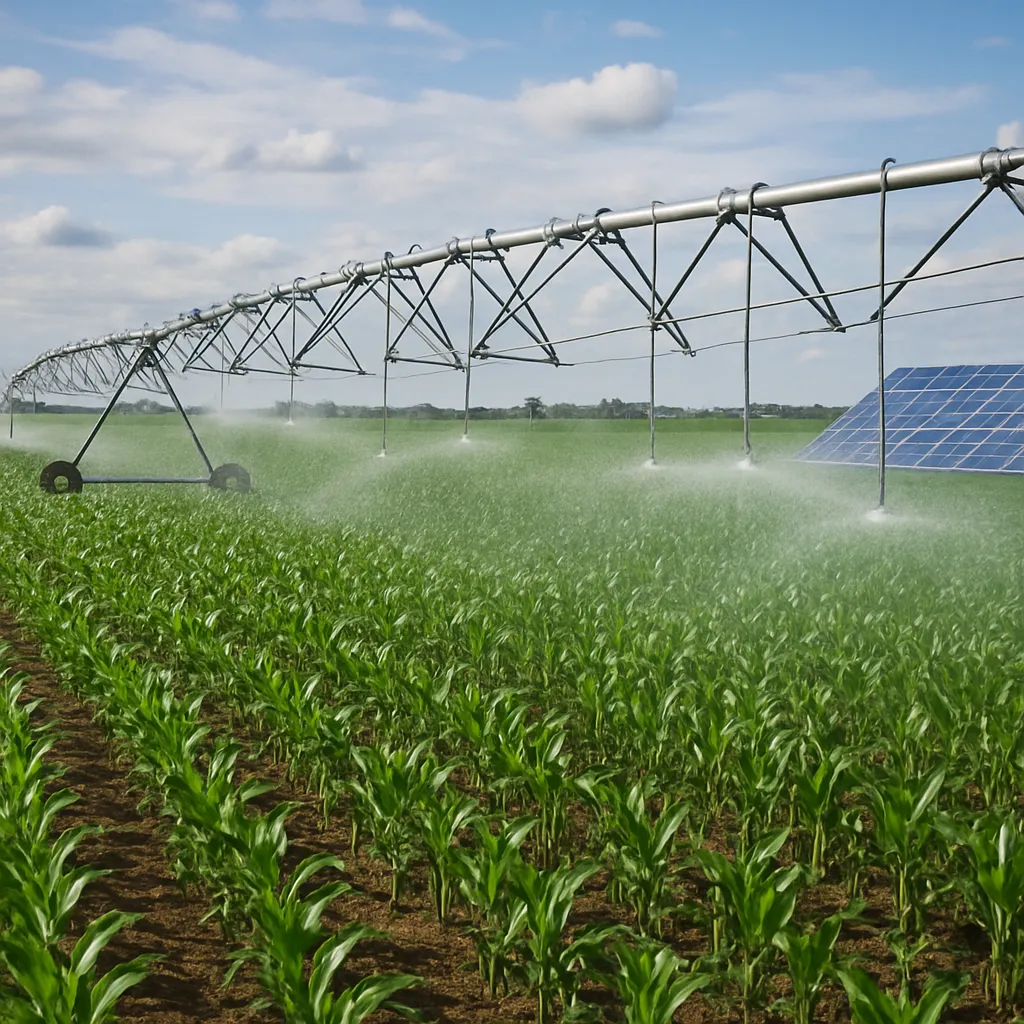
Dwindling freshwater resources demand smarter irrigation practices. Automated drip and pivot systems, linked to soil moisture probes, deliver water directly to root zones only when needed. Such innovations have been shown to boost yields by as much as 25% in arid regions while using 40% less water compared to conventional flood irrigation.
Global Case Studies of Automated Farming
Vertical Farms in Urban Landscapes
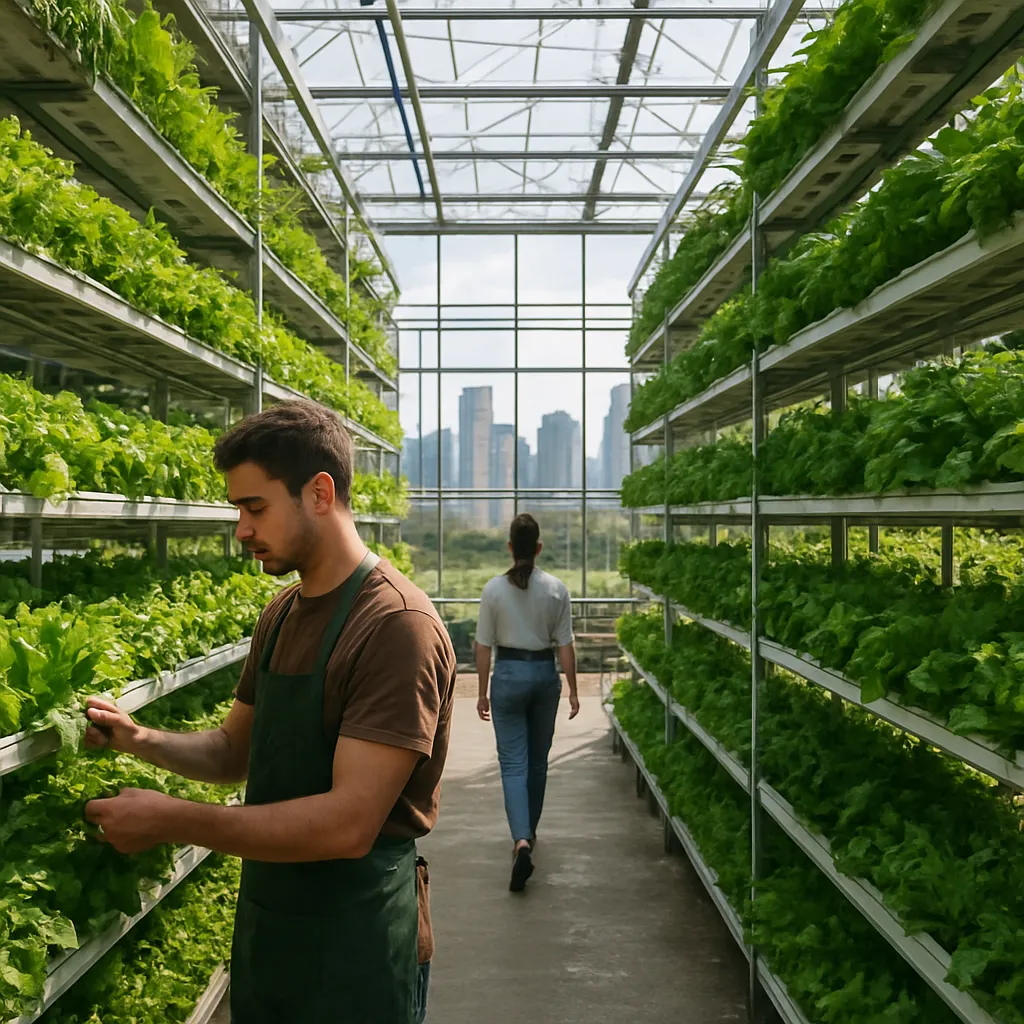
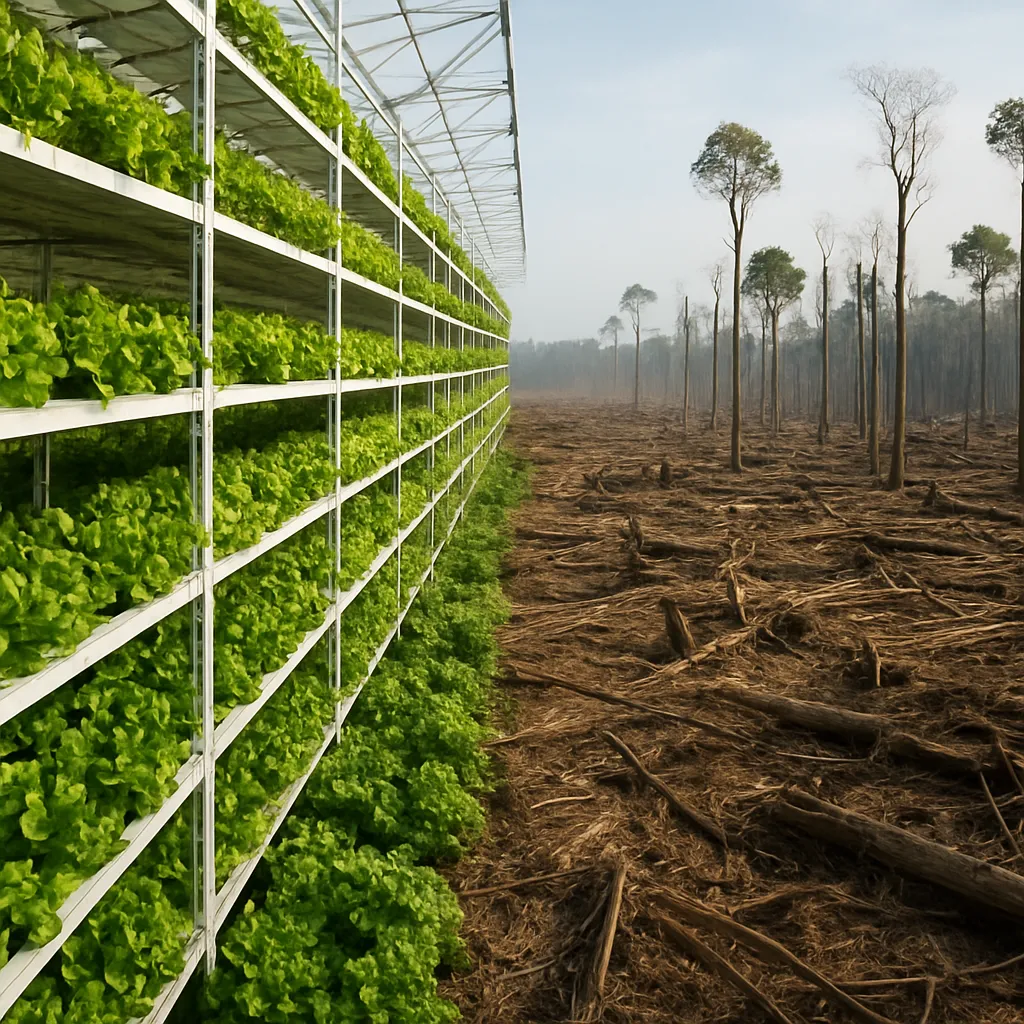
In megacities from Singapore to New York, vertical farms leverage hydroponics, LED lighting, and climate control systems to grow leafy greens and herbs year-round. These indoor setups rely on conveyor belts and robotic arms to manage planting, harvesting, and packaging. By situating production closer to consumers, they slash transport emissions and deliver fresher produce.
Precision Rice Cultivation in Asia
In parts of Southeast Asia, drone fleets equipped with multispectral cameras and spraying nozzles are revolutionizing rice cultivation. They can map fields in minutes, identify areas of stress, and apply micronutrient solutions with pinpoint accuracy. Local farmers report up to a 20% reduction in chemical use alongside a noticeable rise in grain quality.
Future Challenges and Opportunities
Regulatory and Ethical Considerations
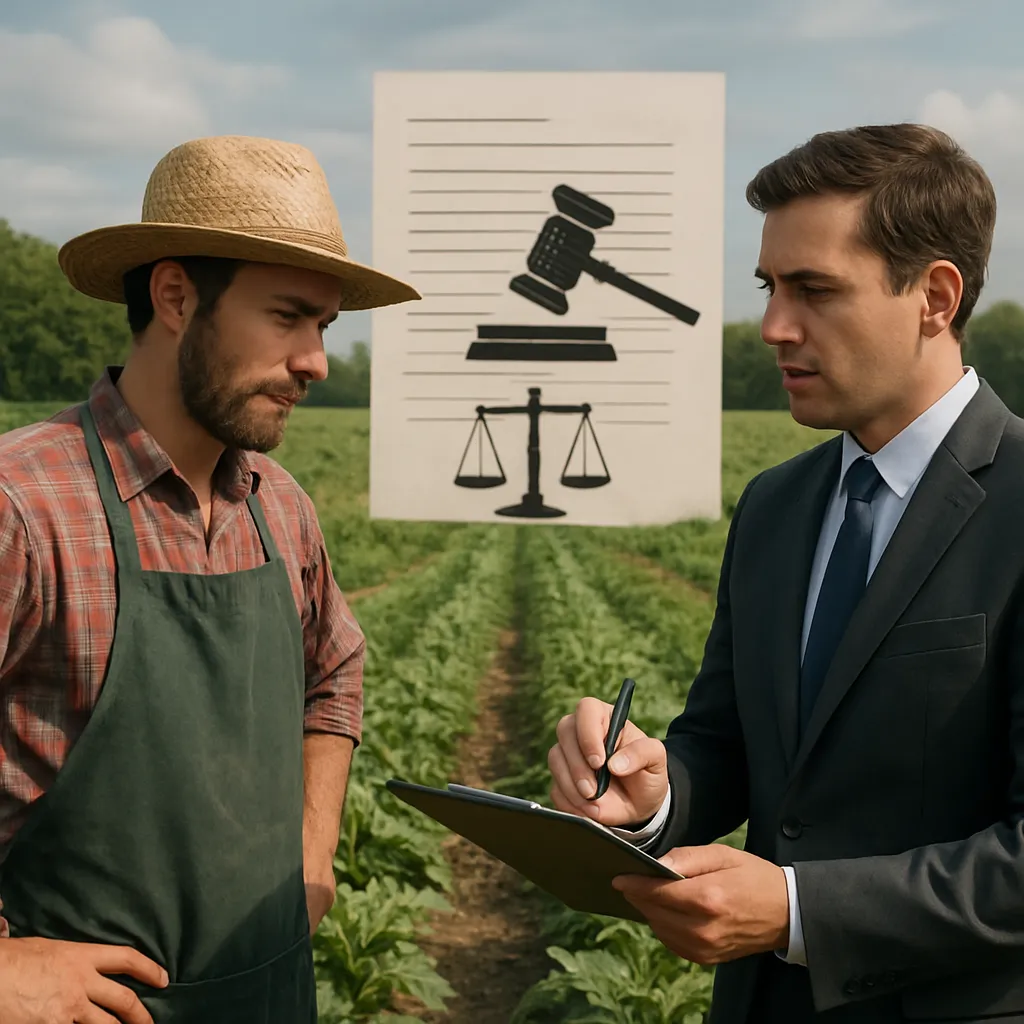
The widespread adoption of automation raises questions about data ownership, privacy, and the ethical use of AI. Clear guidelines will be needed to govern how farm-generated data is shared among equipment manufacturers, agronomists, and supply chain partners. Regulations must also address concerns about machine failures or cyberattacks that could disrupt food production.
Scaling Up and Ensuring Equity
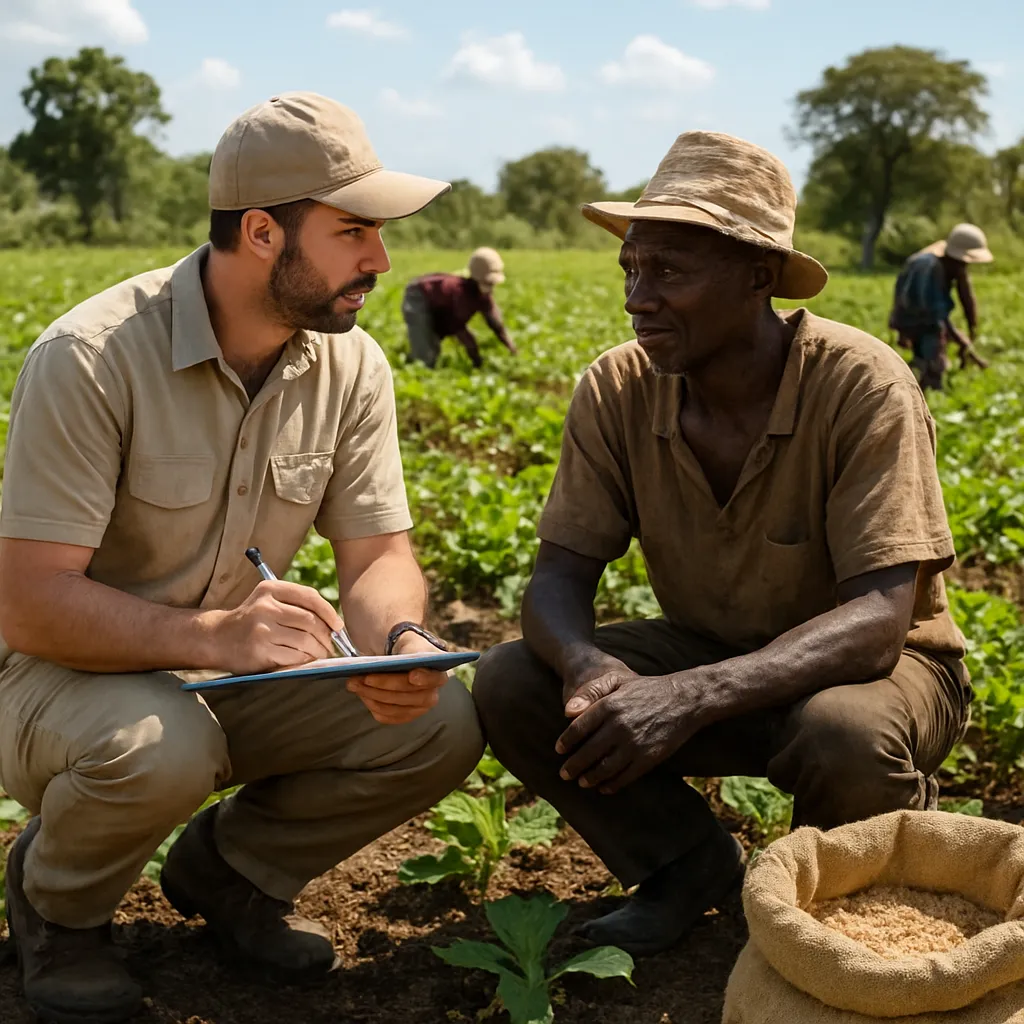
While large agricultural enterprises may quickly capitalize on the latest technologies, it is essential to ensure that smallholder farmers around the globe also gain access to affordable solutions. Public–private partnerships, microfinancing, and cooperative models can help distribute automated equipment and training, fostering a more inclusive and sustainability-focused agricultural transformation.