Agriculture in Africa stands at a crossroads, where centuries-old traditions meet cutting-edge advancements. As the continent navigates unprecedented demographic growth, shifting climate patterns, and evolving global markets, farming systems must adapt to ensure food security and economic prosperity. This article examines key opportunities and challenges shaping the future of African agriculture, highlighting strategies for achieving sustainable and resilient food systems.
Opportunities for Sustainable Growth
The African continent boasts vast arable land, a young workforce, and rich biodiversity, presenting a unique platform for transformative change. Unlocking this potential requires targeted investments and innovative approaches that empower farmers, particularly smallholder producers who account for the majority of agricultural output in many countries.
1. Harnessing Climate-Smart Practices
Adopting climate-smart techniques can lead to higher yields while preserving natural resources. Examples include:
- Conservation agriculture—minimum tillage and cover cropping to maintain soil health
- Agroforestry systems that integrate trees and crops to increase biodiversity and sequester carbon
- Water harvesting methods—rainwater tanks and contour bunds to boost resilience during dry spells
2. Expanding Access to Finance and Inputs
Financial inclusion remains a major barrier for many farmers. Tailored loan products, mobile banking solutions, and input voucher schemes can facilitate the uptake of improved seeds, fertilizers, and implements. Institutions that leverage digital platforms are especially well-positioned to reach remote communities and monitor loan performance in real time.
Climate and Environmental Challenges
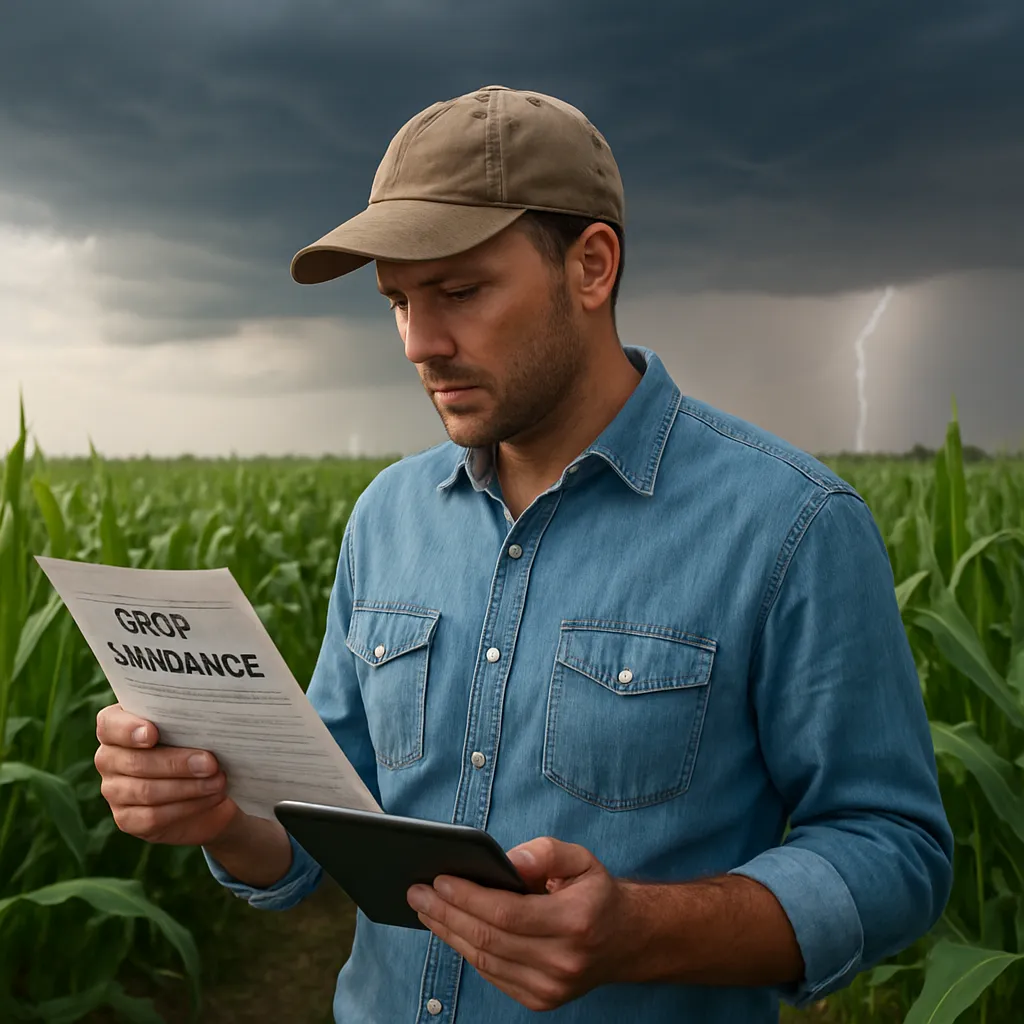
Despite the promise of green growth, several obstacles threaten the agriculture sector’s stability. Rising temperatures, erratic rainfall, and land degradation pose existential risks to rural livelihoods if left unaddressed.
1. Drought and Desertification
Large swathes of the Sahel and Horn of Africa experience recurrent droughts that decimate crops and overwhelm pastoral systems. Combatting resilience deficits involves:
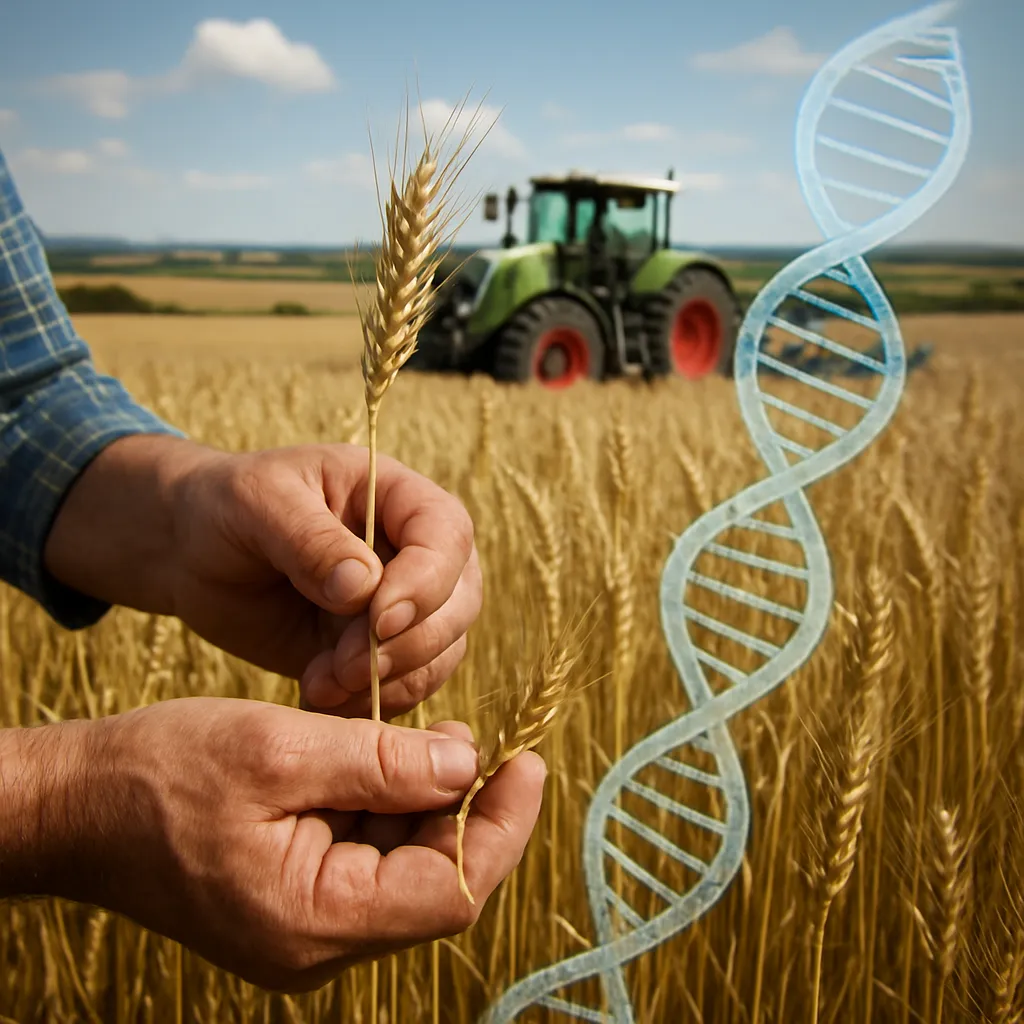
- Developing drought-resistant crop varieties through participatory breeding programs
- Promoting mixed farming—integrating livestock with cropping to diversify income sources
- Restoring degraded rangelands via reseeding native grasses and rotational grazing schemes
2. Flooding and Soil Erosion
In coastal and riparian zones, intensified rainfall events lead to flooding and nutrient-rich topsoil loss. Infrastructure interventions—such as retention ponds, riprap embankments, and terracing—can mitigate these impacts. Coupled with community-driven land use planning, these measures reduce vulnerability while enhancing food security.
Technological and Infrastructure Innovations
Digital transformation is revolutionizing the way farmers access information, manage assets, and connect with markets. Embracing new technologies can elevate productivity and optimize resource allocation across diverse agroecological zones.
1. Precision Agriculture and Data Analytics
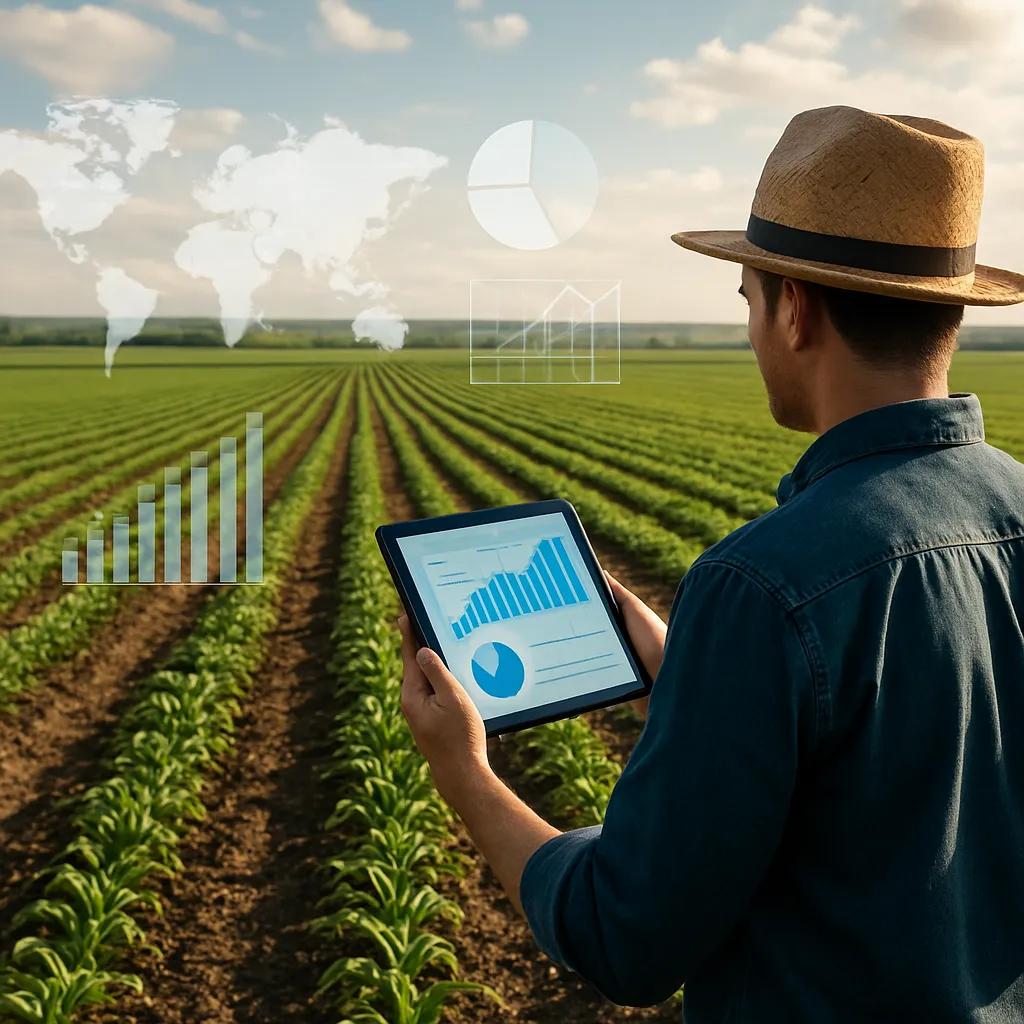
Satellite imagery, drones, and sensors enable real-time monitoring of crop health, soil moisture, and pest infestations. By applying analytics, agronomists can prescribe site-specific interventions, reducing waste and maximizing productivity. Pilot projects in East Africa demonstrate yield gains of 20–30% through variable-rate fertilizer application guided by remote sensing data.
2. Mobile Platforms and E-Extension Services
Smartphone penetration has opened doors for digital advisory services. Farmers receive:
- Weather forecasts and early warning alerts
- Agroecological best practices via video tutorials
- Market price updates and trading forums
These platforms foster knowledge exchange, empowering rural communities to make informed decisions and negotiate fair terms with buyers.
3. Mechanization and Shared Equipment Hubs
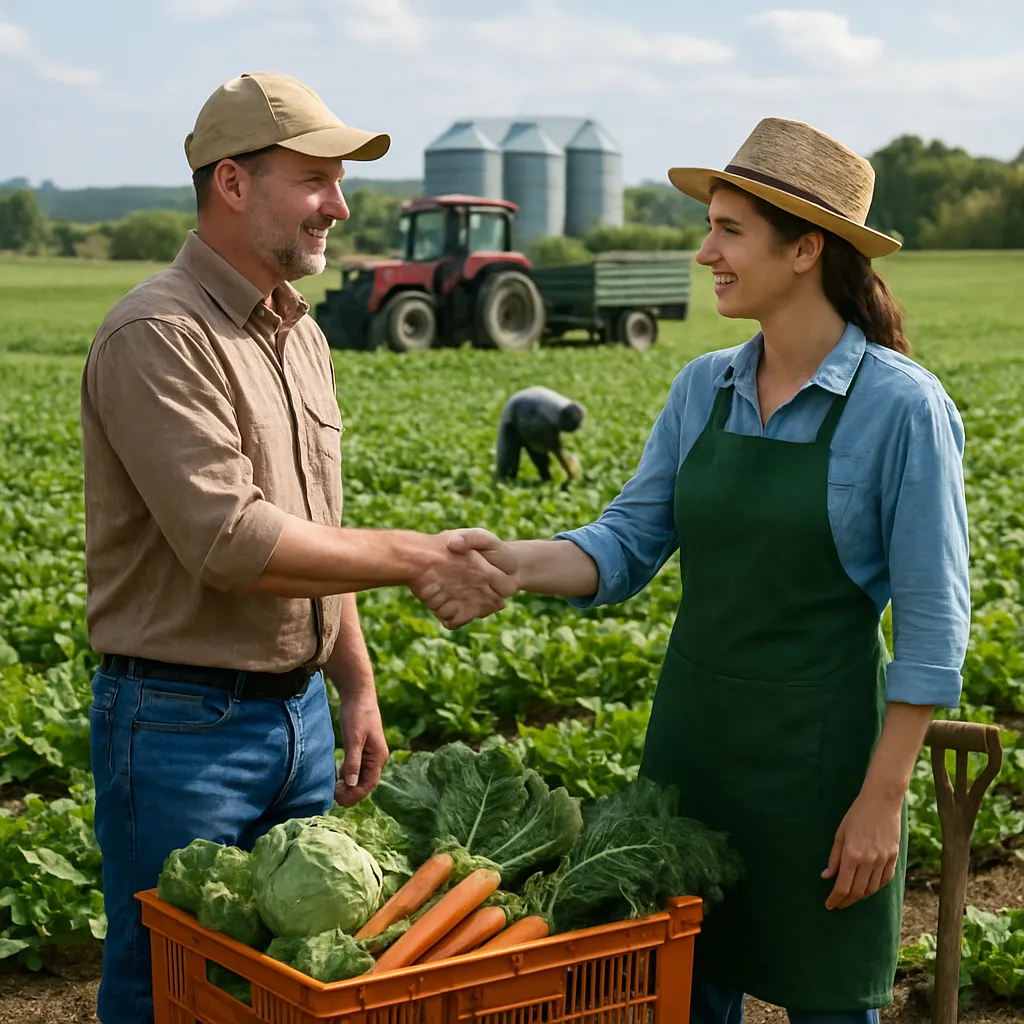
Custom hiring centers allow smallholders to rent tractors, planters, and harvesters at affordable rates. Shared access to mechanization drives down labor costs while increasing operational efficiency. Local cooperatives manage these hubs, ensuring equipment maintenance and training for operators.
Market Access and Agribusiness Development
Transforming primary agricultural commodities into higher-value products is crucial for rural income growth. Strengthening value chains and fostering agribusiness enterprises can create jobs, reduce post-harvest losses, and enhance export competitiveness.
1. Post-Harvest Management and Processing
Grain storage solutions, such as hermetic bags and community silos, limit spoilage from pests and moisture. On-farm processing units produce flour, oils, and preserves, capturing more value locally. Public-private partnerships can finance small-scale processing plants, with technical assistance from development agencies.
2. Regional Trade and Value Chain Integration
Harmonizing trade regulations, reducing tariff barriers, and investing in cross-border logistics corridors unlock regional markets for staples like maize, cassava, and pulses. Improved roads, inland waterway services, and rail links cut transport times and lower transaction costs. As integration deepens, farmers gain access to larger consumer bases and diversified income streams.
3. Certification and Quality Standards
Meeting international quality benchmarks—organic, fair trade, halal—enables farmers to tap into premium markets. Capacity building for producer organizations includes training in food safety protocols, packaging design, and traceability systems, ensuring compliance with import requirements.
Community Engagement and Capacity Building
Lasting progress hinges on empowering rural populations through education, governance, and inclusive policies. Building human capital and fostering participatory decision-making strengthens the social fabric underpinning agricultural transformation.
1. Farmer Field Schools and Peer Learning
Hands-on training sessions encourage farmers to experiment with new crop varieties, integrated pest management, and soil fertility techniques. By facilitating farmer-to-farmer knowledge exchange, these schools accelerate the diffusion of successful innovations.
2. Gender Inclusion and Youth Empowerment
Women play critical roles in seed selection, post-harvest handling, and market activities. Ensuring equal access to land, finance, and training amplifies their contribution to household welfare. Similarly, engaging youth through entrepreneurship programs and ICT training attracts a new generation of agripreneurs, driving rural innovation.
3. Policy Frameworks and Institutional Support
National and local authorities must develop coherent policies that align agricultural objectives with climate goals, land tenure security, and public investment priorities. Collaborative platforms—bringing together governments, NGOs, private sector actors, and farmer associations—facilitate multi-stakeholder dialogue, fostering an enabling environment for sustainable agriculture.