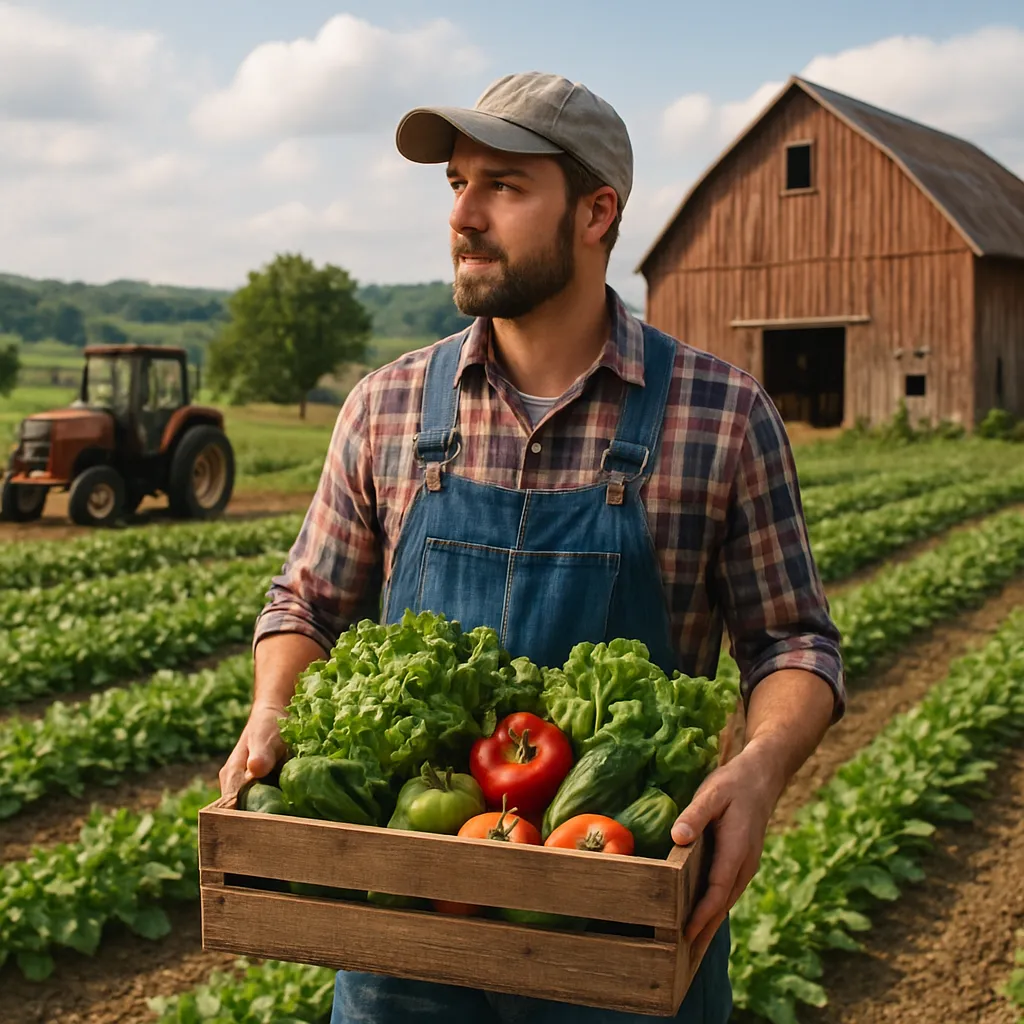
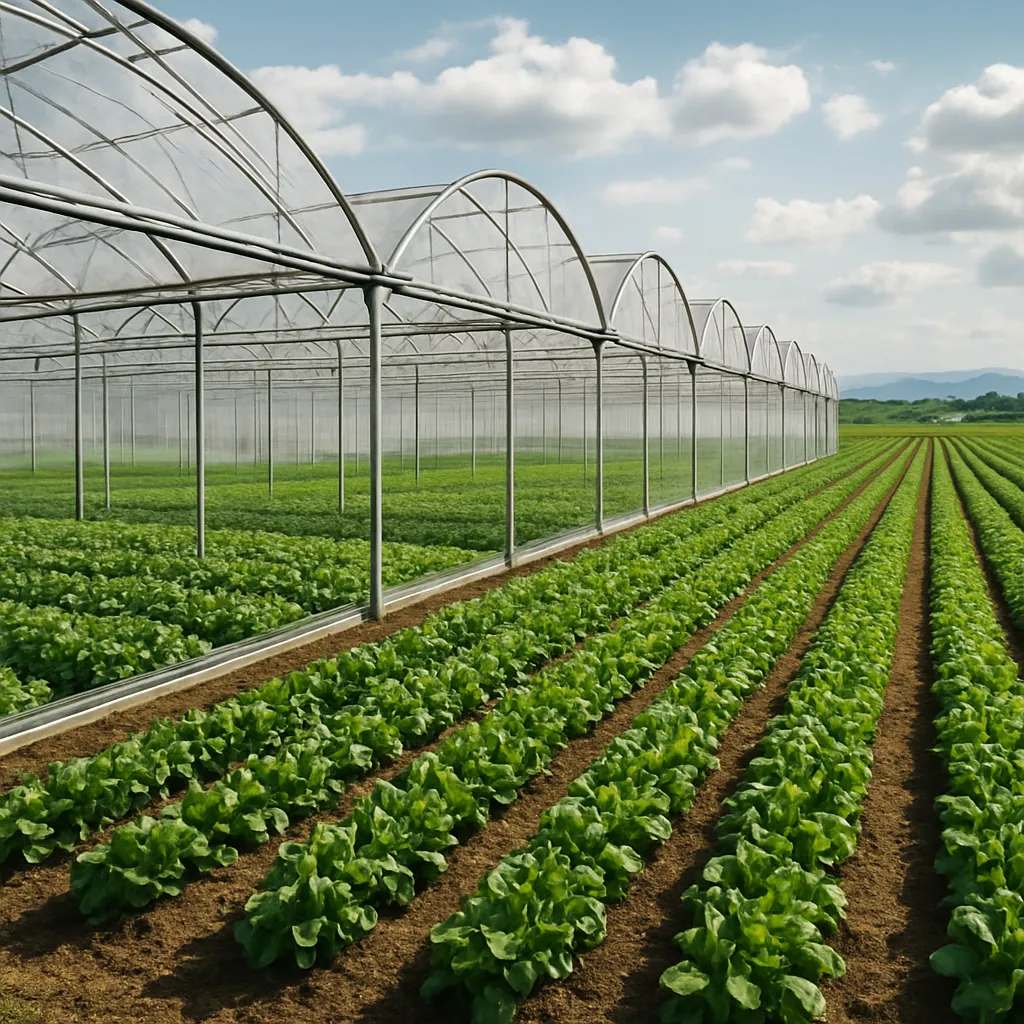
The fusion of cutting-edge technology with age-old farming practices is reshaping how the world produces food. From sprawling fields in North America to rice paddies in Southeast Asia, the integration of Artificial Intelligence into agriculture promises unprecedented levels of efficiency and resilience. As global demands rise and climates shift, farmers seek innovative solutions that enhance productivity while safeguarding natural resources.
AI-Driven Precision Farming
Modern agriculture has evolved beyond simple plows and irrigation systems. The era of precision agriculture harnesses sensors, satellite imagery and algorithms to make data-informed decisions. Farmers can now tailor inputs not only to specific fields but also to distinct zones within a single field, maximizing returns and minimizing waste.
- Data Analytics: Real-time analysis of soil moisture, nutrient levels and weather forecasts helps farmers apply fertilizers and water where they’re needed most, reducing costs and environmental impact.
- Drones: Unmanned aerial vehicles equipped with multispectral cameras survey large tracts of land in minutes, detecting pest outbreaks or nutrient deficiencies long before they become visible to the naked eye.
- Variable Rate Technology (VRT): Machinery fitted with smart controllers automatically adjusts seed and chemical application rates on-the-fly, ensuring each square meter receives exactly what it requires.
By leveraging these tools, agricultural stakeholders can boost crop yields substantially. Early adopters report yield increases of 10–20% and input reductions of up to 30%, demonstrating the tangible benefits of embracing digital farming.
Smart Resource Management and Sustainability
The challenge of feeding a growing population must balance productivity with environmental stewardship. AI systems play a crucial role in optimizing resource utilization and promoting sustainability. Integrating machine-driven insights paves the way for water-saving techniques, soil preservation and reduced greenhouse gas emissions.
Water Conservation
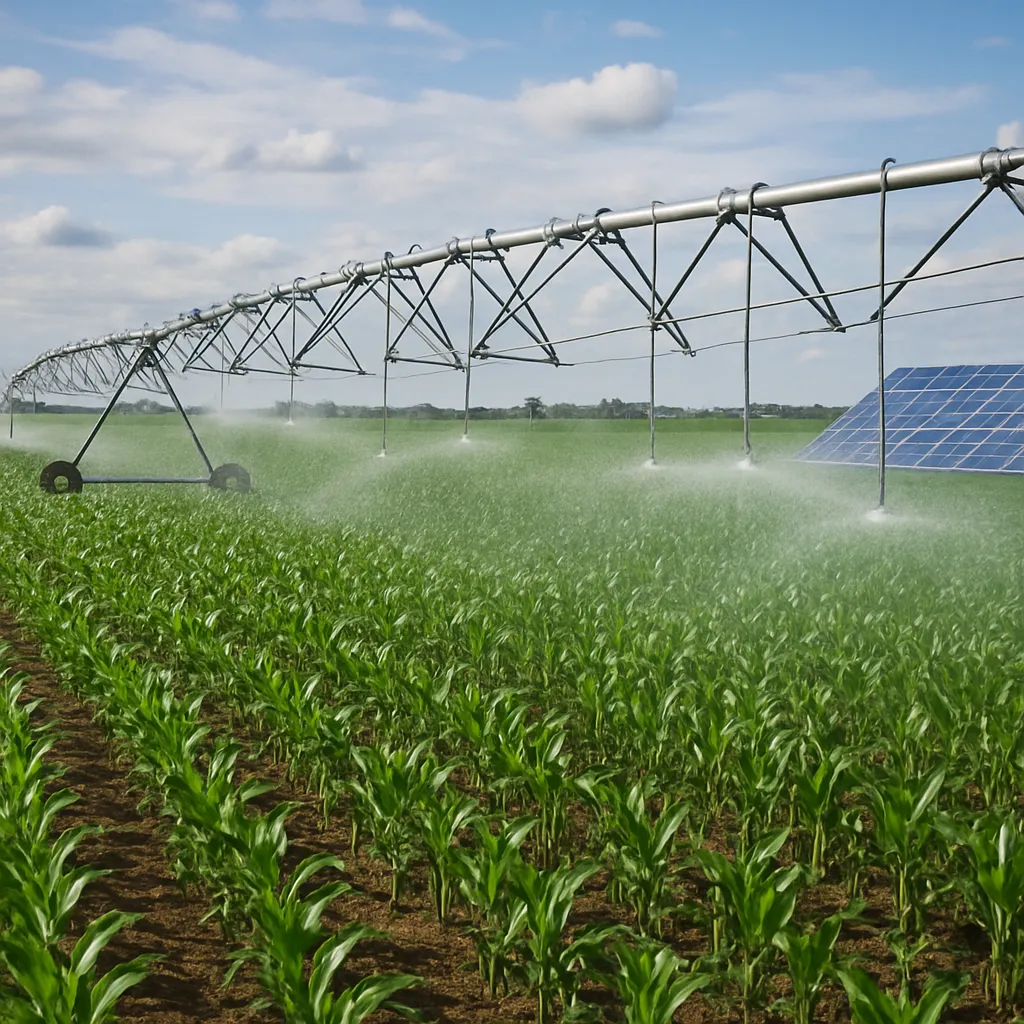
With aquifers depleting worldwide, efficient water use is paramount. AI-powered irrigation platforms combine soil moisture sensors, weather forecasts and plant growth models to schedule watering only when necessary. In arid regions, farmers using these platforms have cut water usage by over 40% while maintaining or improving yields.
Soil Health Monitoring
Degraded soils threaten long-term productivity. Advanced analytics of soil samples, satellite imagery and crop performance data enable precise assessment of soil composition, compaction and microbial activity. Farmers receive recommendations for cover crops, organic amendments and tillage practices that restore vitality without resorting to heavy chemical inputs.
- Machine Learning models predict nutrient runoff risks, guiding buffer zone establishment along waterways.
- AI-driven mapping pinpoints areas vulnerable to erosion, prompting targeted conservation measures.
As a result, ecosystems remain healthier, biodiversity flourishes and the farming community aligns with global environmental goals.
Automation and Robotics in Field Operations
The integration of robotics into farming brings a new dimension of labor efficiency and precision. Autonomous machines handle repetitive tasks tirelessly, allowing human workers to focus on strategic planning and complex decision-making.
Autonomous Tractors
Equipped with GPS guidance, LiDAR scanners and deep learning software, self-driving tractors plow, seed and spray with centimeter-level accuracy. Operators can oversee multiple machines remotely, monitoring progress via tablets. This not only reduces labor costs but also improves field uniformity and decreases soil compaction by optimizing traffic patterns.
Robotic Harvesters
Harvesting delicate fruits and vegetables demands dexterity. AI-powered robotic arms utilize computer vision to identify ripe produce, calculate the optimal grip and gently collect fruits without bruising. Pilot projects in orchards and vineyards demonstrate up to 90% accuracy in picking tasks, rivaling human picker performance.
- 24/7 operation: Machines can work around the clock, ensuring timely harvest especially when market prices peak.
- Labor shortage mitigation: In regions facing workforce scarcity, robotic harvesters maintain production continuity.
Advanced Supply Chain Optimization
Beyond the farm gate, AI transforms logistics, quality control and market forecasting. Integrating blockchain, sensor networks and predictive models ensures that produce reaches consumers fresh and cost-effectively.
- Cold chain monitoring: Smart sensors track temperature and humidity in real time during transport, alerting stakeholders to potential spoilage risks.
- Demand forecasting: AI analyzes global market trends, social media chatter and historical sales data to predict consumer preferences, guiding planting decisions months in advance.
- Quality grading: Computer vision inspects grains, fruits and vegetables on conveyor belts, sorting them by size, color and defect presence with high consistency.
Such integrated systems reduce food waste by up to 15% and streamline operations, benefiting producers, distributors and retailers alike.
Global Impact and Challenges Ahead
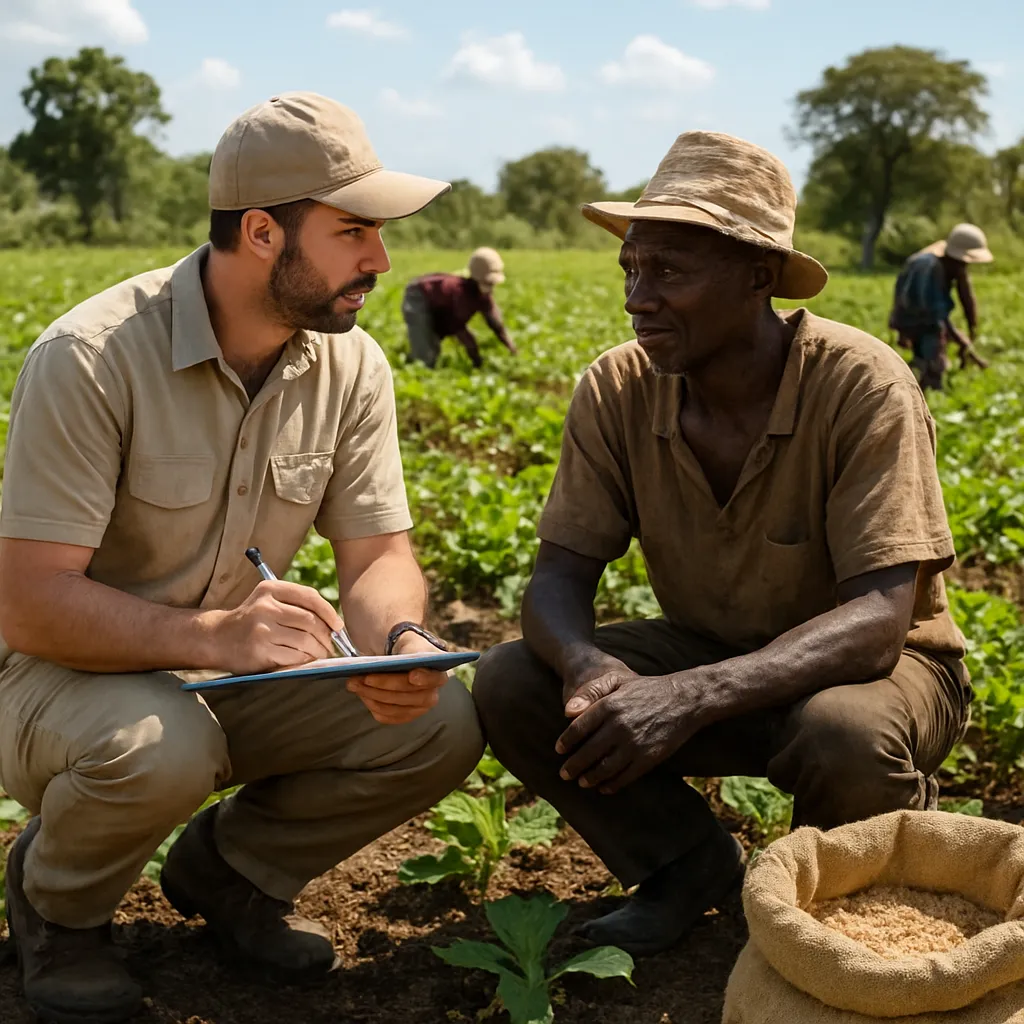
While the promise of AI-driven agriculture is vast, obstacles remain. High initial costs, data privacy concerns and the digital divide hinder adoption in many developing regions. Moreover, ethical questions arise around data ownership and the potential for technology to favor large agribusinesses over smallholders.
- Infrastructure gaps: Reliable internet and power supply are prerequisites for smart farming; remote rural areas often lack these.
- Training and skills: Farmers need support in understanding and maintaining advanced systems; extension services must evolve accordingly.
- Regulatory frameworks: Governments must establish guidelines for AI use, ensuring transparency and fairness across the value chain.
Nevertheless, international collaborations and public–private partnerships are driving down costs and expanding access. As solutions become more modular and user-friendly, a broader range of stakeholders can reap the benefits.
Embracing a Tech-Enabled Agricultural Future
The marriage of Artificial Intelligence and traditional farming represents a turning point in the quest for global food security. By optimizing every stage—from soil preparation and planting to harvesting and distribution—AI paves the way for a resilient, efficient and environmentally responsible agricultural paradigm. As we navigate this technological transformation, the collective efforts of farmers, researchers and policymakers will determine how sustainably and equitably the world’s fields continue to feed humanity.