As cities expand and traditional agricultural land becomes scarcer, a groundbreaking approach is emerging to feed growing populations sustainably. By stacking layered farms within urban buildings, vertical farming offers a blueprint for transforming empty warehouses, rooftops, and even skyscrapers into hubs of controlled environment agriculture. This innovative model promises increased crop yield, reduced resource use, and year-round production close to consumers. By examining its technological foundations, economic impacts, environmental benefits, and future challenges, we can appreciate how vertical farming could reshape the landscape of urban areas.
Urban Agriculture and Vertical Farming Emergence
The concept of growing crops in vertically stacked layers dates back several decades, but rapid advances in LED technology, automation, and hydroponic systems have propelled it into the mainstream. Unlike conventional farms that rely on vast fields and unpredictable weather, vertical farming leverages precise control over temperature, light, humidity, and nutrient delivery. This paradigm shift addresses the urgent need for resilient food systems amid climate change, land depletion, and shifting demographics.
Historical Roots and Modern Drivers
Early experiments in indoor cultivation focused on lightweight hydroponic setups within greenhouses. Today’s multi-story farms integrate LED lighting, environmental sensors, and robotics to maximize efficiency. Key drivers include:
- Rising demand for locally grown, fresh produce
- Concerns over long supply chains and food miles
- Technological maturation of growth chambers and climate control
- Policy incentives promoting sustainability and urban regeneration
Design and Technology Innovations
Central to vertical farming is the seamless integration of hardware and software. Growers fine-tune every aspect of the environment to accelerate photosynthesis, inhibit pests, and boost nutritional content. Three technologies stand out:
Hydroponic and Aeroponic Systems
- Hydroponics circulates nutrient-rich water directly to roots, eliminating soil-borne diseases.
- Aeroponics sprays a mist of nutrients, reducing water use by up to 95% compared to open-field agriculture.
- Both systems support dense planting arrangements, increasing space utilization.
Advanced LED Lighting
Modern LED fixtures emit tailored wavelengths that optimize photosynthetic activity. Blue and red spectrums are mixed precisely to accelerate leaf growth and flowering stages, while UV and far-red frequencies can stimulate secondary metabolite production, enhancing flavor and nutritional value.
Automation and Data Analytics
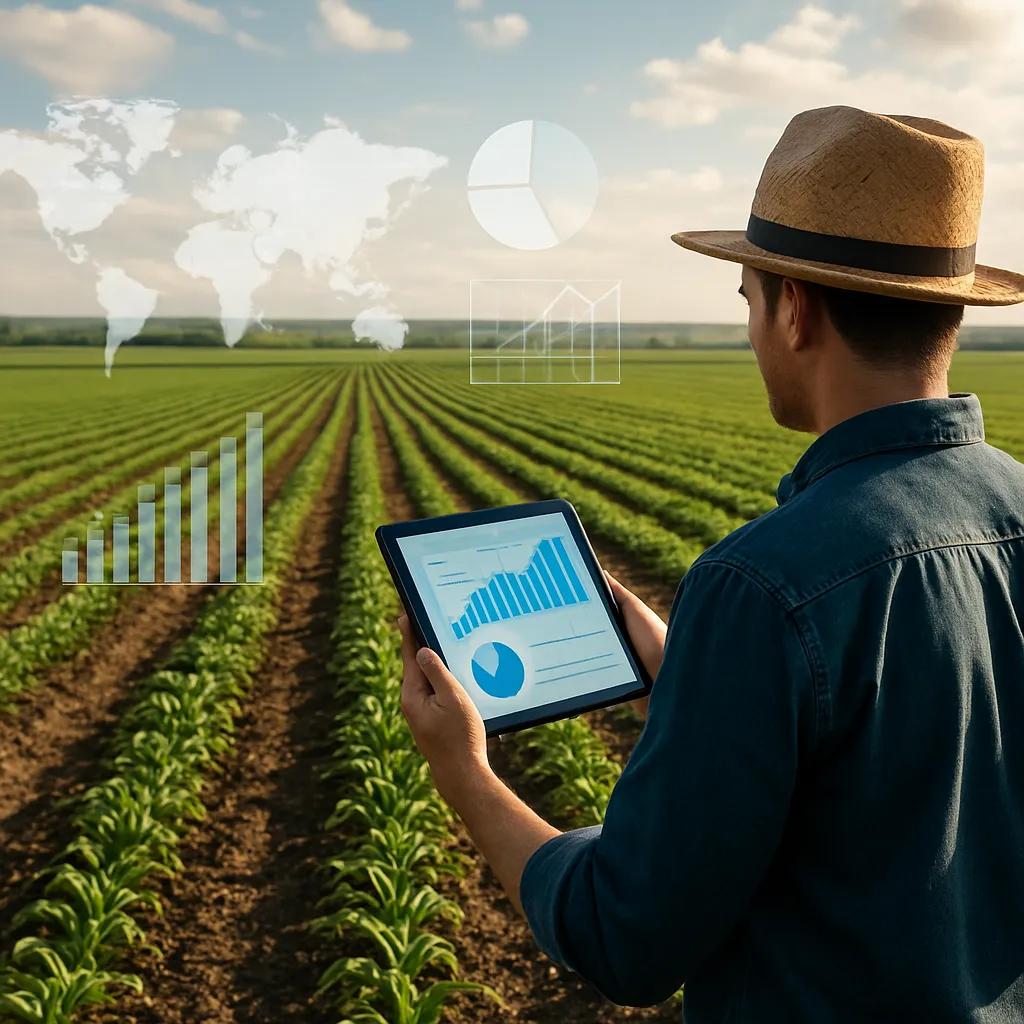
From seeding and transplanting robots to AI-driven climate management, automation reduces labor costs and ensures consistency. Real-time data on humidity, CO₂ levels, and nutrient concentrations feed into algorithms that predict crop health and adjust settings, minimizing waste and mechanical failures.
Economic and Social Impact
Vertical farms not only produce fresh salads and herbs but also catalyze urban renewal. By repurposing abandoned warehouses or underutilized rooftop spaces, they inject new economic vitality into city districts.
Job Creation and Skill Development
Though highly automated, vertical farms require technicians, agronomists, and data analysts. Training programs can bridge the skills gap, empowering local communities with expertise in agricultural robotics, plant science, and environmental engineering.
Community Engagement and Food Equity
- Urban farms can partner with schools for educational tours, teaching children about plant biology and resource cycles.
- Nonprofit initiatives often allocate a portion of harvests to food banks, improving food security in underserved neighborhoods.
- Community-supported agriculture (CSA) programs foster direct relationships between producers and consumers, bolstering local economies.
Environmental Benefits and Sustainability
Compared to expansive open-field cultivation, vertical farming offers compelling ecological advantages. By localizing production and harnessing advanced technologies, it mitigates many environmental pressures associated with traditional agriculture.
Water Conservation and Waste Reduction
Recirculating systems capture and reuse nearly all irrigation water, slashing consumption by up to 90%. Nutrient runoff is virtually eliminated, protecting nearby waterways from eutrophication.
Lower Carbon Footprint and Land Use
Producing food in city centers shortens transport distances, reducing greenhouse gas emissions linked to distribution. Moreover, intensive production on vertical structures diminishes the need to clear forests or convert natural habitats into farmland.
Pesticide-Free Cultivation
The sealed, climate-controlled environment prevents most pests, enabling growers to adopt organic practices without relying on chemical interventions. The result is cleaner produce and healthier ecosystems.
Challenges and Future Outlook
Despite its promise, vertical farming faces obstacles that must be addressed for widespread adoption.
High Energy Requirements
LED lighting and climate control systems consume substantial electricity. Integrating renewable energy sources, such as solar arrays or wind turbines, can offset these demands, but initial investment costs remain steep.
Upfront Capital and Operational Costs
- Construction of specialized facilities involves significant expenditure on infrastructure, sensors, and automation equipment.
- Economic viability depends on crop selection, yield per square meter, and market prices for premium produce.
Policy, Regulation, and Standardization
Government support through grants, tax incentives, and streamlined permitting processes can accelerate growth. Establishing industry standards for energy efficiency, food safety, and environmental reporting will foster trust among consumers and investors alike.
As technological improvements drive down energy consumption and enhance system resilience, vertical farming has the potential to become an integral part of urban planning. By fostering collaboration between engineers, agronomists, policymakers, and community leaders, cities can create sustainable food networks that thrive alongside skyscrapers and public spaces, ensuring fresh, healthy produce for generations to come.