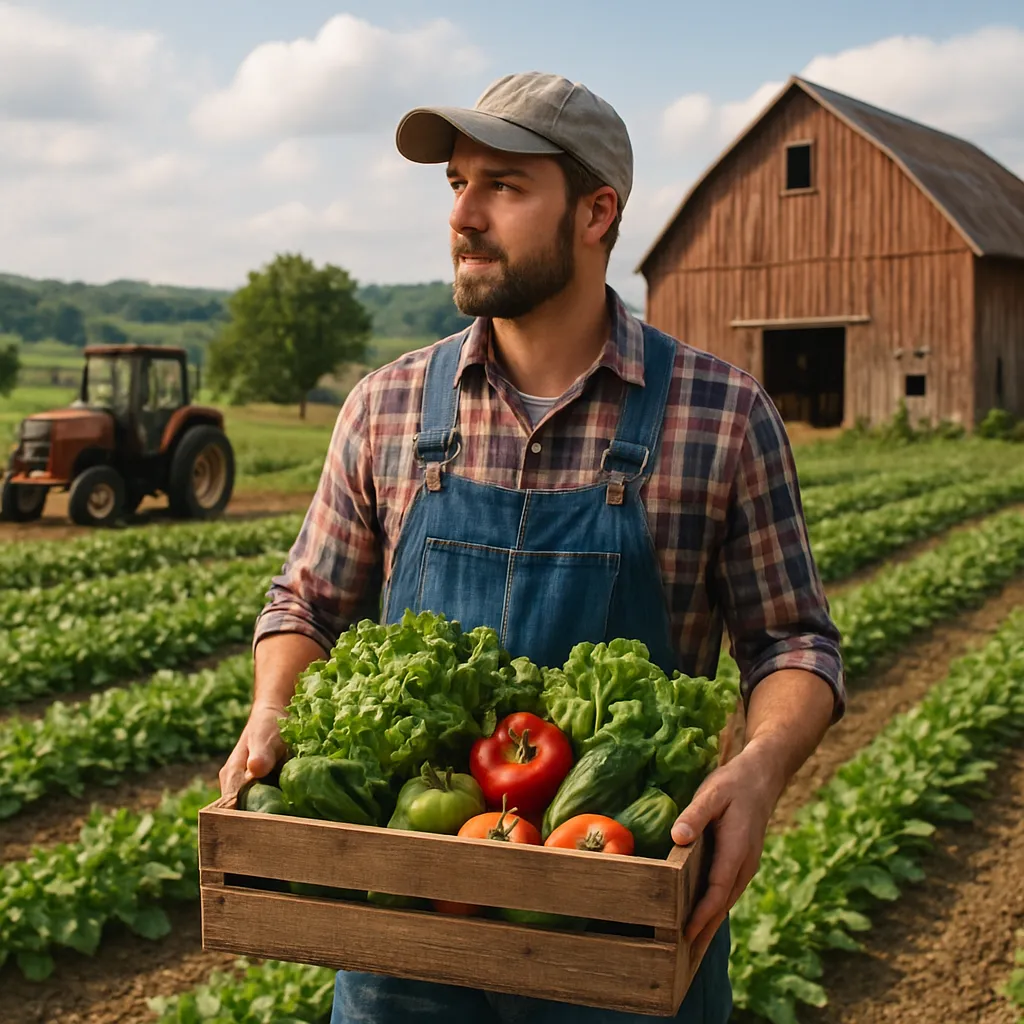
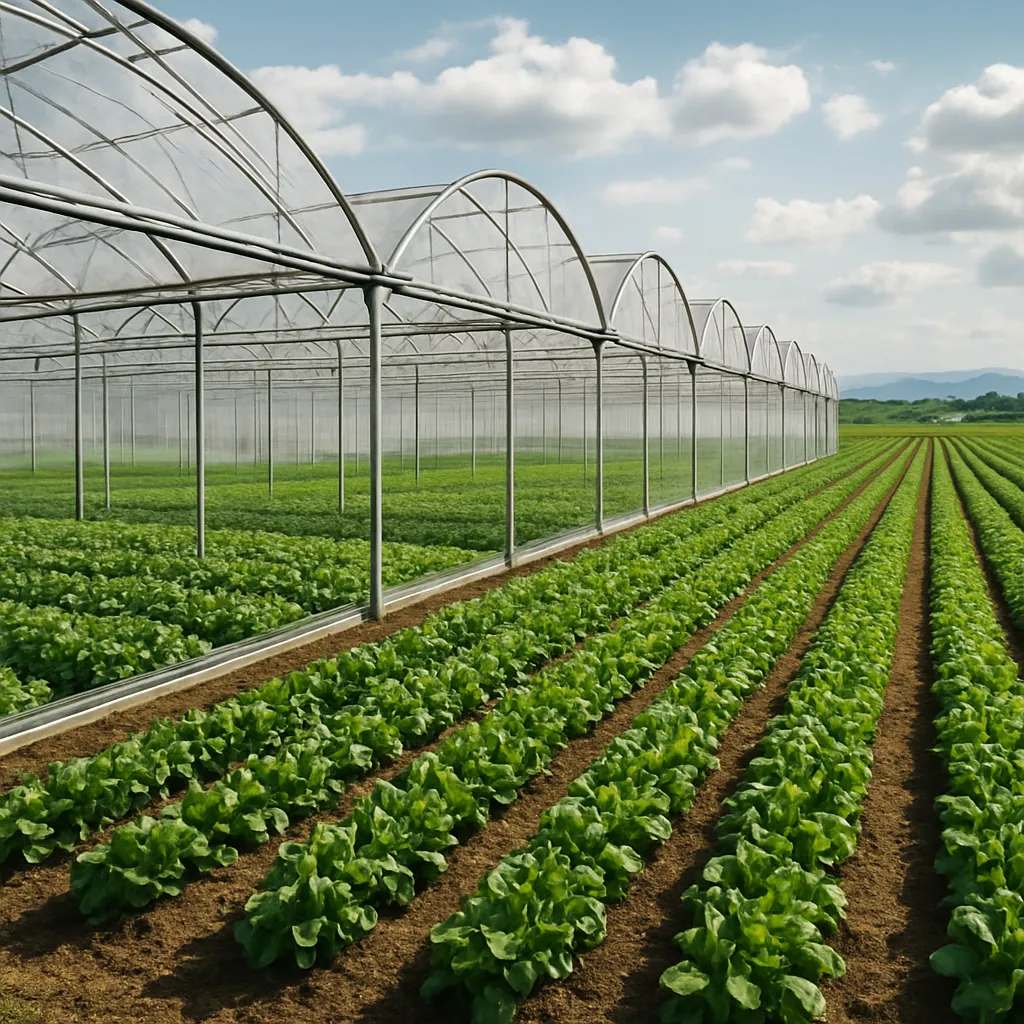
The global demand for food is rising rapidly alongside population growth, environmental pressures, and shifting dietary preferences. Amidst these challenges, agricultural systems must evolve to ensure that every individual has access to safe, nutritious, and affordable food. Driving this transformation are cutting-edge technologies, **innovation**-driven practices, and fresh approaches to resource management. By harnessing the potential of **precision agriculture**, **biotechnology**, and **digitalization**, farmers and policymakers can forge resilient systems that withstand climate shocks and preserve precious ecosystems.
Technological Innovations Revolutionizing Agriculture
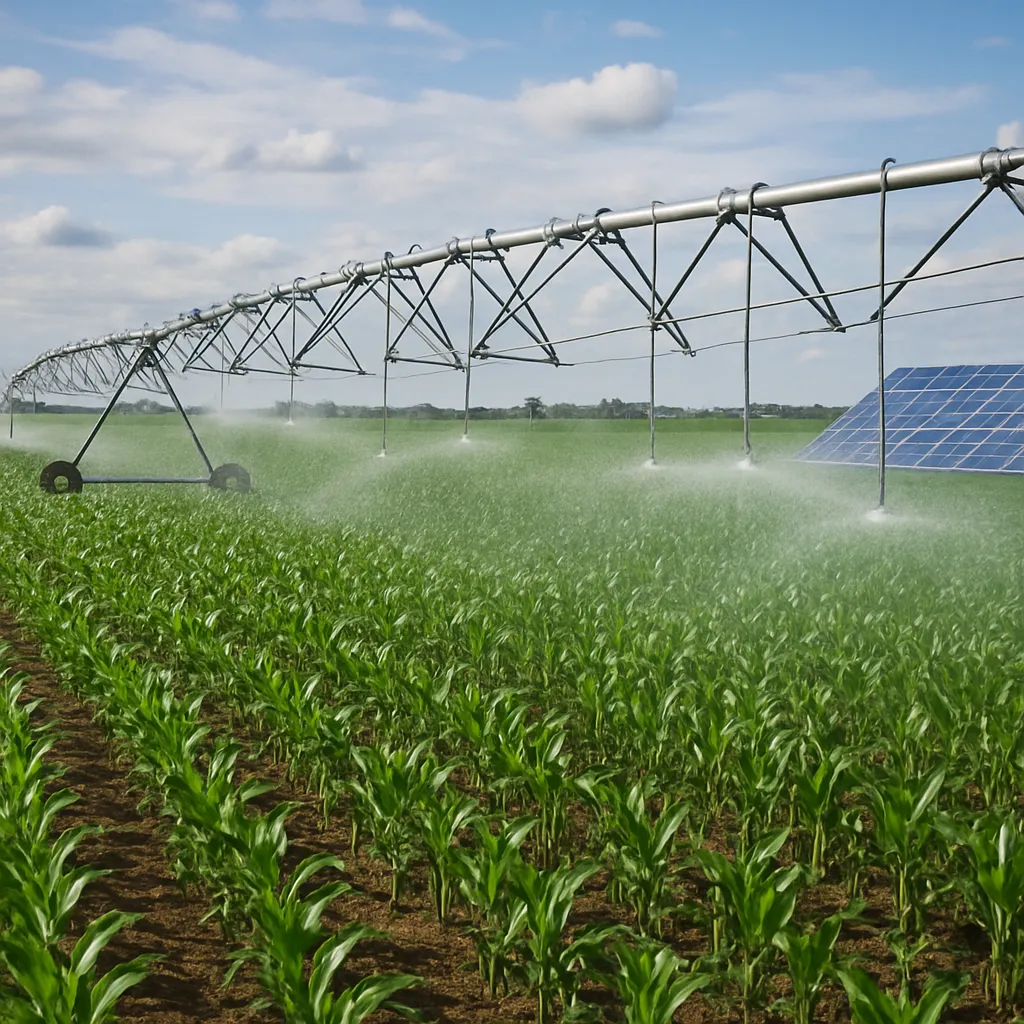
Modern farming is experiencing a disruptive shift propelled by **innovation** in machinery, data analytics, and scientific research. From mechanized harvesters equipped with AI vision to drones spraying nutrients with pinpoint accuracy, technology is reshaping traditional fields into dynamic, information-rich environments.
Precision Agriculture and Smart Machinery
- Soil sensors and satellite imagery enable real-time monitoring of moisture, pH, and nutrient levels.
- Autonomous tractors and robotic planters execute fieldwork with minimal human intervention.
- Variable-rate technology optimizes fertilizer and pesticide application, boosting **productivity** while limiting chemical runoff.
Advances in Biotechnology
Genetic engineering and molecular breeding are unlocking new traits for crops and livestock, enhancing **climate resilience**, pest resistance, and nutritional profiles. Golden rice enriched with vitamin A precursors, drought-tolerant maize, and disease-resistant bananas exemplify how **biotechnology** can help alleviate malnutrition and secure yields against extreme weather events.
Data-Driven Farming via Digitalization
Cloud-based platforms, AI-powered decision tools, and mobile applications enable farmers—smallholders and large- scale alike—to interpret complex datasets. Predictive algorithms forecast pest outbreaks, while blockchain systems ensure transparency along supply chains, reinforcing consumer trust and fair trade practices.
Sustainable Practices for Resilient Food Systems
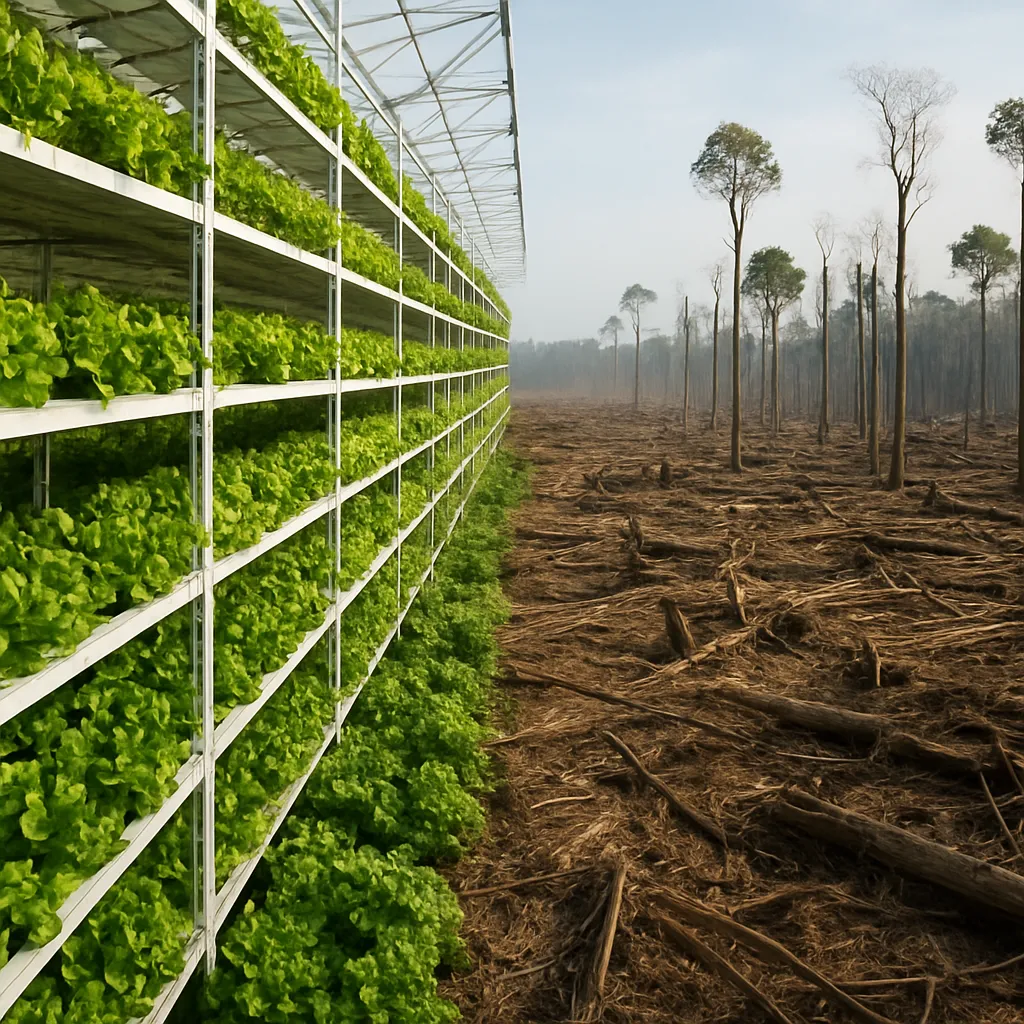
Long-term **sustainability** hinges on balancing agricultural output with ecosystem preservation. Innovations in soil management, water conservation, and agroecological design offer pathways to maintain productivity without exhausting natural resources.
Regenerative Agriculture and Soil Health
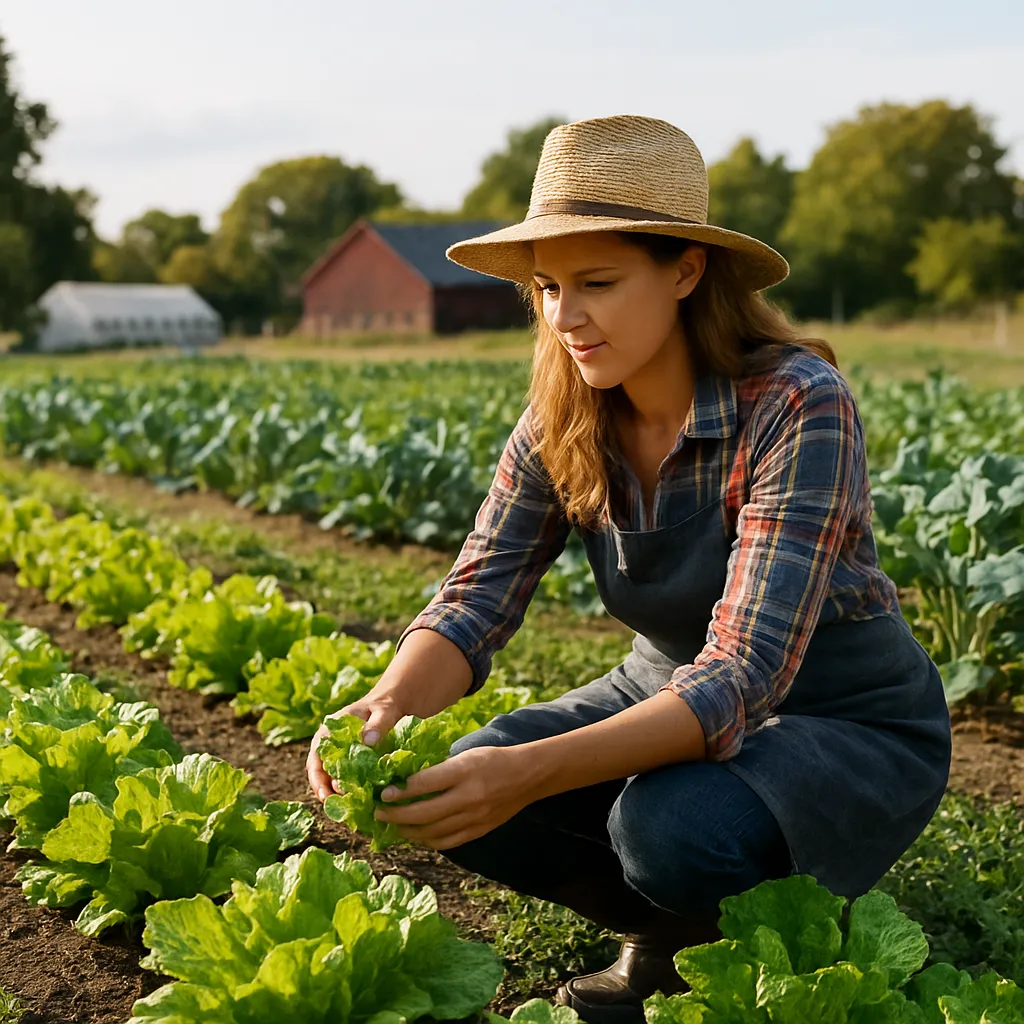
- Cover cropping, crop rotation, and minimal tillage rebuild organic matter, fostering soil fertility and carbon sequestration.
- Composting and integrated livestock grazing return nutrients to the earth, promoting microbial diversity and water retention.
Water-Smart Techniques
With freshwater becoming scarcer, drip irrigation, rainwater harvesting, and precision sprinklers reduce water waste by up to 60 percent. Such **climate resilience** measures help farmers adapt to prolonged droughts and erratic rainfall.
Agroforestry and Biodiversity Conservation
Integrating trees, shrubs, and perennial plants with crops and livestock boosts on-farm **biodiversity**, offering habitats for pollinators and natural predators of pests. This **sustainability**-driven paradigm supports ecosystem services while safeguarding livelihoods.
Urban Farming and Alternative Food Sources
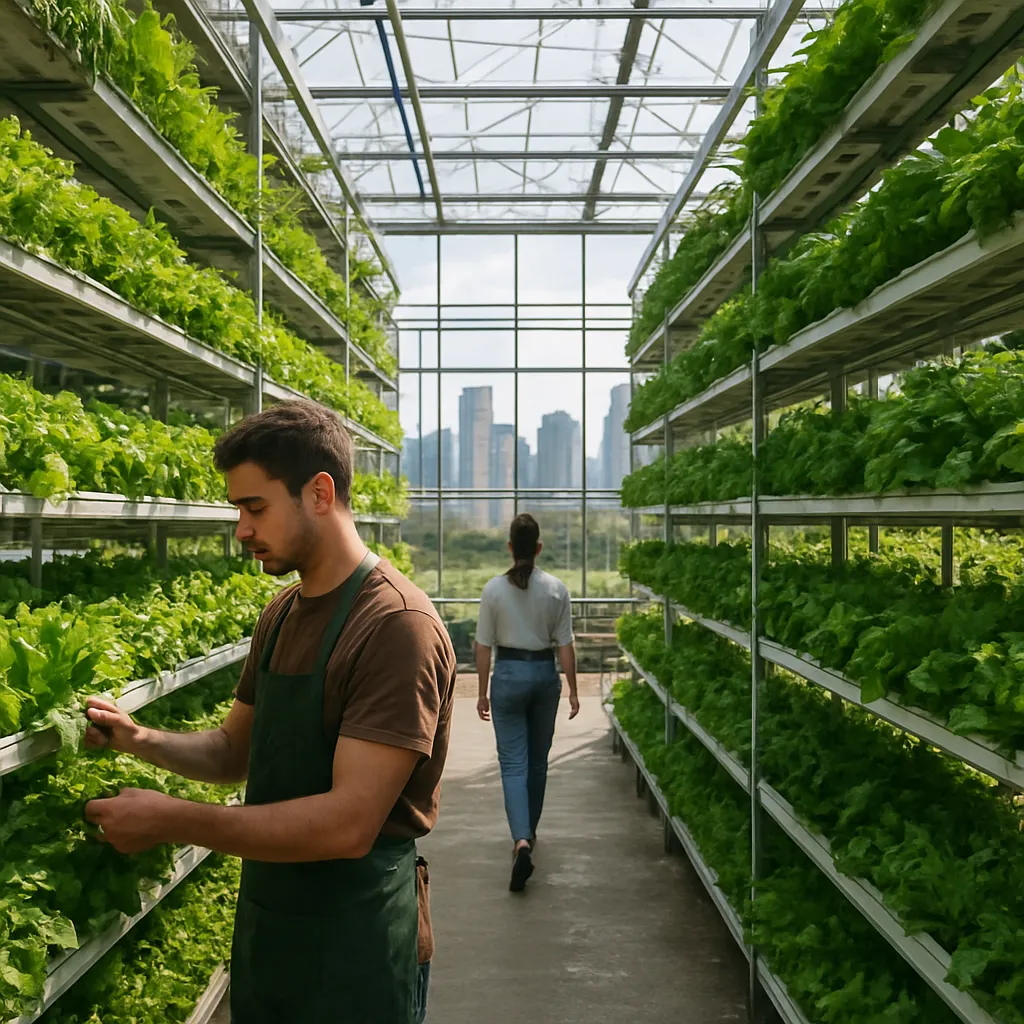
As urbanization accelerates, city-based agriculture emerges as a vital complement to rural production. Vertical farms, rooftop gardens, and hydroponic systems showcase how limited space can yield abundant harvests, reducing transportation costs and food miles.
Vertical Farming and Controlled-Environment Agriculture
- Stacked layers of leafy greens, herbs, and berries flourish under LED lighting and nutrient-infused water.
- Closed-loop systems reuse up to 95 percent of water, achieving astonishing **productivity** per square meter.
Innovations in Protein Production
Lab-grown meat, insect farming, and plant-based alternatives are gaining traction as sustainable protein sources. Cultured meat promises the taste and texture of conventional products without the environmental footprint of livestock, addressing concerns over emissions and land use.
Community Gardens and Local Food Networks
Empowering residents to cultivate microplots fosters food security, social cohesion, and nutrition education. Urban **policy** makers can incentivize these initiatives through grants, zoning reforms, and technical support.
Global Collaboration and Policy Frameworks
No single country can tackle food insecurity alone. International partnerships, trade agreements, and evidence-based **policy** frameworks are crucial to share knowledge, distribute resources, and mitigate geopolitical risks.
Strengthening Research and Extension Services
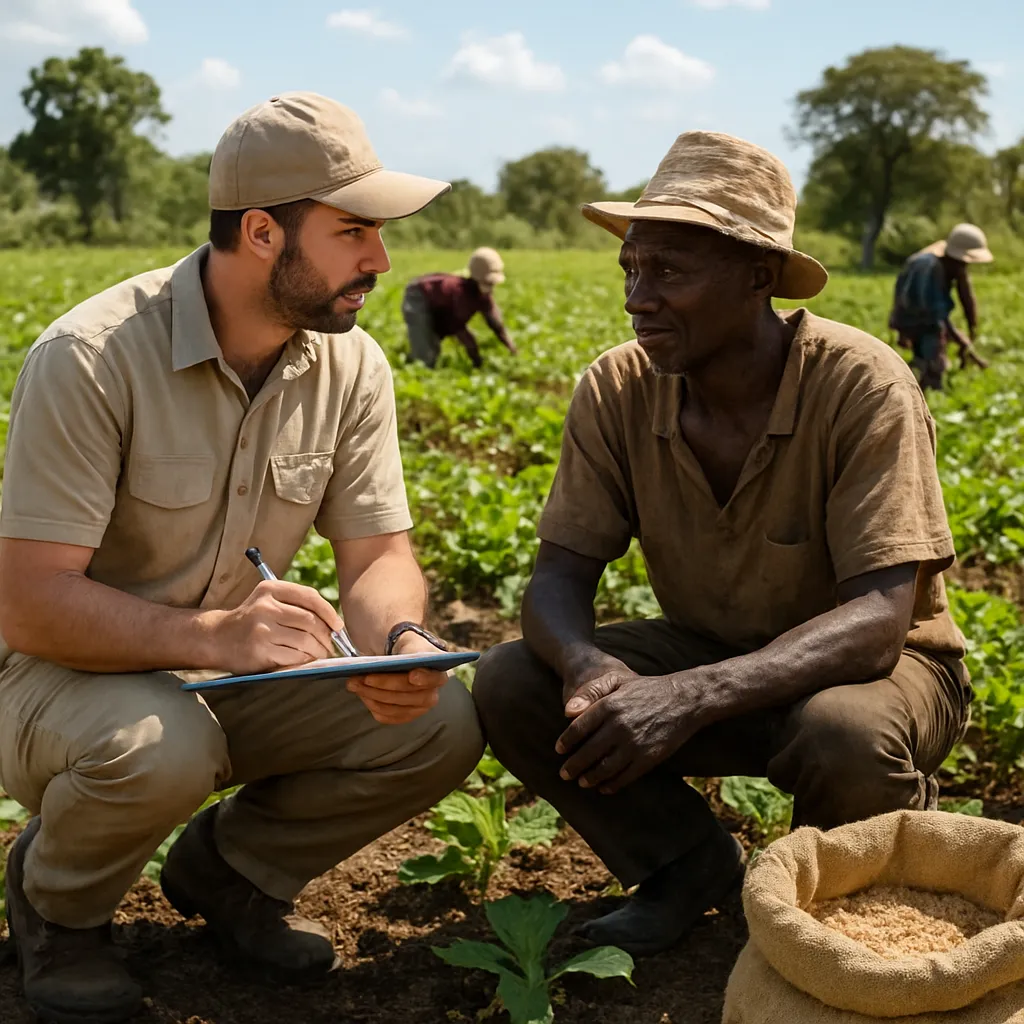
- Multilateral research centers develop region-specific solutions for smallholder farmers in the Global South.
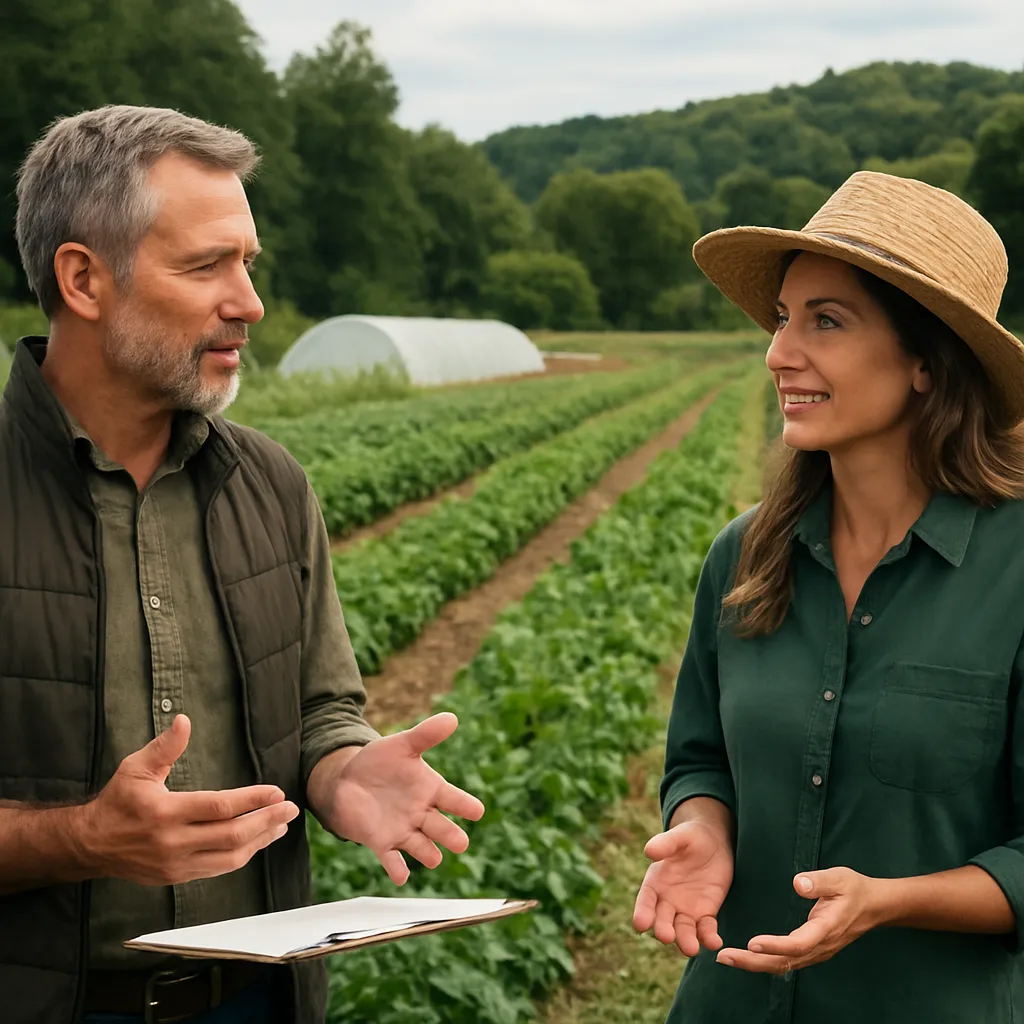
- Extension agents disseminate best practices, linking university breakthroughs with on-the-ground implementation.
Trade Policies and Fair Market Access
Reducing tariffs and non-tariff barriers, while safeguarding biodiversity through strict phytosanitary rules, enables developing nations to export high-value agricultural products. Equitable trade fosters rural development and incentivizes **innovation**.
Financing and Risk Management
Innovative financial instruments—crop insurance, microcredit, and climate risk bonds—help farmers absorb shocks from extreme weather and market volatility. Public-private partnerships can catalyze investments in **sustainability** projects, ensuring long-term viability.
Challenges and Opportunities Ahead
Despite enormous promise, scaling these **innovation**-driven solutions faces hurdles: infrastructure gaps, digital divides, intellectual property disputes, and the need for skilled labor. Addressing these requires coordinated efforts among governments, NGOs, agribusinesses, and farming communities.
The path forward rests on integrating cutting-edge technologies with age-old wisdom, respecting cultural contexts, and fostering inclusive growth. By weaving together **precision agriculture**, regenerative methods, and urban food systems within robust policy environments, the world can stride toward genuine global food security—nourishing both people and planet for generations to come.