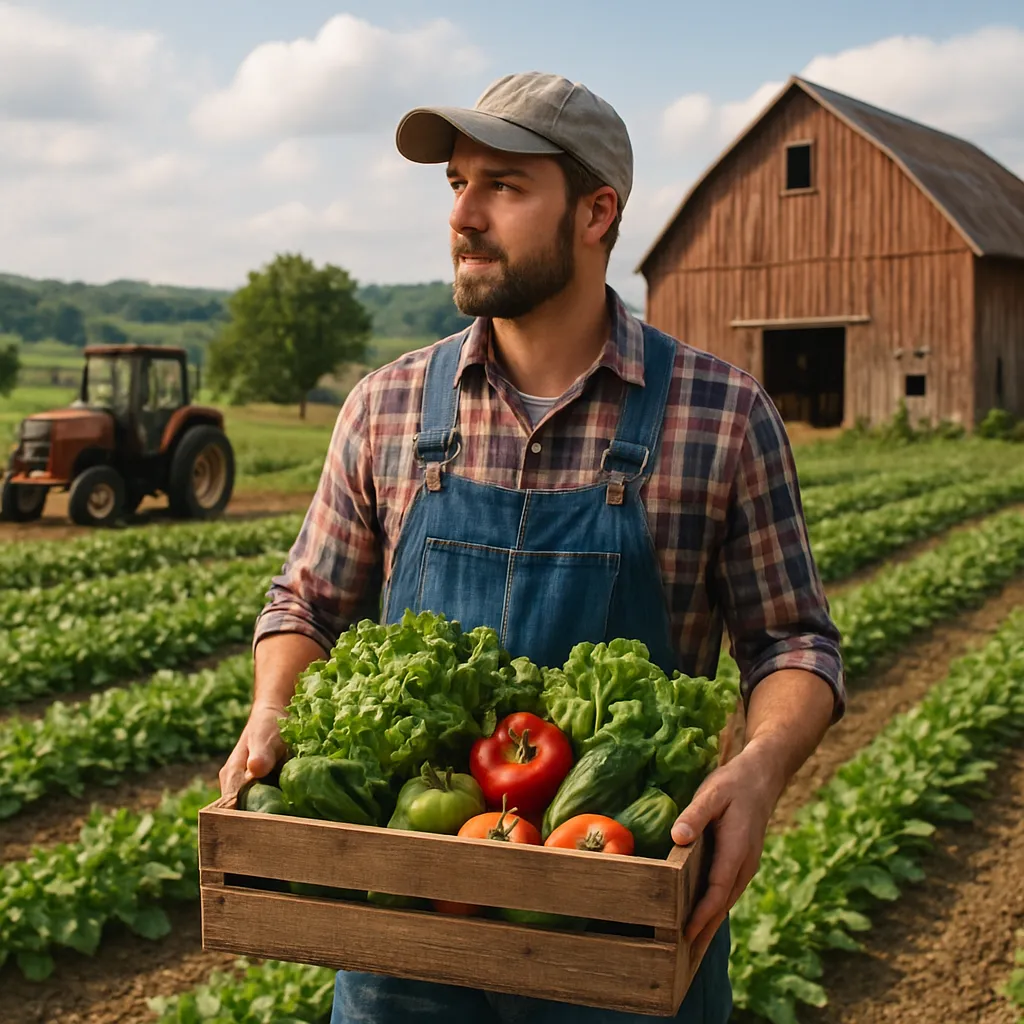
Over the past century, organic farming has transformed from niche gardens to a thriving component of global agriculture. As consumers demand healthier food and farmers seek eco-friendly methods, the movement has evolved into a complex network of practices, standards, and markets. This article explores the historical roots, guiding principles, cutting-edge innovations, and worldwide impact of organic farming, shedding light on how this approach fosters sustainable food systems across diverse environments.
Historical Roots of Organic Agriculture
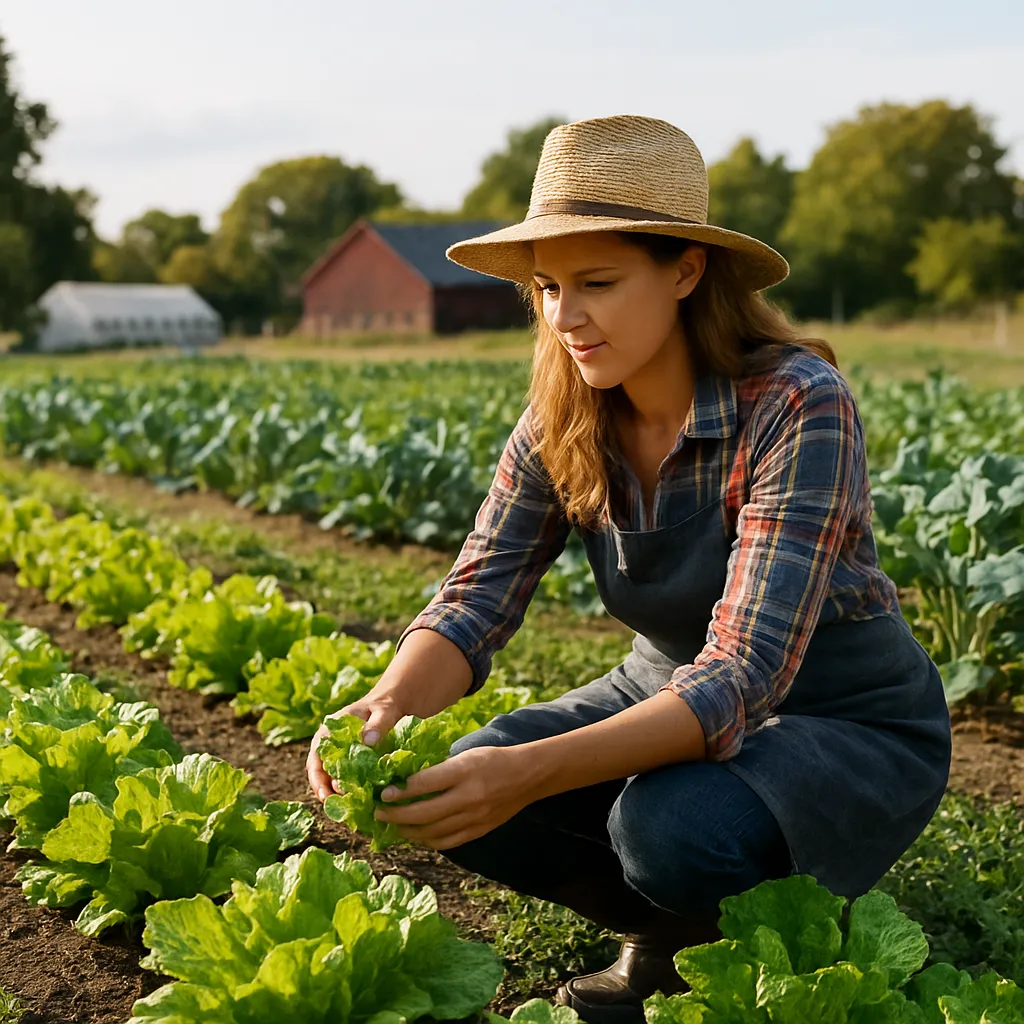
The origins of organic agriculture can be traced back to early 20th-century pioneers who challenged industrialized methods. Visionaries like Sir Albert Howard, Rudolf Steiner, and Lady Eve Balfour advocated for farming that respected natural cycles rather than relying on synthetic inputs. They observed traditional peasant systems, emphasizing composting, green manures, and crop rotations to maintain fertility and soil health.
- Sir Albert Howard’s “Law of Return” highlighted the need to recycle organic matter.
- Rudolf Steiner introduced biodynamic preparations, integrating lunar and cosmic forces into cultivation.
- Lady Eve Balfour’s soil studies emphasized the link between healthy soil and human well-being.
Early experiments demonstrated that farms managed organically could rival conventional yields over time, while building biodiversity and improving resilience to pests and diseases. As interest grew, farmers’ associations formed in Europe, North America, and Asia, sharing knowledge and setting the stage for formal standards.
Principles and Standards Guiding Organic Farms
At its core, organic farming adheres to a set of guiding principles designed to protect ecosystems and human health. The International Federation of Organic Agriculture Movements (IFOAM) outlines four main principles: health, ecology, fairness, and care.
- Health: Ensuring soil, plant, animal, human, and planet well-being as an interconnected system.
- Ecology: Emulating natural processes to preserve ecosystems, nutrient cycles, and genetic diversity.
- Fairness: Promoting equity in trade and responsibility toward future generations.
- Care: Managing resources prudently and adopting precautionary measures to prevent environmental harm.
National and regional certification bodies translate these principles into enforceable standards. Farmers must avoid synthetic pesticides and fertilizers, maintain buffer zones to prevent contamination, and manage livestock with access to pasture and organic feed. Periodic inspections and record-keeping ensure compliance, giving consumers confidence that labeled products meet rigorous criteria.
Modern Innovations and Farming Practices
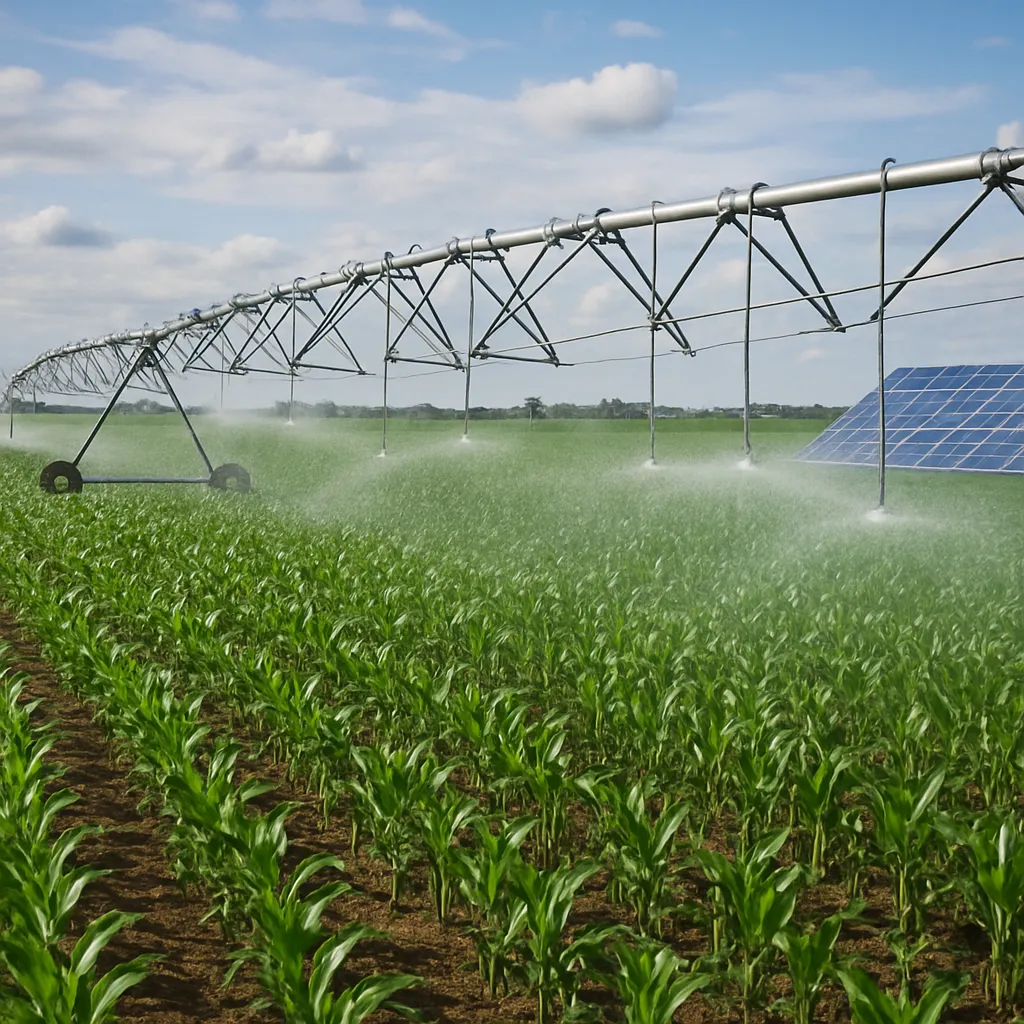
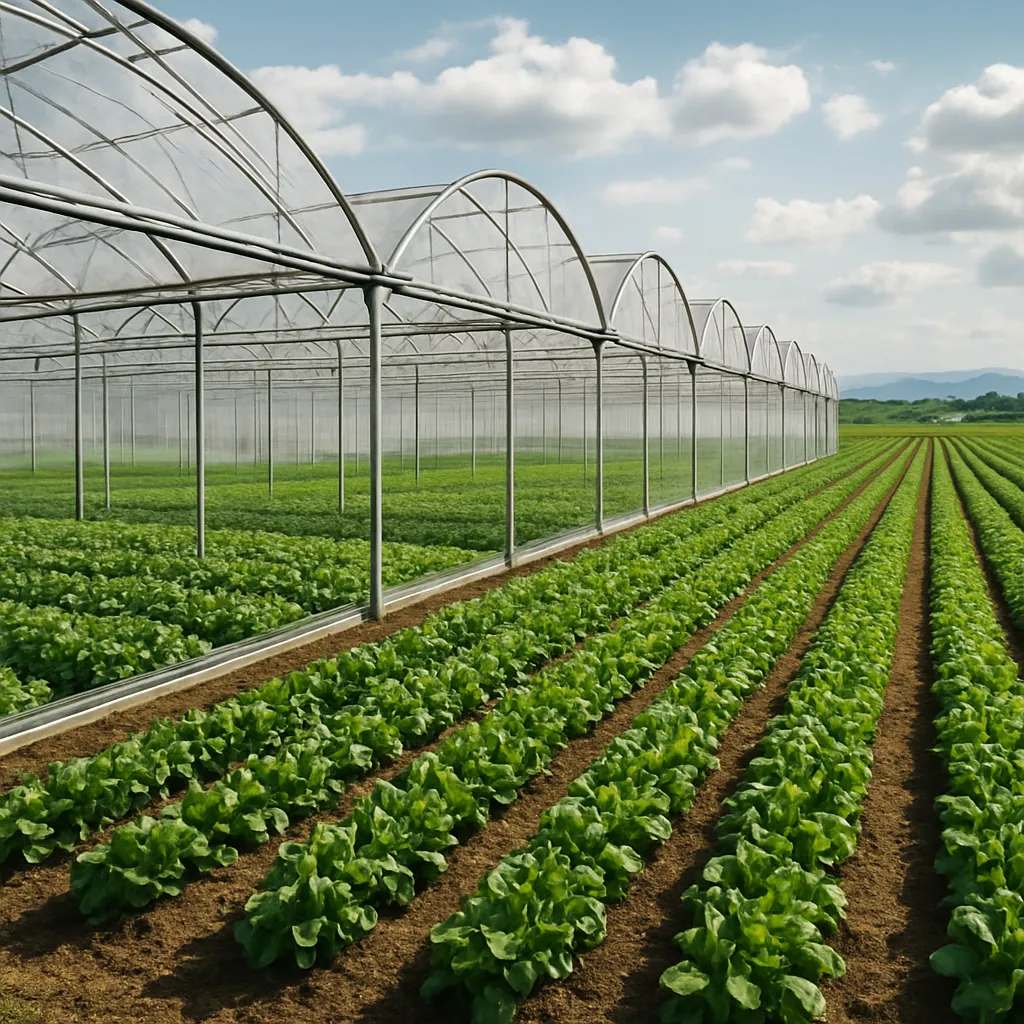
Organic agriculture today blends traditional wisdom with cutting-edge research. Precision tools, satellite imaging, and data analytics help farmers optimize irrigation, monitor soil moisture, and forecast pest outbreaks without chemical interventions. Protected cultivation—such as organic greenhouses—extends growing seasons while controlling microclimates naturally.
- Integrated Pest Management (IPM): Combining biological controls like beneficial insects and microbial agents.
- Cover cropping: Planting legumes or grasses to fix nitrogen, suppress weeds, and enhance resilience.
- Agroforestry: Integrating trees and shrubs to provide shade, habitat, and erosion control.
- Compost tea and biofertilizers: Boosting soil microbes to improve nutrient availability and plant health.
Advances in plant breeding have led to innovation in organic seeds adapted to local climates and stress conditions. Citizen science projects engage farmers in trialing new varieties and sharing results through digital platforms. Meanwhile, blockchain technology is being piloted to trace supply chains, ensuring transparency from farm to table.
Global Impact and Challenges Facing Organic Farming
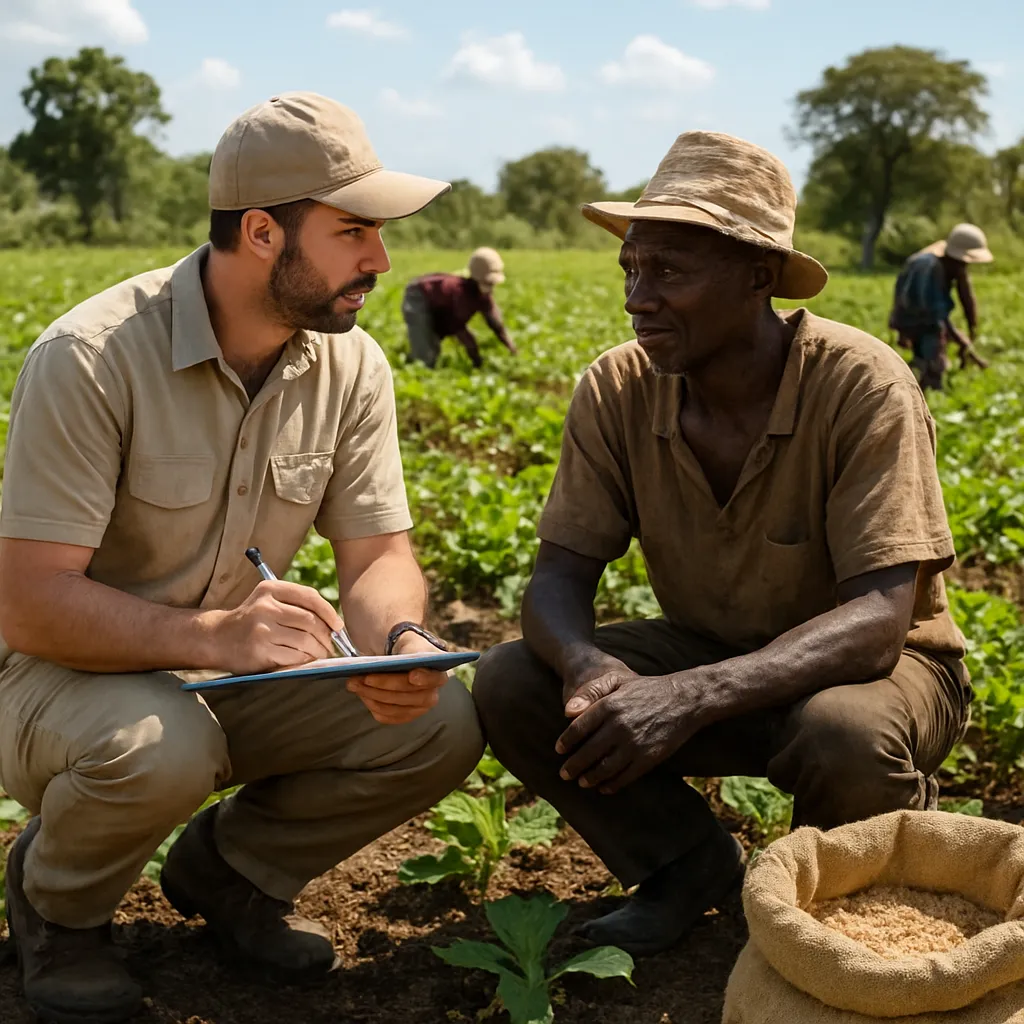
The global organic market has expanded rapidly, exceeding $150 billion annually. Regions such as Europe, North America, and Oceania lead in certified farmland, while emerging markets in Asia, Latin America, and Africa show strong growth potential. Smallholders benefit from organic premiums, improving rural livelihoods and incentivizing land stewardship.
However, several challenges remain:
- Yield Gap: Although long-term productivity can match conventional farms, initial yields may be lower, requiring effective management to stay competitive.
- Certification Barriers: High costs and complex regulations can deter small-scale farmers from obtaining official organic status.
- Climate Change: Unpredictable weather patterns necessitate adaptive strategies to maintain soil moisture and crop health.
- Market Access: Fragmented supply chains and lack of infrastructure in developing regions hinder participation in premium markets.
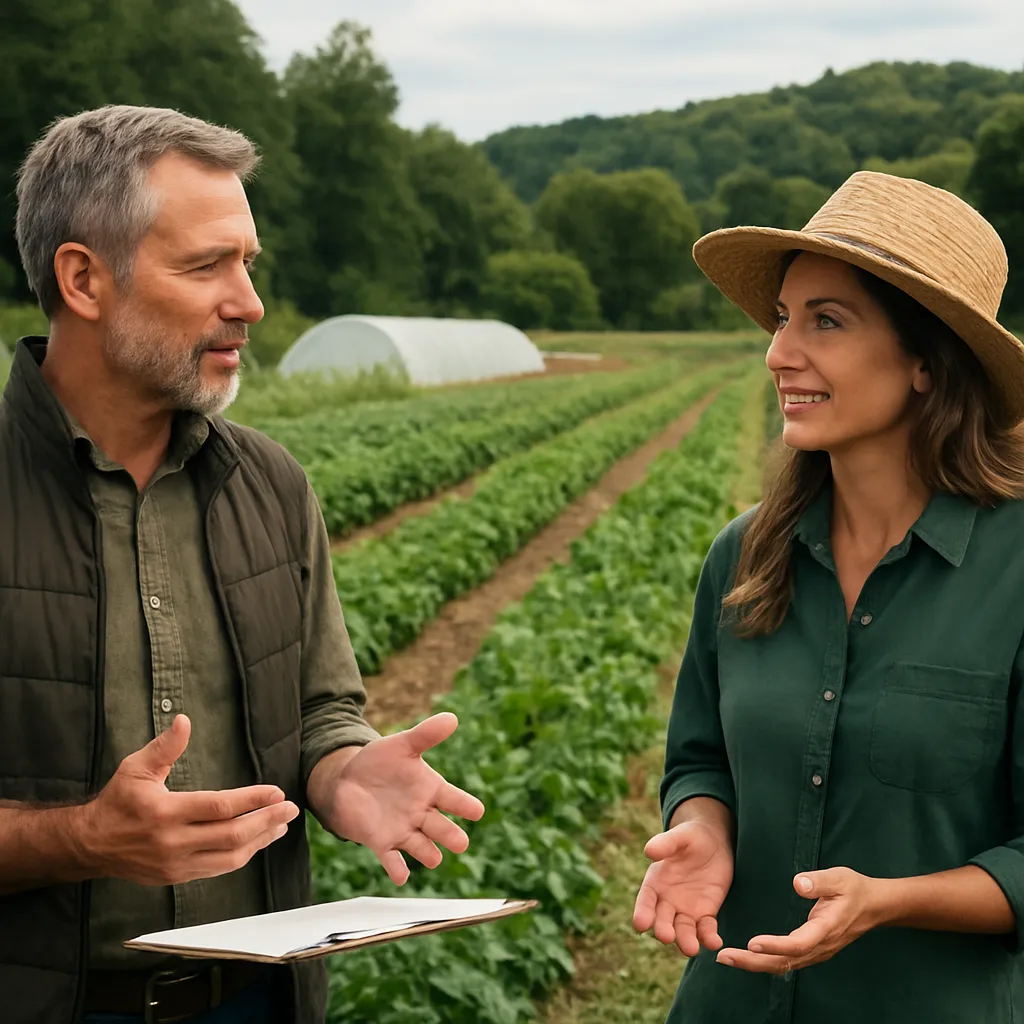
Collaboration among governments, NGOs, and private sectors is crucial to overcome these obstacles. Initiatives like public-private partnerships support capacity-building, research, and infrastructure development. Financial tools—such as microloans and carbon credits—offer incentives for farmers to adopt low-input systems that sequester carbon and protect biodiversity.
Future Prospects for World Farms
As the global population approaches 10 billion, the demand for nutritious, safe, and sustainably produced food will only increase. Organic farming, with its emphasis on ecological balance and resource conservation, offers a viable pathway. Continued investment in research, inclusive certification models, and digital connectivity will empower diverse farming communities to scale best practices.
Key areas poised for growth include:
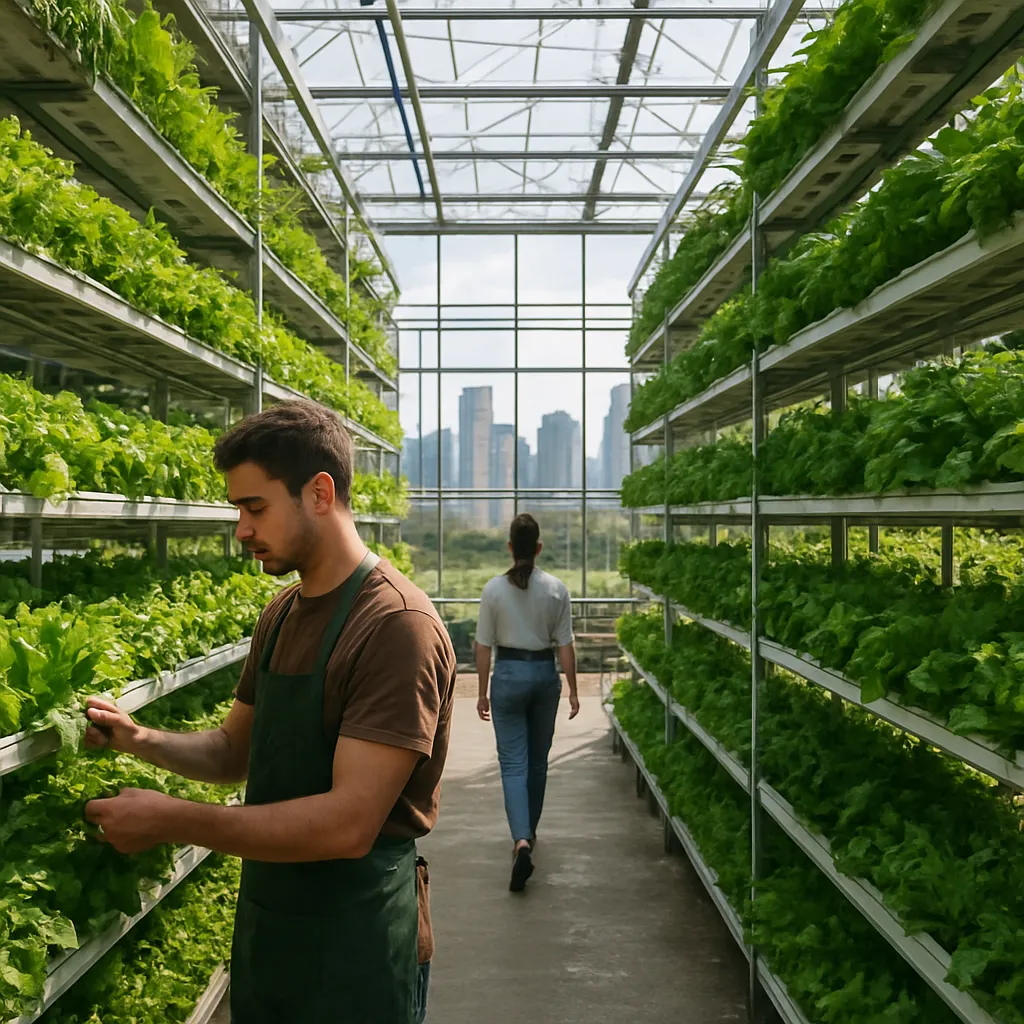
- Urban farming: Vertical gardens and rooftop plots supplying local markets with fresh produce.
- Regenerative agriculture: Enhancing soil carbon stocks and restoring degraded lands.
- Agtech integration: Leveraging AI and IoT for real-time decision-making and risk management.
- Community-supported agriculture (CSA): Strengthening direct links between farmers and consumers.
By balancing productivity with environmental stewardship, organic farming can play a central role in building resilient food systems. Through continued collaboration and learning, world farms can meet future needs while safeguarding the planet for generations to come.