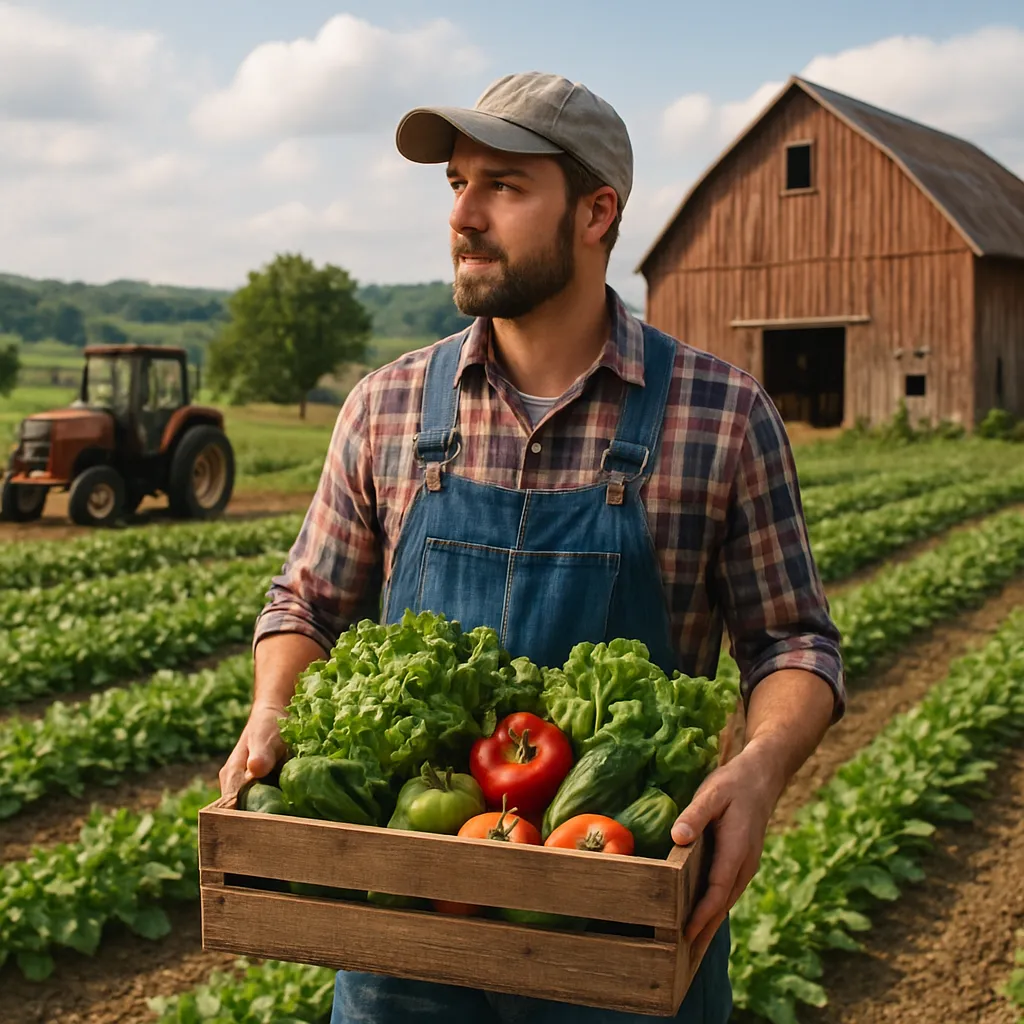
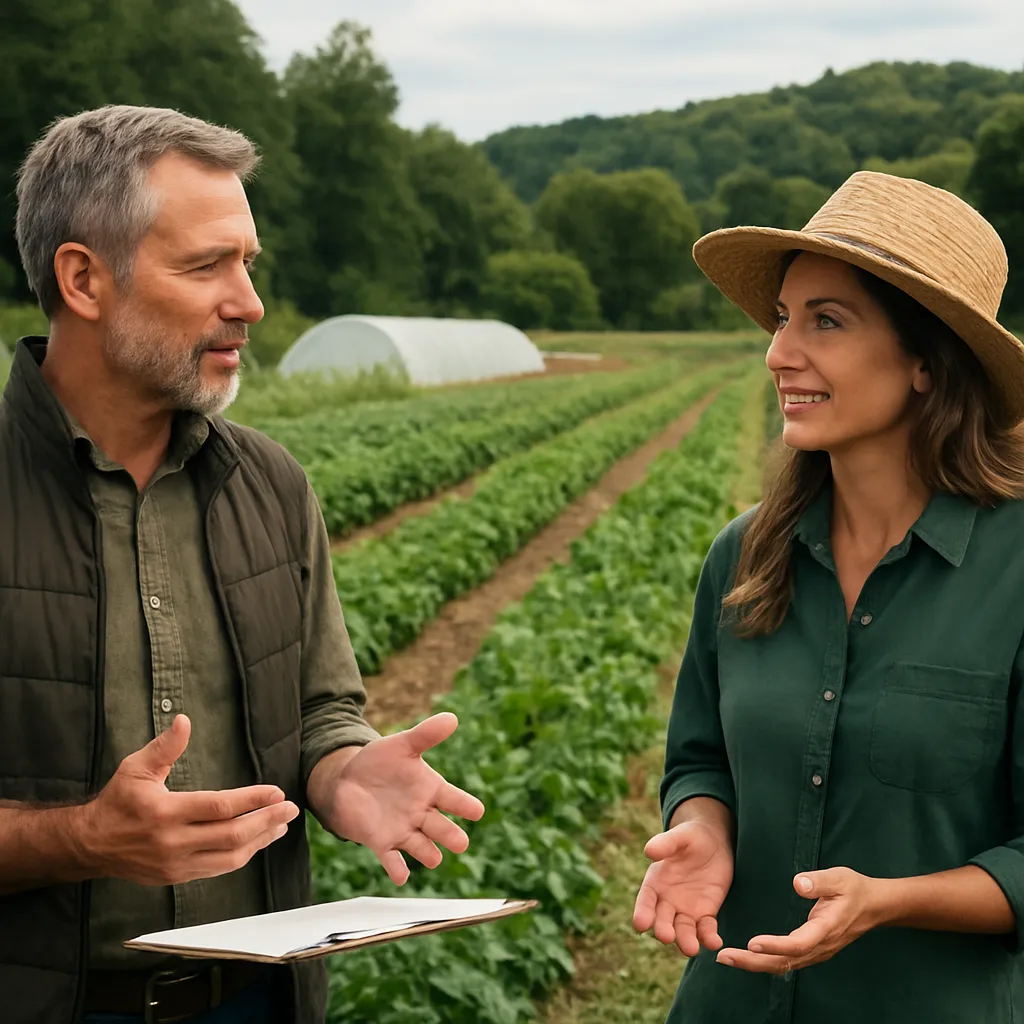
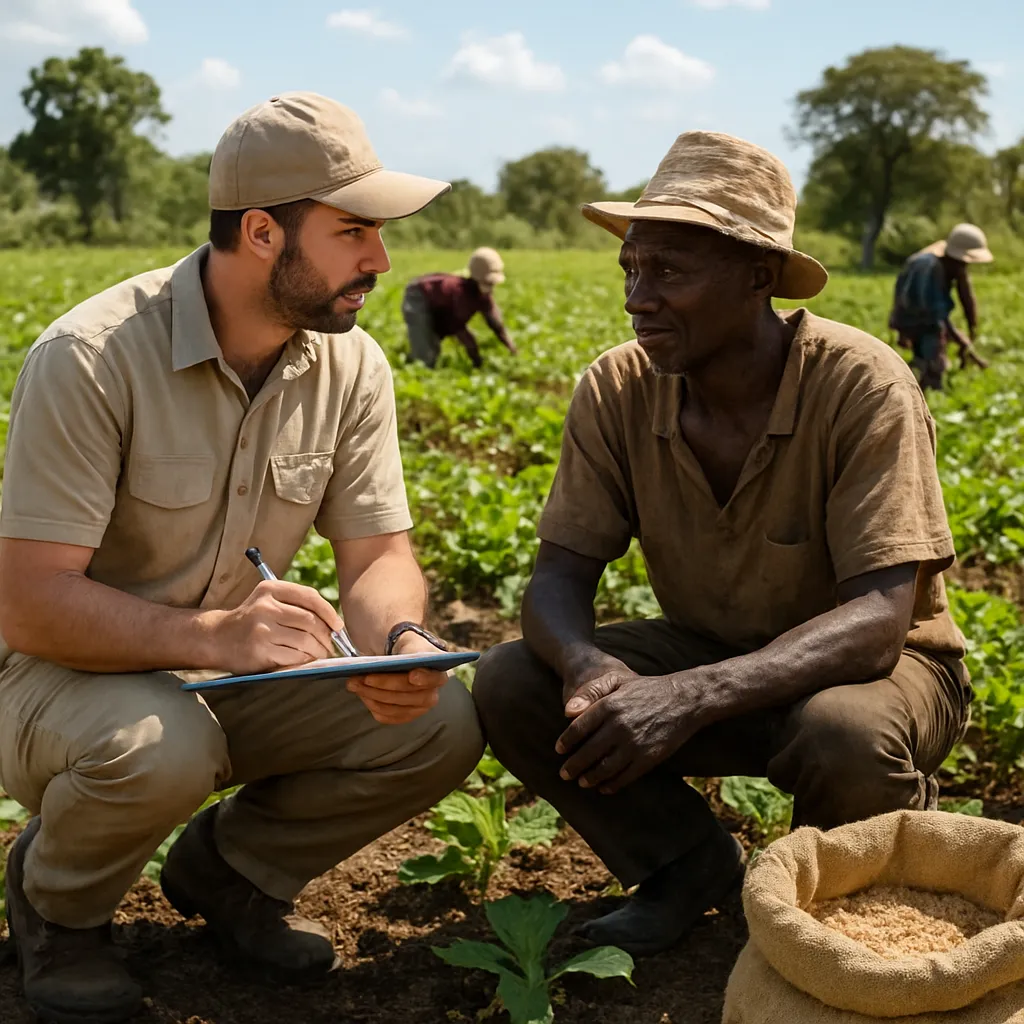
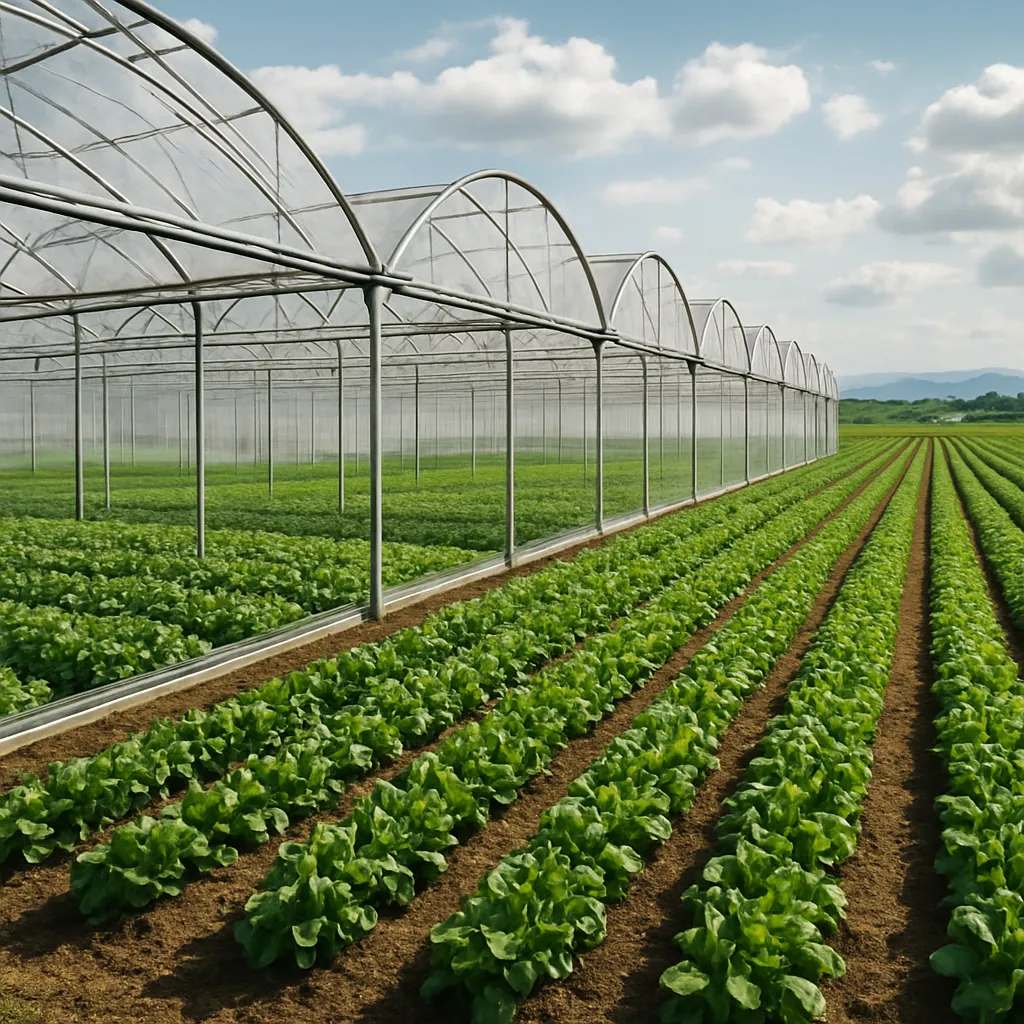
Agriculture has undergone a profound transformation over centuries, shaping civilizations and feeding billions. From humble beginnings in small family plots to sprawling agro-industrial complexes, the journey of world farms reflects human ingenuity and adaptation. This exploration delves into pivotal eras, highlighting how core practices and cutting-edge developments converge to secure our food future.
Traditional Farming Practices and Their Roots
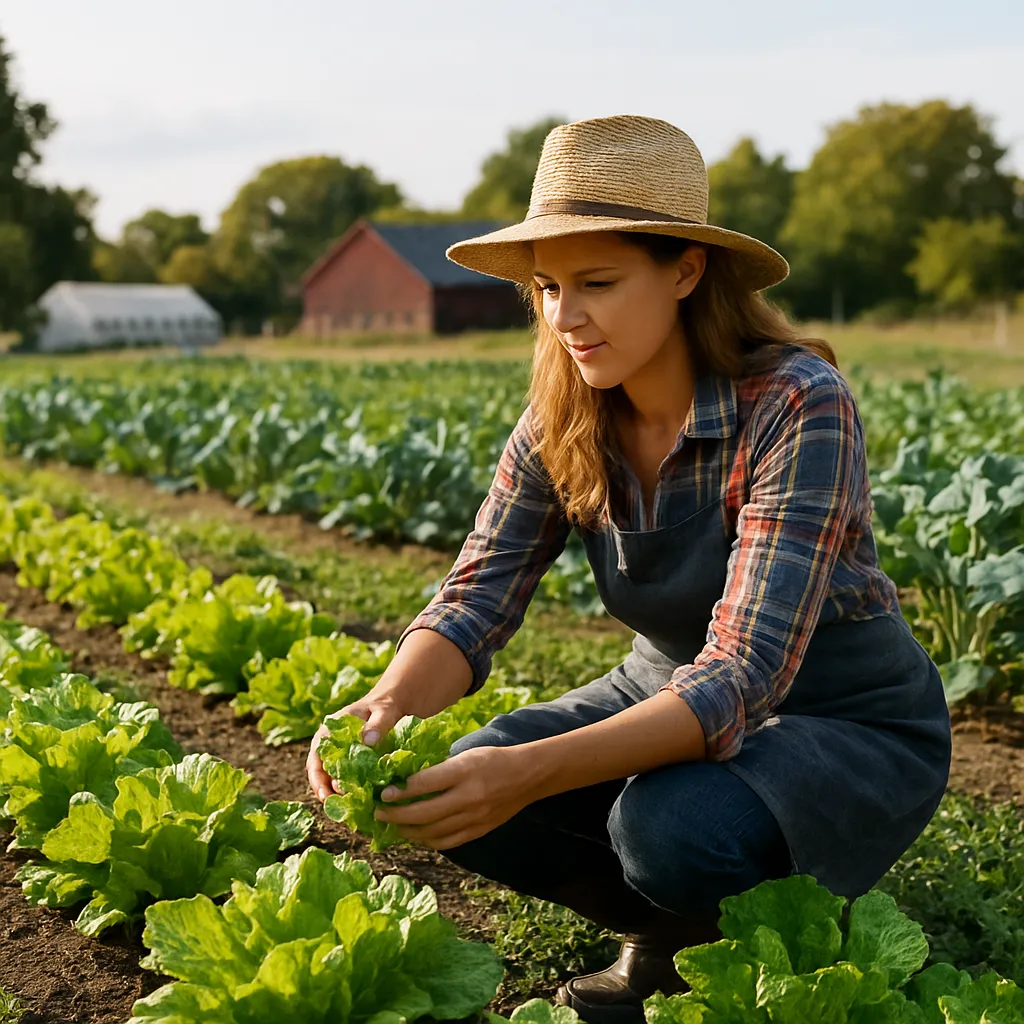
The roots of modern agriculture trace back to early hunter-gatherer societies that gradually mastered plant domestication. Ancient communities relied on natural processes such as floodplain enrichment and seed saving to ensure consistent harvests. Techniques like crop rotation emerged in various regions, reducing pest pressures and maintaining soil fertility.
Typical features of this era included communal labor, simple hand tools, and reliance on local knowledge passed down through generations. Farmers coordinated planting schedules with seasonal cycles, often guided by lunar phases and local climate cues. Irrigation channels carved into terraces and riverbanks demonstrated early mastery of water management, while polyculture systems fostered biodiversity and resilience.
- Seed selection and preservation
- Animal-drawn plows and harrows
- Organic fertilization using manure and compost
- Intercropping to optimize land use
Despite limited yield compared to modern standards, these practices laid the groundwork for continuous improvement. The interplay between human labor and ecological balance defined a sustainable rhythm that would influence agricultural thought for millennia.
Rise of Mechanization and Industrial Agriculture
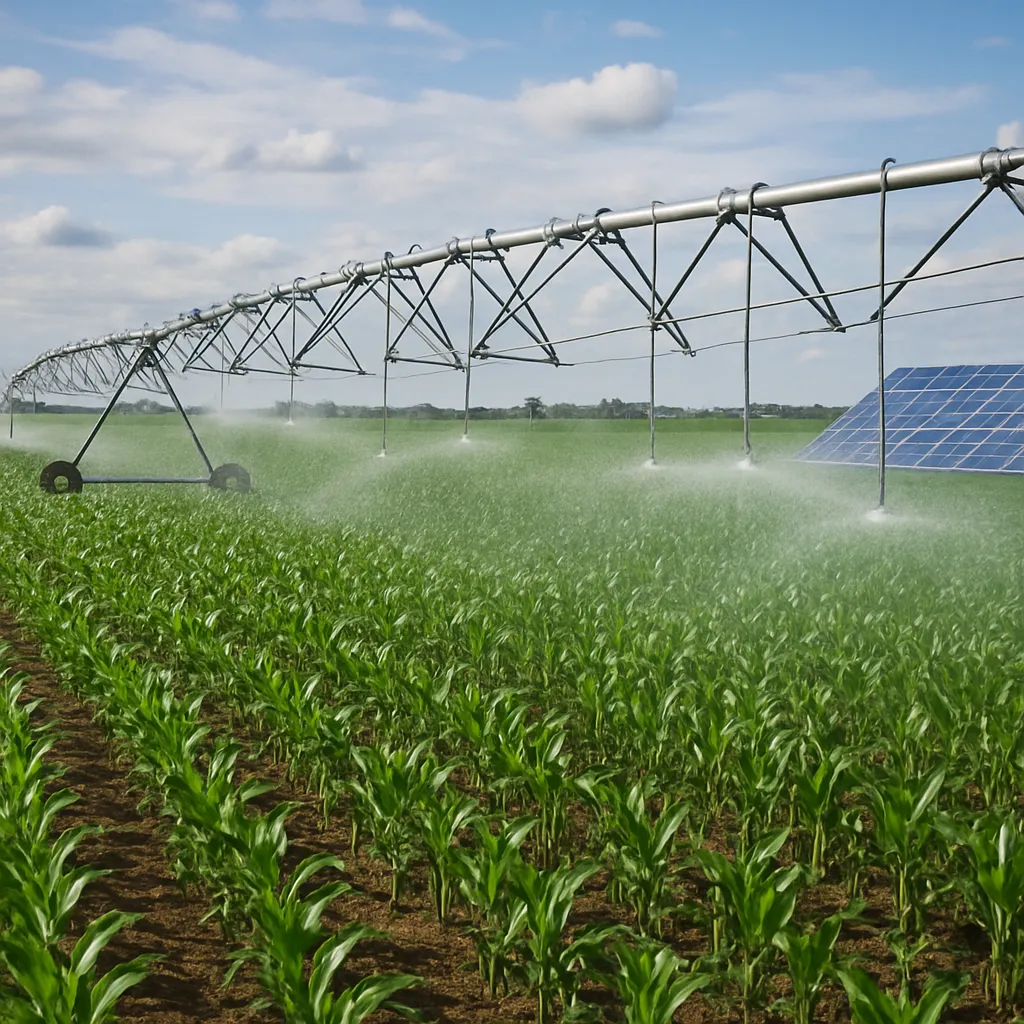
The eighteenth and nineteenth centuries marked a turning point with the advent of steam engines and later internal combustion. Mechanization introduced tractors, combines, and other machinery that exponentially boosted productivity. This mechanization revolution enabled farmers to cultivate larger fields with less manual effort, dramatically increasing per-acre output.
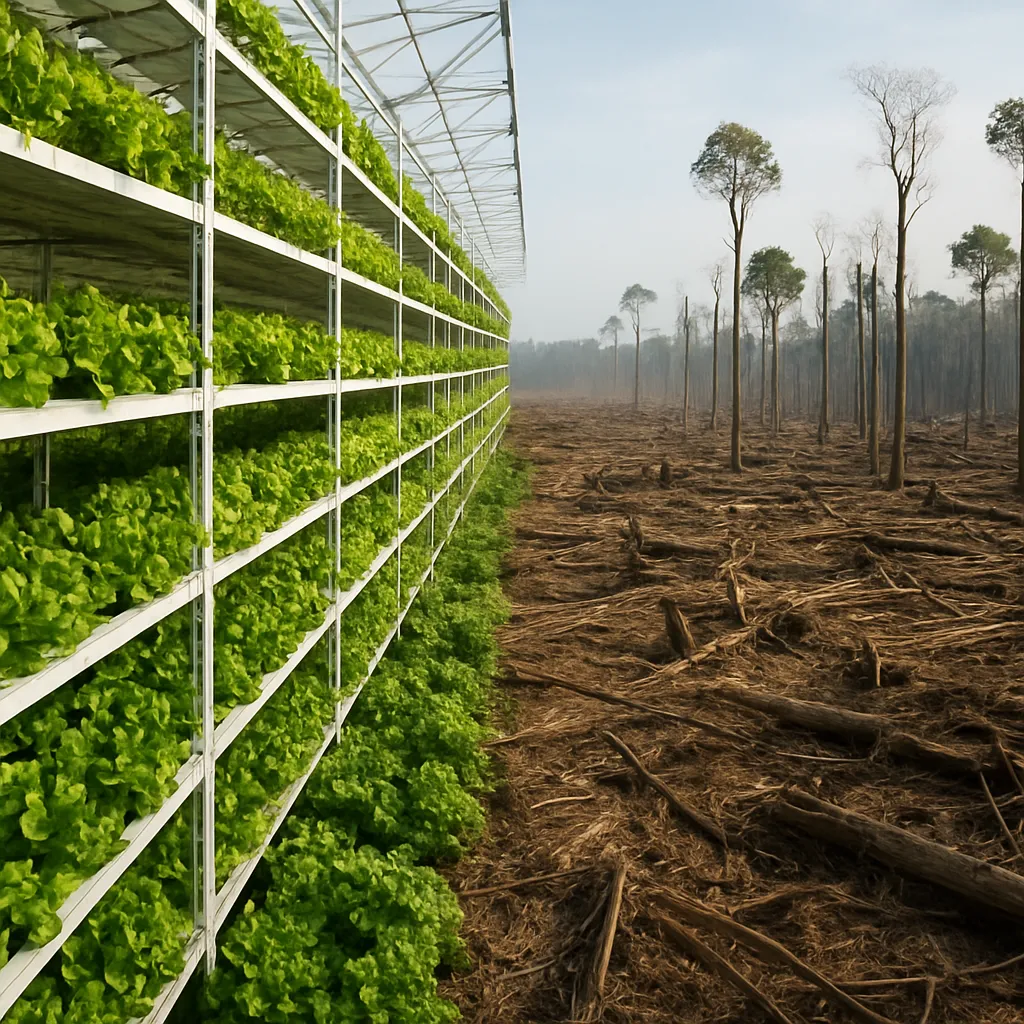
Large-scale monocultures became common, focusing on staple commodities like wheat, corn, and soy. The Green Revolution of the mid-twentieth century further accelerated this shift by introducing high-yield varieties and synthetic fertilizers. While yields soared, environmental concerns emerged: soil degradation, water pollution, and loss of genetic diversity raised alarms among ecologists and policymakers.
- Tractor-driven plowing and harvesting
- Chemical pesticides and herbicides
- Mass-produced hybrid seeds
- Centralized grain storage and processing
Yet, even as yields climbed, traditional smallholders struggled to compete with industrial behemoths. The drive for higher production often overshadowed local knowledge systems, leading to social shifts in rural communities and a growing demand for regulatory frameworks to protect public health and the environment.
Digital Revolution in Agriculture
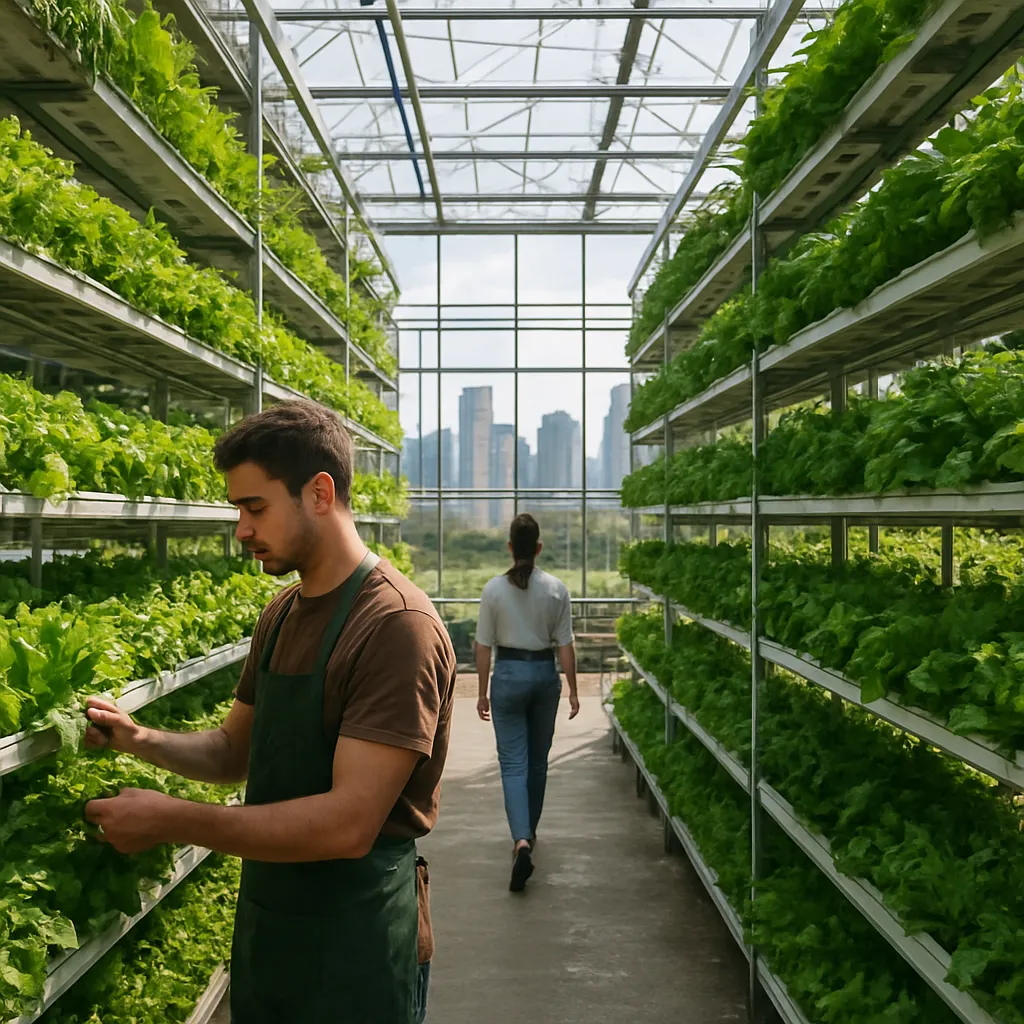
The twenty-first century ushered in an era of technology-driven agriculture, often termed “smart farming” or AgTech. Innovations in data analytics, robotics, and connectivity have enabled unprecedented oversight and control over every facet of production. Farmers now rely on real-time insights delivered by satellites, sensors, and geographic information systems to make informed decisions.
Key elements of this revolution include:
- Precision seeding and variable-rate fertilization
- Unmanned aerial vehicles (drones) for crop monitoring
- Automated machinery guided by GPS
- Cloud-based platforms aggregating weather, pest, and soil data
By tailoring inputs—water, nutrients, pesticides—to the specific needs of each field segment, farmers optimize resource use and minimize environmental impact. This approach elevates precision to a core tenet of modern operations, ensuring that interventions occur only where and when they are needed most.
Moreover, predictive algorithms powered by machine learning analyze historical yields, market trends, and climate projections to forecast outcomes and recommend cropping strategies. Such tools are invaluable for risk mitigation, especially in the face of unpredictable weather patterns and global supply chain disruptions.
Emerging Frontiers: Biotechnology and Sustainability
In the quest to feed a growing population, contemporary research focuses on enhancing genetic potential and environmental stewardship. Advances in biotechnology allow scientists to engineer crops that resist drought, pests, and diseases, promising higher yield with reduced chemical interventions.
At the same time, regenerative agriculture gains traction as a holistic framework. Practices like no-till farming, agroforestry, and cover cropping rebuild soil carbon, support pollinators, and sequester greenhouse gases. Farmers adopt circular models where waste streams feed livestock, and manure returns organic matter to the land.
- CRISPR gene editing for trait development
- Biofertilizers and microbial inoculants
- Water-saving irrigation technologies
- Carbon credits and ecosystem service markets
Collaboration between public institutions, private firms, and local communities drives innovation toward common goals of sustainability and resilience. Pilot projects in diverse climates—from arid regions to tropical zones—demonstrate how integrated approaches can reconcile productivity with environmental integrity.
As global demand for food continues to rise, the synergy between advanced science and time-honored wisdom shapes the next chapter of agriculture. By harnessing innovation responsibly, the sector can secure nutrition, livelihoods, and ecological balance for future generations.