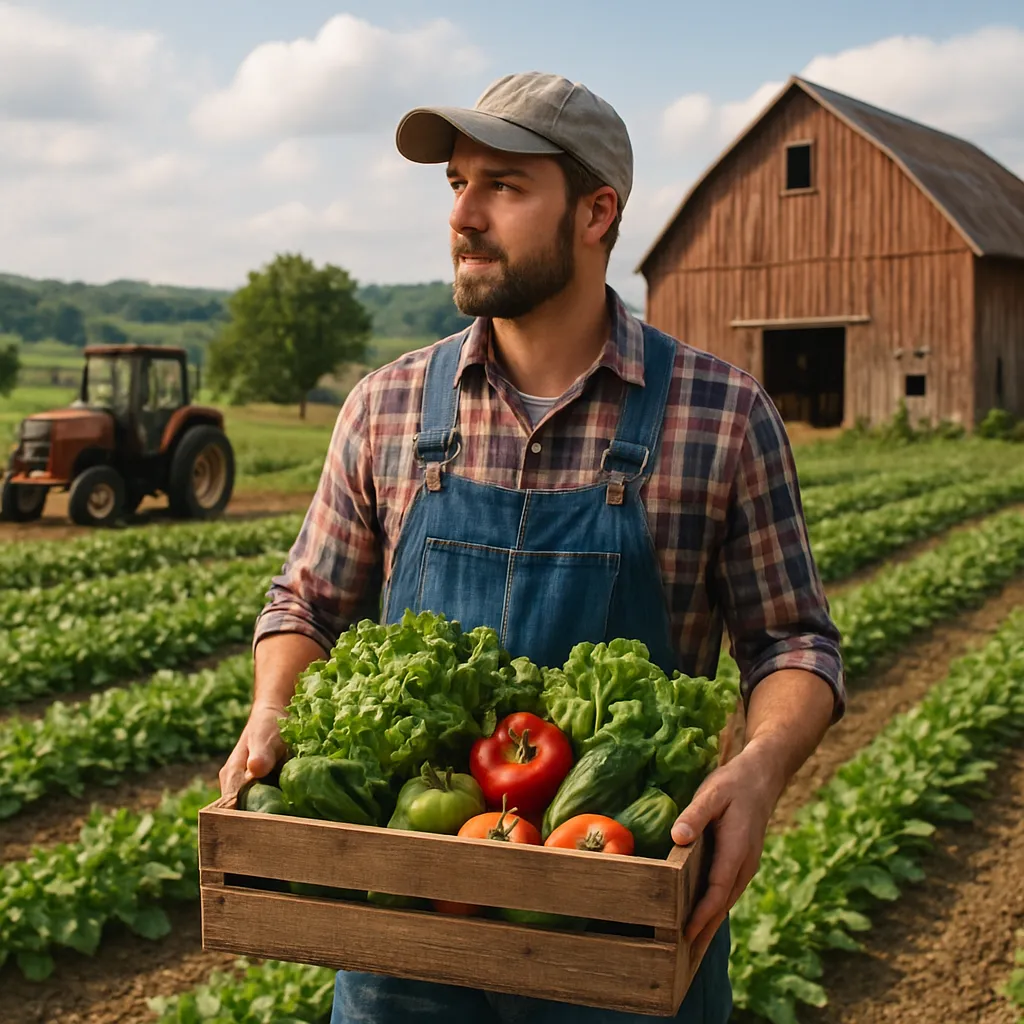
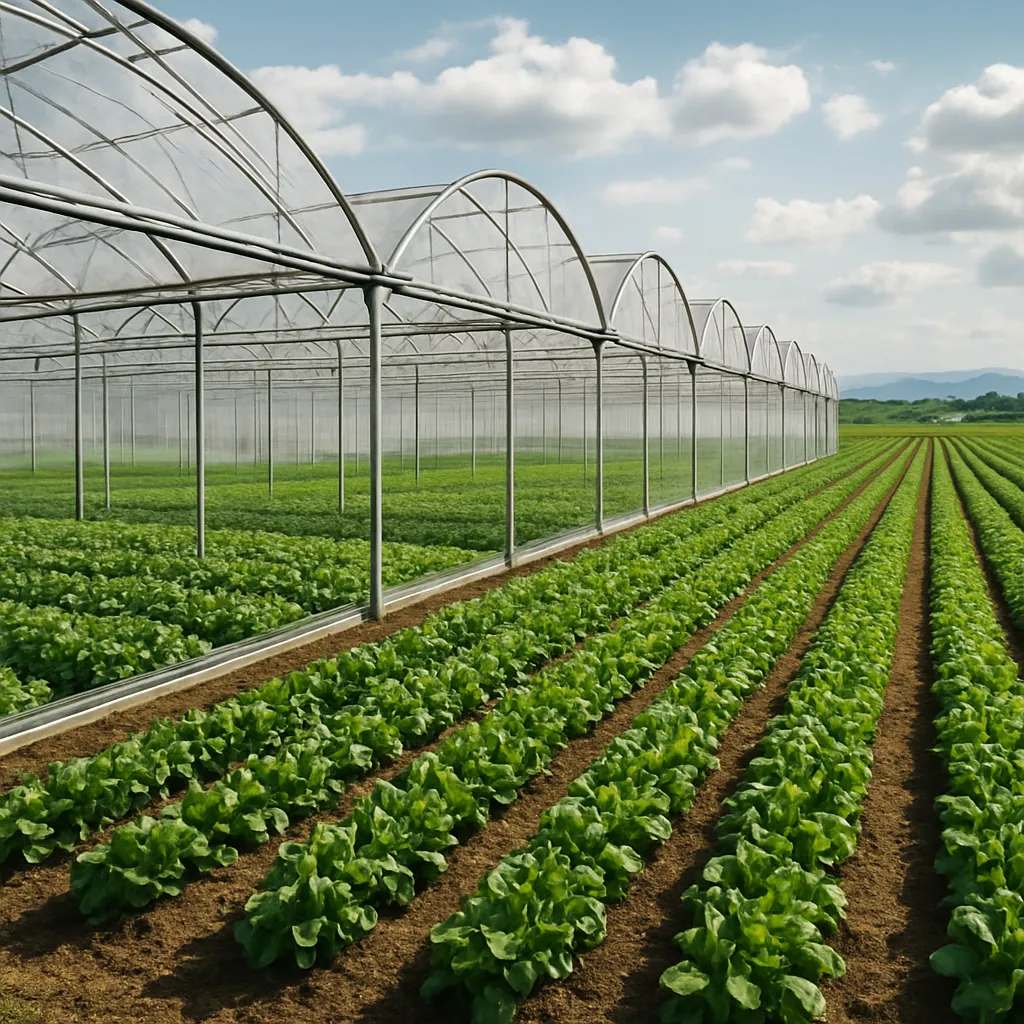
The global demand for water-intensive crops continues to rise as populations grow and dietary preferences evolve. Farmers across continents face the dual pressure of meeting market expectations and preserving precious freshwater resources. The following exploration delves into how large-scale agriculture, environmental challenges, and innovative approaches intersect to shape the future of farming, with an emphasis on the sustainability of both ecosystems and human communities.
Global Water-Intensive Agriculture
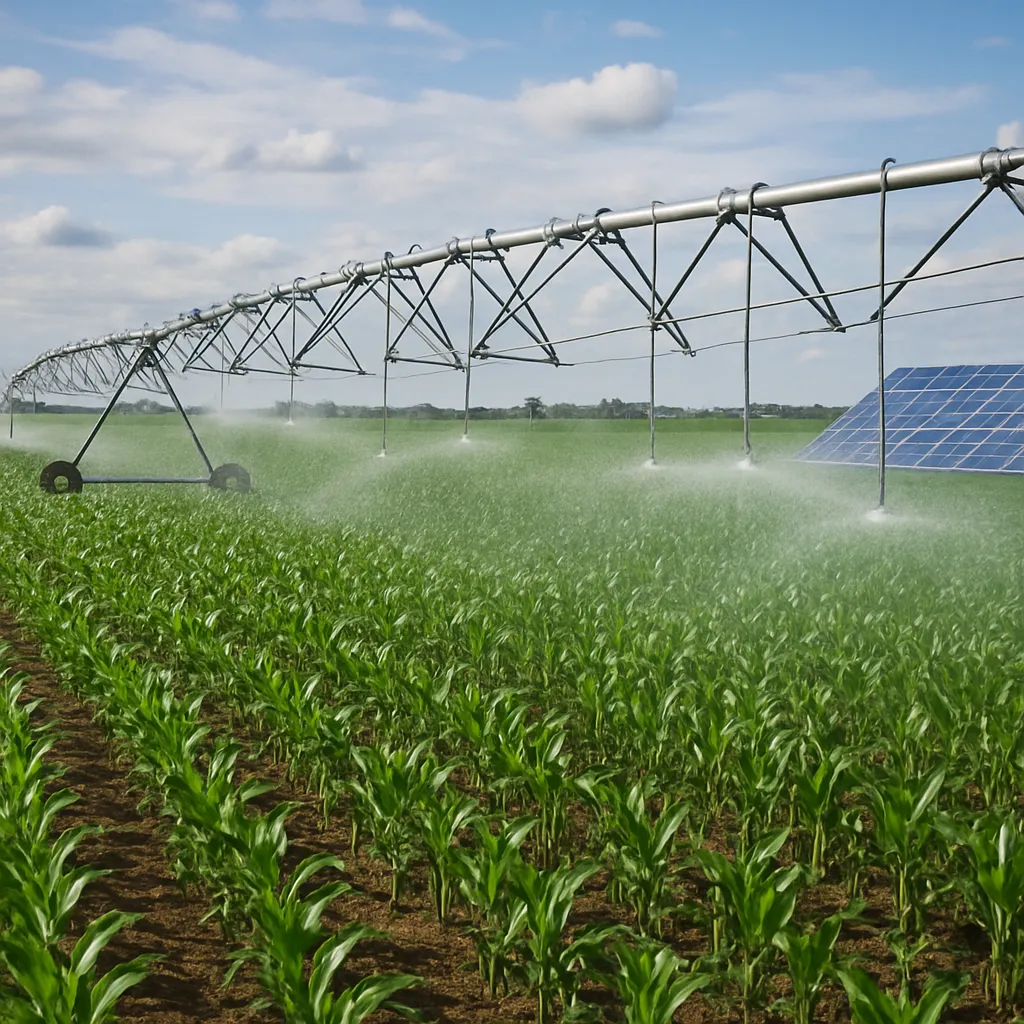
Major staple crops such as rice, cotton, and sugarcane require vast amounts of water to thrive. In regions from Southeast Asia’s paddy fields to the American Midwest’s expansive cotton plantations, agriculture accounts for roughly 70% of the world’s freshwater withdrawal. The dependency on surface water and groundwater reserves intensifies pressures on aquifers and river basins that already face seasonal variability.
These large-scale operations often rely on irrigation systems that date back decades, some of which remain inefficient. Traditional flood and furrow irrigation, for instance, can lose up to 60% of applied water through evaporation and runoff. Meanwhile, many farms operate without reliable data on soil moisture or local hydrology, resulting in overapplication of water and nutrient leaching.
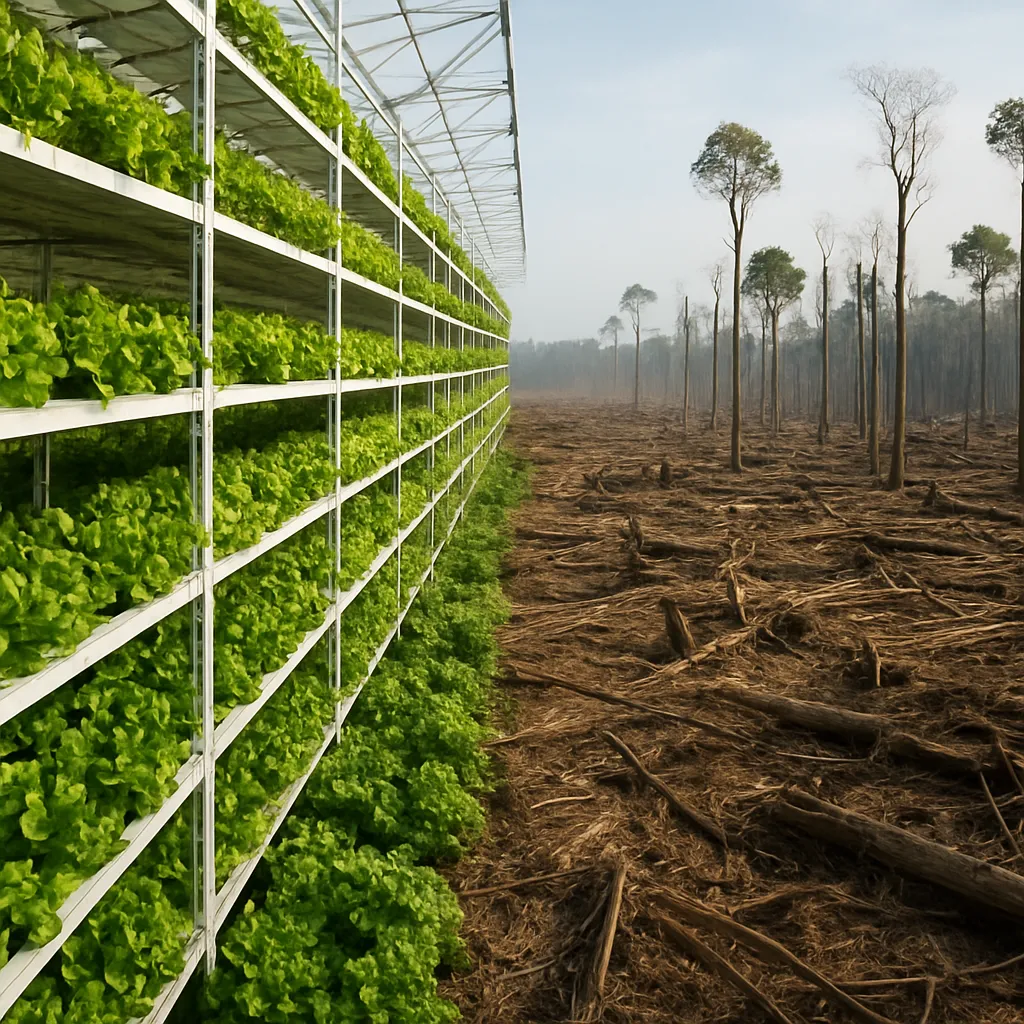
Understanding the global context is crucial. In North Africa, cereal production has soared despite rising drought events. In South America, soybean and maize cultivation expand into previously forested areas, shifting the hydrological cycle. Each region’s unique climate and policy framework influence the extent of water usage and environmental strain.
Environmental Consequences and Challenges
The environmental footprint of water-intensive crops extends far beyond water withdrawal. Overextraction of groundwater leads to aquifer depletion and land subsidence, while excessive irrigation can cause soil salinization. Freshwater ecosystems, such as wetlands and riverine habitats, suffer when flows are diverted to agricultural canals.
- Water scarcity: In arid and semi-arid zones, prolonged pumping lowers water tables, jeopardizing wells that rural communities depend on.
- Land degradation: Continuous cultivation without adequate fallow periods depletes organic matter and disrupts soil structure.
- Greenhouse gas emissions: Flooded rice paddies emit methane, a potent greenhouse gas, contributing to climate change.
- Biodiversity loss: Conversion of natural habitats to farmland reduces wildlife corridors and alters regional rainfall patterns.
Compounding these issues, global warming intensifies the frequency and severity of heatwaves and drought cycles. In regions like California’s Central Valley, projections indicate that water availability during critical growing seasons will decline by up to 30% over the next fifty years. As surface water sources shrink, farms increase well drilling, further straining underground reserves.
Innovative Adaptation Strategies by Farmers
Faced with mounting environmental pressures, farmers worldwide are adopting measures to enhance water use efficiency and support long-term agricultural viability. Technological advances, policy incentives, and community-driven initiatives all play roles in this transformation.
Precision Irrigation and Smart Technology
By integrating soil moisture sensors, weather data, and automated valves, drip irrigation systems deliver water directly to plant root zones, reducing losses to evaporation and runoff. Recent developments include:
- Wireless soil probes that report real-time moisture levels to mobile apps
- Remote sensing via satellites or drones to map field variability, guiding variable-rate irrigation
- AI-driven controllers that adjust irrigation schedules based on evapotranspiration forecasts
These innovations contribute to significant water savings, often between 30% and 50% compared to flood irrigation. Additionally, precision tools help manage nutrient applications, limiting the leaching of fertilizers into waterways.
Alternative Crops and Crop Rotation
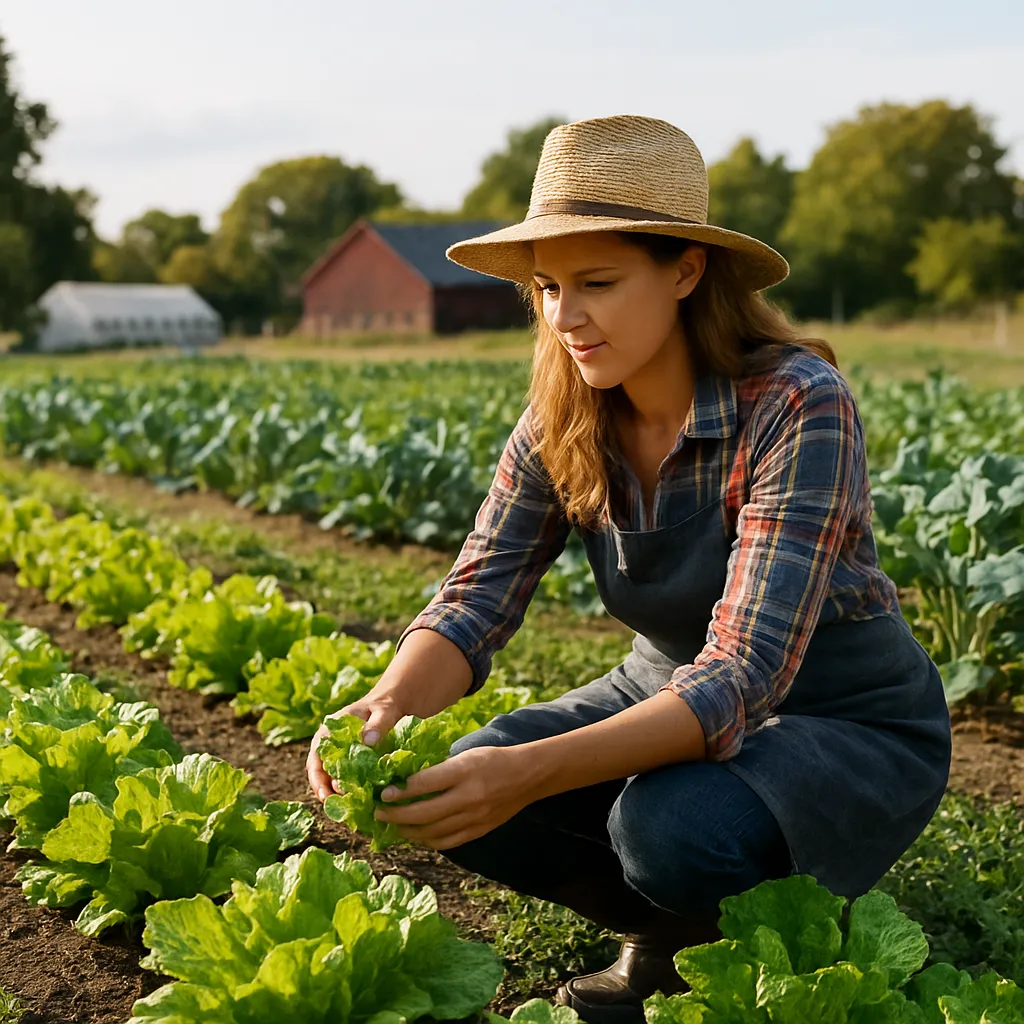
Transitioning from highly water-demanding crops to more resilient varieties can alleviate pressure on scarce resources. Farmers in parts of India and Africa, for example, substitute some rice acreage with sorghum or millet, crops better adapted to drought conditions. Meanwhile, crop rotation strategies incorporate legumes such as beans or chickpeas, which enrich soil nitrogen and break pest cycles.
Intercropping trees with annual grains—an agroforestry approach—improves soil structure and increases overall system resilience. These mixed systems provide multiple benefits:
- Enhanced conservation of soil moisture under tree canopies
- Reduced need for synthetic fertilizers through natural nitrogen fixation
- Creation of wildlife habitats that boost biodiversity
Rainwater Harvesting and On-Farm Storage
Farmers in rural Latin America and parts of Australia are investing in small-scale reservoirs and earthen ponds to capture seasonal rains. This practice, known as rainwater harvesting, ensures water availability during dry spells without tapping into stressed aquifers. Combined with contour bunding and terracing, these systems also curb soil erosion on sloped terrain.
Policy, Community Engagement, and Future Outlook
Technological solutions alone cannot resolve every challenge. Effective water management requires collaboration across stakeholders, from local farmers to national policymakers.
Regulatory Frameworks and Incentives
Governments can promote sustainable practices by offering subsidies for water-saving equipment and enforcing groundwater extraction limits. Tradable water rights systems, implemented in countries like Australia, encourage users to optimize efficiency and innovate. However, such policies must be tailored to local socio-economic contexts to avoid adverse impacts on smallholders.
Community-Led Initiatives
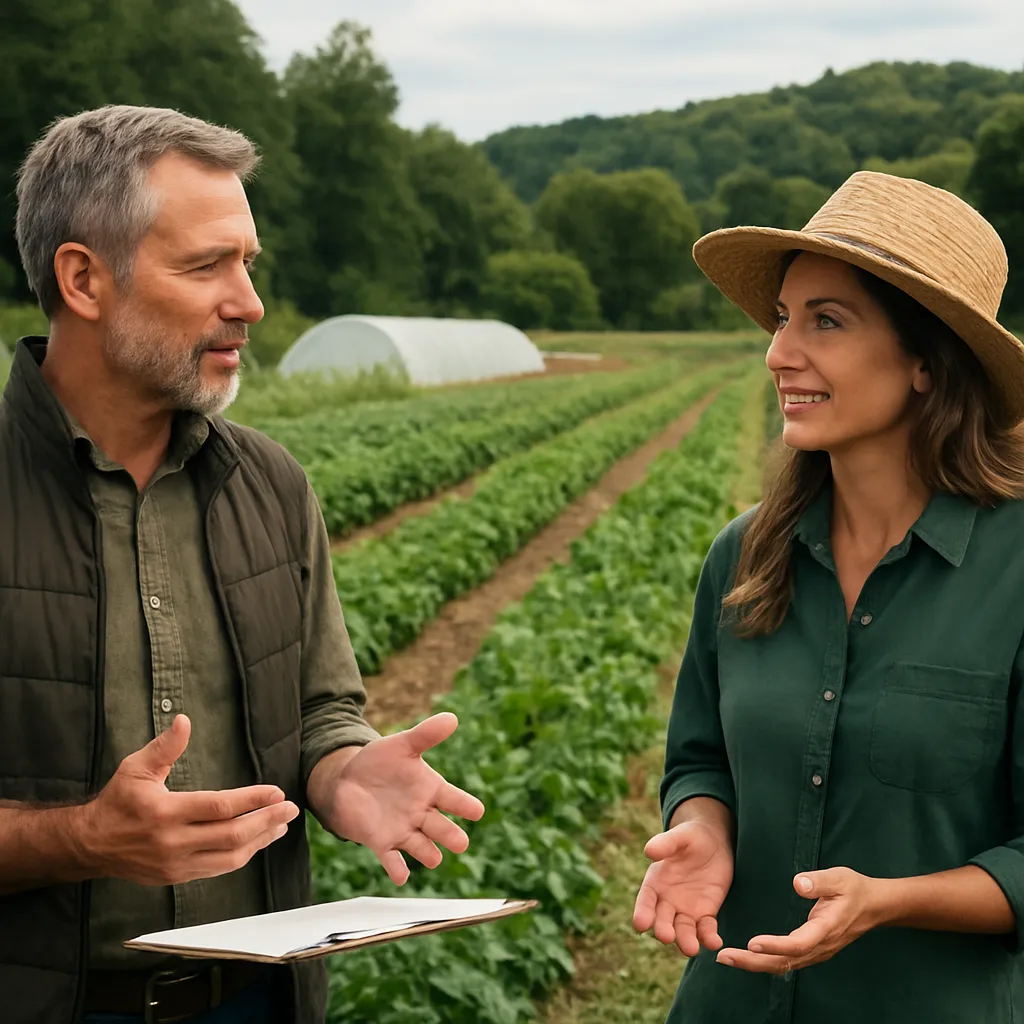
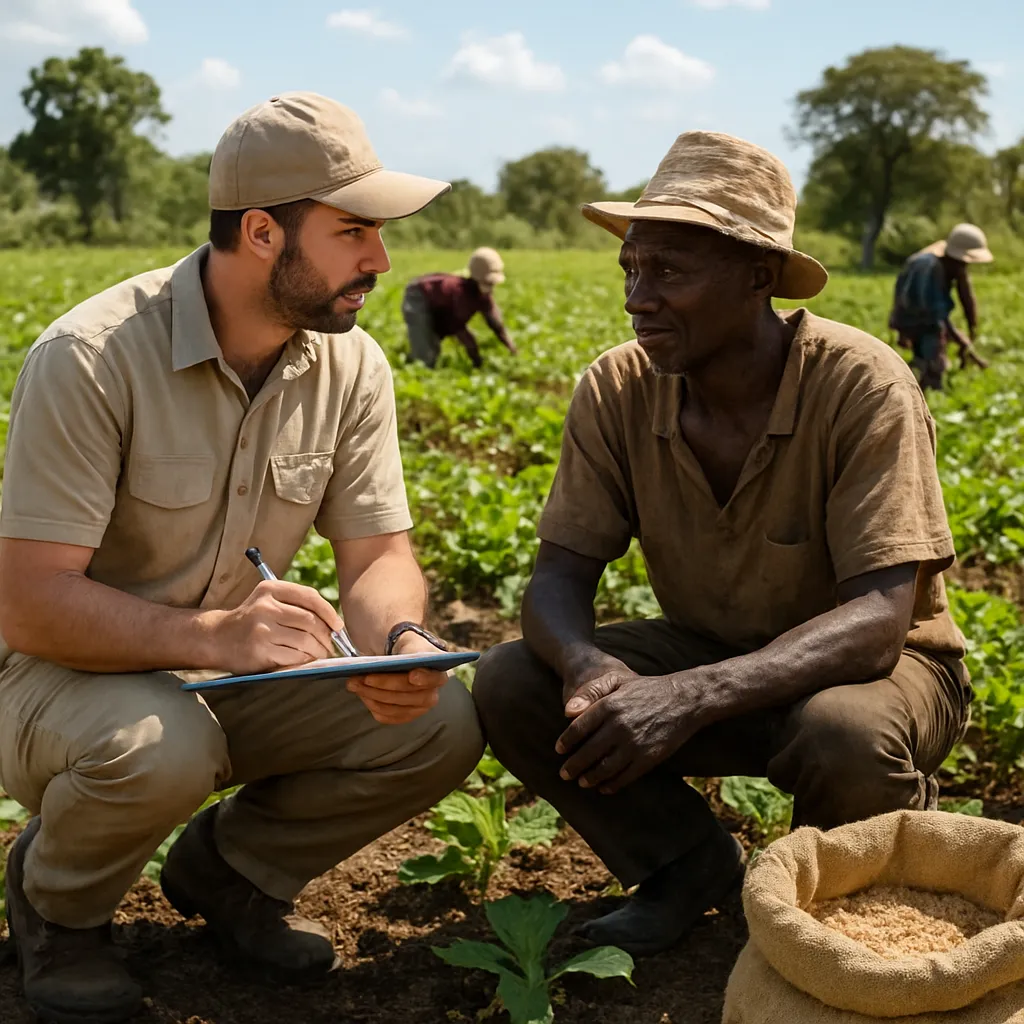
In regions like Sub-Saharan Africa, farmer cooperatives share knowledge and invest collectively in communal irrigation projects. These community-led approaches foster local ownership and ensure that benefits reach all members. Training programs on conservation agriculture teach techniques such as minimum tillage and cover cropping, reducing evaporation and improving soil health.
Research and Collaboration
Ongoing partnerships between universities, NGOs, and private enterprises drive research into new crop varieties with improved water-use traits. Biotechnological advances aim to enhance root systems, enabling plants to access deeper soil moisture. Public–private partnerships also fund pilot projects testing multi-layered water governance models, integrating technology, policy, and traditional knowledge.
In a world where water scarcity intersects with evolving food demands and climatic unpredictability, the agricultural sector stands at a crossroads. By embracing innovation, strengthening governance, and fostering collaboration, farmers can mitigate environmental impacts and chart a path toward truly sustainable production.