The colossal expansion of modern agriculture has radically transformed landscapes, reshaping ecosystems to meet rising food demand. While industrial farming delivers unprecedented food volumes, its environmental toll cannot be overlooked. From the relentless consumption of freshwater resources to the unchecked emission of greenhouse gases, large-scale farms have become a focal point in debates about sustainability, biodiversity, and long-term food security. Understanding the environmental impact of these practices is essential for forging a future where agriculture coexists with resilient natural systems.
Environmental Footprint of Industrial Agriculture
Intensive crop cultivation and concentrated livestock operations generate significant pressures on land, water, and the atmosphere. Vast monocultures of commodity grains, often treated with synthetic fertilizers and pesticides, can deplete soil fertility and foster soil degradation. Meanwhile, mega-feedlots produce immense quantities of manure, elevating risks of water pollution in adjacent rivers and aquifers. Combined, these activities contribute to one-third of global greenhouse gases (GHGs), amplifying climate change concerns.
- Pesticide Usage: Widespread chemical spraying harms non-target species, reduces pollinator populations, and can contaminate groundwater.
- Deforestation: Clearing forests for cropland or pasture destroys habitats and undermines regional carbon sinks.
- Overextraction of Water: Irrigation for water-intensive crops can exceed natural replenishment rates, triggering aquifer decline and altered river flows.
- Monoculture Practices: Repeatedly planting the same crop depletes trace minerals, increases pest vulnerability, and erodes soil structure.
- GHG Emissions: Methane from ruminants and nitrous oxide from fertilized soils have high global warming potentials.
- Habitat Fragmentation: Large farms carve continuous forests into isolated plots, impeding wildlife movement and gene flow.
Drivers and Practices Shaping Today’s Global Farms
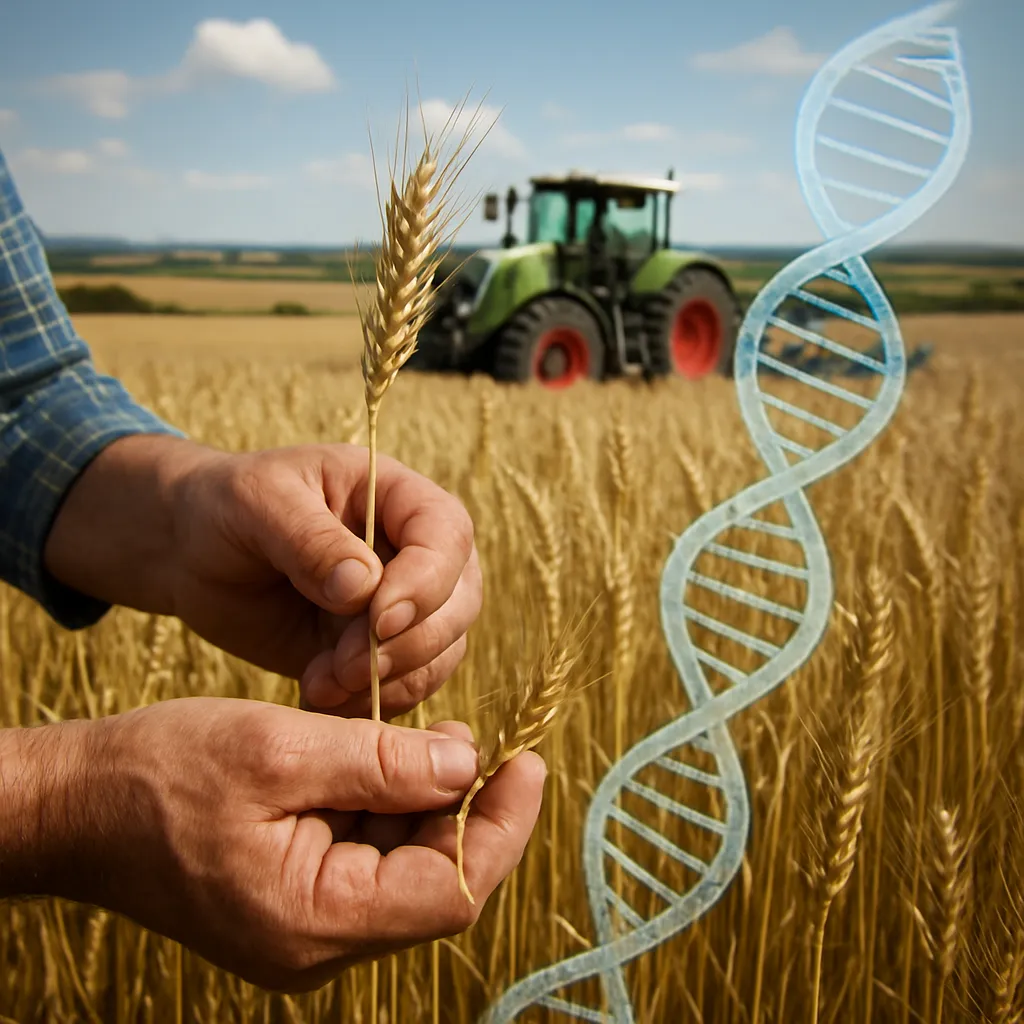
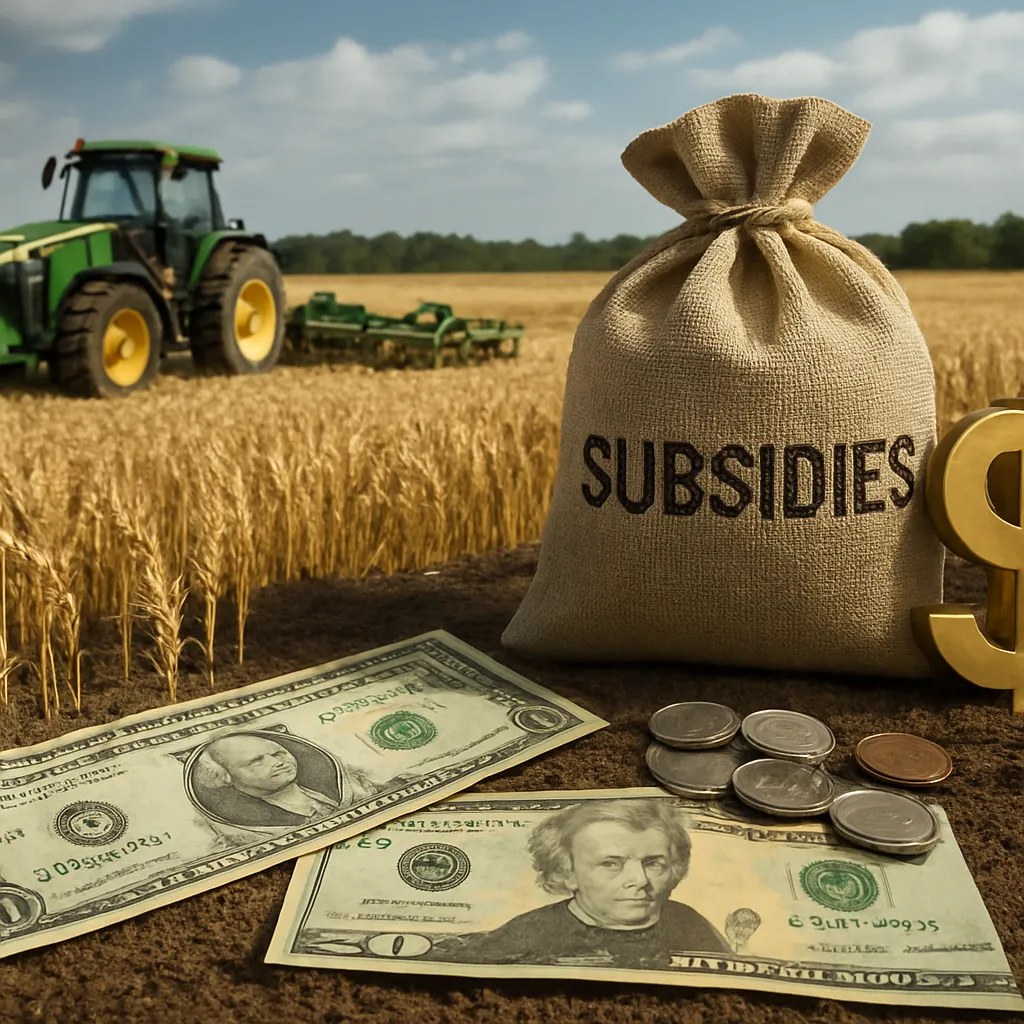
A confluence of technological innovation, market forces, and policy incentives has propelled the intensification of agriculture. Governments often subsidize high-yield seeds and agrochemicals, while multinational food companies demand uniform products at ever-lower prices. This dynamic fosters the rise of monocultures across continents, reinforcing dependence on a narrow range of species and undermining genetic diversity.
On the livestock side, sprawling feedlots concentrate thousands of animals in confined spaces to maximize weight gain. Though economically efficient, these systems concentrate waste, complicate manure management, and elevate the spread of zoonotic diseases. Moreover, the extraction of water for irrigated pastures and feed crops can outstrip local supply, exacerbating drought conditions.
Economic and Social Pressures
Smallholder farmers often struggle to compete with low unit costs achieved by industrial operations. As a result, many either abandon traditional practices or contract with large agribusiness firms, further entrenching corporate control. This trend undermines rural livelihoods, diminishes cultural practices linked to farming, and diminishes local capacity to implement context-specific solutions.
Innovations and Sustainable Alternatives
Despite the challenges, a growing movement champions farming methods that restore ecological balance while maintaining productivity. Integrating agroecology principles, practitioners diversify crops, rotate livestock, and employ ecological pest management. By mimicking natural systems, these approaches bolster resilience to extreme weather and reduce reliance on synthetic inputs.
- Regenerative Agriculture: Builds soil organic matter, enhances carbon sequestration, and improves water-holding capacity through cover crops and minimal tillage.
- Agroforestry: Combines trees with crops or livestock, delivering shade, nutrient cycling, and habitat corridors for wildlife.
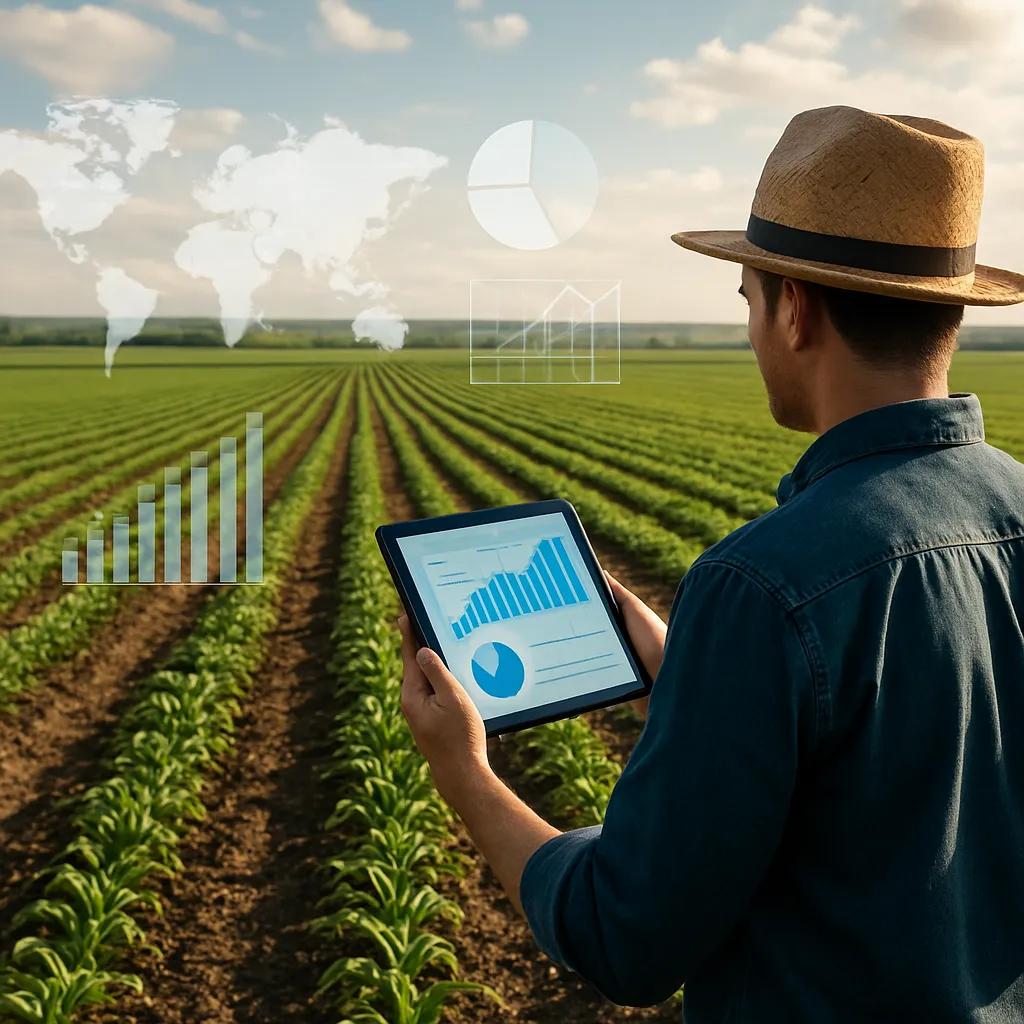
- Precision Farming: Uses sensors and data analytics to optimize fertilizer and water applications, maximizing resource efficiency and reducing waste.
- Organic Systems: Eliminate synthetic pesticides and fertilizers, leveraging compost, biological control agents, and crop rotations to sustain fertility.
- Circular Economy Models: Transform farm waste into energy and inputs, closing nutrient loops and reducing external dependencies.
Transitioning at scale will require adjusting subsidies, reforming land-use policies, and incentivizing farmers to adopt practices that prioritize long-term environmental health over short-term yields. Collaborative research, knowledge sharing, and market mechanisms that reward ecosystem services are vital components of a more balanced agricultural paradigm.