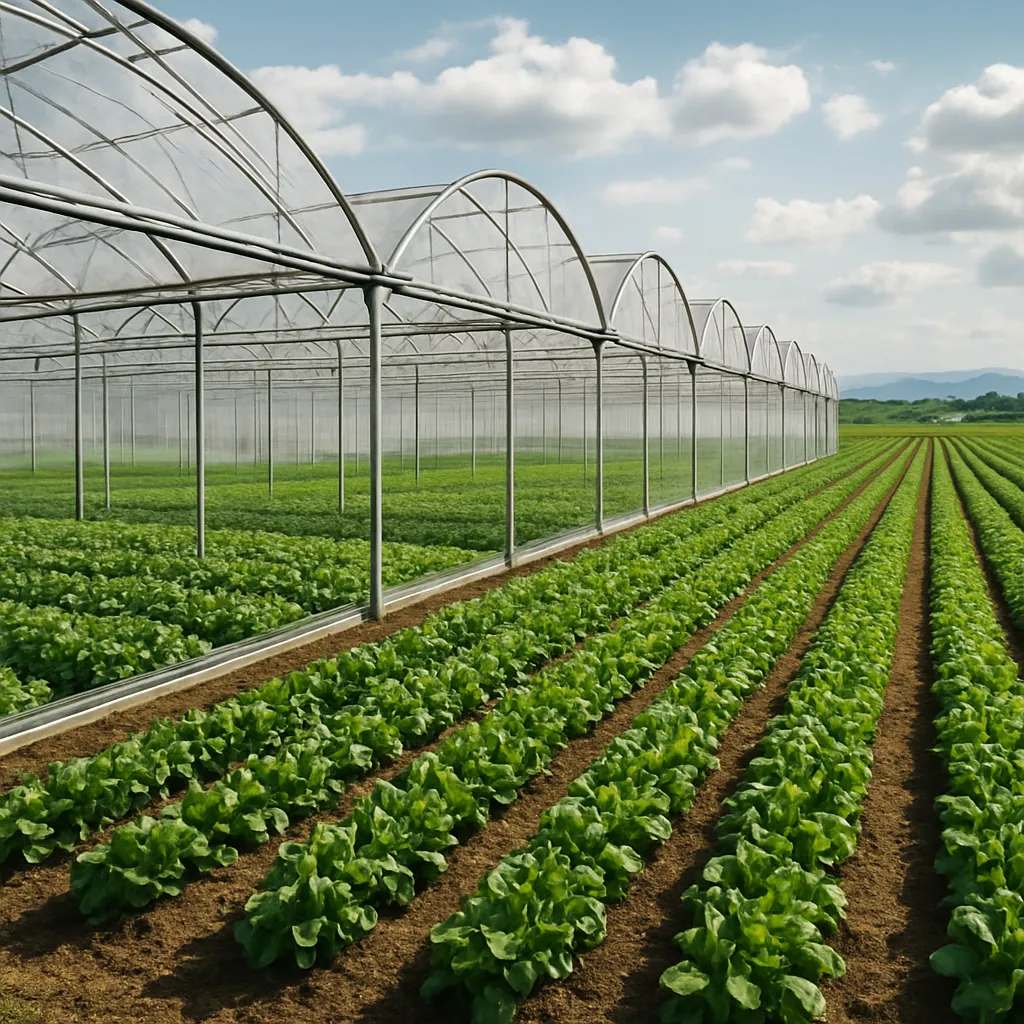
The integration of trees and shrubs into agricultural systems offers a transformative path toward more resilient, productive, and ecologically balanced farms. Across world farms, agroforestry practices not only enhance yields but also deliver critical ecosystem services that support long-term sustainability. This article explores the environmental benefits of these systems, highlighting innovative techniques, real-world examples, and the ways they contribute to climate adaptation and rural livelihoods.
The Role of Agroforestry in Sustainable Agriculture
At its core, agroforestry merges woody perennials with crops or livestock in the same land management unit. This multidisciplinary approach leverages the strengths of each component to produce diversified outputs and foster ecological harmony. Unlike conventional monocultures, agroforestry systems mimic natural forest structures, promoting nutrient cycling, soil protection, and habitat continuity.
Defining Agroforestry
Agroforestry encompasses a variety of arrangements, including alley cropping (rows of trees interspersed with crops), silvopasture (trees integrated with pasture and livestock), and forest farming (understory cultivation beneath a managed tree canopy). Each model addresses distinct challenges—such as erosion control, shade provision, or fodder production—while collectively reinforcing farm resilience.
Key Practices on World Farms
- Alley Cropping: Alternating fruit or nut trees with annual crops to improve soil fertility and reduce weed pressure.
- Silvopastoral Systems: Grazing livestock under a tree canopy, which moderates temperatures and supplies fodder, boosting animal welfare.
- Windbreaks and Hedgerows: Structured rows of trees and shrubs that diminish wind erosion, shield crops, and attract beneficial insects.
- Forest Farming: Cultivation of high-value understory species (such as medicinal plants or mushrooms) beneath an existing canopy.
Enhancing Soil and Water Conservation
One of the most immediate environmental benefits of agroforestry is its impact on soil and water conservation. Tree roots stabilize the soil profile, minimizing nutrient losses and preventing surface runoff. Leaf litter and pruned residues enrich organic matter, enhancing water-holding capacity and reducing dependence on external fertilizers.
- Improved Infiltration: Deep roots create channels that allow rainwater to percolate more effectively, lessening flood risks.
- Erosion Control: Continuous ground cover from trees and shrubs shields topsoil from raindrop impact and wind scouring.
- Microclimate Regulation: Canopy layers reduce moisture evaporation, sustaining soil moisture during dry spells.
- Reduced Chemical Leaching: Enhanced nutrient uptake by trees lowers the likelihood of nitrate and phosphate pollution in waterways.
Alleys and Silvopastoral Systems
Alley cropping systems, with their strategic spacing, allow machinery access while leveraging tree litter as mulch. Silvopasture designs, by contrast, integrate grazing paths beneath trees, improving forage production and providing shade that resilience to heat stress. Globally, farmers in Brazil, Kenya, and Canada are adopting these methods to sustainably boost productivity while safeguarding vital water resources.
Boosting Biodiversity and Ecosystem Health
Agroforestry’s structural complexity fosters a mosaic of habitats, supporting a wider array of flora and fauna than simplified agricultural landscapes. By creating vertical and horizontal diversity, farms become refuges for pollinators, birds, small mammals, and beneficial invertebrates.
- Wildlife Corridors: Tree-lined boundaries connect remnant forests, allowing species migration and genetic exchange.
- Pollinator Habitat: Flowering trees and shrubs supply nectar and pollen, sustaining bees, butterflies, and other pollinators essential for crop yields.
- Natural Pest Control: Predatory birds and insects find perches and overwintering sites, reducing the need for synthetic pesticides.
- Soil Biota Enhancement: Leaf litter supports a thriving community of earthworms, fungi, and microbes, which drive nutrient cycling.
Carbon Sequestration and Climate Resilience
Trees on farms capture atmospheric carbon dioxide, storing it in biomass and soil, thereby mitigating climate change. Well-designed agroforestry systems can sequester up to five times more carbon per hectare than monocultural croplands. Moreover, their resilience to extreme weather—droughts, heatwaves, and intense storms—is substantially higher thanks to the protective functions of tree canopies.
By diversifying the carbon pools between aboveground trunks, branches, roots, and soil organic matter, these systems create a robust carbon bank. Countries such as India and Ethiopia have incorporated agroforestry into national climate strategies, recognizing its dual role in emissions reduction and adaptation.
Economic and Social Benefits for Farming Communities
Beyond environmental gains, agroforestry strengthens rural economies and social cohesion. Through diversification of products—fruits, nuts, timber, fodder, and specialty crops—farmers access new markets and buffer price fluctuations. Smallholders in Southeast Asia growing cocoa under shade trees, for instance, report higher quality yields and better income stability than those in full-sun monocultures.
- Value-Added Products: Gum, resin, honey, and essential oils sourced from trees can command premium prices.
- Food Security: Intercropped annuals and perennials provide year-round food supply, reducing vulnerability to crop failure.
- Community Engagement: Cooperative nursery programs and collective marketing strengthen local governance and knowledge exchange.
- Land Stewardship: Tenure incentives linked to tree planting encourage long-term land care and conservation.
In many regions, international initiatives promote agroforestry through training, technical support, and microloans. These investments yield high returns in farm productivity, environmental health, and social well-being. As the world’s population grows and climate pressures intensify, integrating trees into farming emerges as a critical strategy for securing a sustainable future.