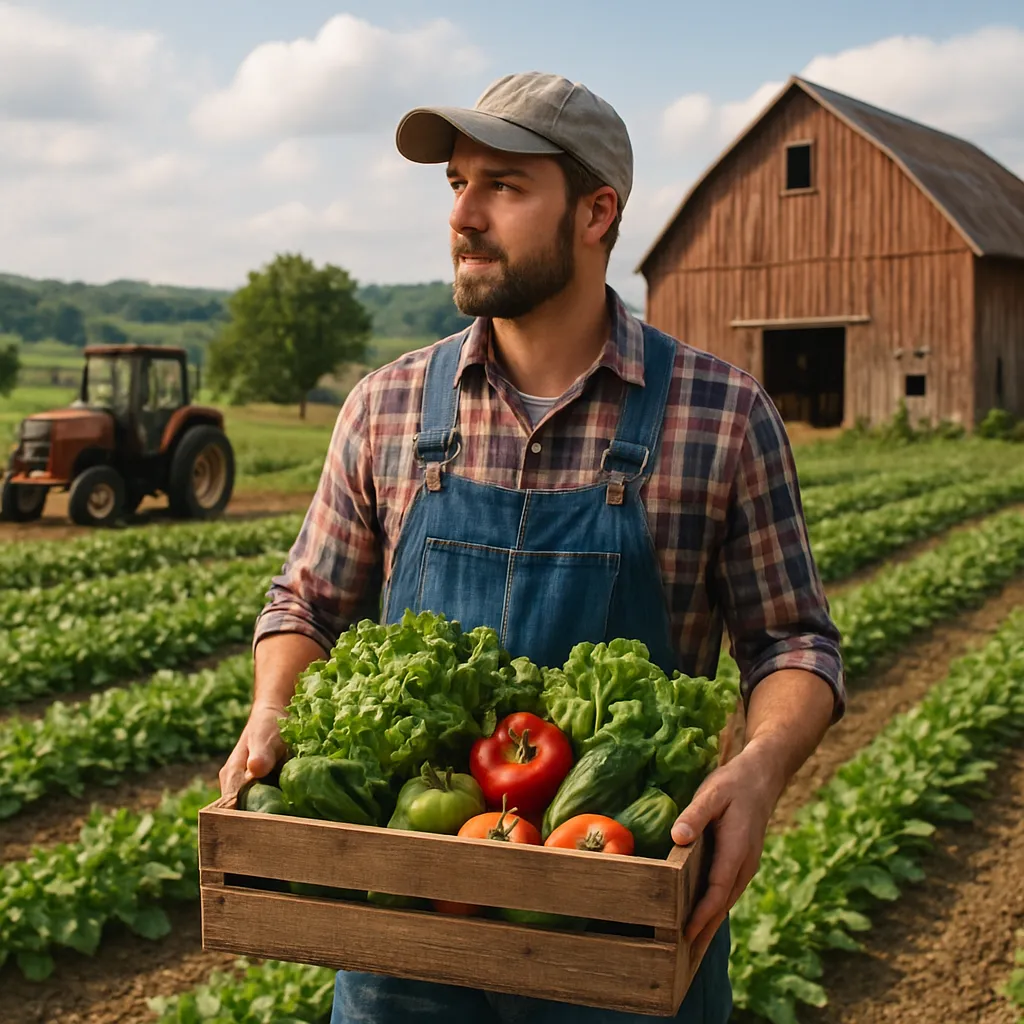
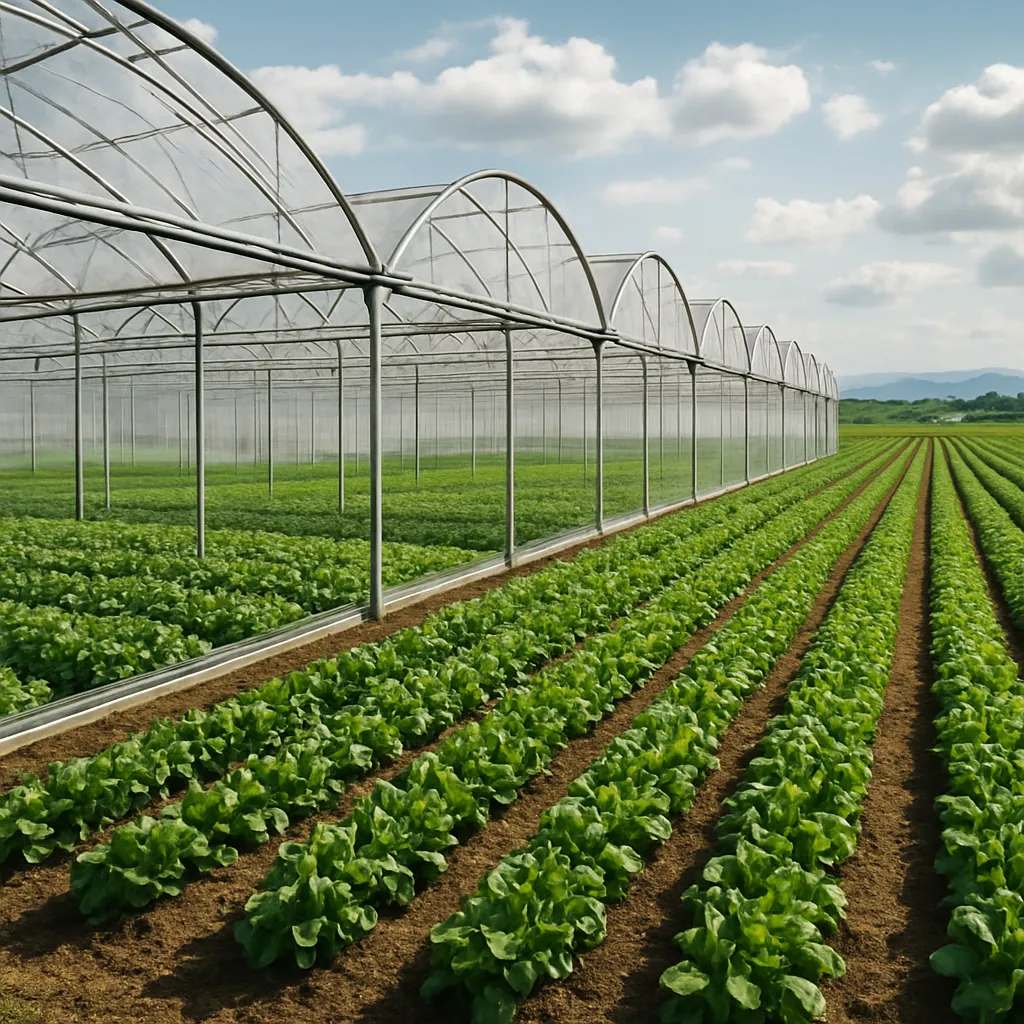
Globalization has become a defining force in modern agriculture, reshaping centuries-old methods and reshuffling market dynamics across continents. Traditional farming communities, once tightly bound to local ecosystems and heritage practices, now face an array of challenges and opportunities as they navigate a landscape dominated by global trade, technological innovation, and shifting consumer demands. This exploration delves into how interconnected markets and cross-border influences affect the future of traditional cultivation, livestock management, and rural livelihoods.
Impact on Crop Diversity
The integration of small-scale farms into global supply chains often prioritizes uniform high-yield varieties over regionally adapted cultivars. This trend can erode the biodiversity that once thrived in local fields, where farmers cultivated dozens of unique landraces suited to microclimates. As multinational seed companies introduce genetically standardized options, traditional seeds risk being displaced, leading to:
- Loss of rare genetic traits that confer drought resistance or pest tolerance
- Reduction in cultural practices linked to heirloom varieties
- Heightened vulnerability to climate fluctuations without local genetic buffers
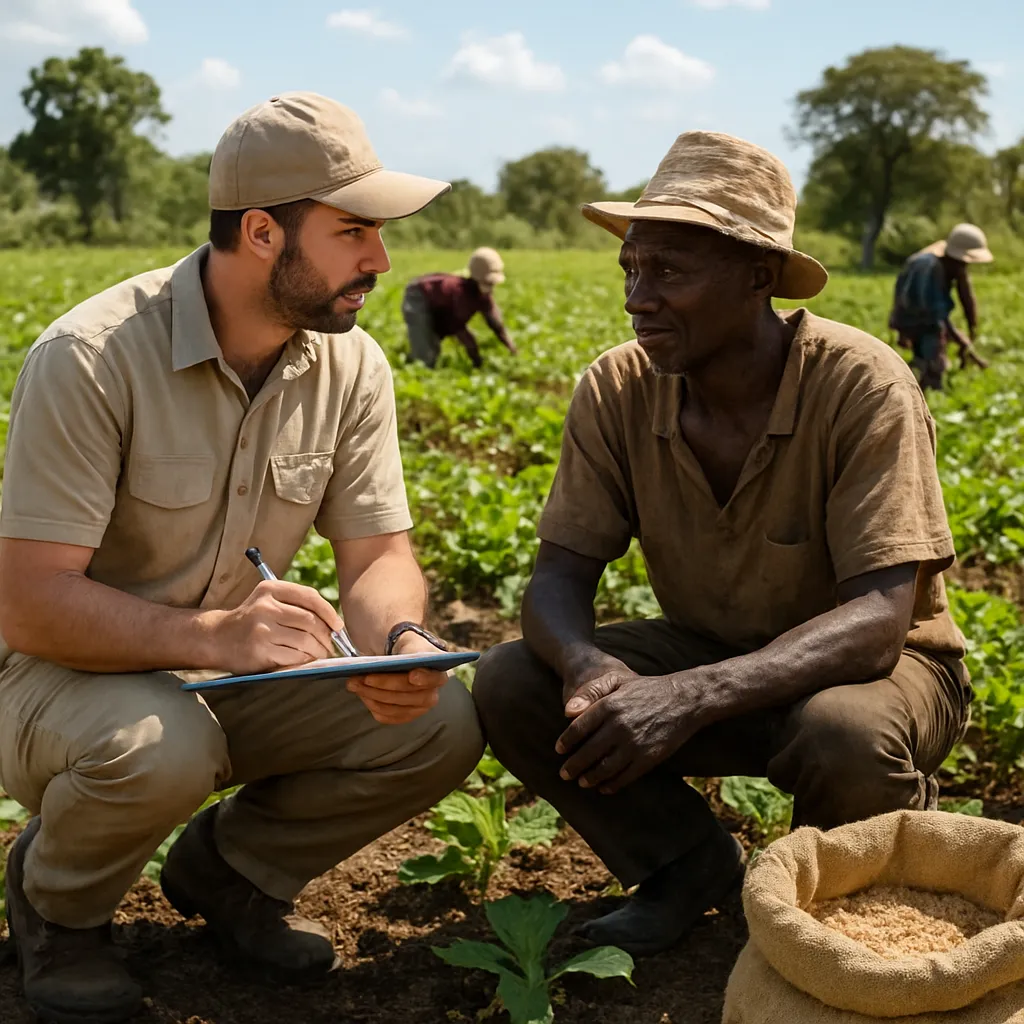
However, some regions are witnessing a counter-movement. Community seed banks and participatory breeding programs harness a blend of heritage knowledge and modern science to preserve and revitalize indigenous crops. These initiatives aim to foster resilience against environmental stressors while meeting niche market demands for organic, terroir-specific produce.
Changes in Livestock Management
Global trade pressures and international standards have introduced new protocols in animal husbandry. From rigorous biosecurity measures to feedlot-style systems, many traditional pastoralists are pressured to adopt intensified methods. The consequences include:
- Shift from free-range grazing to confined feeding operations
- Reliance on imported feedstocks, raising production costs
- Increased use of growth promotants and veterinary drugs to meet volume targets
Emerging Welfare Standards
Organizations and consumers in export markets often demand certifications related to animal welfare and traceability. This drive can encourage investment in infrastructure, yet smallholders may struggle with compliance costs. Conversely, some communities leverage their commitment to pasture-based systems as a competitive advantage, marketing ethically raised products under sustainability-focused labels.
Economic Pressures and Market Integration
Traditionally, farmers engaged in local barter or sold surplus goods at regional fairs. Today, global commodity exchanges determine prices for staples such as wheat, rice, and soy. This shift brings both upside and downside:
- Potential for higher earnings when global prices surge
- Exposure to price volatility driven by distant geopolitical events
- Dependence on external inputs like fertilizers and machinery
The race for economic viability often pushes producers to prioritize cash crops over subsistence staples, undermining food security at home. Meanwhile, cooperatives and fair-trade networks emerge as mechanisms to redistribute value more equitably. By pooling resources, farmers can access bulk shipping rates, negotiate better deals, and invest collectively in storage facilities and processing equipment.
Resistance and Adaptation Strategies
Faced with homogenizing influences, many traditional farmers chart paths of both resistance and adaptation. Approaches vary widely, from grassroots activism to smart farming techniques:
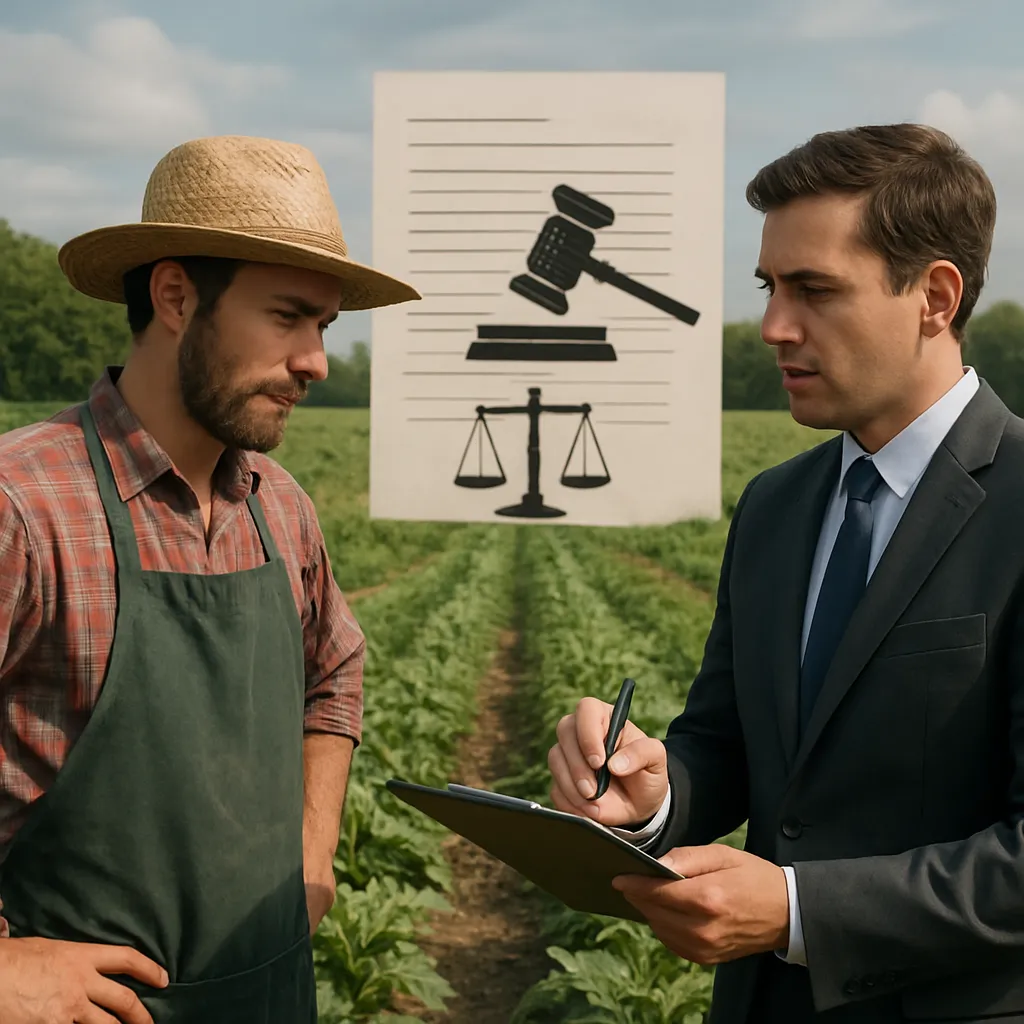
- Partnerships with NGOs to obtain legal support for land rights
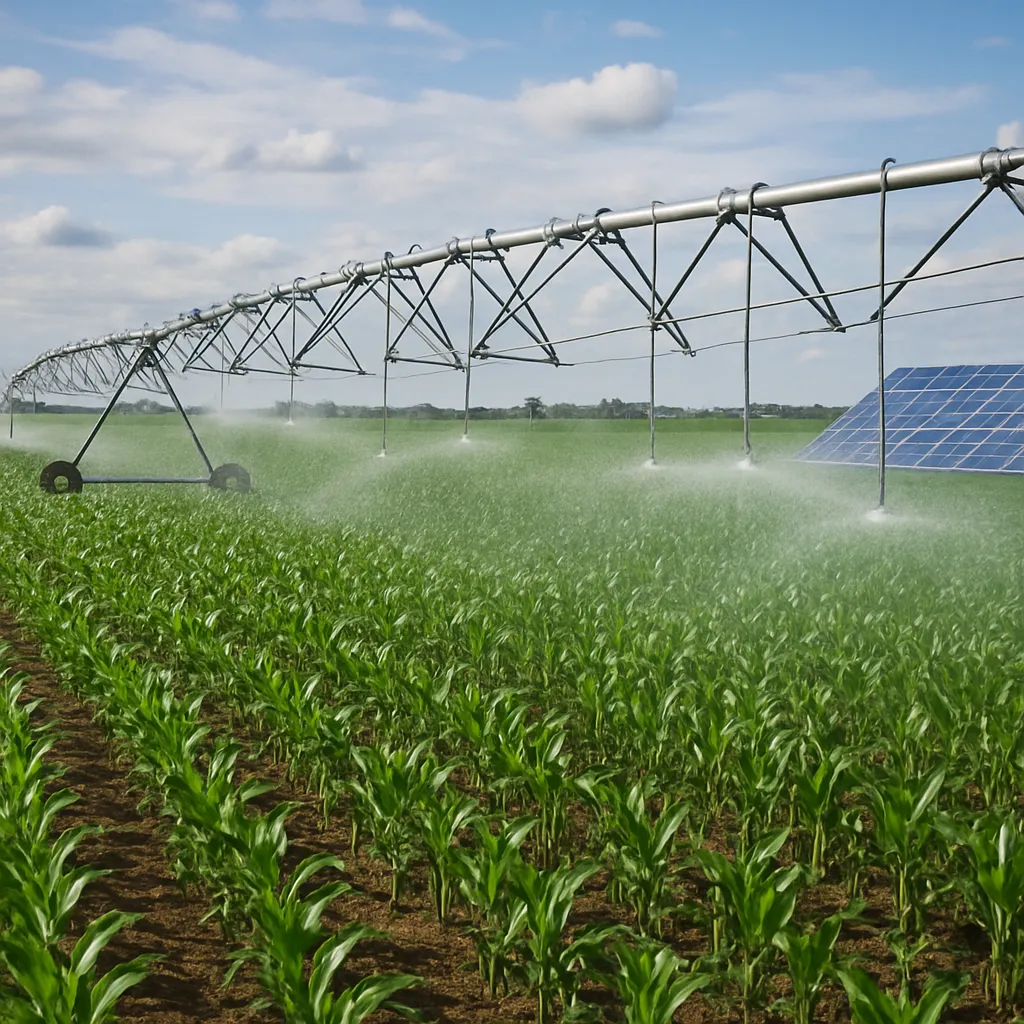
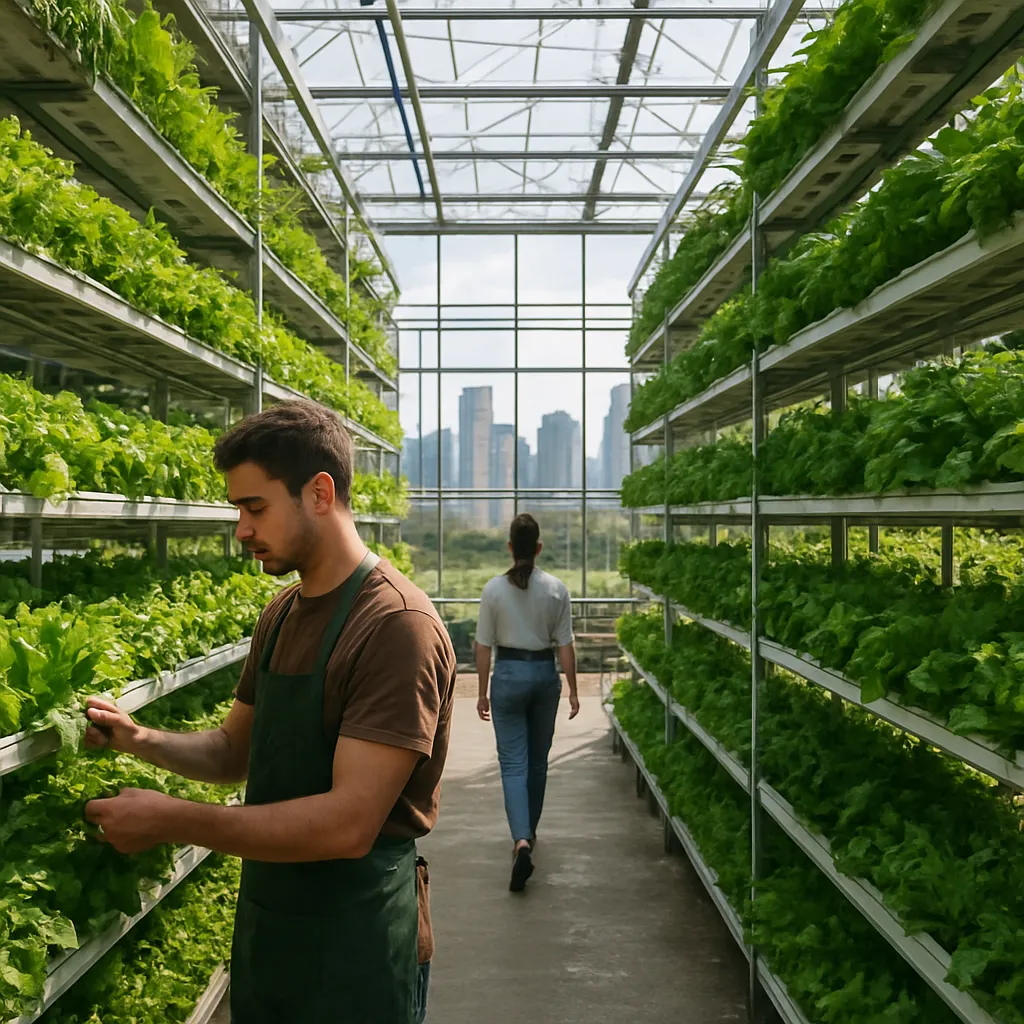
- Adoption of precision tools—such as drones and sensors—to optimize water use
- Certification programs highlighting organic, heritage, or fair-trade credentials
Role of Digital Platforms
Digital marketplaces enable direct-to-consumer sales, circumventing intermediaries and retaining greater value locally. Social media and mobile apps also facilitate knowledge exchange, allowing farmers to share best practices in climate-smart agriculture and Traditional Knowledge preservation. Yet, unequal access to connectivity and technical literacy remain hurdles.
Community-Led Resilience
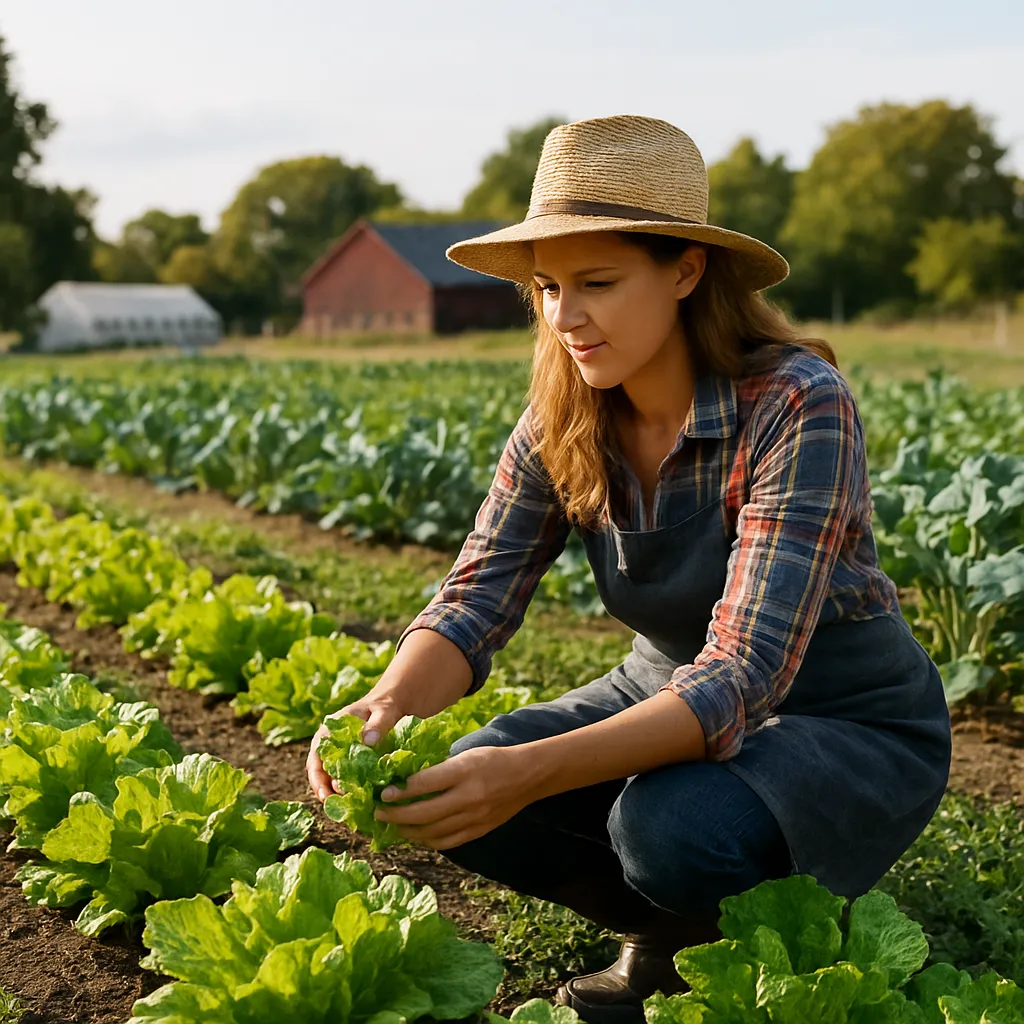
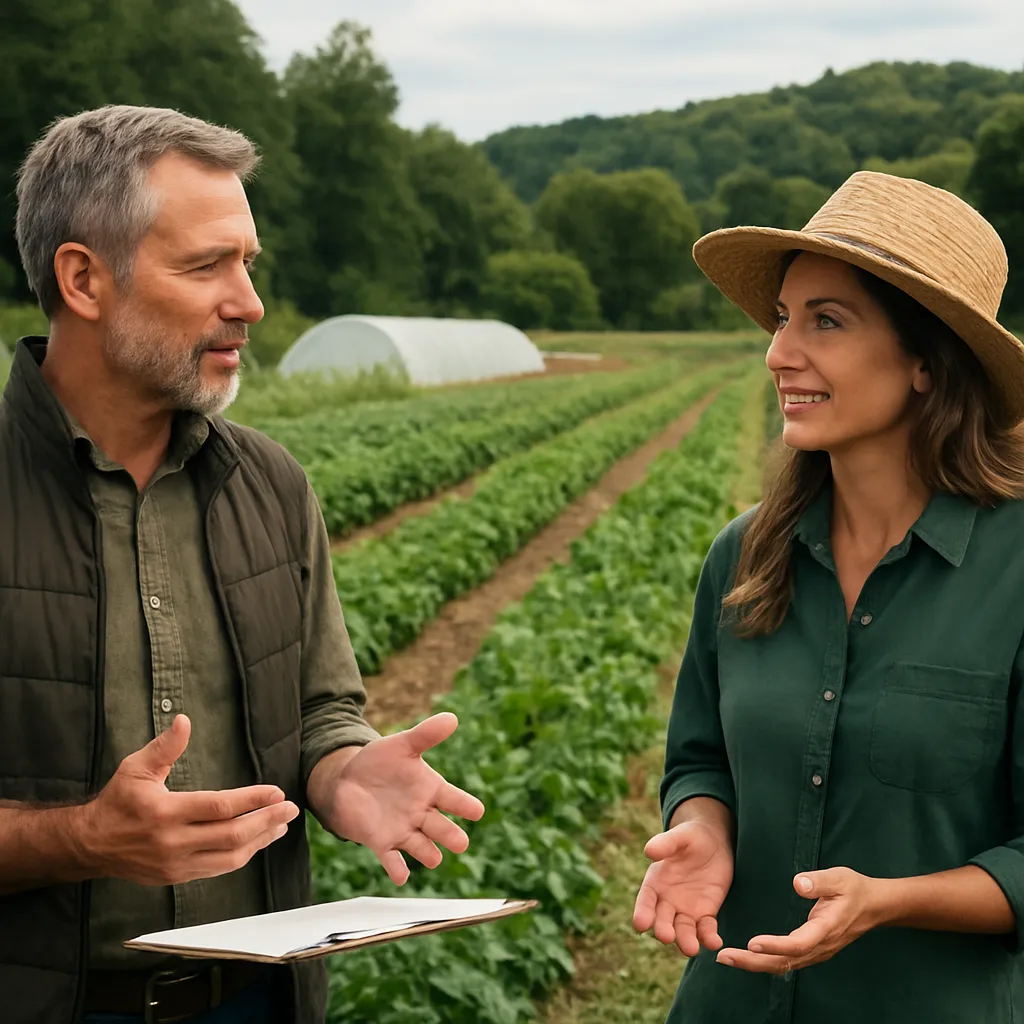
Collective action strengthens resistance to unfavorable trade policies. Village assemblies and farmer field schools promote peer-to-peer learning, empowering participants to blend indigenous methods with contemporary research. Emphasis on agroecological practices—crop rotation, intercropping, and natural pest control—demonstrates how low-input systems can sustain yields while safeguarding soil health and local ecosystems.
Innovation at the Intersection of Old and New
Rather than viewing globalization solely as a threat, some farming networks capitalize on cross-border collaboration to pioneer novel solutions. Examples include:
- Satellite mapping projects that help remote communities monitor rainfall patterns
- Blockchain systems ensuring transparency from field to fork
- Cross-cultural seed exchanges that introduce valuable traits to new regions
These ventures highlight the potential of combining innovation with time-honored techniques. They also raise critical questions about equity in technology deployment—ensuring smallholders enjoy the same benefits as large commercial enterprises.
Looking Ahead: Balancing Global and Local Priorities
The future of traditional farming lies in striking a dynamic equilibrium between external influences and community-driven values. By advocating for policies that support small-scale producers, investing in rural infrastructure, and fostering collaboration across borders, policymakers and civil society can cultivate an agricultural paradigm that prizes both productivity and cultural integrity. Ultimately, the path forward will depend on each region’s ability to harmonize global market access with the preservation of local landscapes, knowledge systems, and the adaptation mechanisms that have sustained growers for generations.