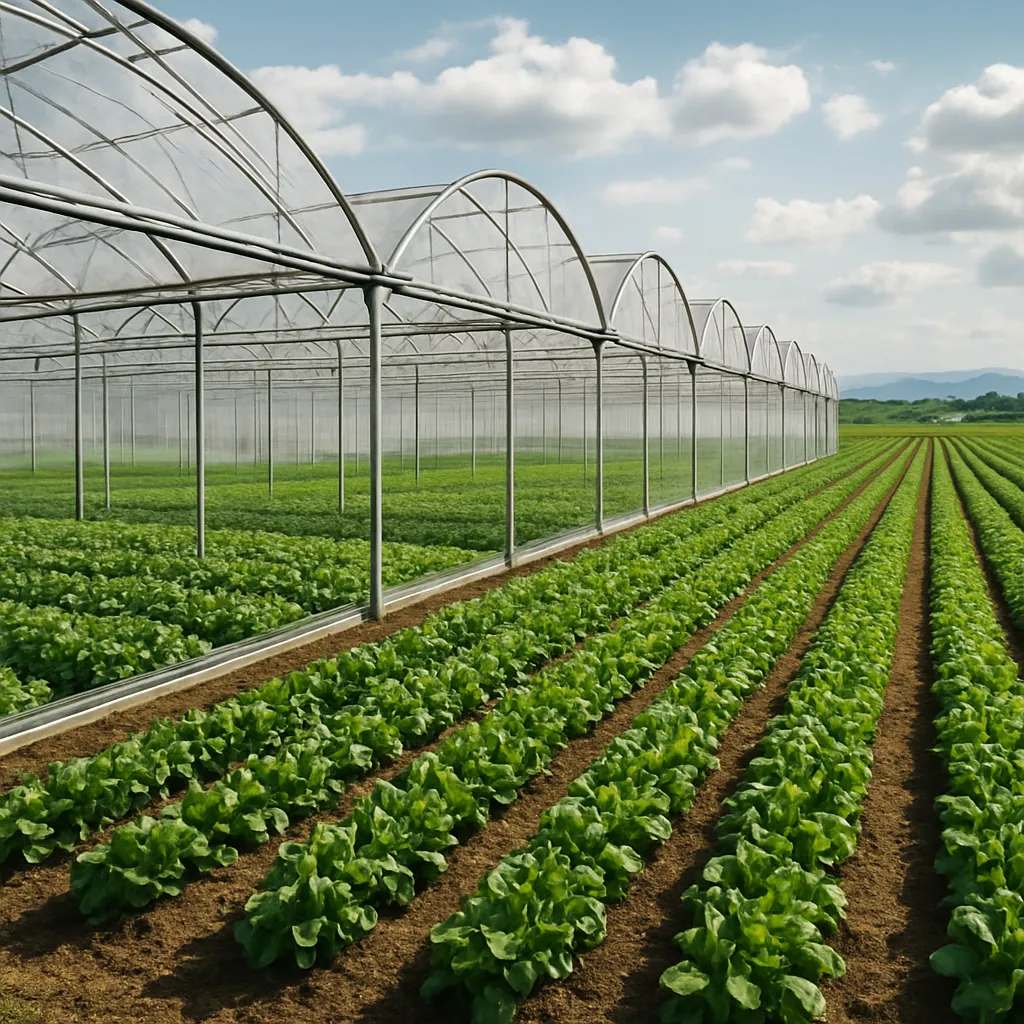
The intricate relationship between global agriculture and environmental health reveals how critical the integrity of soil is to our future food supplies. As millions worldwide depend on farming to feed their families and drive national economies, the rising threat of degradation poses risks that extend beyond local boundaries. In this exploration, we delve into the forces undermining fertile lands, the consequences for global farm networks, and the pathways toward a more sustainability-oriented future.
Understanding the Drivers of Soil Decline
The progressive erosion and depletion of arable land stem from a variety of human activities and natural processes. These factors collectively diminish the productivity of farms and challenge the viability of long-term agriculture.
Intensive Tillage and Monoculture
Frequent plowing disrupts soil structure, reduces organic matter, and compacts the subsurface. When vast areas are dedicated to a single crop species, the land’s natural capacity to recover is stifled. Over time, this leads to diminished nutrients, greater vulnerability to pests, and the necessity for increased chemical inputs.
Deforestation and Land Conversion
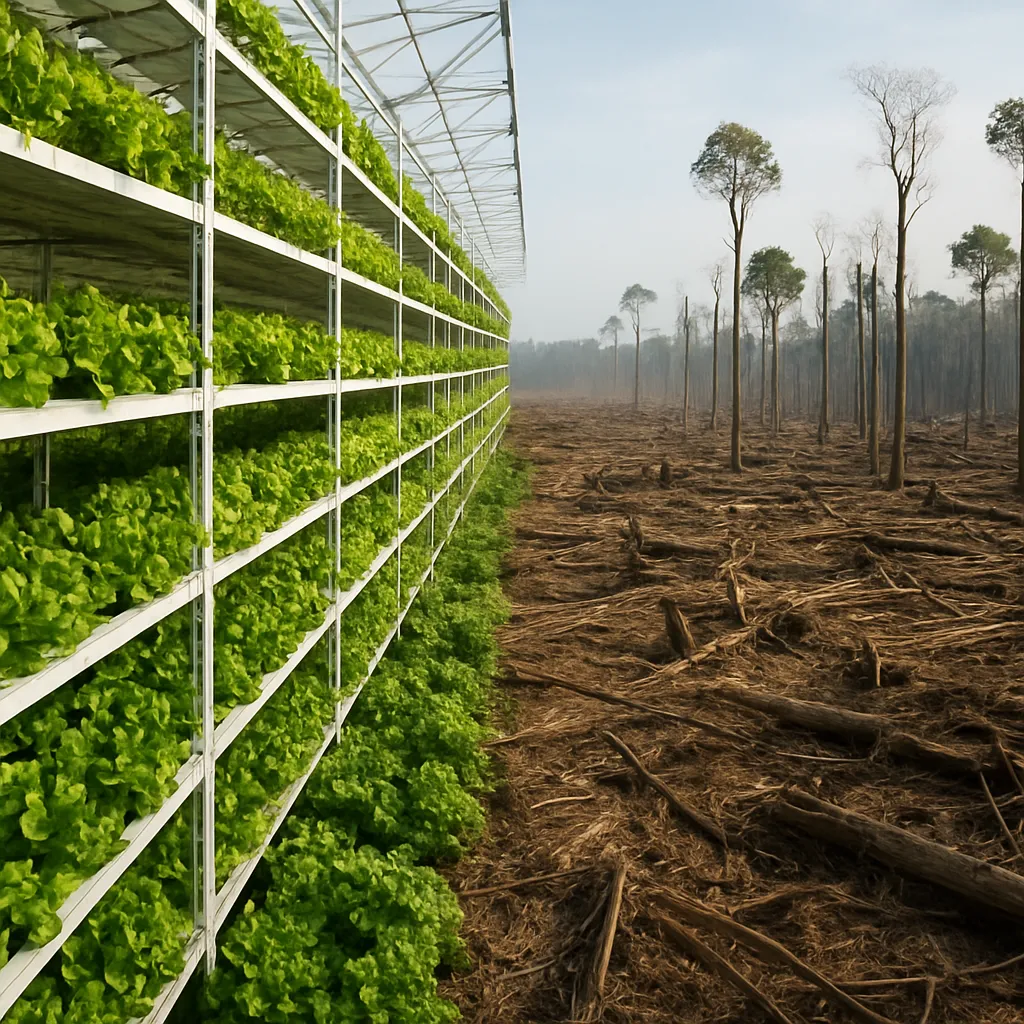
Clearing forests for cropland or pasture has immediate short-term gains but long-term costs. The removal of tree cover weakens the soil’s ability to retain moisture and protect against erosion. Without a stabilizing root network, rain events can wash away the fertile top layer, leading to irreversible loss of farmable acreage.
Water Mismanagement
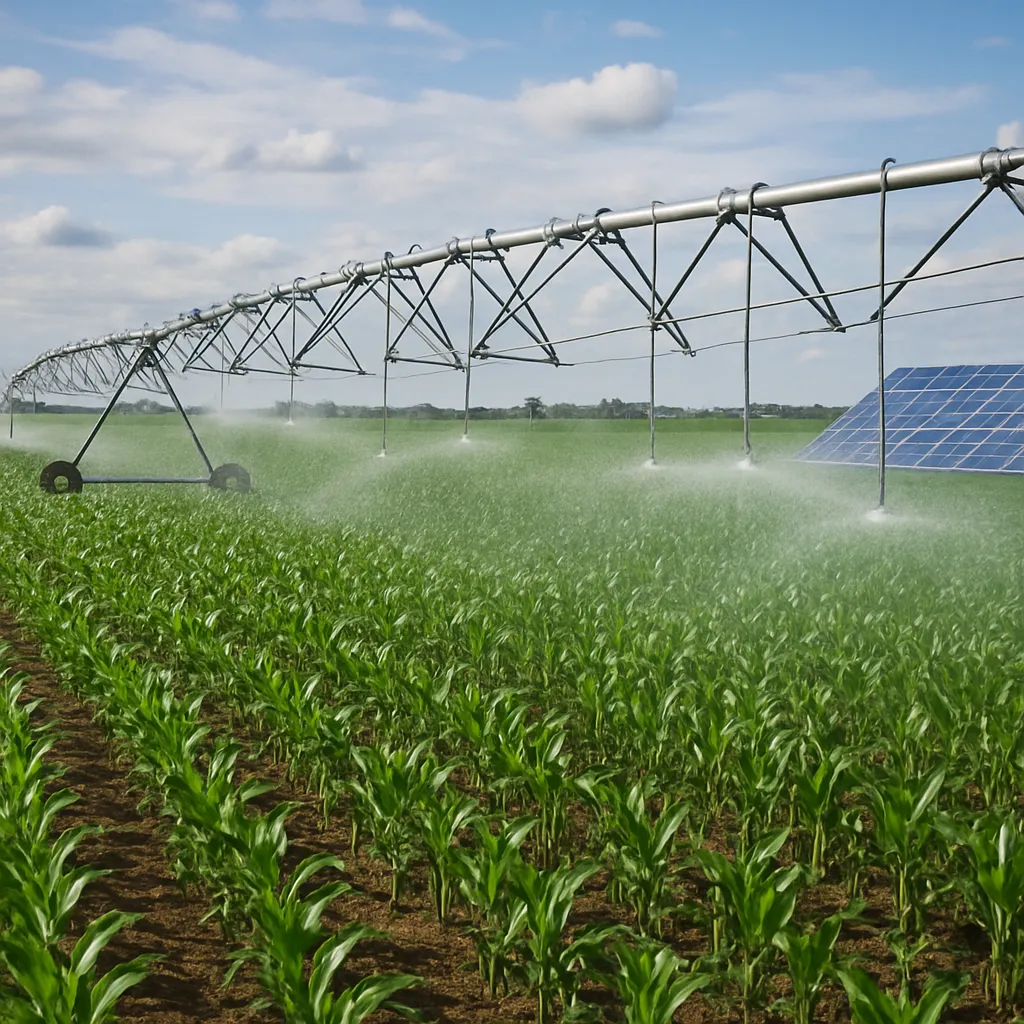
Poorly regulated irrigation practices exacerbate salinization and waterlogging. In some world regions, water extraction exceeds natural replenishment rates, decreasing groundwater tables and forcing farmers to rely on lower-quality water sources. The accumulation of salts can render fields unproductive, compounding the food security challenge.
Consequences for Global Food Systems
As soil health deteriorates, the repercussions ripple through national and international markets, affecting availability, price stability, and nutritional quality of crops.
Declining Crop Yields
Yield plateaus and declines are now common in many traditional agricultural hotspots. The inability to extract sufficient nutrients from impoverished soils necessitates heavier use of synthetic fertilizers, which in turn can create a cycle of dependency and environmental harm. Lost yield potential places pressure on farmers to expand into marginal lands, perpetuating the cycle of degradation.
Threat to Smallholder Farmers
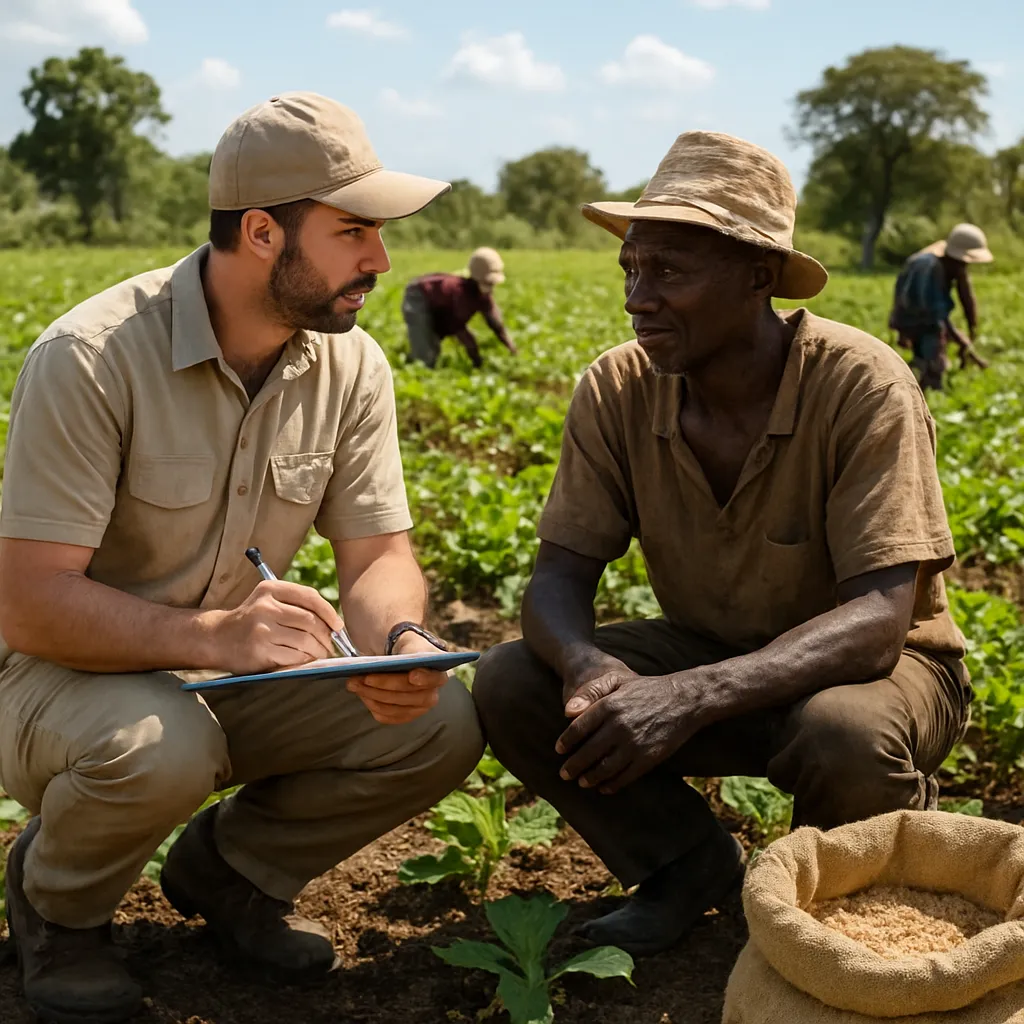
In regions where farm plots average just a few hectares, individual households bear the brunt of soil loss. Reduced harvests translate directly into lost income, food shortages, and increased vulnerability to external shocks. The poorest communities—often with limited access to capital or technology—struggle to invest in soil restoration or adopt innovative techniques.
Global Food Prices and Market Volatility
As producing regions falter, the global supply chain tightens. Price spikes for staples such as wheat, rice, and maize can trigger social unrest and exacerbate malnutrition in import-dependent countries. Food security is not only a matter of local harvests but also of stable trade flows and equitable distribution networks.
Innovative Strategies for Soil Revival
Reversing the decline of farmland requires a combination of traditional wisdom, cutting-edge research, and supportive policy frameworks. Successful approaches often integrate multiple tactics tailored to regional conditions.
- Agroforestry: Integrating trees and shrubs within agricultural fields enhances biodiversity, improves microclimates, and stabilizes slopes. Tree roots help cycle nutrients from deeper layers back to the surface, enriching crop zones.
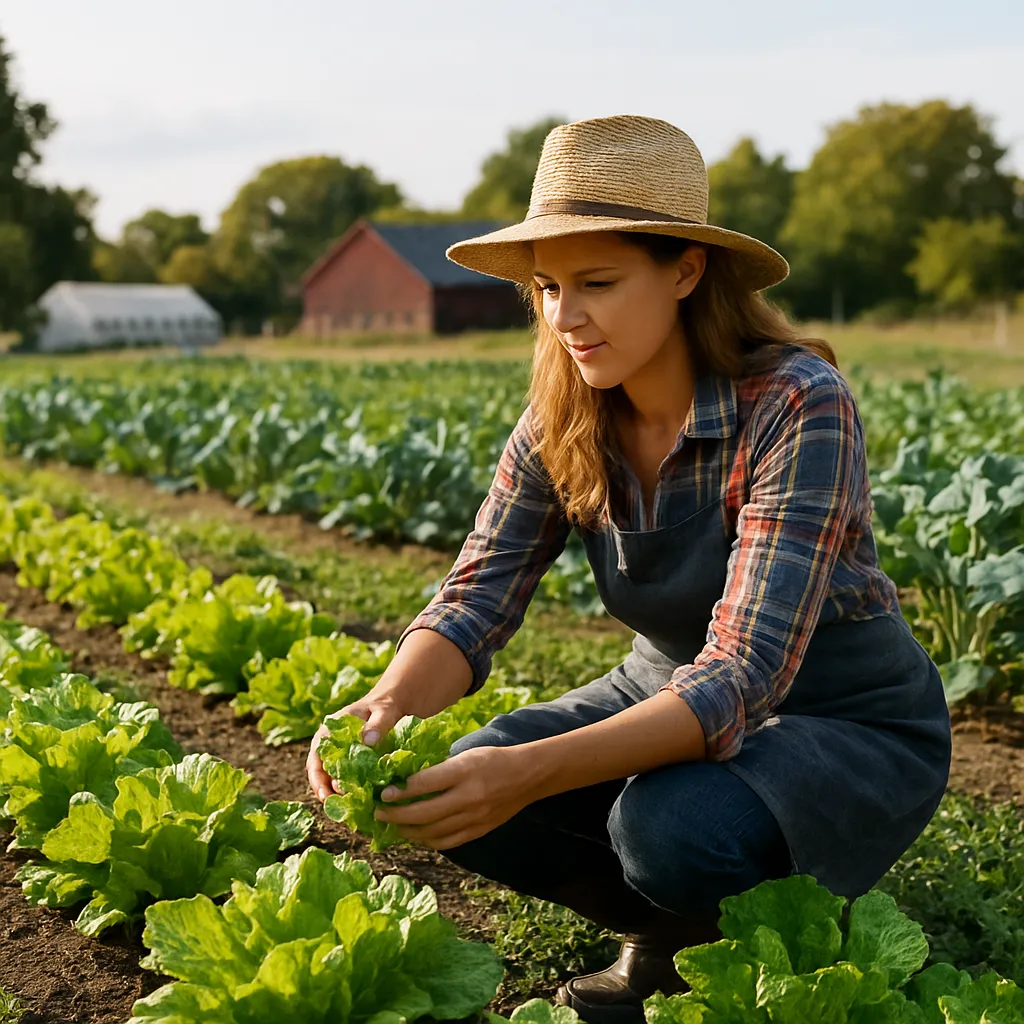
- Cover Cropping: Planting legumes, grasses, or other cover species between main crop cycles protects soil from erosion, suppresses weeds, and builds organic matter. Decaying roots foster a network of channels that boost water infiltration.
- Conservation Tillage: Reducing or eliminating plowing leaves protective residues on the surface, maintains microbial communities, and decreases fuel costs. Over time, fields become more resilient to drought and flooding.
- Precision Agriculture: Leveraging GPS guidance, soil sensors, and data analytics allows farmers to apply water and fertilizers only where needed. This targeted approach preserves resources and prevents overapplication that can lead to runoff and pollution.
- Integrated Pest Management: Combining biological controls, crop rotation, and resistant varieties helps limit chemical pesticide usage. Healthier ecosystems foster natural predators that maintain pest populations below damaging thresholds.
- Organic Amendments: Adding compost, manure, or biochar improves soil structure, water-holding capacity, and nutrient retention. These amendments promote long-term fertility without the drawbacks of synthetic fertilizers.
Building Resilient Farms through Policy and Collaboration
While farmers are at the forefront of land stewardship, meaningful progress often depends on supportive institutions and cross-sector partnerships.
Financial Incentives and Subsidies
Governments can redirect subsidies from intensive, input-heavy practices to those that bolster resilience. Payment schemes for ecosystem services—such as carbon sequestration—encourage growers to adopt conservation measures that yield public benefits.
Research and Extension Services
Ongoing investment in agricultural research unearths novel cover crop varieties, microbial inoculants, and crop management techniques. Extension services bridge the gap between scientists and farmers, ensuring that discoveries translate into on-the-ground benefits.
International Cooperation
Soil degradation is a transboundary concern. Organizations like the Food and Agriculture Organization (FAO) and various regional alliances coordinate efforts to share best practices, fund large-scale restoration projects, and standardize monitoring of land health indicators.
The Path to Lasting Agricultural Prosperity
Fostering healthy soils is an investment in humanity’s capacity to thrive. By tackling the root causes of land deterioration and promoting dynamic management systems, world farms can secure food for future generations. The choices made today will determine whether landscapes recover their former vigor or continue toward irreversible decline.