Large-scale farming operations around the globe are under immense pressure to optimize their use of freshwater resources while meeting the soaring demand for food production. As populations grow and agriculture expands, the delicate balance between maximizing crop yields and preserving essential water reserves becomes increasingly complex. Stakeholders must navigate fluctuating water availability, evolving technology potentials, and shifting regulatory landscapes to secure a future where both farms and ecosystems thrive.
Understanding Global Water Challenges
Across arid regions and temperate zones alike, the quest for water security is a defining issue. Farmers contend with seasonal droughts, groundwater depletion, and heightened competition from urban and industrial users. In many major river basins, aquifers are being drawn down faster than they can recharge. This unsustainable trend threatens not only farm productivity but also vital ecological functions such as wetland support and biodiversity preservation.
Key factors exacerbating these challenges include:
- Rising climate variability leading to unpredictable rainfall patterns
- Overextraction of surface and subsurface water sources
- Inefficient distribution networks prone to seepage and evaporation losses
- Policy gaps that fail to integrate environmental flow requirements
To tackle these issues, large-scale farms must develop comprehensive strategies that address both immediate and long-term needs. Central to this effort is the concept of integrated management, which brings together hydrologists, agronomists, and policymakers to align crop demands with sustainable water use.
Advancements in Precision Irrigation and Resource Efficiency
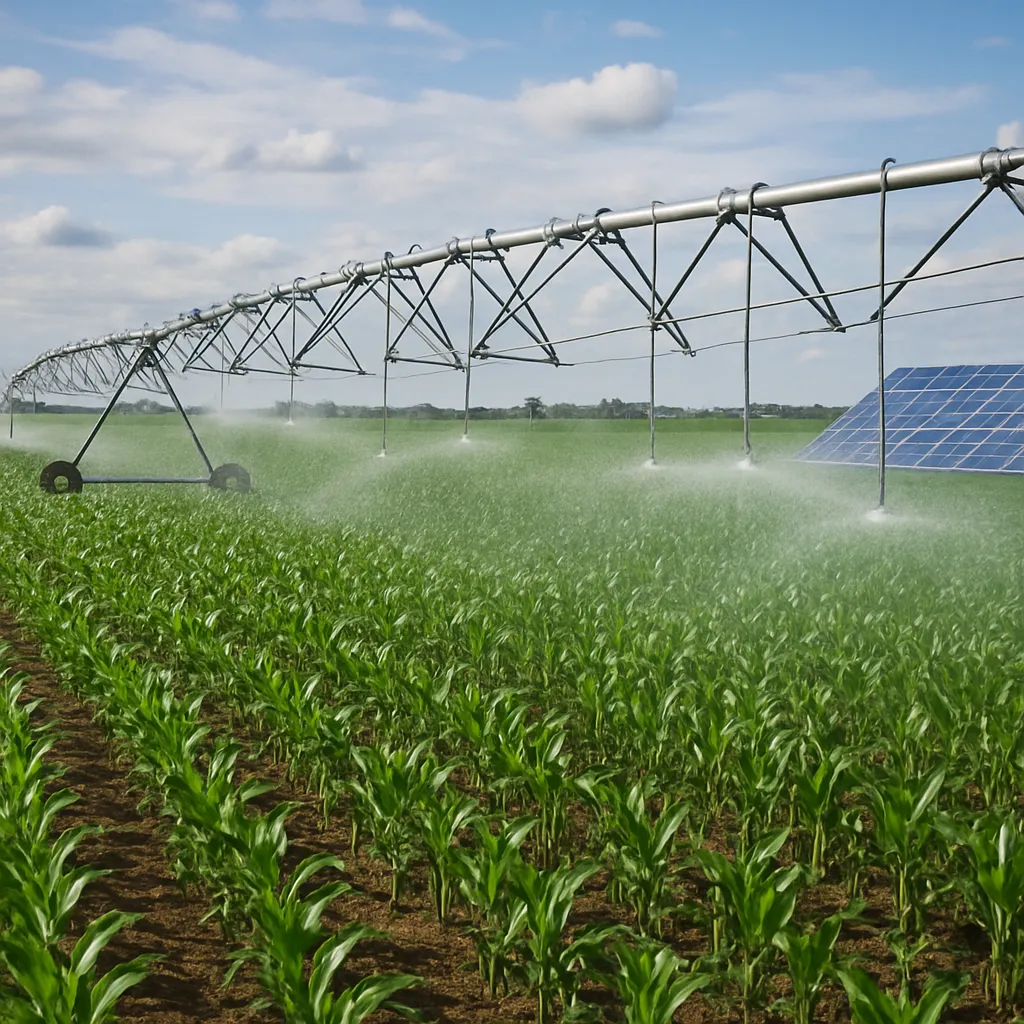
Modern irrigation systems have evolved far beyond conventional flood and furrow techniques. Innovations in irrigation now offer unprecedented control over water application, reducing waste and enhancing crop performance. Key breakthroughs include:
- Drip and micro-sprinkler systems that deliver water directly to root zones
- Soil moisture sensors paired with automated valves to initiate watering only when thresholds are met
- Remote-sensing drones and satellite imagery to map field variability in real time
- Data-driven scheduling tools that optimize irrigation timing and volume
By adopting these technologies, large-scale farms can significantly boost efficiency, conserving up to 50% more water compared to traditional methods. Beyond saving water, precision irrigation contributes to healthier plant development, reduces nutrient leaching, and lowers energy consumption associated with pumping operations.
Benefits of Smart Irrigation
- Enhanced crop uniformity and yield
- Reduced operational costs through lower energy use
- Minimized runoff and soil erosion
- Improved capacity for drought resilience
Policy Frameworks and Collaborative Approaches
Regulatory measures play a pivotal role in shaping how water is allocated, priced, and conserved on a regional scale. Effective frameworks often feature:
- Tiered water pricing to incentivize efficient use
- Rights-based allocation systems with clear environmental safeguards
- Subsidies or tax credits for adopting conservation technologies
- Mandatory water-use reporting for transparency and accountability
However, top-down policies alone are insufficient. Large-scale farms must engage in resilience-focused partnerships with government bodies, research institutions, and local communities. Such alliances foster knowledge exchange and co-investment in infrastructure, from recharge basins to shared sensor networks. By pooling resources, stakeholders can achieve economies of scale and drive region-wide improvements in water stewardship.
Building Adaptation Strategies for Future Resilience
As climate projections point to more frequent extreme weather events, adaptive planning becomes critical. Farmers must integrate flexible water management practices that can pivot swiftly during shortages or floods. Examples include:
- On-farm rainwater harvesting to capture seasonal downpours
- Rotational use of fresh and recycled water sources
- Crop diversification and varietal selection geared toward drought tolerance
- Conservation tillage to improve soil moisture retention
Success hinges on robust monitoring systems that combine field sensors, weather stations, and predictive modeling. By harnessing real-time data and machine learning algorithms, farm managers can anticipate water stress events and adjust planting schedules or irrigation regimes proactively.
Integrating Environmental and Social Dimensions
Water management for large-scale agriculture cannot overlook ecological and community welfare. Sustainable practices must preserve water quality, safeguard aquatic habitats, and support the livelihoods of downstream users. This entails:
- Maintaining riparian buffer zones to filter runoff and protect waterways
- Implementing nutrient management plans to prevent eutrophication
- Ensuring equitable water distribution among smallholder farmers and indigenous groups
- Promoting educational programs on conservation ethics and resource sharing
By viewing water as a shared public good rather than a mere input, large-scale operations can help build stronger social license and long-term viability for the entire agricultural sector.
Future Directions and Emerging Innovations
Looking ahead, the convergence of digital tools and biotechnical advances promises to revolutionize farm water management. Cutting-edge developments include:
- Root-zone-specific gene editing for crops with enhanced drought adaptability
- Blockchain-based water trading platforms that enable transparent, peer-to-peer exchanges
- AI-driven decision support systems that fuse climate forecasts with real-time field data
- Advanced desalination and water recycling units suitable for on-farm deployment
Embracing these frontiers will require capital investment, capacity building, and a willingness to pilot novel approaches. Yet farms that lead in sustainability and resource management are more likely to secure financing, win consumer trust, and withstand the threats posed by global environmental change.