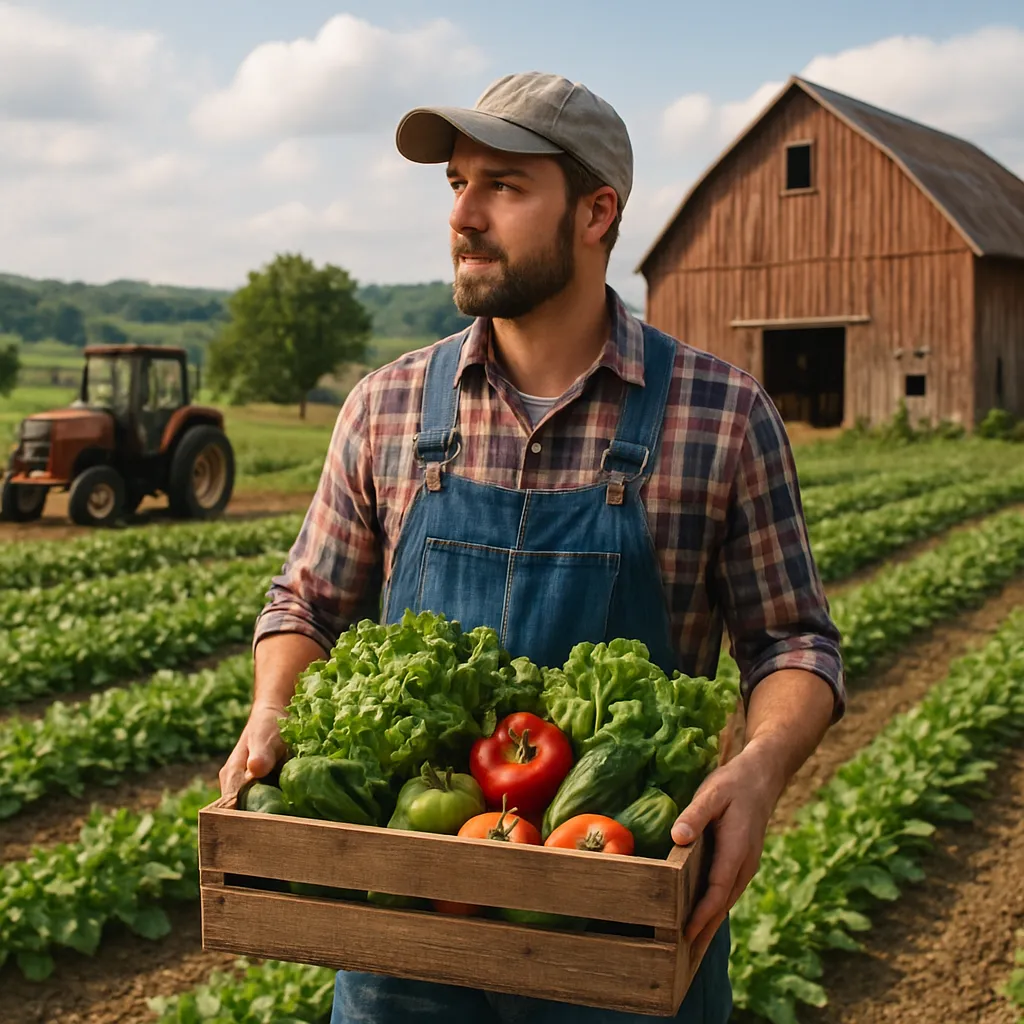
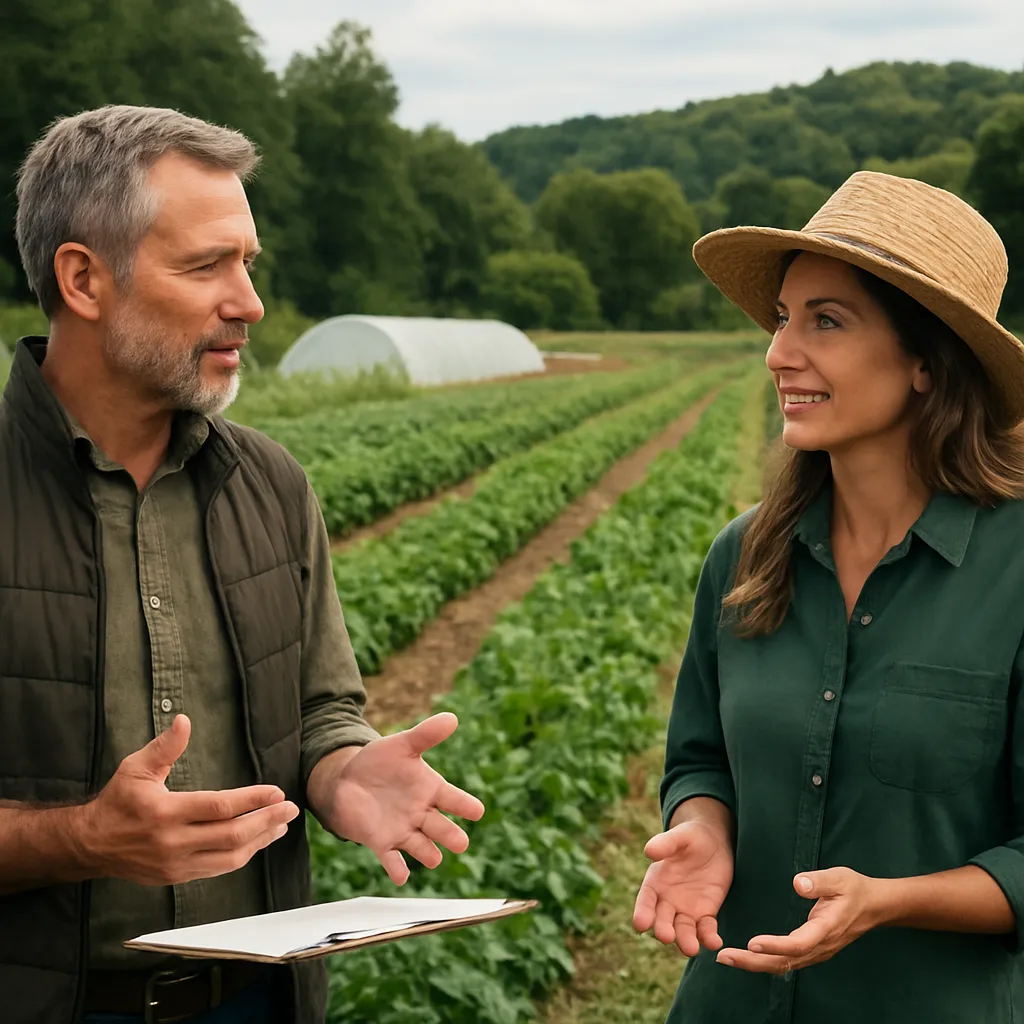
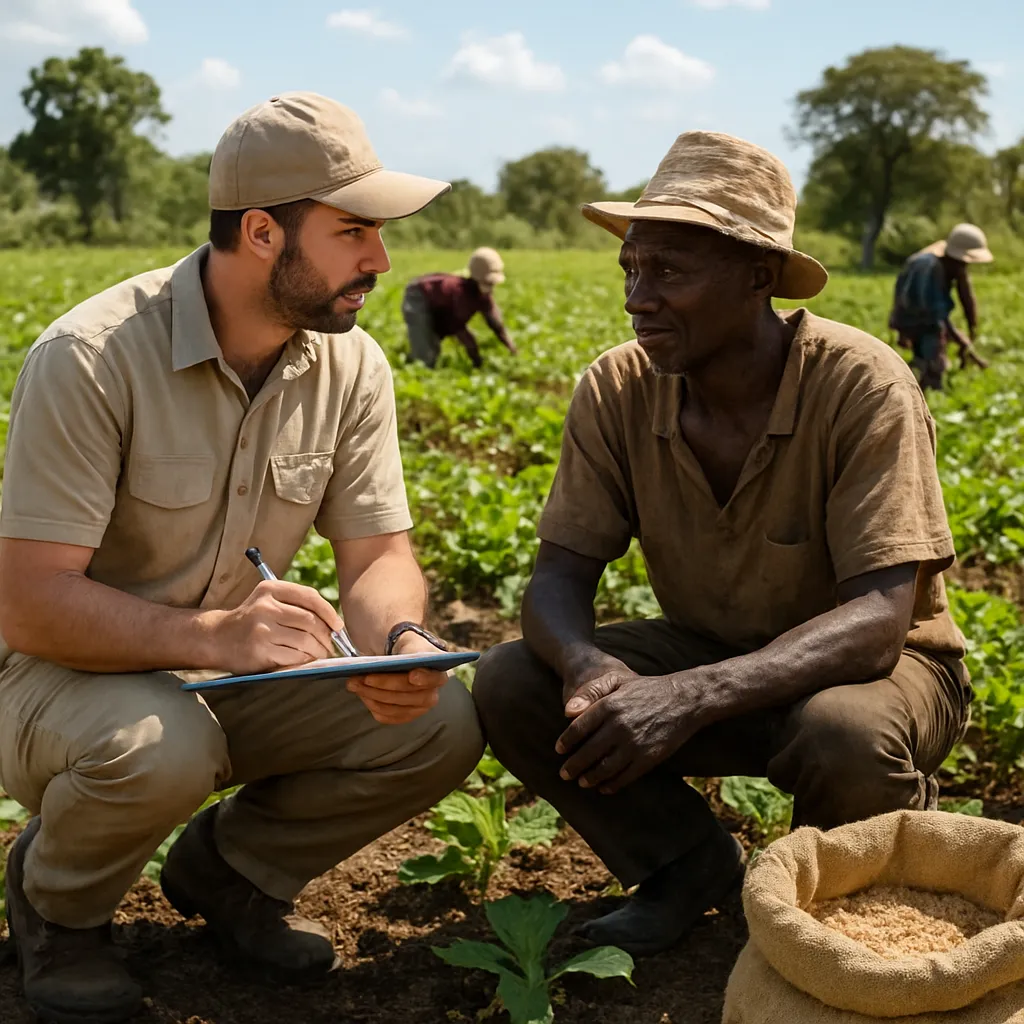
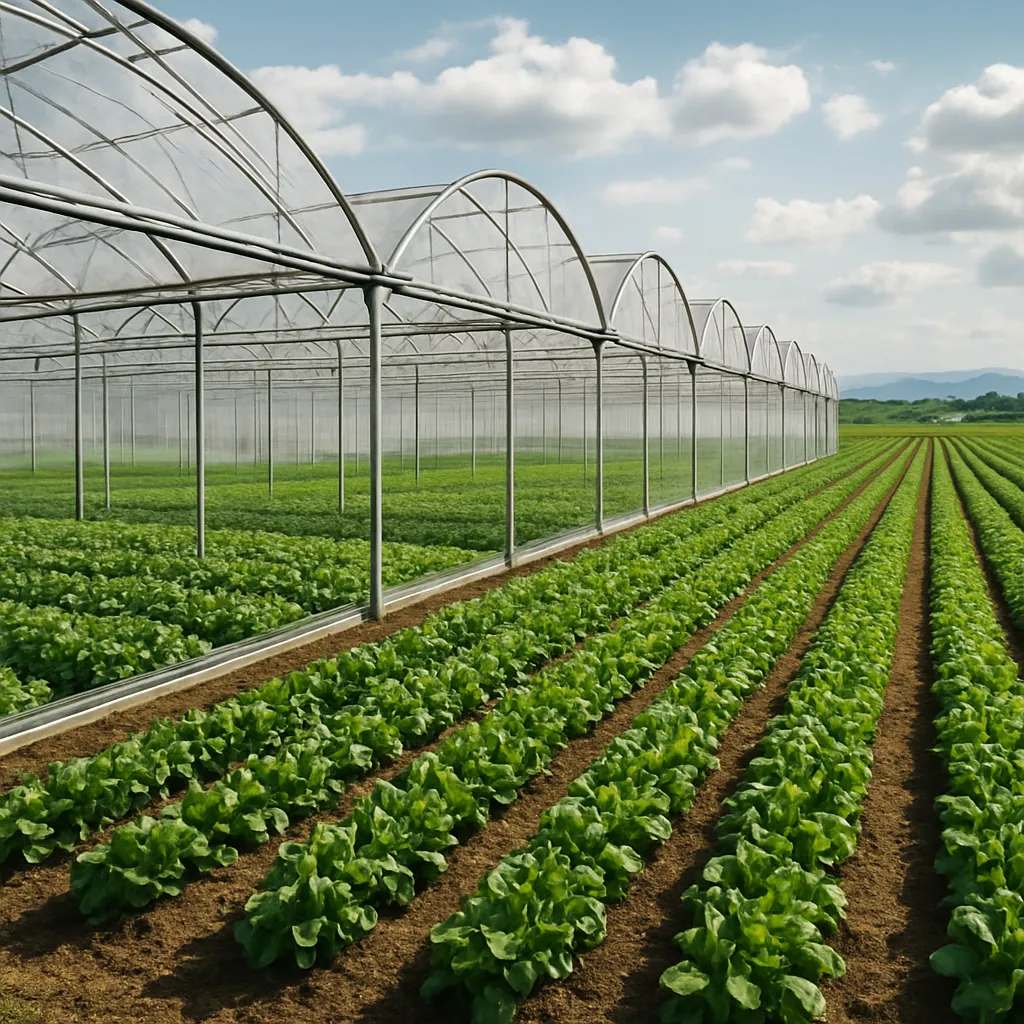
The global shift towards organic agriculture represents a profound transformation in how societies approach food production, resource management, and rural livelihoods. Driven by mounting environmental pressures and changing consumer values, this movement seeks to harmonize agricultural practices with ecological principles. As the organic sector expands across continents, it unveils both significant challenges and unprecedented opportunities. Stakeholders—from smallholder farmers to multinational distributors—are navigating complex landscapes shaped by market dynamics, regulatory frameworks, and technological advances. Against this backdrop, understanding the multifaceted dimensions of organic cultivation is essential for fostering sustainable growth and building resilient food systems on a planetary scale.
The Rising Demand for Organic Produce
Global Market Growth
Over the past decade, the market for certified organic products has witnessed exponential expansion. Regions such as North America and Europe continue to dominate consumption, but Asia-Pacific and Latin America are emerging as dynamic frontiers. Industry reports forecast annual growth rates surpassing 10% in several developing markets. This surge reflects consumers’ heightened awareness of environmental footprints and nutritional profiles. Retailers are rapidly allocating shelf space to organic lines, while e-commerce platforms facilitate direct farm-to-table transactions. Nevertheless, scaling up production to satisfy this demand remains a formidable task, particularly in areas lacking robust infrastructure.
Consumer Preferences
Modern buyers emphasize sustainability and transparency in their purchasing decisions. Surveys indicate that shoppers are willing to pay premium prices for produce free from synthetic inputs and genetically modified organisms. Health narratives often center on improved micronutrient levels and reduced exposure to harmful residues. Ethical concerns—spanning animal welfare to fair labor practices—further bolster consumer trust in organic brands. However, price sensitivity and inconsistent supply can temper enthusiasm, underscoring the importance of reliable distribution networks and coherent communication strategies.
The Environmental and Social Benefits of Organic Farming
Enhancing Ecosystem Health
Organic systems prioritize natural processes, fostering biodiversity both above and below ground. Crop rotations, intercropping, and cover-cropping techniques enhance soil microbial communities, robustly supporting nutrient cycling. Over time, fields under organic management often exhibit superior soil health compared to conventionally farmed lands. This vitality translates into increased water retention and reduced erosion, mitigating detrimental run-off events. Additionally, wildlife corridors and agroforestry modules integrated into organic landscapes can rejuvenate local flora and fauna populations.
Empowering Rural Communities
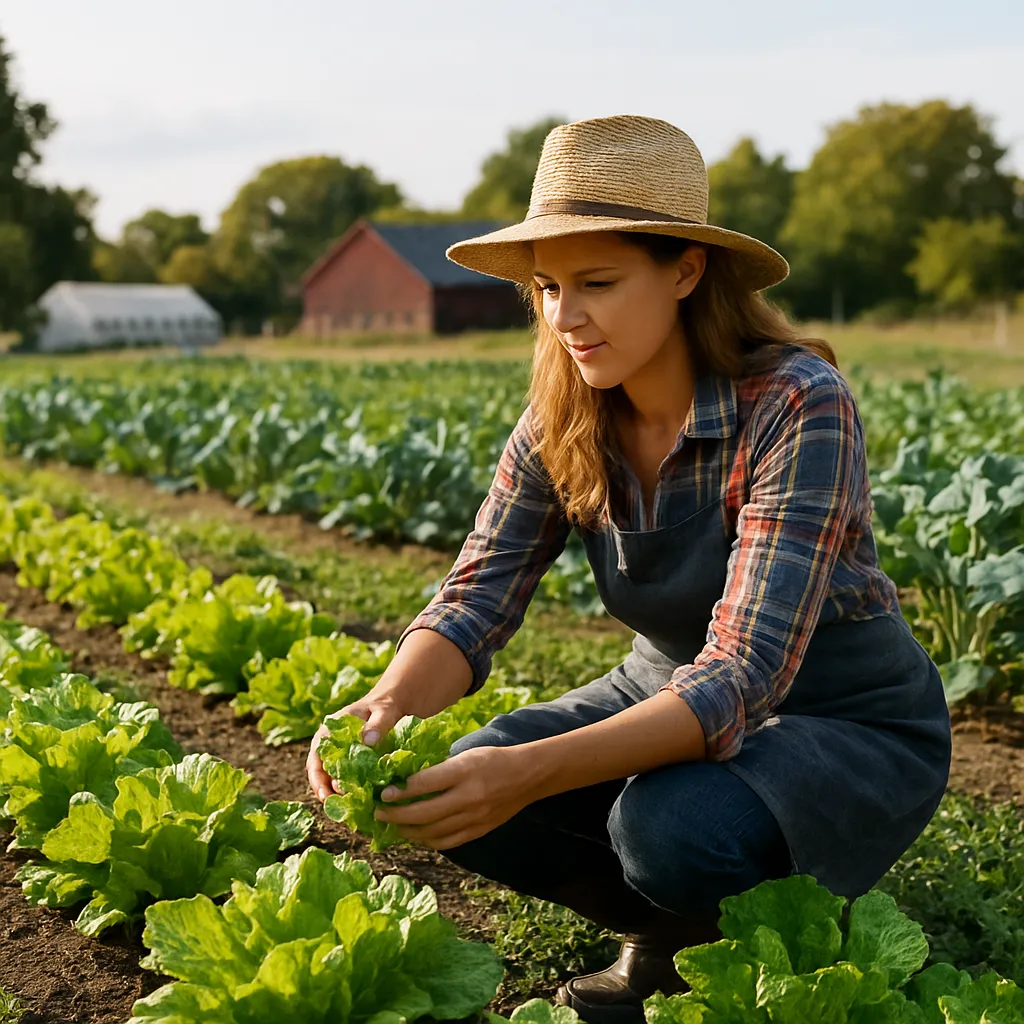
Transitioning to organic practices frequently involves cooperative models and community-led initiatives. Farmers share knowledge through participatory workshops, collectively overcoming technical barriers. Such social frameworks strengthen local governance and foster a sense of stewardship. In many regions, women and youth assume leadership roles in organic cooperatives, unlocking new avenues for economic empowerment. By connecting producers directly with buyers via farmers’ markets and community-supported agriculture schemes, smallholders capture greater value and reduce dependency on intermediaries.
- Promotion of traditional landraces and heirloom varieties
- Reduction of chemical exposure for farmworkers
- Preservation of indigenous farming knowledge
Key Challenges in Scaling Up Organic Agriculture
Balancing Yield and Land Use
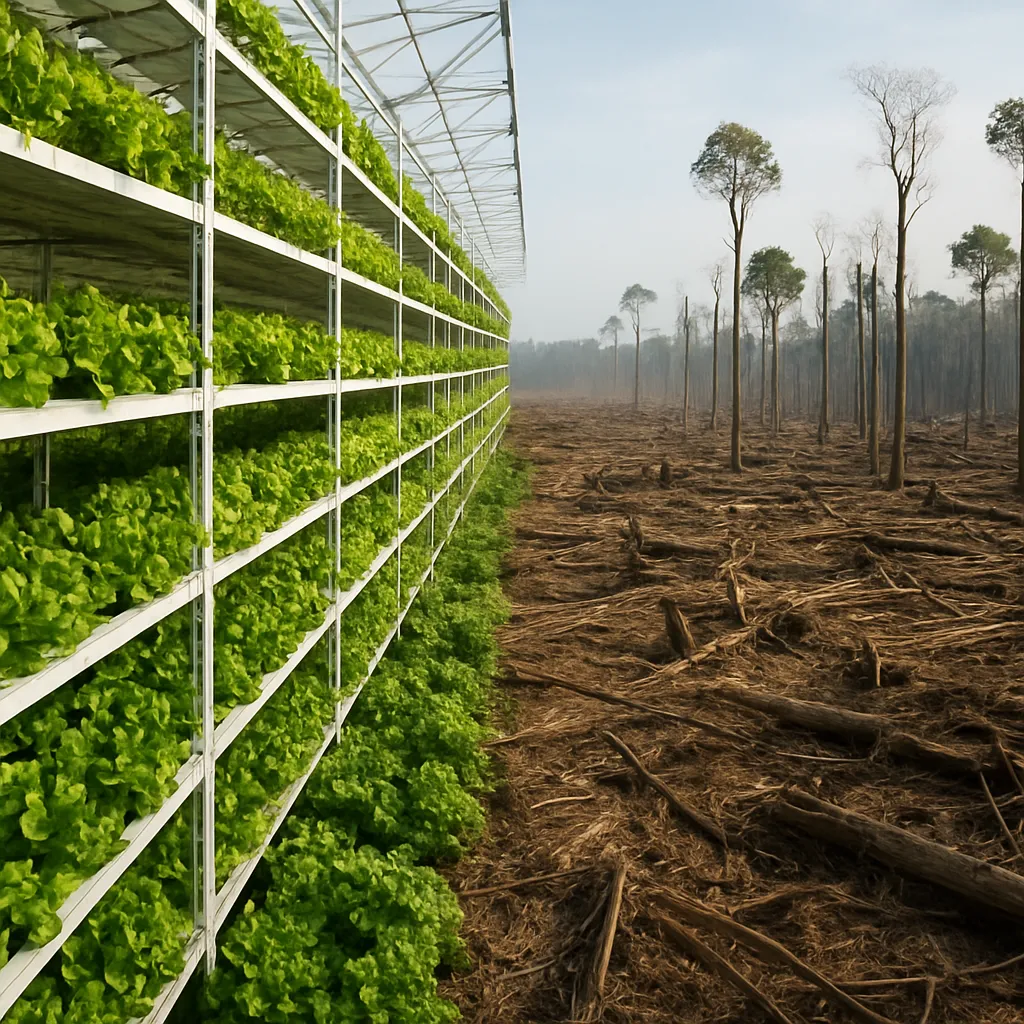
One of the most contentious debates centers on the comparative yield of organic versus conventional systems. While some studies report parity under optimal conditions, other analyses highlight yield gaps ranging from 10% to 30%. This discrepancy is particularly pronounced for nutrient-intensive crops such as cereals. Expanding organic acreage to compensate for lower per-hectare output can strain ecosystems and encroach upon natural habitats. Therefore, devising strategies that optimize productivity—without compromising ecological integrity—remains a pivotal research priority.
Certification and Market Access
Obtaining and maintaining organic certification involves rigorous audits, record-keeping, and compliance with stringent standards. For small-scale producers in resource-constrained settings, these requirements can be formidable. Certification bodies often impose fees and procedural demands that exclude marginalized farmers. Furthermore, divergent standards across countries complicate cross-border trade. Harmonizing regulatory frameworks and offering tailored support services are essential steps toward inclusive growth of the organic sector.
- High transaction costs for certification
- Inconsistent policy incentives among nations
- Logistical challenges in remote or fragile regions
Innovations and Technological Solutions
Agroecology and Permaculture Approaches
Blending scientific insights with time-tested practices, agroecological models deliver promising pathways for enhancing farm resilience. Techniques such as agroforestry, integrated pest management, and rotational grazing reduce reliance on external inputs while bolstering system adaptability. Permaculture design principles—emphasizing pattern recognition and energy cycling—offer recipes for self-reliant homesteads and community gardens. These frameworks underscore that sustainable intensification is not solely a matter of equipment and chemicals, but of ecosystem-oriented design.
Leveraging Digital Tools
Modern technology has the potential to revolutionize organic farming at scale. Remote sensing and drone-enabled monitoring systems track soil moisture, detect pest outbreaks, and assess crop vigor in real time. Mobile applications deliver tailored agronomic advice and facilitate peer-to-peer knowledge exchange. Blockchain-based traceability platforms enhance supply chain transparency, reassuring consumers about product provenance. As data analytics capacity grows, farmers can precisely calibrate nutrient applications, optimize planting schedules, and anticipate climatic fluctuations, thereby strengthening overall climate resilience.
- Sensor networks for microclimate monitoring
- AI-driven platforms for predictive pest control
- Blockchain for secure provenance tracking
Policy Frameworks and International Cooperation
Financial Incentives and Subsidies
Governments play a crucial role in leveling the playing field for organic producers. Subsidies for transition costs, tax breaks for organic inputs, and grants for infrastructure development can catalyze adoption. The European Union’s Common Agricultural Policy and similar initiatives in other regions demonstrate how tailored financial packages encourage farmers to embrace sustainable methods. Nonetheless, equitable allocation and effective oversight are imperative to avoid unintended distortions.
Trade Agreements and Standard Harmonization
Organic agriculture is inherently global. Harmonizing standards across trade blocs reduces transaction costs and opens new markets. Bilateral agreements that recognize mutual certification schemes enable smoother cross-border flows of organic commodities. International bodies such as the Food and Agriculture Organization (FAO) and the International Federation of Organic Agriculture Movements (IFOAM) advocate for cohesive guidelines. Collaborative research networks and capacity-building programs further drive innovation and bolster compliance in emerging economies.
- Mutual recognition of certification schemes
- Technical assistance for developing nations
- Multilateral research consortia on sustainable practices
As the organic sector traverses the complex terrain of global agriculture, it reveals a delicate balance of ecological stewardship, socioeconomic advancement, and innovation. By addressing key bottlenecks—ranging from productivity constraints to policy fragmentation—stakeholders can unlock a future where food systems nurture both people and planet. Continual collaboration among farmers, researchers, businesses, and policymakers remains the cornerstone of this transformative journey.