Smallholder farms play a pivotal role in shaping the agricultural landscape of developing countries. These diminutive plots, often managed by families or local communities, contribute significantly to food security, poverty reduction, and rural development. By embracing traditional knowledge alongside modern practices, smallholders enhance their resilience to external shocks, foster biodiversity, and generate diversified incomes. As global attention turns toward sustainable strategies to tackle climate change and persistent hunger, understanding the multifaceted benefits of smallholder farming systems has never been more crucial.
Economic Empowerment and Local Markets
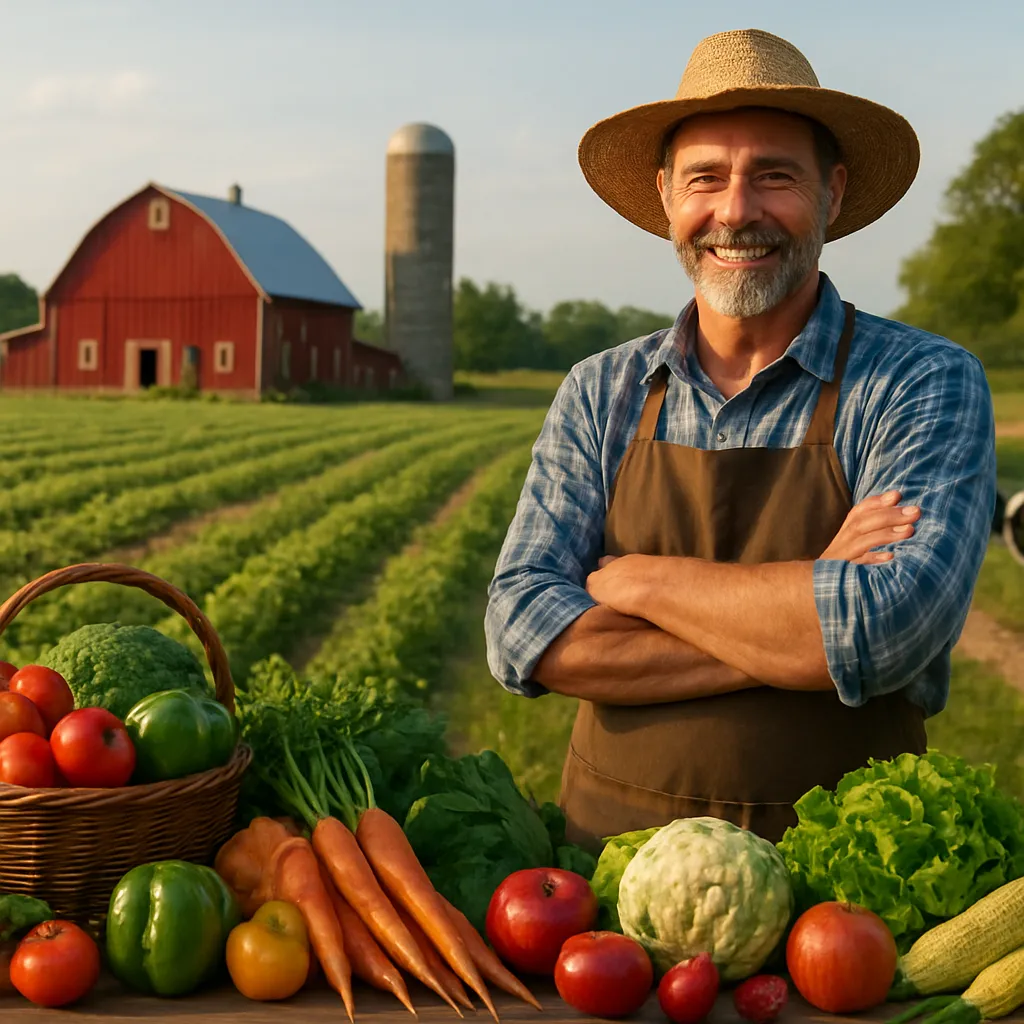
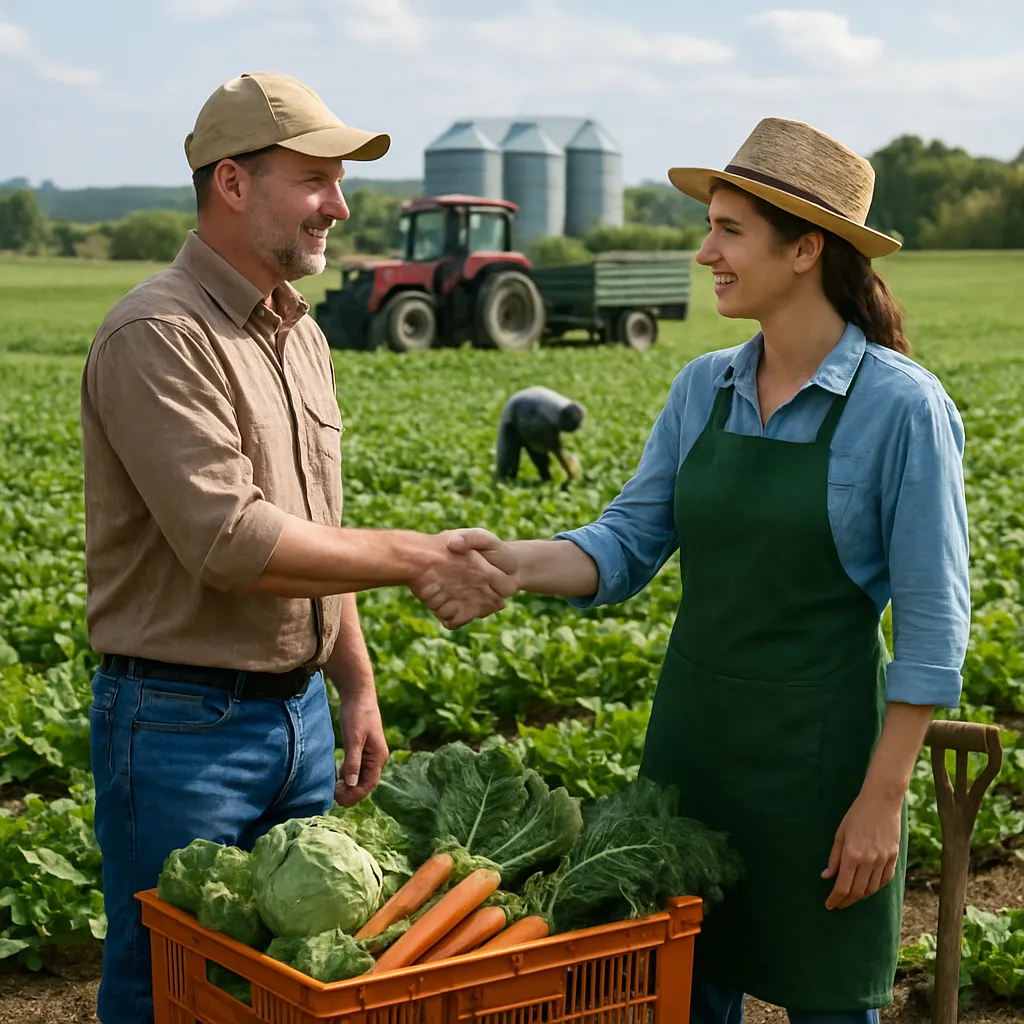
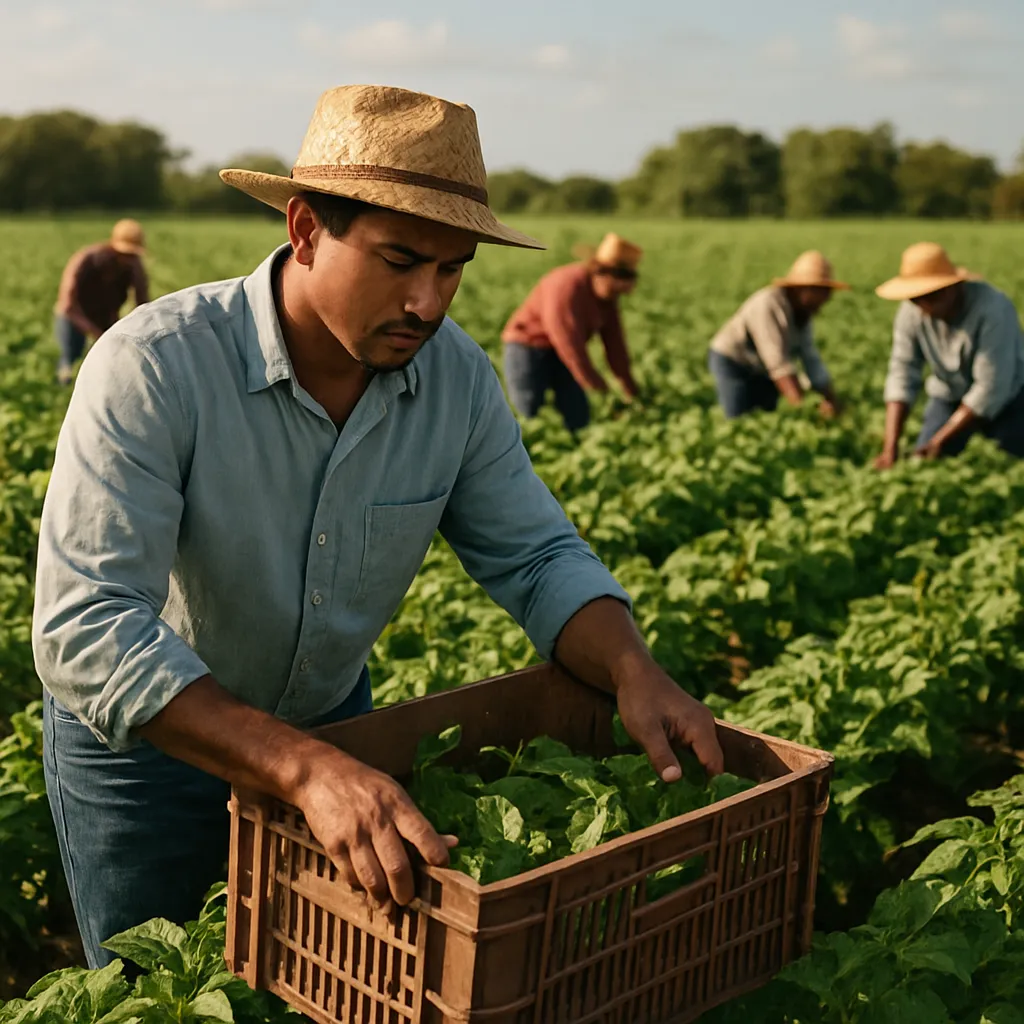
Smallholder farms act as engines of rural economies, supplying a substantial portion of staple crops, fruits, and vegetables consumed within their regions. Unlike large-scale enterprises, these farms often cater to local markets, shortening supply chains and reducing post-harvest losses. By marketing produce at nearby markets or through cooperatives, farmers retain a higher share of profits and improve their livelihood. Furthermore, smallholders frequently engage in value-adding activities—such as processing, packaging, or direct sales—that enhance productivity and open pathways to higher income streams. These economic benefits ripple through surrounding communities, supporting local traders, transporters, and service providers.
- Increased household incomes from diverse crop sales.
- Strengthened rural entrepreneurship and station-based services.
- Price stabilization due to localized supply-and-demand markets.
- Access to microfinance and credit facilities tailored for small-scale producers.
The infusion of cash into village economies enables investments in education, health, and infrastructure. Women, who often manage home gardens or small plots, gain empowerment by contributing financially to their families. As decision-makers in crop selection and market strategies, they drive community-wide development and resilience against economic shocks.
Environmental Sustainability and Agroecological Practices
Smallholder farms tend to utilize diversified cropping systems rather than monocultures. By intercropping grains, legumes, vegetables, and fruit trees, farmers optimize land use, improve soil fertility through nitrogen fixation, and reduce pest outbreaks naturally. Such agroecological approaches align with global goals for sustainability and conservation of natural resources. Moreover, traditional techniques—like crop rotation, composting, and agroforestry—enhance carbon sequestration, aiding in climate change mitigation. The resulting mosaic of fields, hedgerows, and woodlots supports pollinators, birds, and beneficial insects, reinforcing ecosystem health.
- Reduced reliance on synthetic fertilizers and harmful pesticides.
- Enhanced water retention and reduced soil erosion through cover crops.
- Promotion of indigenous seeds and crop diversity for greater adaptability.
- Integration of livestock for nutrient cycling and diversified food production.
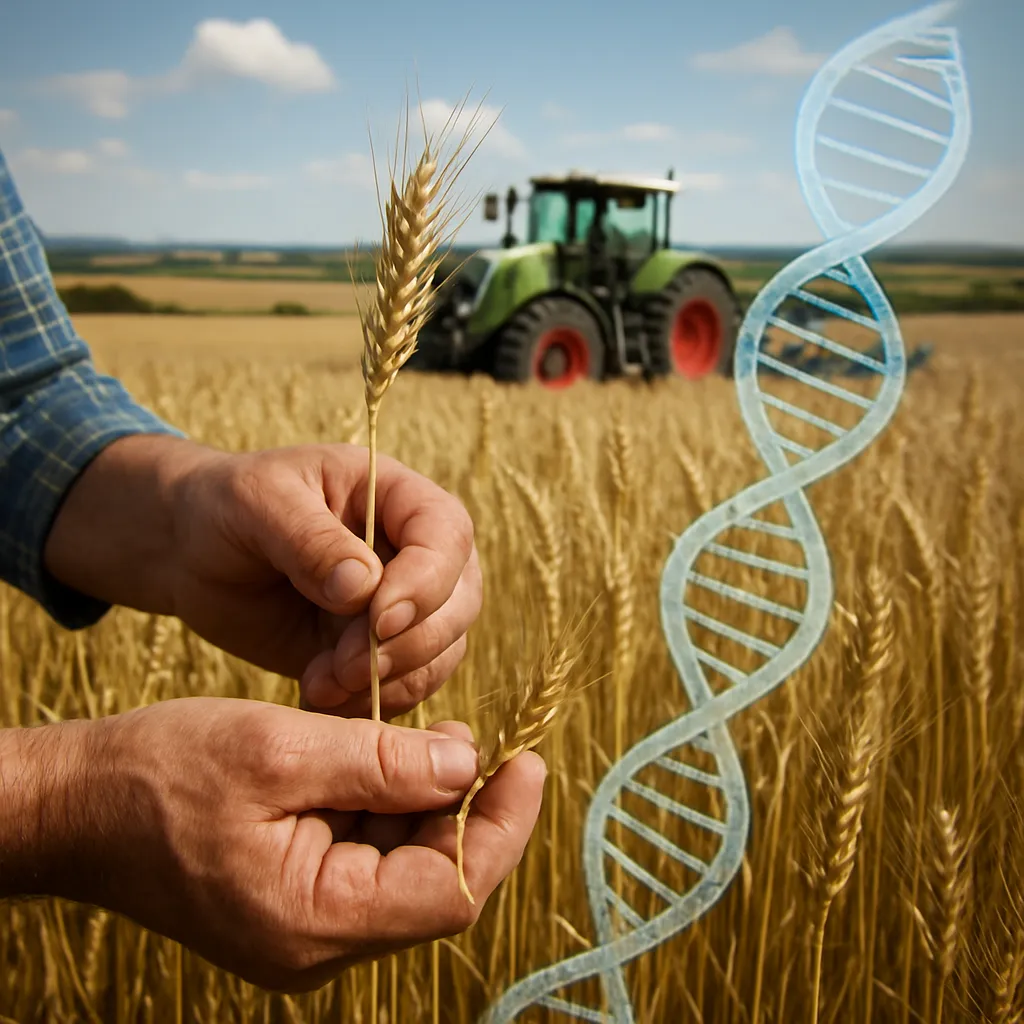
Community seed banks and farmer-to-farmer exchanges preserve heirloom varieties adapted to local conditions. These dynamic networks safeguard genetic innovation and protect against uniformity, ensuring that crops can withstand evolving pest pressures and erratic weather patterns. By maintaining a broad genetic base, smallholders contribute to the global repository of agricultural biodiversity.
Social Impact and Nutrition Security
Beyond economic and environmental gains, smallholder farms deliver crucial social benefits. Households practicing family farming often allocate portions of their harvest for home consumption, improving dietary diversity and access to micronutrient-rich foods. Fresh vegetables, legumes, and animal-source products emanating from small-scale holdings elevate nutrient intake and combat malnutrition. This direct link between production and family nourishment underscores the farms’ role in sustaining community health.
Smallholder agriculture fosters strong social ties and collaborative mechanisms. Farmers unite in cooperatives or self-help groups to share labor, resources, and knowledge. These associations facilitate bulk purchasing of inputs, collective marketing, and joint problem-solving. Through participatory training sessions, extension services, and peer learning, community members refine cultivation techniques and adopt climate-smart practices. Such social capital enhances communal resilience and ensures the transfer of indigenous wisdom to future generations.
- Improved household food access due to diversified on-farm production.
- Strengthened gender equity as women engage in decision-making and income generation.
- Enhanced educational outcomes when families allocate funds for schooling.
- Community solidarity through shared milling, storage, and irrigation infrastructure.
Challenges and Future Prospects
Despite their substantial contributions, smallholder farmers face persistent obstacles. Limited access to credit, modern inputs, and reliable markets can stifle growth and curb productivity. Inadequate infrastructure—such as poor roads, storage facilities, and irrigation systems—exacerbates post-harvest losses and exposes farmers to price volatility. Moreover, land tenure insecurity in many regions discourages long-term investments in soil health and sustainable practices.
Addressing these challenges requires a holistic approach. Policy frameworks must support land rights, fair trade, and social protection schemes. Investments in rural infrastructure, cold chains, and digital connectivity empower farmers to reach broader markets and adopt precision agriculture tools. Public–private partnerships can facilitate access to microfinance and insurance schemes that buffer smallholders against extreme weather events, price swings, and crop failures.
Ultimately, the future of smallholder farming hinges on continued collaboration among governments, non-governmental organizations, research institutions, and the private sector. By prioritizing inclusive policies and leveraging technological advances—such as remote sensing for crop monitoring or mobile-based market platforms—stakeholders can unlock new avenues for growth. Strengthening extension services and promoting farmer-led innovation ensure that interventions remain contextually relevant and socially acceptable. Through such concerted efforts, smallholder agriculture will continue to underpin rural economies, drive development, and safeguard global food security for generations to come.