Regenerative farming is a dynamic approach to agriculture that prioritizes the restoration of degraded soils, enrichment of biodiversity, and enhancement of ecosystem services on a global scale. By examining traditional and modern techniques with a forward‐looking perspective, this model supports both environmental health and agricultural productivity. Farmers, policymakers, and consumers worldwide are recognizing how regenerative practices can transform landscapes, revitalize rural communities, and mitigate climate change. This article explores the core principles, environmental impacts, socioeconomic benefits, and practical strategies driving the transition toward a more sustainable and resilient future for world farms.
Principles of Regenerative Farming in World Agriculture
At its heart, regenerative farming relies on holistic management of land and resources. Rather than focusing narrowly on yields, it emphasizes the synergistic relationships between plants, animals, microorganisms, and the atmosphere. The following guiding principles shape regenerative systems:
- Soil Health: Building organic matter and fostering a living soil ecosystem through cover crops, compost, and reduced tillage.
- Biodiversity: Integrating a variety of crops, trees, and livestock to create more resilient agroecosystems that resist pests, diseases, and climatic extremes.
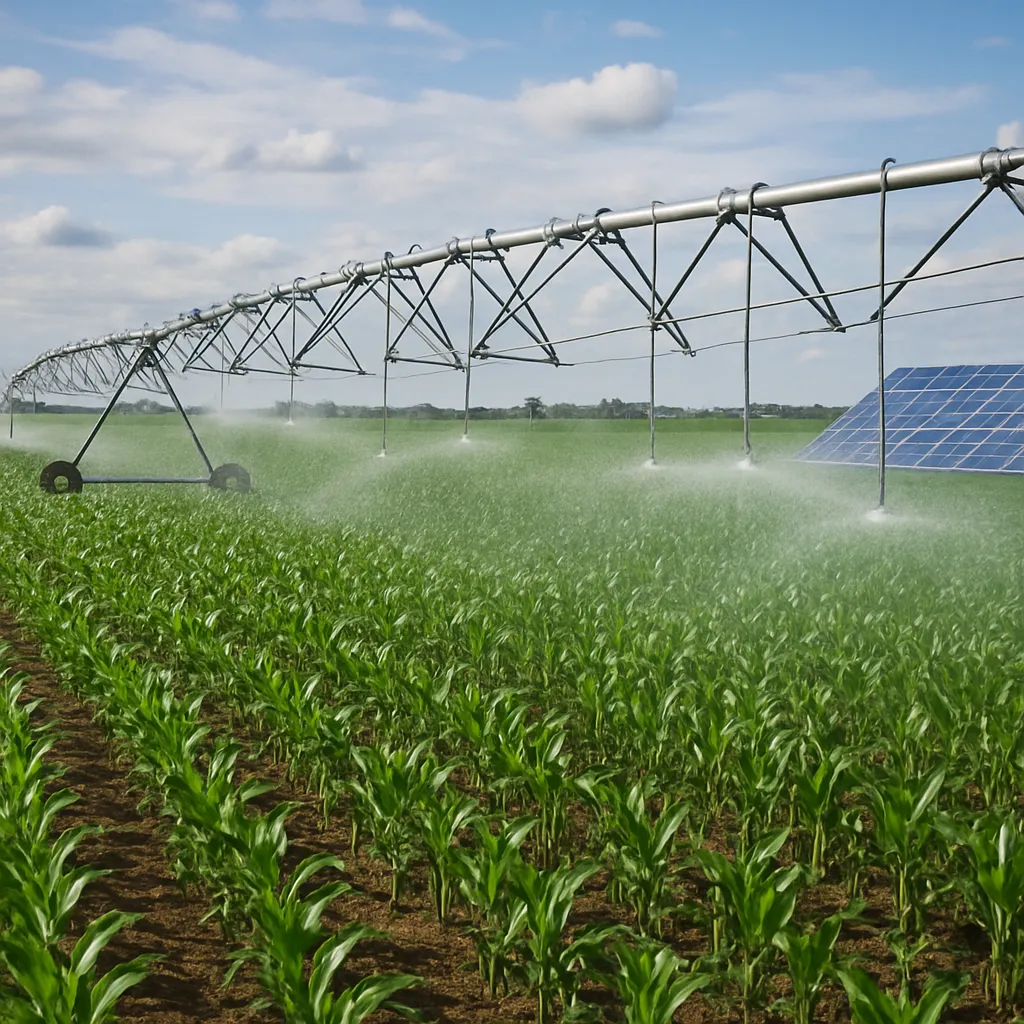
- Water Management: Capturing rainfall, enhancing infiltration, and minimizing erosion to improve local water cycles and reduce irrigation demands.
- Carbon Sequestration: Storing atmospheric carbon in plant biomass and soil organic matter as a key tool to fight climate change.
- Livelihoods: Supporting smallholders and family farms through circular economies that retain value and create rural employment.
Integrating Crop and Animal Systems
Mixed farms that combine grazing animals with diverse crop rotations can mimic natural grassland dynamics. Animals contribute manure, which recycles nutrients and promotes ecosystems that flourish without synthetic inputs. Rotational grazing and alley cropping are examples of methods that optimize land use while maintaining continuous vegetative cover.
Minimal Soil Disturbance
Traditional plowing disrupts fungal networks and accelerates organic matter loss. By adopting no‐till or reduced‐till systems, regenerative farmers preserve soil structure, prevent compaction, and support mycorrhizal associations that enhance nutrient uptake.
Environmental Impact and Climate Mitigation
Regenerative farming delivers tangible environmental benefits that extend far beyond individual fields. As more world farms embrace these practices, cumulative gains in air, water, and soil quality become evident.
Enhanced Carbon Storage
Well‐managed regenerative systems can sequester between 0.5 and 2.5 metric tons of carbon per hectare annually. Over time, this captured carbon helps counterbalance emissions from fossil fuels. Healthy soils become long‐term carbon sinks, contributing to global efforts to stabilize atmospheric greenhouse gas concentrations.
Biodiversity Conservation
Poly-cropping and agroforestry corridors create habitats for pollinators, birds, and beneficial insects. Increased plant and animal diversity improves natural pest control, reducing reliance on chemical pesticides. Protecting endangered species and preserving ecosystems also enhances overall landscape resilience.
- Restoration of degraded lands through reforestation and native grass reintroduction.
- Buffer zones around waterways to filter runoff and protect aquatic life.
- Maintenance of hedgerows and riparian strips for wildlife corridors.
Water Cycle Regeneration
By improving soil organic matter, regenerative practices boost its water‐holding capacity by up to 20–30%. This leads to reduced flood risk, sustained river flows during dry seasons, and more reliable access to freshwater for farming communities.
Socioeconomic Benefits for Farming Communities
Beyond ecological gains, regenerative agriculture drives positive socioeconomic change in rural regions around the world. From boosting local economies to improving public health, the ripple effects of these practices are profound.
Increased Farm Profitability
While initial transition costs may be higher, most farmers experience lower input expenses over time. Savings on synthetic fertilizers, herbicides, and energy combined with premium market prices for ecological products lead to healthier profit margins.
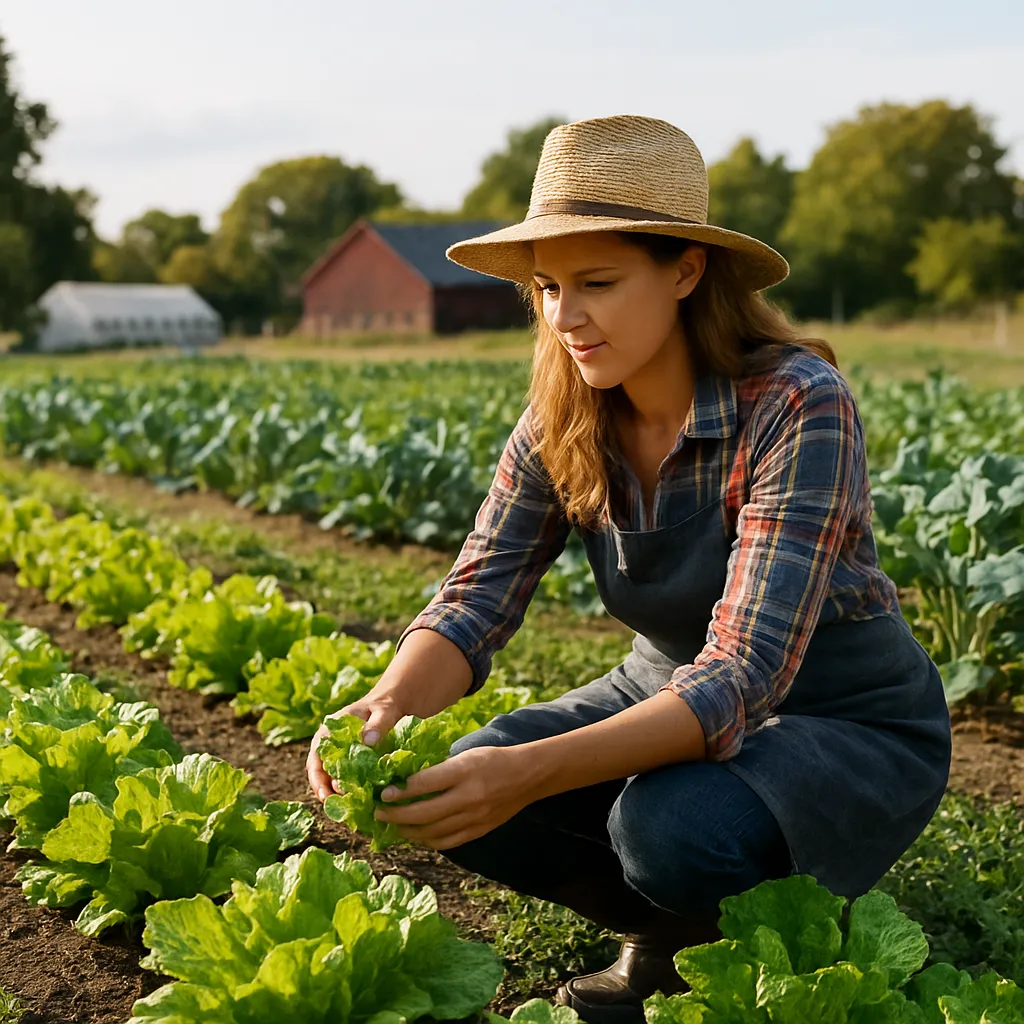
- Direct sales through community‐supported agriculture (CSA) and farmers’ markets.
- Access to green finance and carbon credit programs rewarding sustainability outcomes.
- Value‐added processing, such as artisanal cheeses or specialty grains, increases revenue streams.
Empowerment and Knowledge Sharing
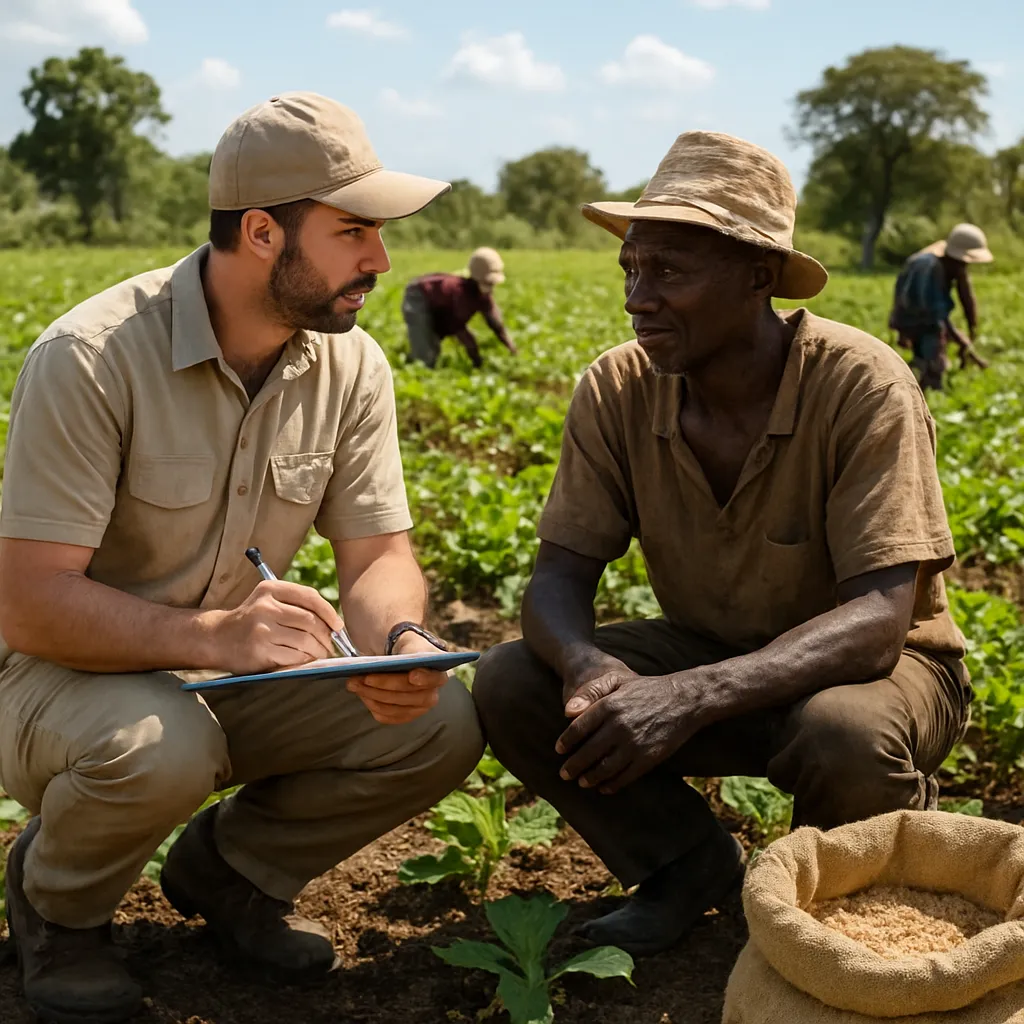
Collaborative networks, cooperatives, and digital platforms facilitate peer‐to‐peer learning. Farmers share best practices for soil management, pest control, and resource optimization. This communal approach fosters innovation and elevates local skills.
Food Security and Nutrition
Diverse cropping systems produce a wider array of fruits, vegetables, grains, and pulses. Improved dietary options strengthen community health and reduce dependence on imported staples. Nutrient‐rich soils yield more wholesome food, combatting malnutrition and diet‐related diseases.
Implementation Strategies and Global Adoption
Scaling up regenerative agriculture requires coordinated action by stakeholders at every level, from individual farmers to international organizations. Key strategies include:
- Innovation and Research: Investing in trials, data collection, and new technologies like soil sensors and remote monitoring to fine‐tune regenerative methods.
- Policy Support: Crafting incentives, subsidies, and certification schemes that encourage adoption without penalizing smallholders during the transition period.
- Education and Training: Building capacity through extension services, vocational programs, and demonstration farms where techniques are showcased.
- Market Development: Creating demand for regenerative‐labelled products via consumer awareness campaigns and retailer partnerships.
Challenges and Opportunities
Transitioning to regenerative systems can be complex. Farmers may face knowledge gaps, financial risks, and skepticism from suppliers tied to conventional inputs. Yet early adopters report improved resilience to droughts and market fluctuations, showcasing the long‐term advantages of regenerative pathways.
As regenerative agriculture continues to expand across continents, it holds the promise of a healthier planet and more prosperous rural communities. By harmonizing ecological processes with human ingenuity, world farms can deliver abundant, nutritious food while healing the land and combating climate change.