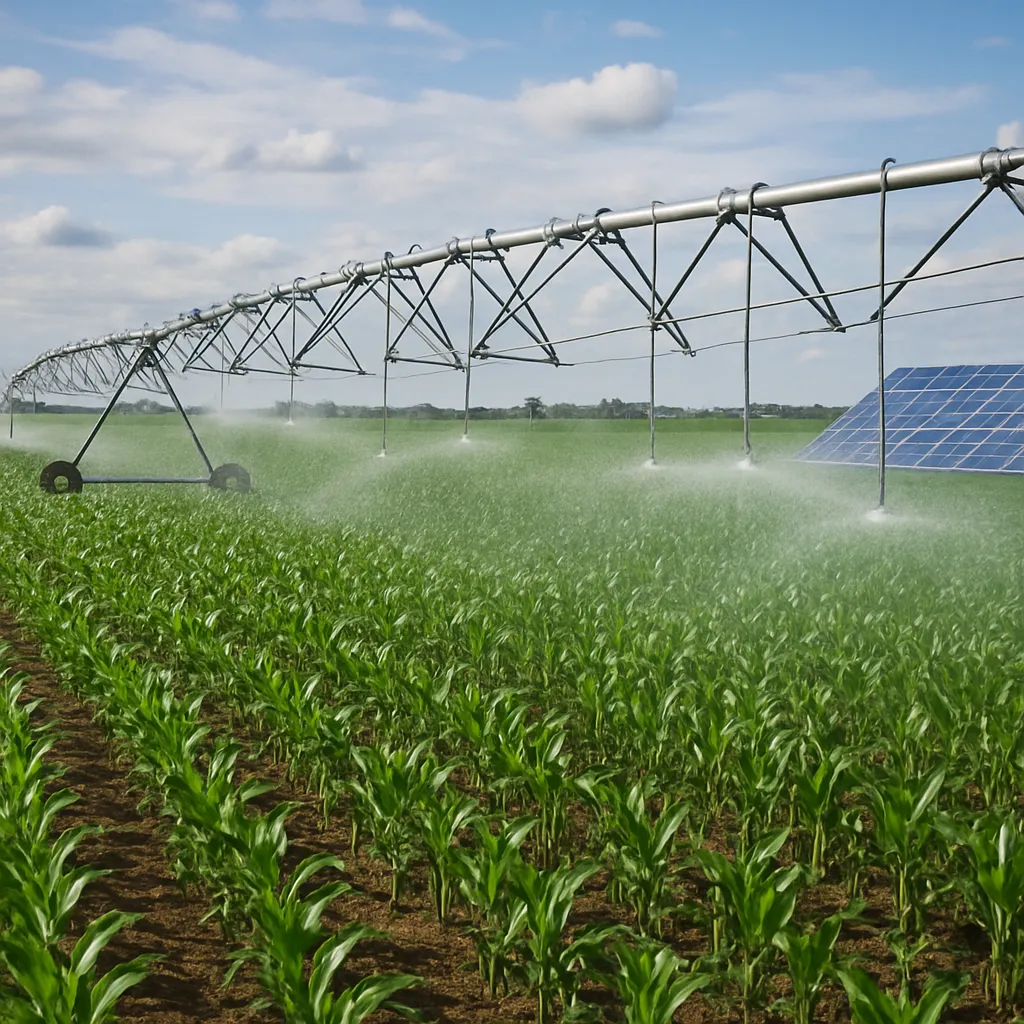
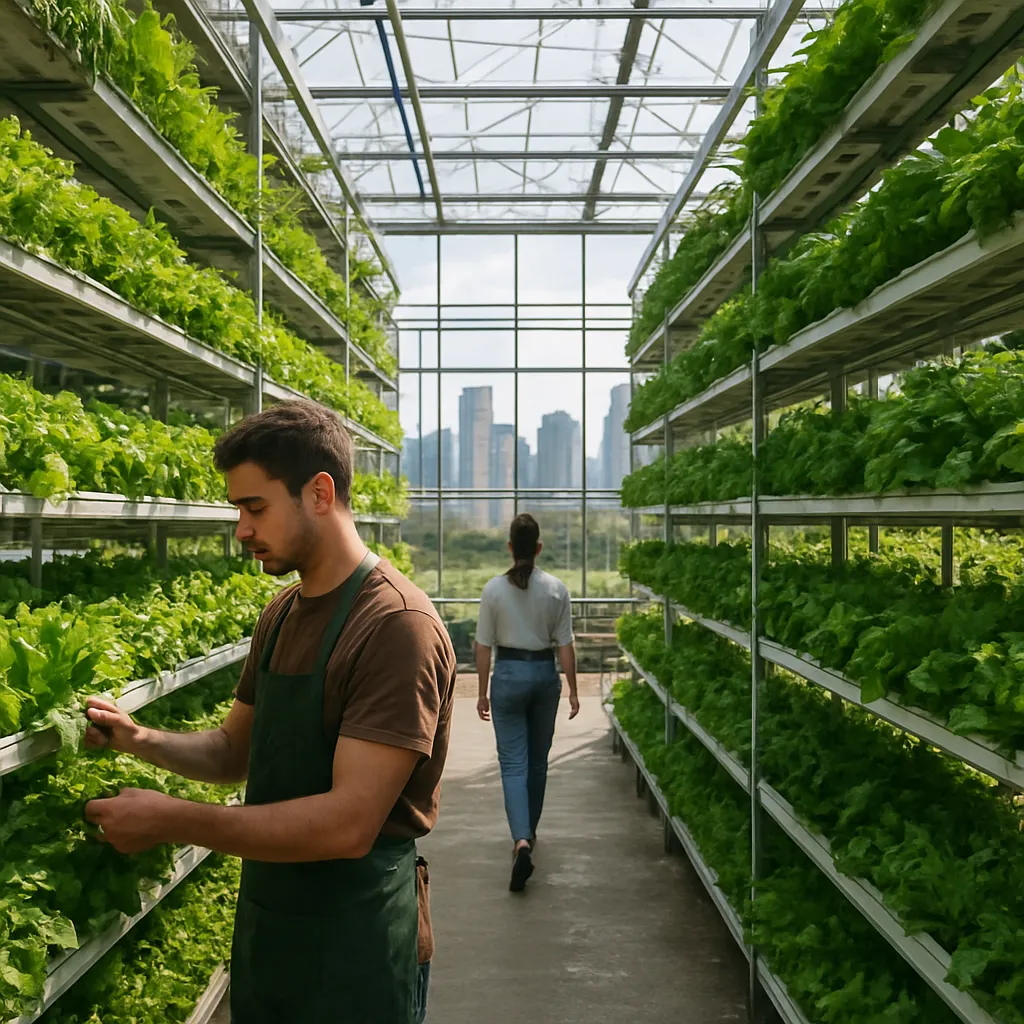
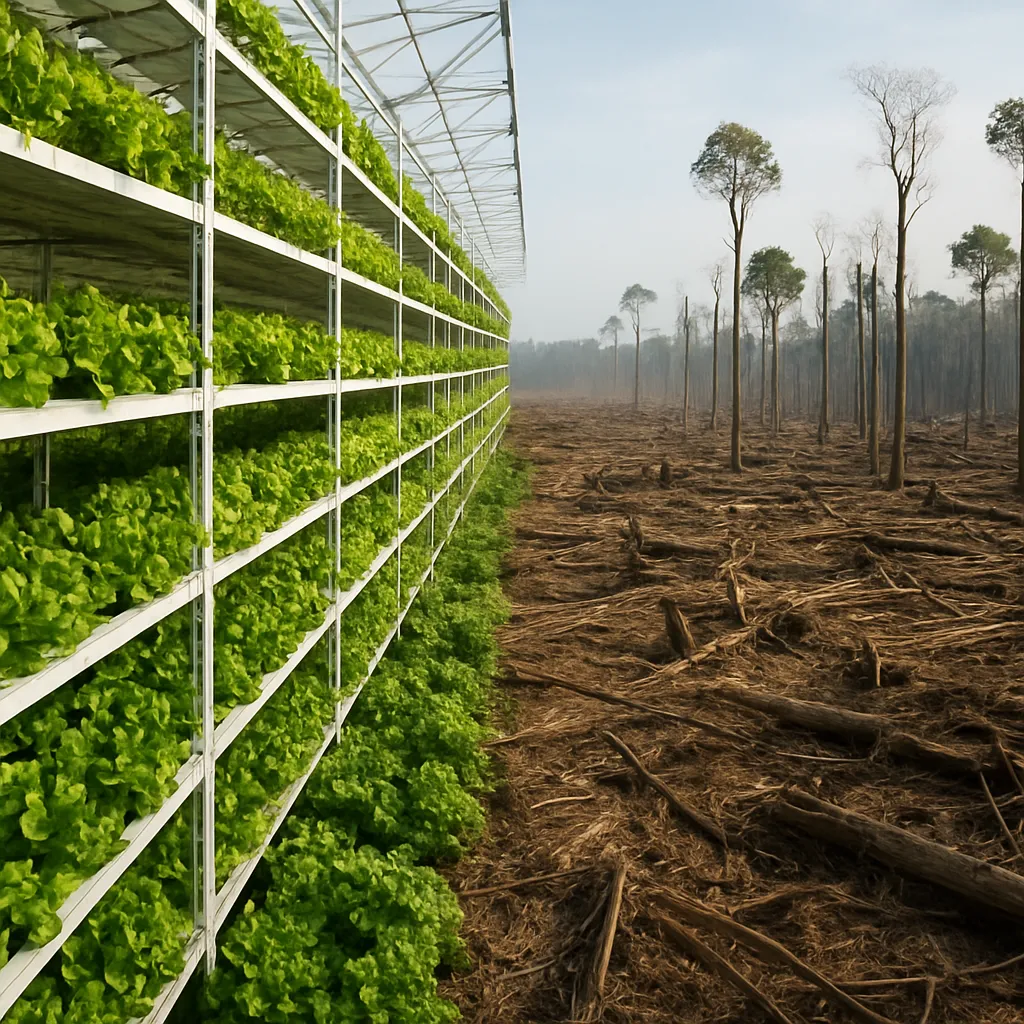
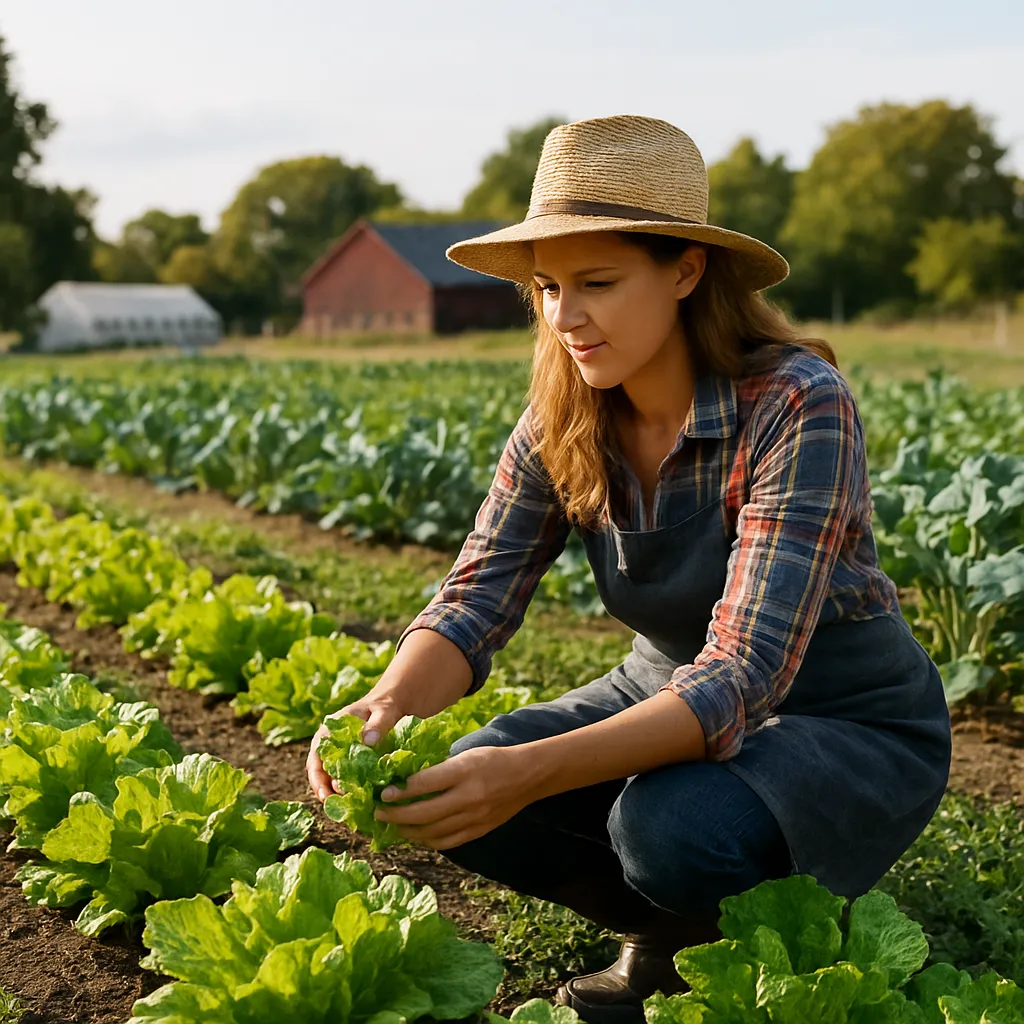
The pursuit of resilient agricultural strategies remains at the heart of ensuring a stable and abundant global food supply. One approach garnering renewed interest is multi-cropping—the practice of cultivating two or more crops simultaneously or in succession on the same land. By combining species with complementary growth patterns and resource requirements, this method enhances productivity while fostering ecological balance. Across vast world farms, innovative cultivators and agronomists are unlocking the potential of multi-cropping systems to address pressing challenges, from soil degradation to volatile market demands.
The Science Behind Multi-Cropping
At its core, multi-cropping leverages fundamental principles of agroecology. Diverse plant associations can create mutual benefits, such as improved nutrients cycling and natural pest regulation. Scientific trials conducted in various climates—from temperate plains to tropical lowlands—demonstrate that interplanting legumes with cereal grains enhances soil fertility through biological nitrogen fixation. Similarly, deep-rooted species break up compacted layers, facilitating water infiltration and reducing erosion.
Resource Partitioning
Different crops often access water, light, and minerals at varying depths or times of day. For instance:
- Shallow-rooted radishes can exploit topsoil moisture, while deep-rooted sorghum draws from lower horizons.
- Shade-tolerant leafy greens benefit from the partial canopy of taller sunflowers.
- Staggered planting dates allow sequential uptake of soil nutrients, minimizing competition.
Such efficiency in resource use leads to higher aggregate yield per hectare compared to monocultures.
Biological Pest and Disease Control
Monocultures often create avenues for pathogens and pests to proliferate unchecked. In contrast, a mosaic of species interrupts pest life cycles and confuses vectors. Some plants emit volatile compounds that deter insects, serving as natural repellents. Others act as trap crops, luring pests away from primary food staples. Integrated trials show that multi-cropping plots can reduce pesticide reliance by up to 40%, promoting safer working conditions and healthier ecosystems.
Boosting Farm Productivity and Resilience
Food insecurity persists as a global challenge, exacerbated by climate volatility and population growth. Multi-cropping offers a strategic buffer against yield failures. By diversifying production, farmers can:
- Mitigate the impact of drought or excessive rainfall on a single crop.
- Stabilize incomes through market flexibility.
- Enhance overall sustainability of farming operations.
On large-scale operations, adopting relay cropping—planting a second crop before the first one is fully harvested—maximizes land use year-round. In regions prone to erratic weather, the cultivation of drought-resistant millet alongside water-loving rice ensures some harvest even under extreme conditions.
Improved Resource Utilization
Farmers practicing multi-cropping often witness up to 30% higher land productivity. This is owed to:
- Year-round ground cover, reducing soil moisture loss.
- Enhanced carbon sequestration, contributing to climate mitigation.
- Optimized labor scheduling, as harvesting and maintenance tasks are staggered.
Environmental Advantages and Ecosystem Health
Beyond immediate yield gains, multi-cropping fosters long-term ecological benefits. The integration of diverse plant species promotes a more robust ecosystem on agricultural lands.
Soil Conservation and Regeneration
Cultivating continuous ground cover prevents wind and water erosion. The organic matter returned to the soil from varied root systems improves structure and water-holding capacity. Over time, soil microbial diversity flourishes, bolstering nutrient cycling and reducing dependency on synthetic fertilizers.
Carbon Footprint Reduction
Poly-cultures capture higher amounts of atmospheric carbon dioxide compared to single crops, as complementary species photosynthesize at different rates and times. Some multi-cropping systems incorporate high-biomass cover crops specifically for carbon sequestration, while others integrate agroforestry elements such as leguminous trees.
Biodiversity Enhancement
A patchwork of crop types creates habitats for beneficial insects, birds, and soil fauna. Flowering plants interspersed with food crops attract pollinators, improving pollination rates and boosting fruit quality. Bird populations help control rodent pests, further reducing the need for chemical interventions.
Socio-Economic Impacts on Global Food Security
Adoption of multi-cropping transcends farm boundaries, influencing rural livelihoods and national food policies. By scaling this approach, governments and NGOs can address food security at multiple levels.
Income Diversification
Smallholder farmers benefit from producing a variety of marketable goods—grains, legumes, vegetables, and oilseeds. This commercial flexibility insulates households from price crashes and crop-specific diseases. Community-based cooperatives often organize shared processing facilities, enhancing value addition and improving profit margins.
Nutrition and Dietary Diversity
Multi-cropping systems support the cultivation of nutrient-rich foods alongside staples. For instance, vitamin A–dense pumpkins grown with maize or protein-packed beans intercropped with sorghum deliver a more balanced diet. In regions facing malnutrition, integrating indigenous grains and legumes can meet local dietary needs more effectively than monocrop cereals.
Policy Integration and Extension Services
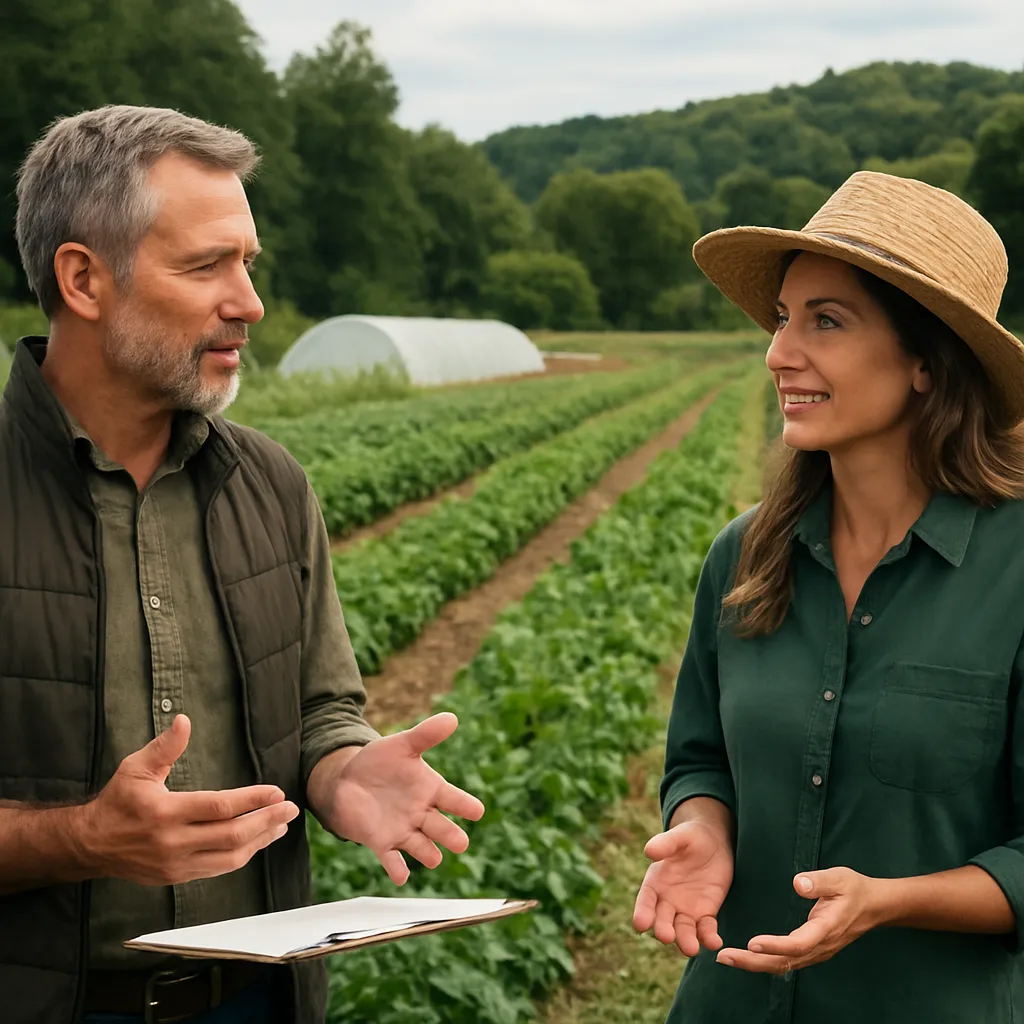
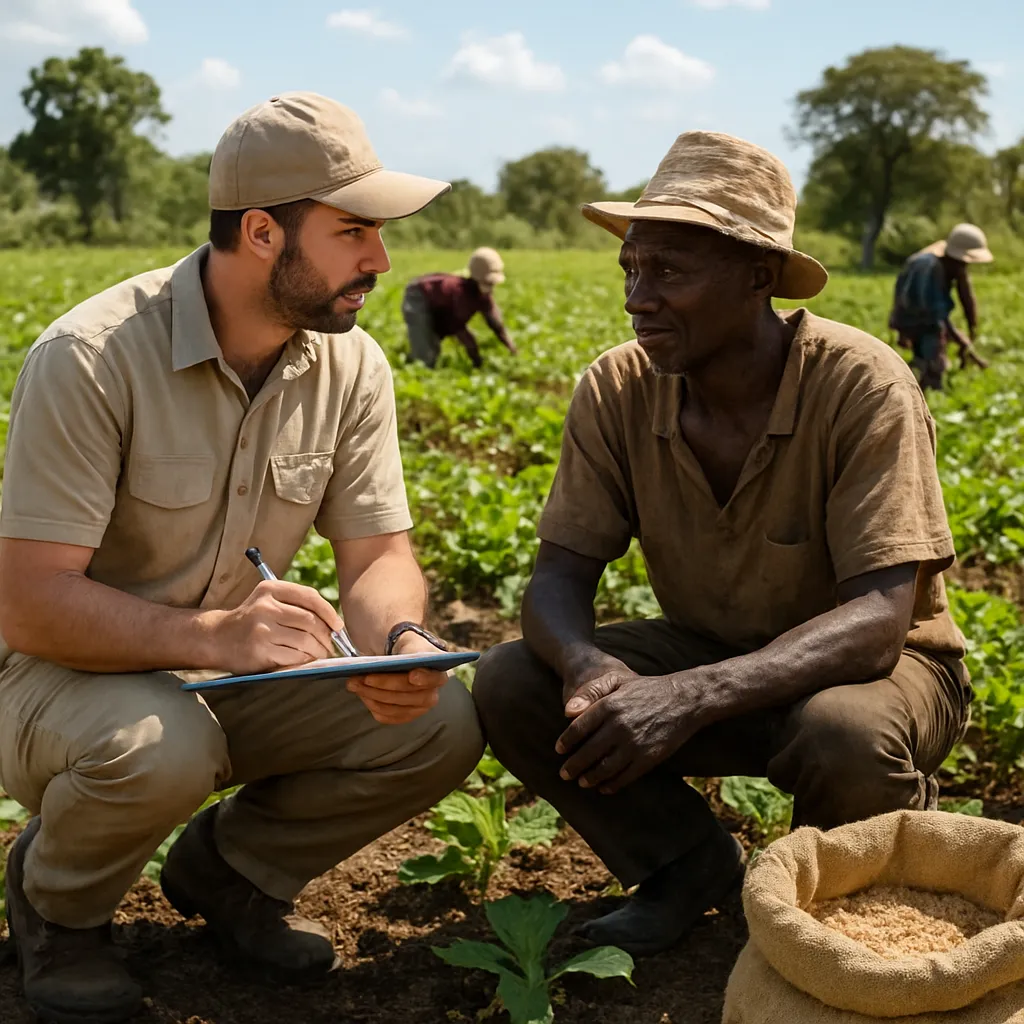
Governments are beginning to incentivize crop diversification through subsidies, insurance programs, and research funding. Extension agents play a vital role in training farmers on best practices—row arrangement, pest management, and post-harvest handling. Digital platforms and mobile apps now provide real-time advice, ensuring that small-scale producers can adopt complex techniques with confidence.
Challenges and Pathways to Adoption
Despite the clear advantages, the transition to multi-cropping systems can face obstacles:
- Lack of mechanization tailored to mixed-crop fields.
- Market constraints for minor or underutilized crops.
- Knowledge gaps in species compatibility and rotation schedules.
To overcome these hurdles, stakeholder collaboration is essential. Equipment manufacturers must innovate modular machinery, while policymakers secure stable markets through procurement programs. Educational institutions can expand research on region-specific intercropping combinations, disseminating findings through farmer field schools and demonstration plots.
Conclusion
By aligning agricultural production with ecological principles, multi-cropping systems represent a cornerstone for sustainable intensification. Through improved diversity, enhanced soil health, and risk mitigation, this approach offers a viable pathway to meet the demands of a growing population under changing climatic conditions. As world farms adopt and refine these practices, the collective impact on global food security promises to be profound and lasting.