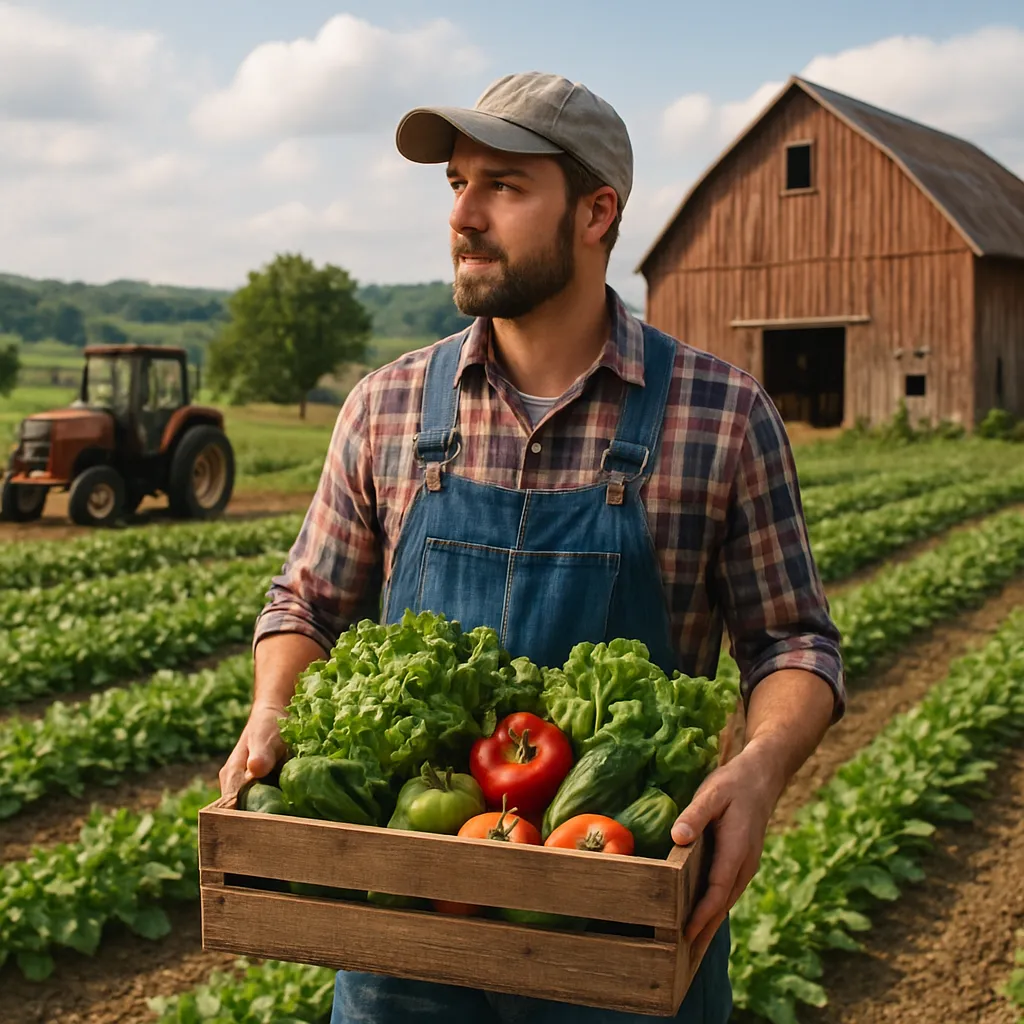
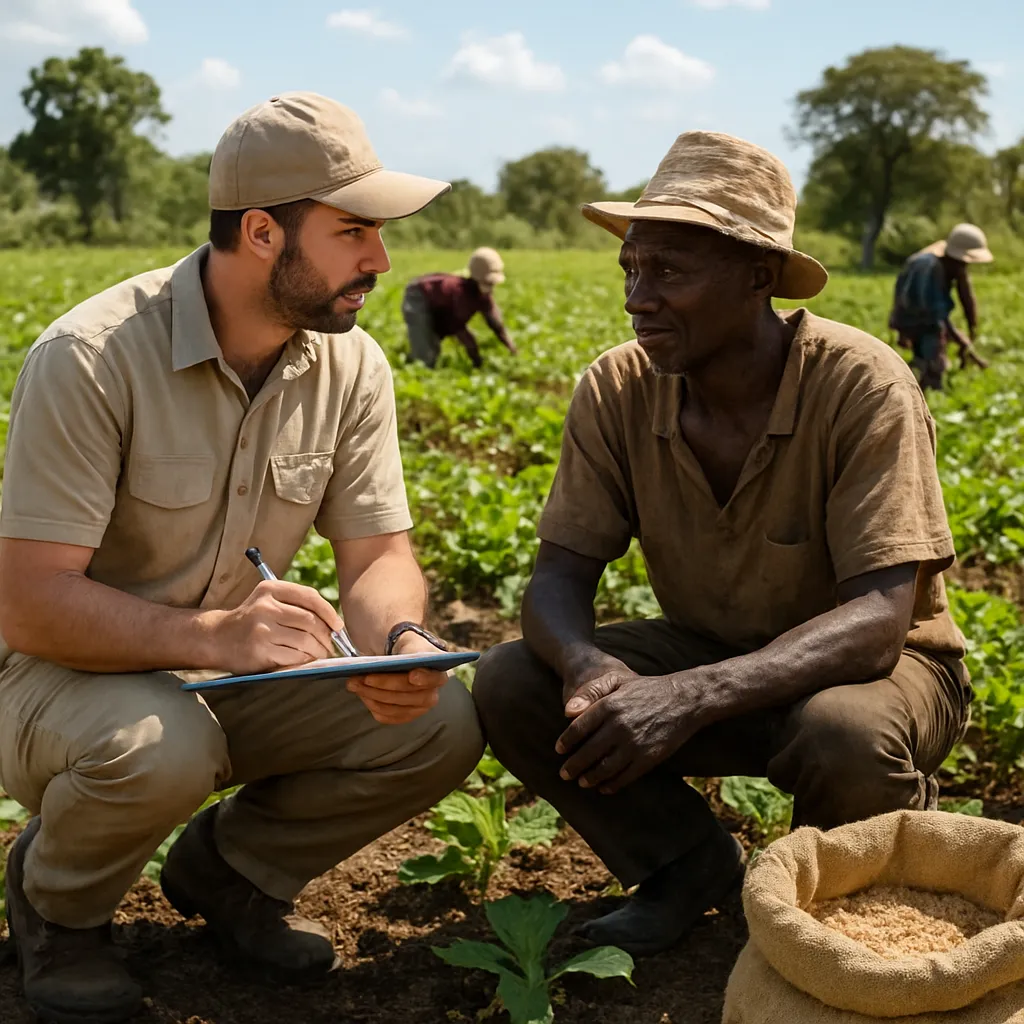
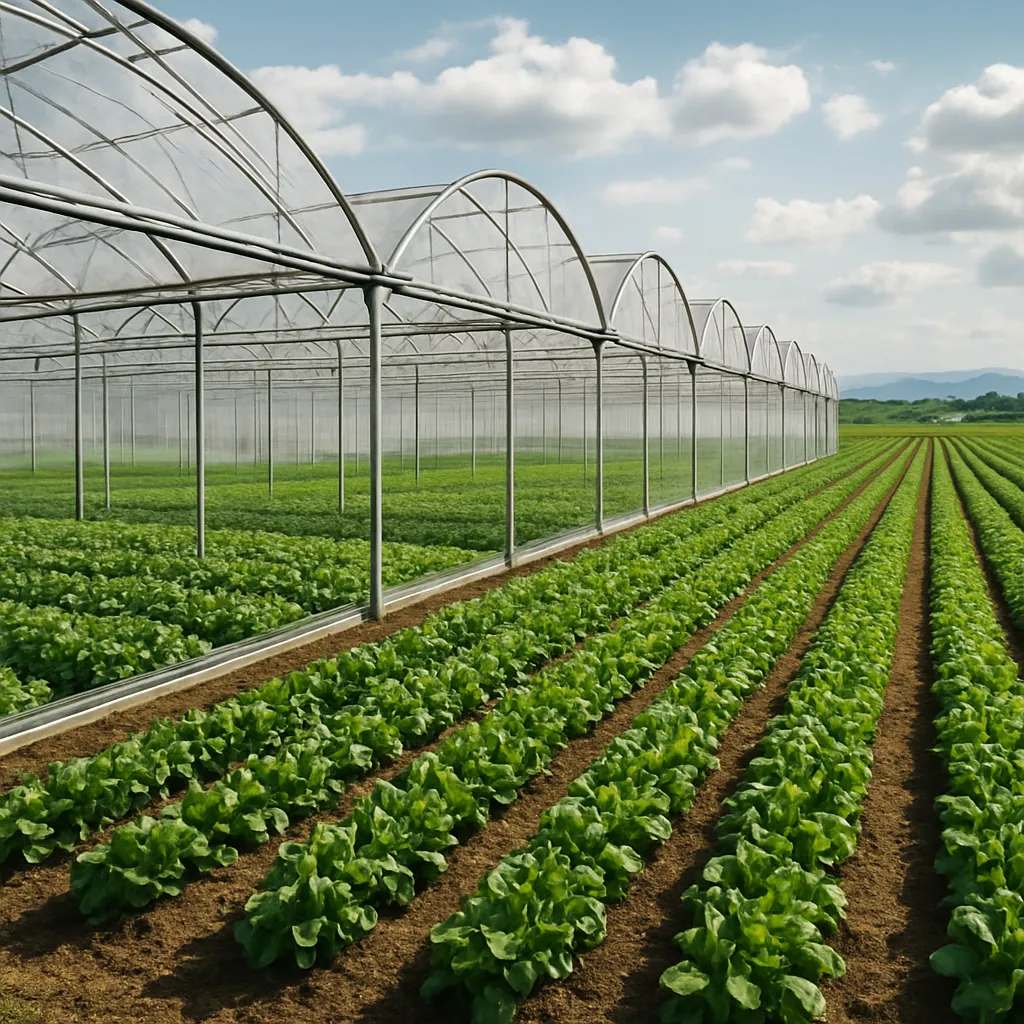
Agro-tourism merges agriculture with travel, creating a unique avenue for rural areas to thrive. Visitors explore farm landscapes, taste local produce, and engage directly with cultivation practices. This experiential approach brings tangible benefits to both hosts and guests by strengthening economic ties, preserving traditions, and fostering a deeper respect for the land and its caretakers.
Economic Empowerment and Diversification
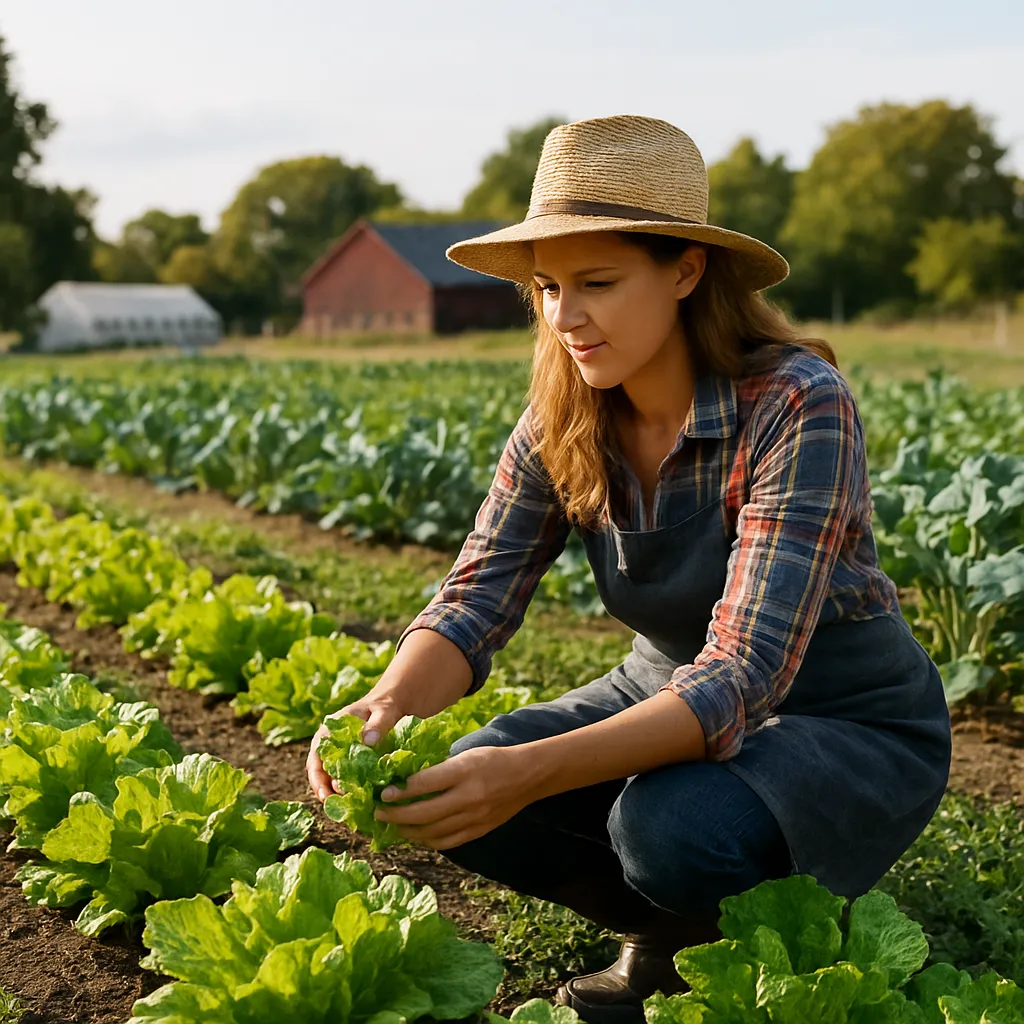
By welcoming tourists onto working farms, rural entrepreneurs unlock new revenue streams beyond traditional crop sales. Smallholders, cooperatives, and family-run estates can charge for guided tours, farm-to-table meals, and hands-on workshops. Such initiatives stimulate local economies and reduce reliance on single commodities, mitigating income fluctuations caused by market volatility or adverse weather.
- Entrepreneurship thrives as farmers develop lodging, dining, and craft experiences tailored to visitors.
- Seasonal peaks in harvest festivals or wine tastings create steady demand for guides, kitchen staff, and maintenance crews.
- Revenue generated often circulates within the community, funding schools, healthcare facilities, and infrastructure upgrades.
- Collaborative marketing efforts unite multiple farms under regional brands, attracting larger audiences and boosting overall competitiveness.
In regions where youth migration to cities poses a challenge, agro-tourism offers compelling career paths. Younger generations return home, armed with hospitality skills and digital marketing know-how. They bring fresh perspectives that blend traditional farm wisdom with modern service standards, nurturing a balanced rural renaissance.
Cultural Preservation and Education
Agro-tourism acts as a living museum, safeguarding intangible assets such as recipes, folk dances, and ancestral farming techniques. Guests become active participants in daily routines, from milking goats at dawn to kneading bread dough using centuries-old methods. This immersive approach ensures that heritage is not only showcased but also transmitted to future generations.
Hands-on Learning Experiences
- Workshops on cheese-making, olive pressing, or weaving baskets highlight time-tested skills.
- Cooking classes introduce traditional spices and heirloom grains, deepening appreciation for regional gastronomy.
- Language and storytelling sessions connect visitors to local myths, songs, and oral history.
Schools often partner with nearby farms to organize field trips, turning agricultural landscapes into open-air classrooms. Children learn about crop cycles, sustainability principles, and the science behind soil health. These encounters spark interest in careers spanning agronomy, environmental science, and rural development, ensuring a knowledgeable generation committed to land stewardship.
Environmental Sustainability and Biodiversity Conservation
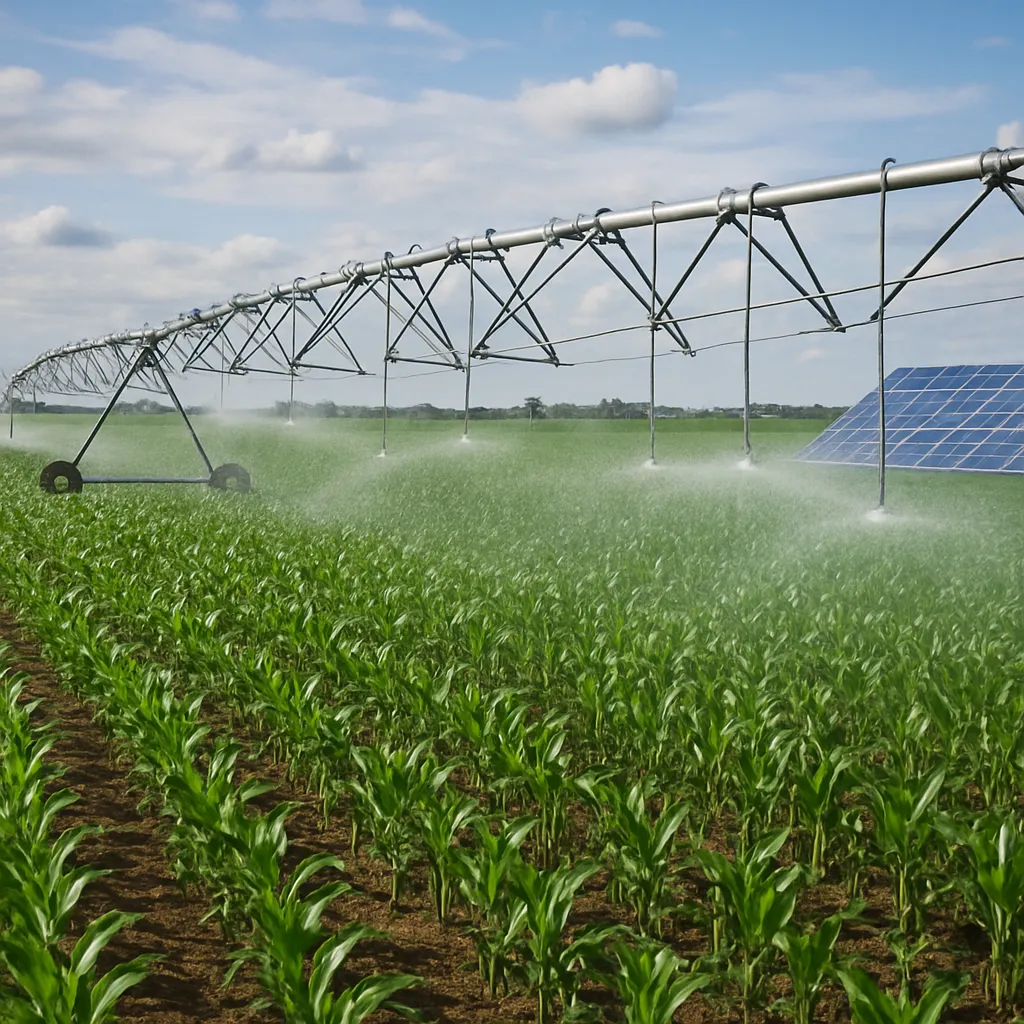
Responsible agro-tourism emphasizes eco-friendly practices, encouraging farmers to adopt organic methods and minimize chemical inputs. Visitors witness rainwater harvesting systems, solar-powered barns, and integrated pest management firsthand. By showcasing these innovations, hosts inspire both locals and travelers to prioritize environmental health.
Protecting Ecosystems Through Awareness
- Guided nature walks reveal pollinator habitats, endangered species, and traditional agroforestry techniques.
- Interactive planting sessions cultivate heirloom seeds, preserving biodiversity and genetic resilience.
- Workshops on composting and soil regeneration highlight practical steps toward carbon sequestration.
Revenue from tourism often funds reforestation projects, wetland restoration, and wildlife corridors. As travelers develop a personal connection to landscapes, they become ambassadors for conservation, advocating for policies that protect fragile ecosystems worldwide.
Social Impact and Community Development
Agro-tourism fosters strong social bonds by uniting diverse stakeholders—farmers, artisans, local authorities, and visitors—around shared goals. Communal meals, village festivals, and cooperative fairs strengthen solidarity and generate pride in rural identity.
- Women’s collectives gain market access through craft sales, textile workshops, and farm-to-table bakeries.
- Youth-led initiatives, such as eco-hostels or digital storytelling projects, bridge generational divides.
- Revenue reinvestment supports community centers, transportation links, and microcredit schemes.
Moreover, inclusive agro-tourism programs can empower marginalized groups, including indigenous communities and low-income households. By designing accessible activities and equitable profit-sharing models, rural areas become more resilient and socially cohesive. The spotlight on local customs encourages mutual respect between cultures and fosters global solidarity.
Challenges and the Path Ahead
Despite its promise, agro-tourism faces hurdles that require strategic planning and collaboration. Infrastructure gaps—poor roads, limited internet connectivity, and inadequate sanitation—can deter potential visitors. Training programs for hosts and guides are essential to maintain high service standards and ensure visitor safety.
- Developing clear regulations and quality certifications helps maintain credibility and consumer trust.
- Digital marketing platforms enable small farms to reach international audiences and manage bookings efficiently.
- Public–private partnerships can finance capacity-building workshops, scholarship programs, and facility upgrades.
Looking forward, integrating emerging technologies—drone-based farm tours, virtual reality experiences, and real-time sustainability tracking—can enrich visitor engagement while reducing environmental footprints. By aligning policy frameworks with community-driven initiatives, agro-tourism will continue to invigorate rural economies, preserve cultural treasure troves, and champion a more equitable global food system.