Community-Supported Agriculture (CSA) has witnessed remarkable growth as a model for connecting consumers directly with producers, fostering stronger ties between urban and rural regions. By sharing both the rewards and risks of farming, CSA programs promote a sense of shared responsibility and mutual benefit. As global interest in sustainable food systems intensifies, examining the multifaceted advantages and obstacles of CSA offers valuable insights into the future of farming.
Origins and Evolution of CSA Worldwide
The concept of CSA emerged in Japan during the 1960s, inspired by labor unions and food cooperatives. Over the decades, this model spread across Europe, North America, and beyond, transforming from small, localized projects into diverse networks of producers and subscribers. Each region adapted CSA to fit its cultural, climatic, and economic context, resulting in a tapestry of practices that still share a common ethos of direct collaboration between growers and eaters.
Historical Roots
Initial movements in Japan—known as Teikei—focused on delivering pesticide-free vegetables to urban households. Similar initiatives later appeared in Switzerland and Germany, motivated by concerns over industrialized agriculture and declining public trust in food safety. These pioneering groups established fundamental CSA principles: shared risk, prepayment for harvests, and ongoing communication through newsletters and farm visits.
Modern Adaptations
Today’s CSA models vary from weekly vegetable boxes to community gardens, dairy shares, and meat bundles. In Latin America, urban rooftop gardens supplement rural farms. African cooperatives integrate traditional pastoral practices with CSA principles to support small-scale farmers. In South Asia, women-led CSA collectives combine permaculture techniques with local seed banks. Across all regions, innovative approaches strive to enhance economic resilience and resource conservation.
Core Benefits of Community-Supported Agriculture
CSA offers numerous advantages for participants and the planet. By aligning consumer expectations with farm realities, subscribers become more aware of seasonal cycles and production challenges. Key benefits include:
- Sustainability through reduced food miles and lower waste.
- Improved soil health and biodiversity on participating farms.
- Economic support for small-scale farmers via upfront funding.
- Enhanced nutrition from freshly harvested produce.
- Strengthened community bonds through farm visits and shared events.
Economic Advantages
CSA members pay at the beginning of the season, providing essential cash flow to purchase seeds, equipment, and labor. This upfront investment diminishes the financial uncertainty inherent in agriculture, allowing producers to plan more effectively. By eliminating many intermediaries, CSA often yields fairer prices for both growers and consumers, stimulating the local economy.
Environmental Impact
Farms operating under CSA principles typically employ organic or low-input methods. Crop diversity and cover crops enhance soil fertility and sequester carbon. Shortened distribution chains minimize greenhouse gas emissions associated with long-distance transport. These practices collectively contribute to a healthier environment, while conserving water and reducing reliance on chemical inputs.
Social and Nutritional Outcomes
Members gain access to a wide variety of seasonal foods, often including less familiar vegetables that broaden dietary habits. Regular interaction with farmers educates subscribers on food preparation, storage, and preservation techniques. Social events—such as harvest festivals and cooking workshops—foster a sense of belonging and deepen consumer appreciation for agricultural labor.
Key Challenges Facing CSA Initiatives
Despite its many merits, CSA confronts several obstacles that can hinder long-term viability. Understanding these issues is crucial for designing supportive policies and innovative solutions.
- Risk of unpredictable weather and disease outbreaks.
- High labor demands and on-farm management complexity.
- Accessibility barriers for low-income or remote communities.
- Marketing and member retention in competitive food environments.
- Regulatory hurdles and land tenure insecurity.
Financial Viability
While upfront payments stabilize revenues, producers may struggle to accurately forecast membership numbers. An unexpected drop in subscribers can leave farms underfunded, whereas overcommitment may lead to excessive labor pressure. Balancing membership growth with operational capacity is an ongoing management challenge.
Logistical and Seasonal Constraints
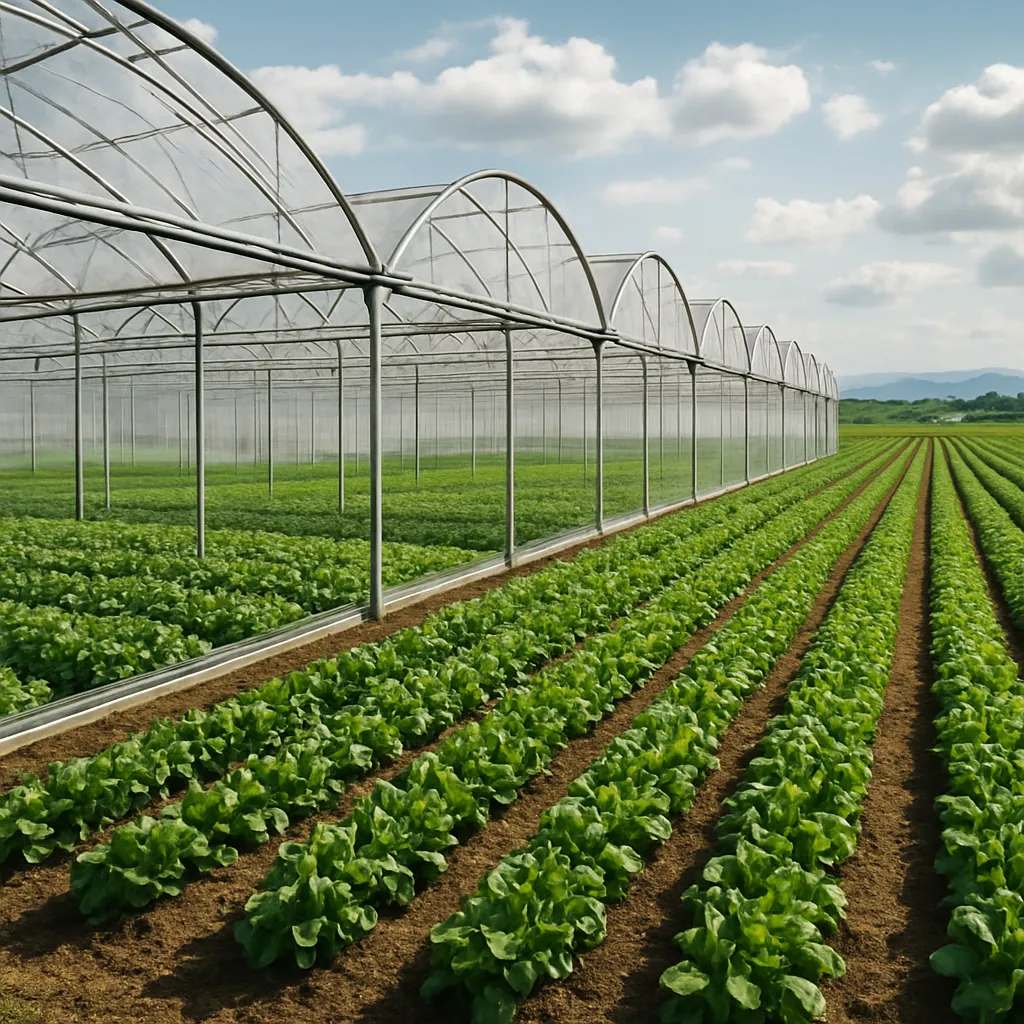
Seasonal gaps in production can cause distribution interruptions. Off-seasons require alternative strategies—such as storage crops, greenhouse production, or partnerships with other farms—to maintain continuity. Additionally, coordinating pickup locations and delivery schedules demands careful planning, especially in regions with limited infrastructure.
Scaling and Inclusivity
Expanding CSA to reach broader demographics faces hurdles related to affordability and awareness. Low-income households may find membership fees prohibitive, necessitating sliding-scale pricing or sponsorship programs. Rural communities with sparse populations encounter logistical inefficiencies that raise distribution costs, potentially discouraging farm startups in those areas.
Global Case Studies and Innovations
Across continents, CSA experiments showcase diverse strategies for enhancing impact and overcoming constraints.
Europe: Cooperative Networks
In France and Italy, federations of CSA farms share resources, marketing, and training programs. Such alliances reduce individual administrative burdens and create collective bargaining power for organic certifications and bulk purchasing of supplies. Member farmers also rotate educational responsibilities, ensuring continuous knowledge exchange.
North America: Technology Integration
U.S. and Canadian CSAs increasingly use digital platforms for ordering, communication, and traceability. Online dashboards allow subscribers to customize produce preferences and receive real-time updates on farm activities. Mobile apps facilitate route optimization for local deliveries, lowering fuel consumption and labor hours.
Asia and Africa: Community Empowerment
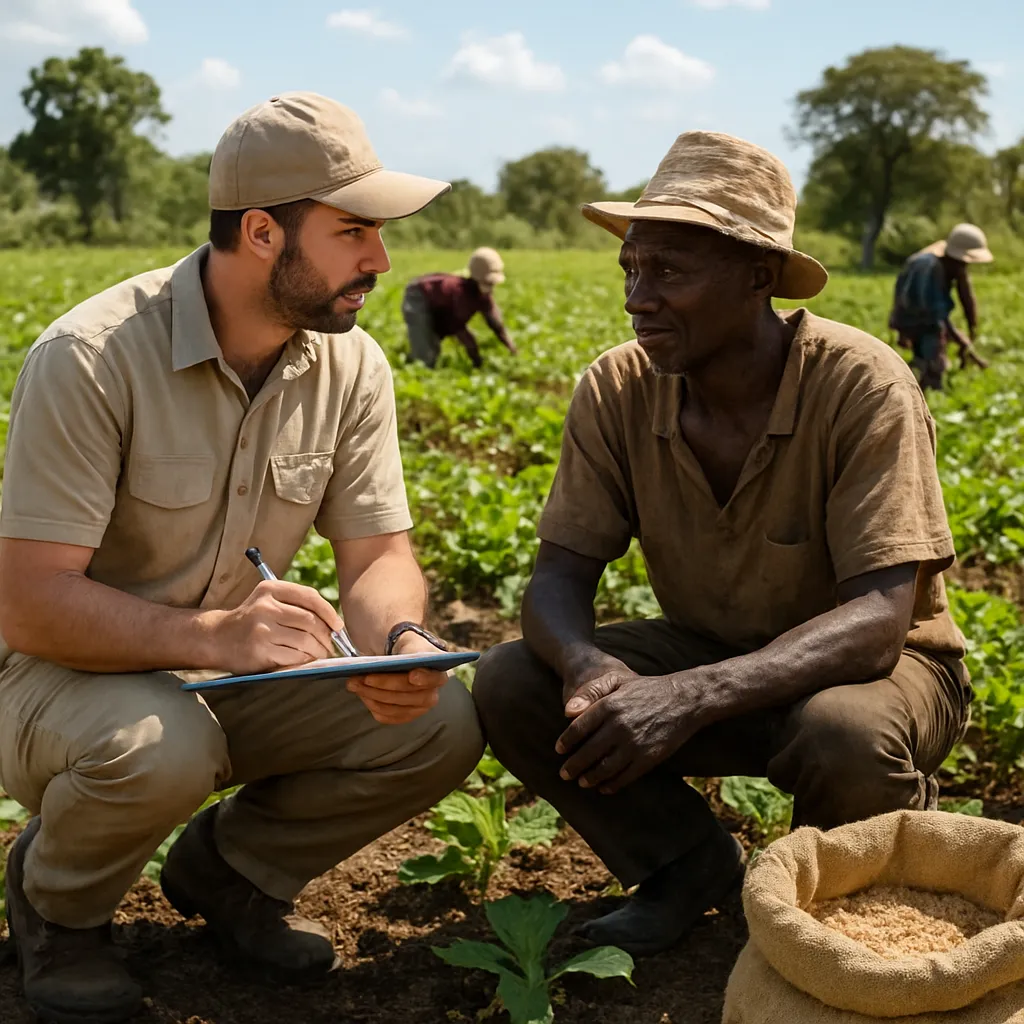
Grassroots CSA groups in India and Kenya focus on empowering marginalized tribes. By integrating indigenous agricultural knowledge with permaculture design, these initiatives enhance food security and preserve cultural heritage. Women-led CSA projects often reinvest profits into community education, healthcare, and clean water systems, enhancing overall resilience.
Strategies for Future Growth and Resilience
To scale CSA effectively, stakeholders must address systemic barriers through policy reform, education, and cross-sector partnerships. Key strategies include:
- Government incentives for organic certification and land access.
- Financial assistance programs tailored to smallholder agricultural enterprises.
- Collaboration between urban planners and CSA networks to integrate farms into city landscapes.
- Educational campaigns highlighting the value of seasonal eating and farm transparency.
- Research initiatives to document the long-term social and ecological benefits of CSA.
By aligning public and private resources, expanding cultural acceptance, and harnessing innovative technologies, CSA can evolve into a cornerstone of equitable and sustainable food systems worldwide. Embracing this model not only nourishes individuals with fresh, nutritious produce but also strengthens the fabric of rural and urban community life.