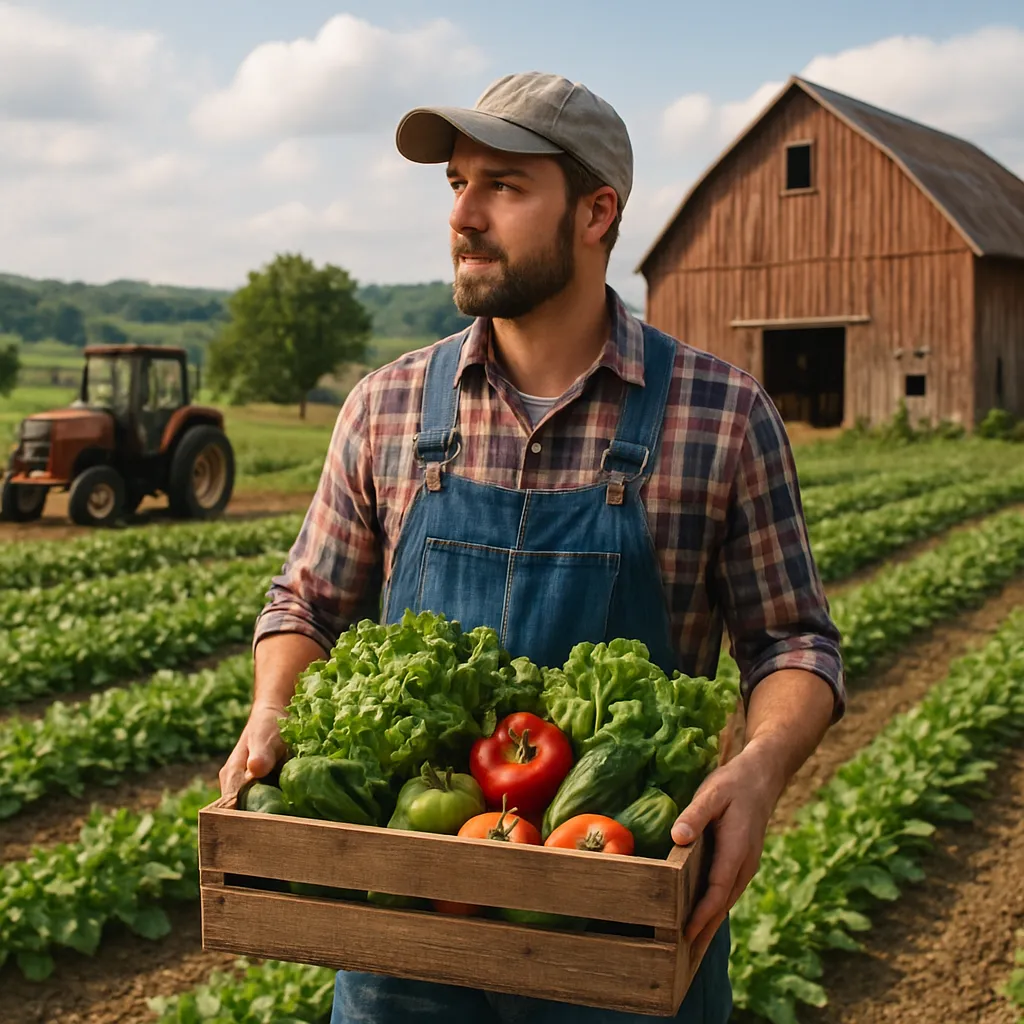
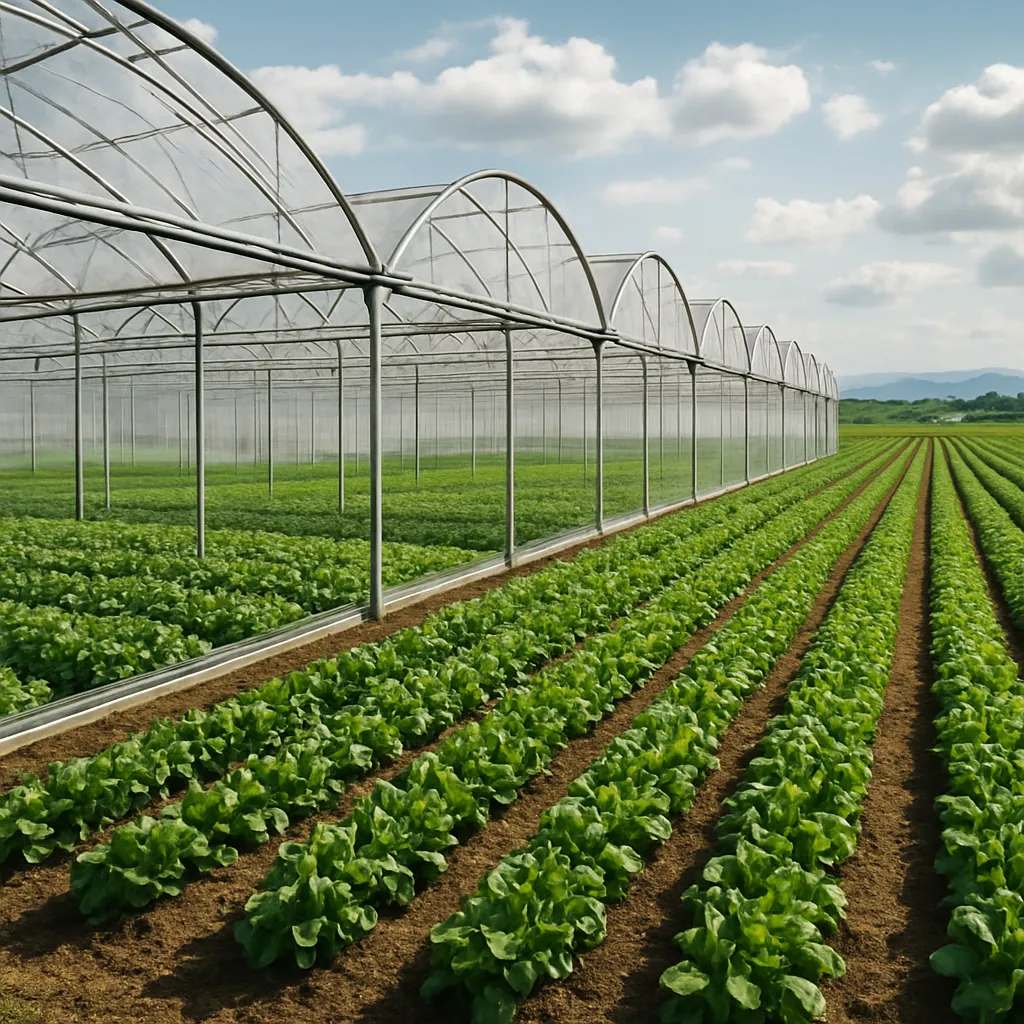
Across continents, farmers are embracing groundbreaking methods that reshape food production, optimize land use, and address mounting environmental pressures. From high-tech sensor networks in North America to community-driven agroecology projects in Africa, a tapestry of innovative approaches is redefining agriculture’s future.
Global Adoption of Precision Agriculture
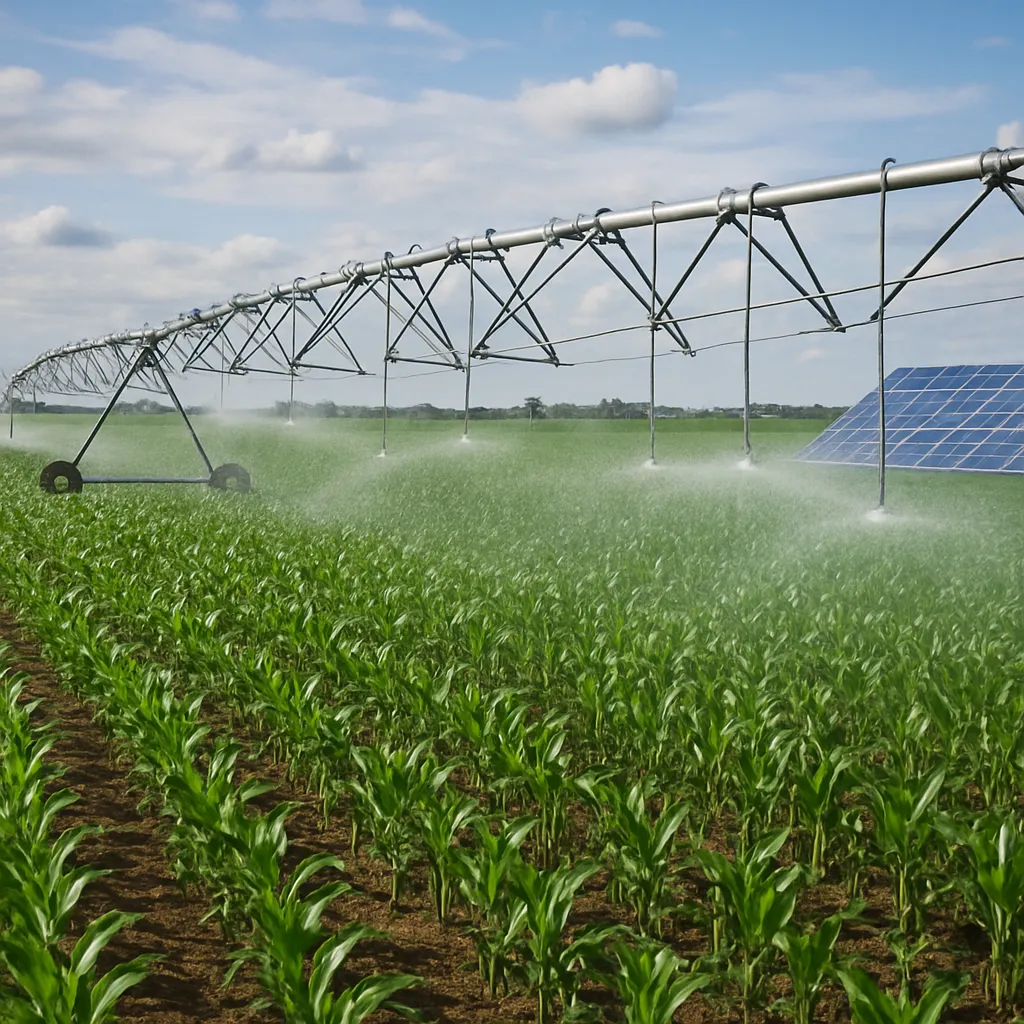
Precision agriculture harnesses data-driven tools to monitor crop conditions, soil health, and resource utilization with unprecedented accuracy. By integrating GPS mapping, sensors, and cloud-based analytics, growers can make informed decisions that boost yield while minimizing waste.
Technologies Driving Change
- Drones: Unmanned aerial vehicles equipped with multispectral cameras survey fields in real time, detecting pest infestations and nutrient deficiencies long before they become visible to the naked eye.
- Soil Moisture Sensors: Networks of wireless probes measure water content at various depths, enabling targeted irrigation schedules that conserve up to 30% of freshwater use.
- Machine Learning Algorithms: Advanced models process historical and live data to forecast crop stress, optimal planting dates, and disease outbreaks, reducing chemical inputs.
Case Study: Smart Farms in North America
In the United States and Canada, large-scale operations are investing heavily in robotic systems for planting and harvesting. Autonomous tractors navigate fields with centimeter-level accuracy, while robotic harvesters selectively pick ripe fruits, ensuring consistent quality. By adopting these robotics solutions, some farms report labor cost reductions of 40% and up to 20% greater productivity.
Controlled Environment Farming and Vertical Solutions
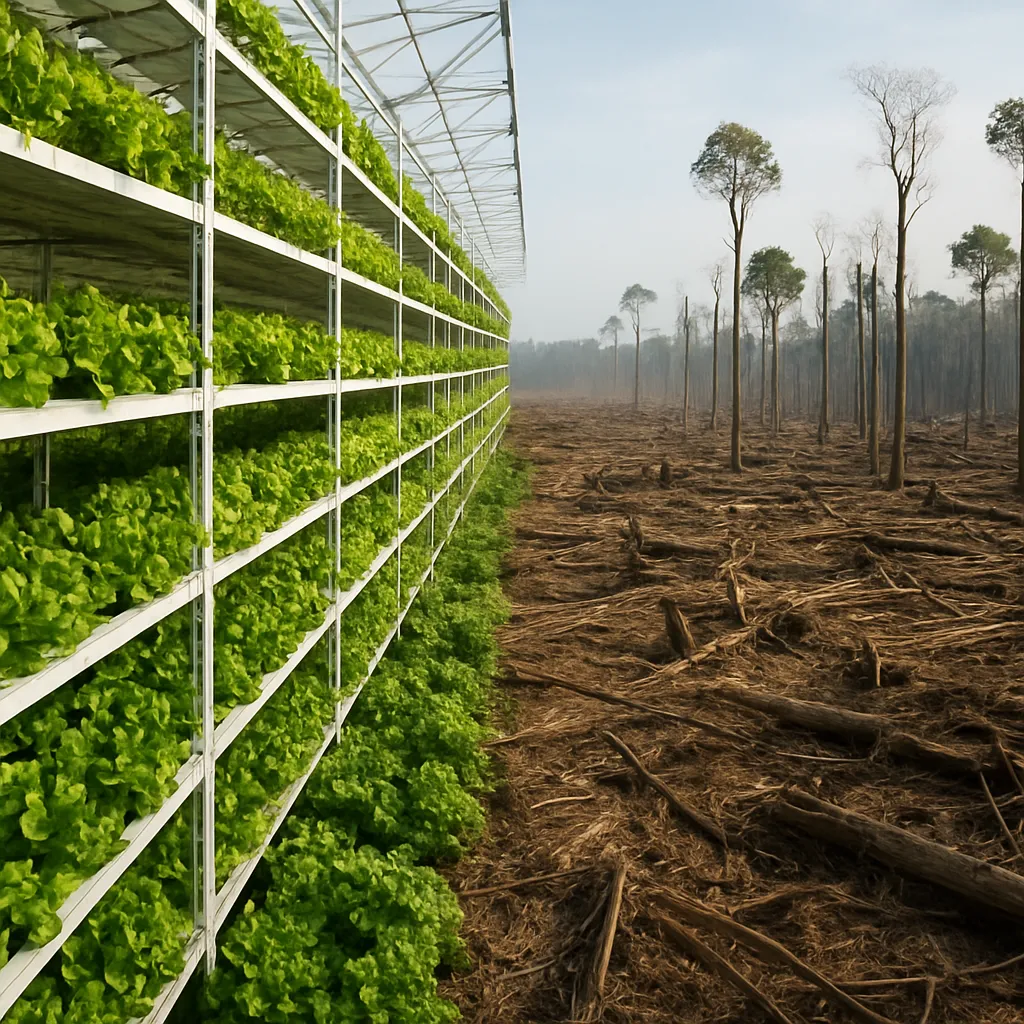
Enclosed systems offer year-round production regardless of climate extremes. By optimizing light, temperature, and nutrients, controlled environment agriculture (CEA) can yield dozens of crop cycles per year within a compact footprint.
Hydroponics and Aquaponics
- Hydroponics: Plants grow in nutrient-rich water solutions without soil, achieving growth rates up to 50% faster than traditional methods.
- Aquaponics: Fish and plants coexist symbiotically; fish waste supplies nutrients to the plants, which in turn filter the water for aquatic life.
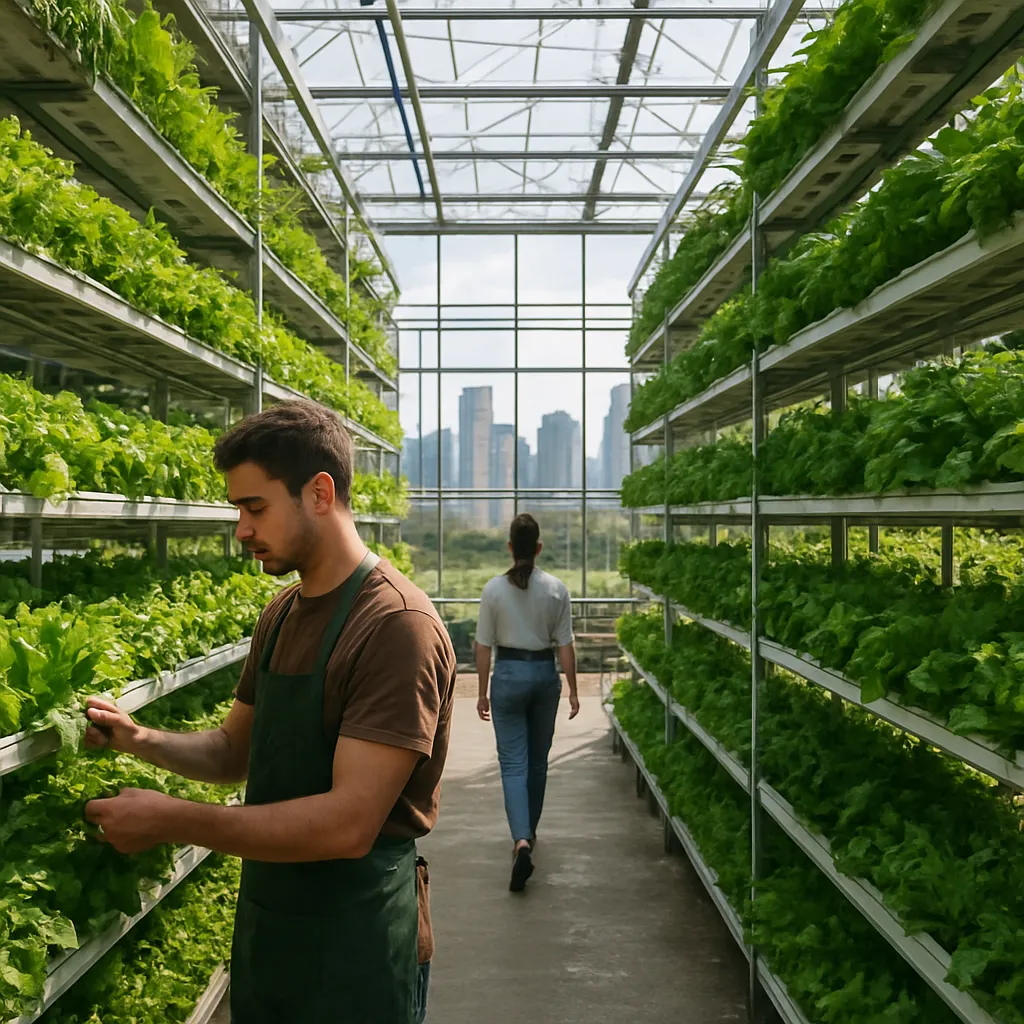
Urban farms in Europe and Asia have turned rooftops and abandoned warehouses into prolific CEA hubs. One facility in Singapore produces over 30,000 heads of lettuce weekly under LED lighting, cutting transport-related carbon emissions by two-thirds compared to imported greens.
Vertical Farming in Urban Centers
Towers of stacked trays illuminated by customized LED spectra allow crops like herbs, microgreens, and strawberries to thrive in dense city districts. This localization reduces food miles, enhances freshness, and brings production closer to consumers.
Sustainable Resource Management Practices
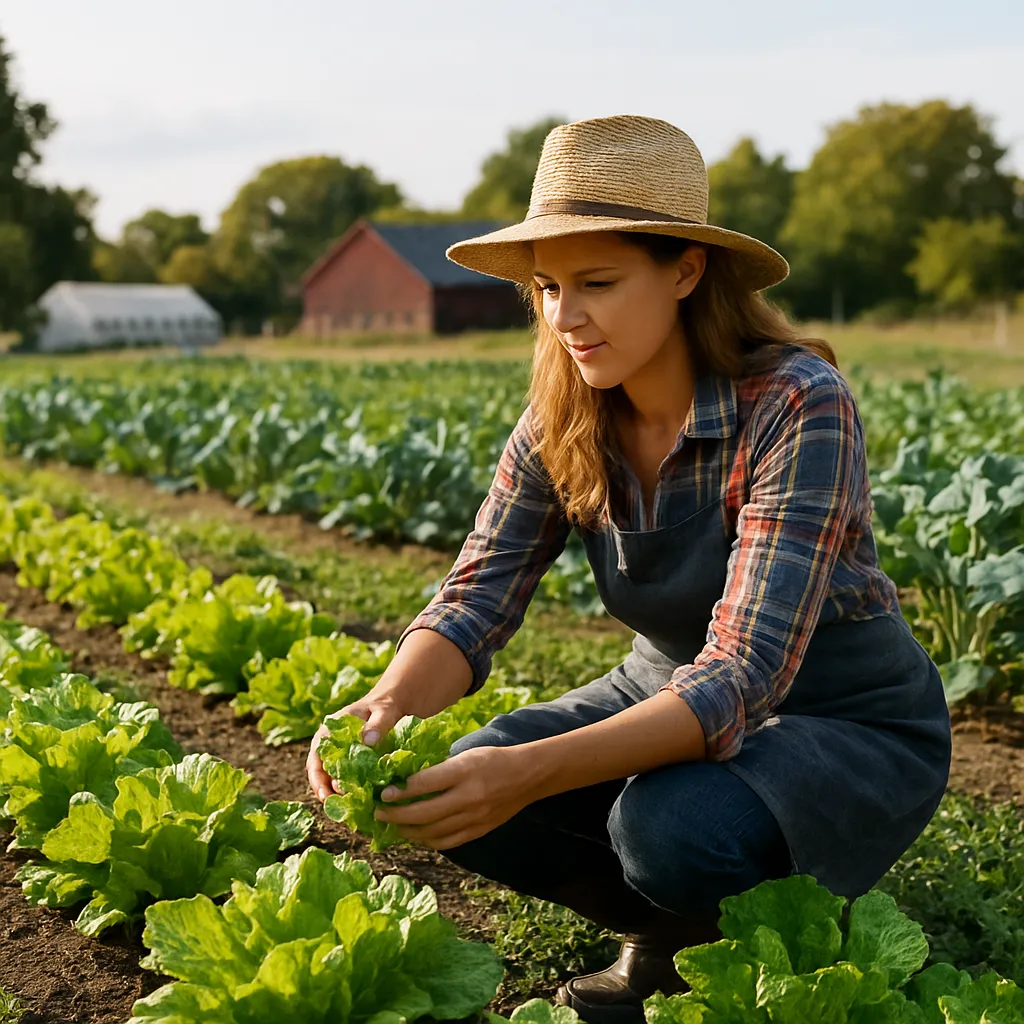
Resource scarcity has propelled a wave of strategies aimed at preserving ecosystems and bolstering long-term resilience. By combining traditional wisdom with modern research, farmers worldwide pursue balanced systems that benefit both nature and communities.
Water Conservation and Regenerative Techniques
- Rainwater Harvesting: Underground cisterns and surface ponds collect seasonal rains for irrigation during dry spells, reducing reliance on deep aquifers.
- Cover Cropping: Planting legumes or grasses during fallow periods improves soil structure, prevents erosion, and fixes atmospheric nitrogen naturally.
- Zero-Tillage Farming: Minimizing plowing preserves soil organic matter and carbon content, while reducing fuel consumption and greenhouse gas emissions.
In parts of Australia, farmers rehabilitate degraded lands by integrating livestock grazing with native vegetation restoration, achieving a 25% increase in pasture productivity and enhancing wildlife habitats.
Local Innovations in Developing Regions
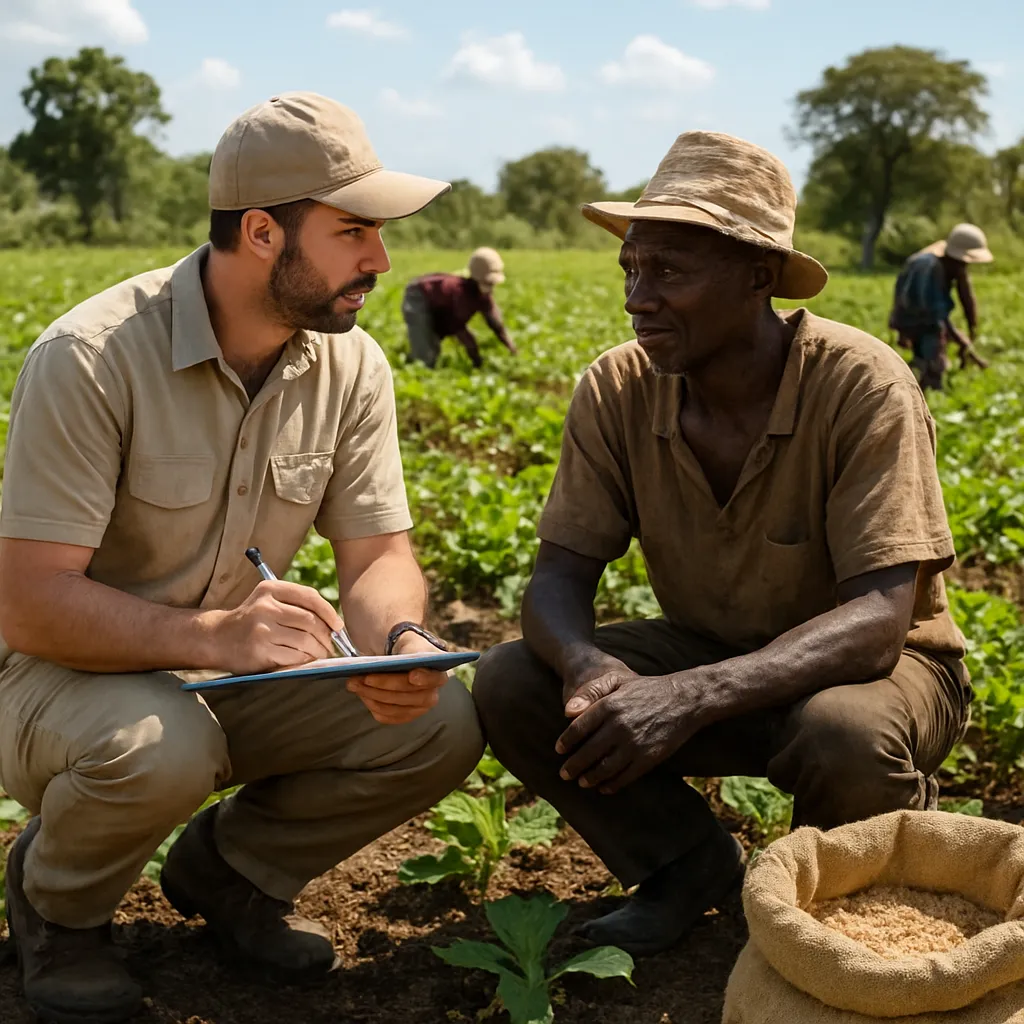
Across Africa, Asia, and Latin America, resource constraints foster creative solutions tailored to local conditions. Smallholders combine low-cost tools with community networks to enhance food security.
Agroforestry and Mixed Cropping Systems
In Kenya and Uganda, integrating fruit trees with staple crops provides multiple income streams and shade, which reduces water evaporation and improves microclimates for understory plants. This model also sequesters significant amounts of atmospheric carbon in woody biomass.
Mobile Technology for Knowledge Sharing
- SMS Advisory Services: Farmers access weather forecasts, market prices, and pest alerts directly on feature phones, empowering timely actions.
- Interactive Voice Response (IVR): Illiterate farmers receive audio-based guidance on best practices, ensuring inclusivity.
Challenges and the Road Ahead
While the promise of high-tech farming is immense, barriers remain. High initial capital costs, digital literacy gaps, and infrastructure deficits hinder adoption in many regions. Ensuring equitable access to these sustainable innovations demands collaboration among policymakers, agritech firms, and local communities.
Scaling Up and Policy Support
- Subsidies and Grants: Financial incentives can lower the entry threshold for small and medium-sized enterprises to trial innovative solutions.
- Regulatory Frameworks: Clear guidelines on data ownership, biosafety, and trade standards will foster investor confidence and consumer trust.
- Public-Private Partnerships: Joint ventures between governments, NGOs, and private companies accelerate technology transfer and training programs.
Embracing Multi-Stakeholder Collaboration
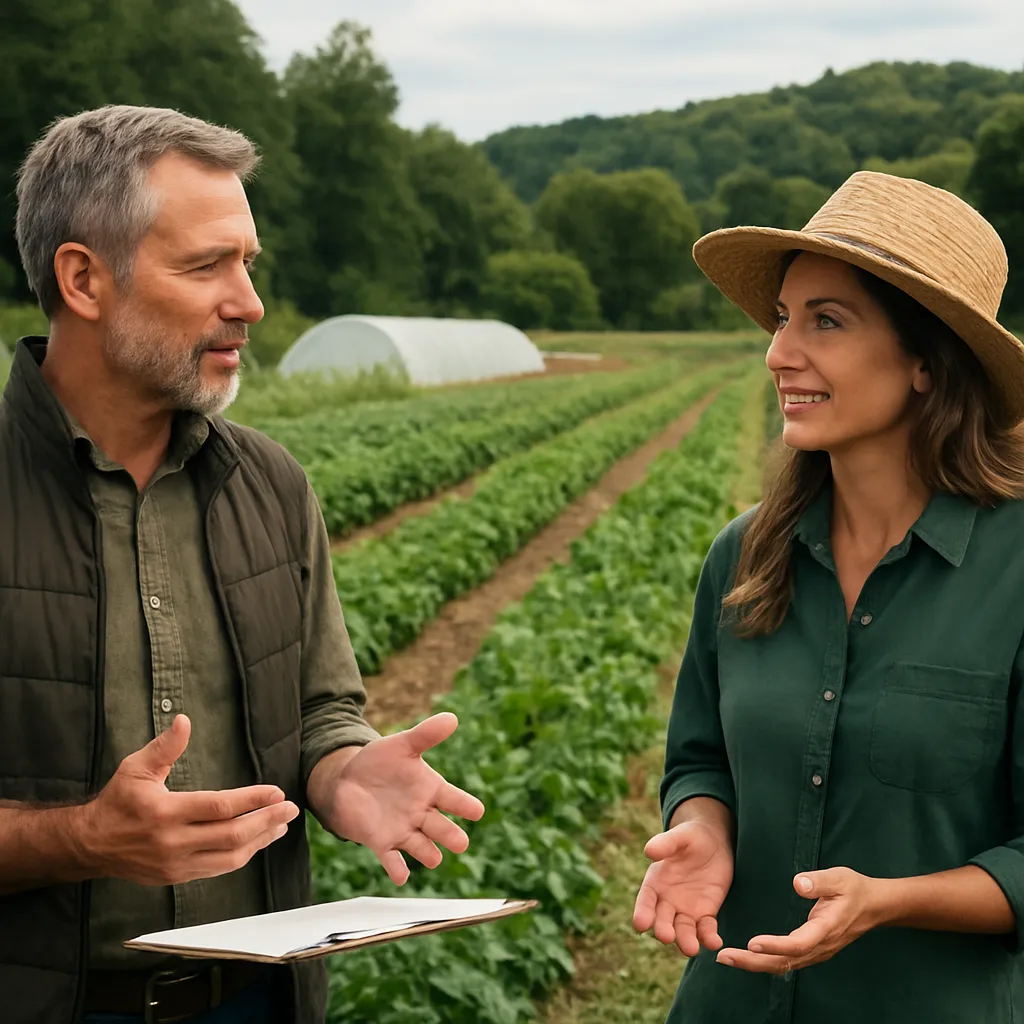
Creating resilient food systems will require dialogues that bridge farmers, scientists, tech entrepreneurs, and civil society. By weaving together diverse perspectives, the agricultural sector can evolve toward practices that are productive, climate-smart, and socially just.