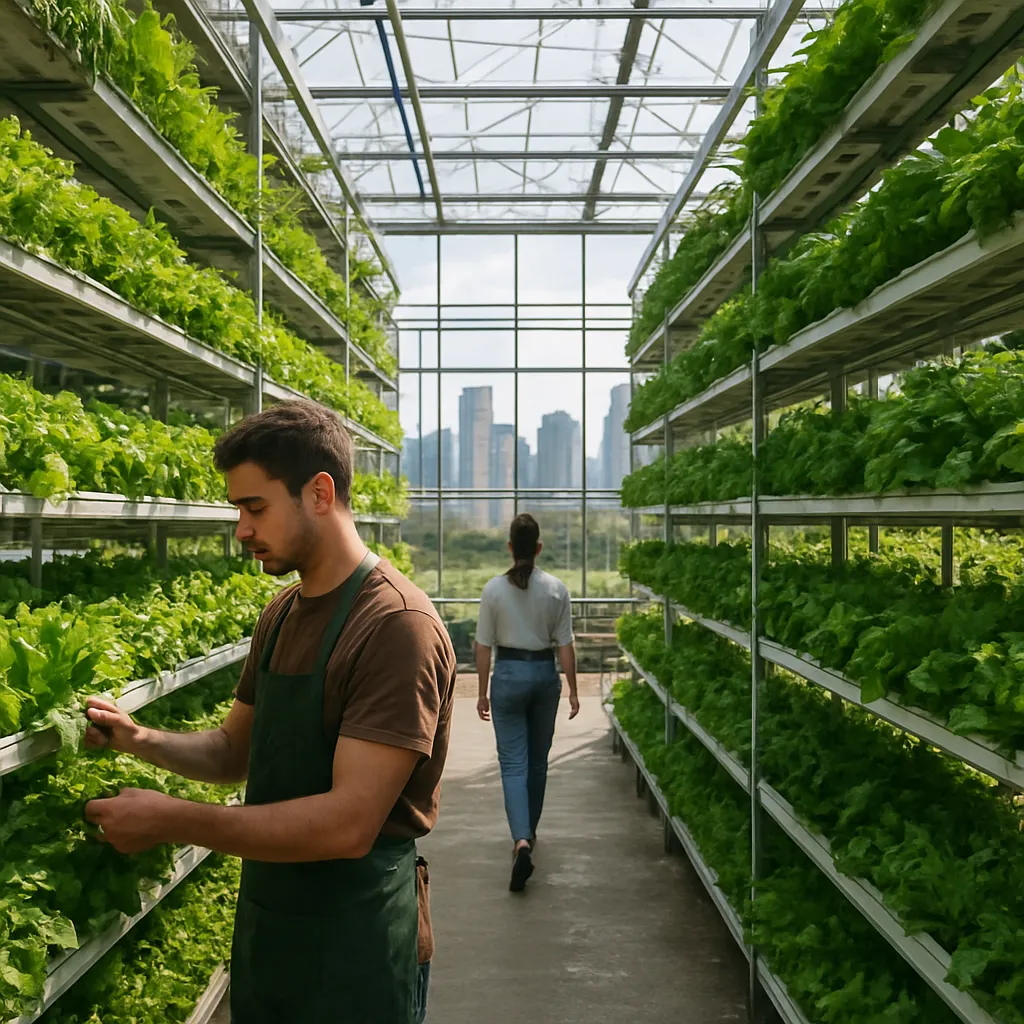
Urban landscapes are undergoing a profound transformation as skyscrapers once reserved for offices and apartments now host lush gardens stacked floor by floor. This shift in agricultural practice is not just a novel trend but a systemic response to mounting challenges such as dwindling arable land, increasing urbanization, and the need for year-round crop production. Vertical farms, with their innovative designs and high-tech systems, are redefining how cities feed their inhabitants and how farmers manage resources in a world striving for sustainable solutions.
Technological Innovations in Vertical Farming
At the heart of vertical farming lies a convergence of cutting-edge technologies designed to optimize plant growth under controlled conditions. Through the integration of hydroponics, aeroponics, and other soilless cultivation methods, crops receive precisely measured nutrient solutions, eliminating soil-borne diseases and minimizing water consumption. In hydroponic systems, roots sit in nutrient-rich water, while aeroponic systems expose roots to a mist of minerals, ensuring faster uptake and accelerated growth cycles.
Equally vital to these systems is the application of LED lighting. By tailoring light spectra to specific crop requirements, growers boost photosynthesis and manipulate plant morphology. Modern LED arrays offer adjustable wavelengths, allowing cultivators to simulate sunrise, daylight, and dusk, thus influencing traits like leaf size, flowering time, and pigment development. This fine-tuning capacity represents a significant leap from traditional greenhouse lighting, where energy waste and inconsistent light distribution were perennial challenges.
Automation and robotics further elevate the efficiency of vertical farms. Automated conveyors deliver seedlings, while robotic arms handle planting, pruning, and harvesting. Advanced sensors monitor environmental variables—temperature, humidity, carbon dioxide levels—and feed data into AI-driven platforms. These platforms analyze trends, forecast yield outcomes, and guide decision-making, ensuring optimal conditions around the clock. The result is a near-perfect replication of ideal climates, regardless of external weather fluctuations.
Climate-Control Technologies
Climate-control systems maintain a stable environment that shields crops from pests, extreme temperatures, and unpredictable weather. By leveraging HVAC units designed specifically for horticulture, vertical farms manage heat exchange with exceptional precision. Dehumidifiers and filtration units regulate air quality and prevent fungal outbreaks, while water-cooled piping systems recapture excess heat or cold, thus conserving energy. Such holistic approaches to climate control highlight the synergy between resource management and crop performance.
Environmental and Social Impact
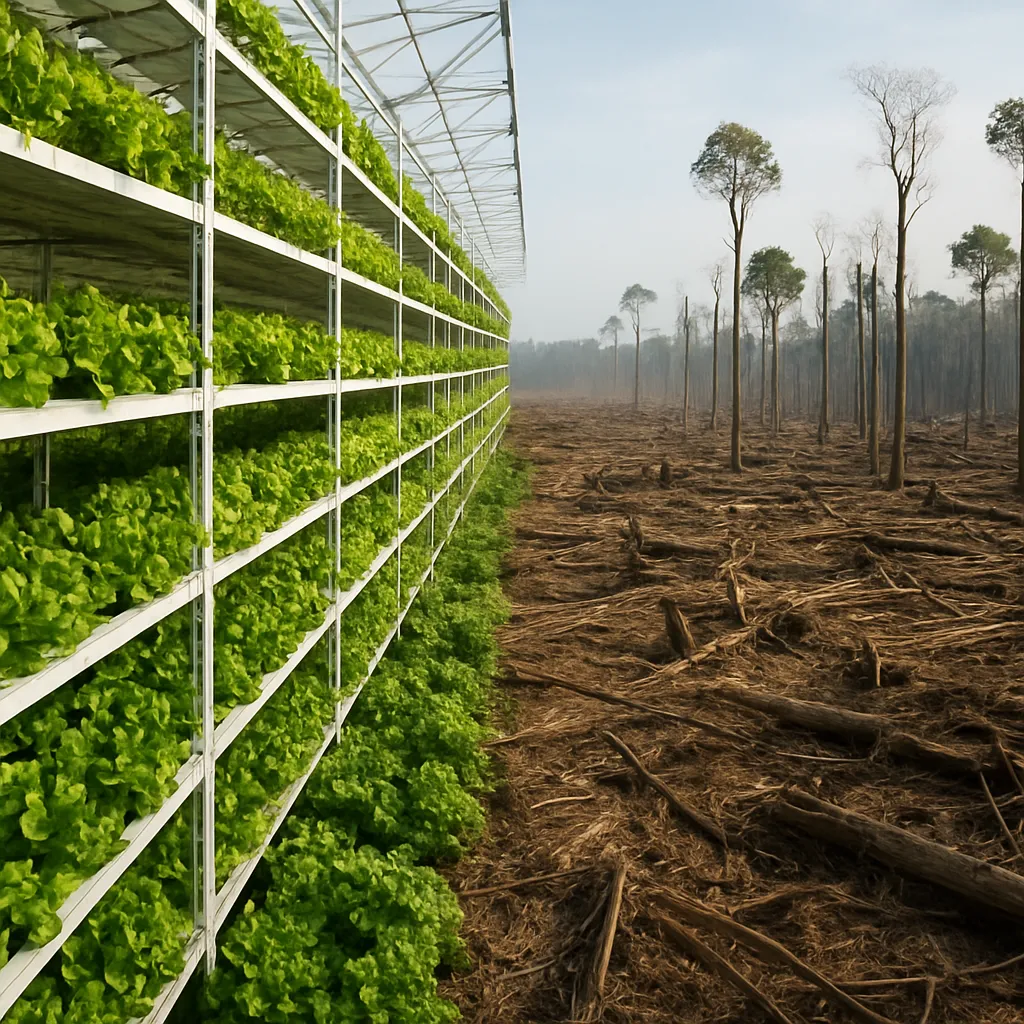
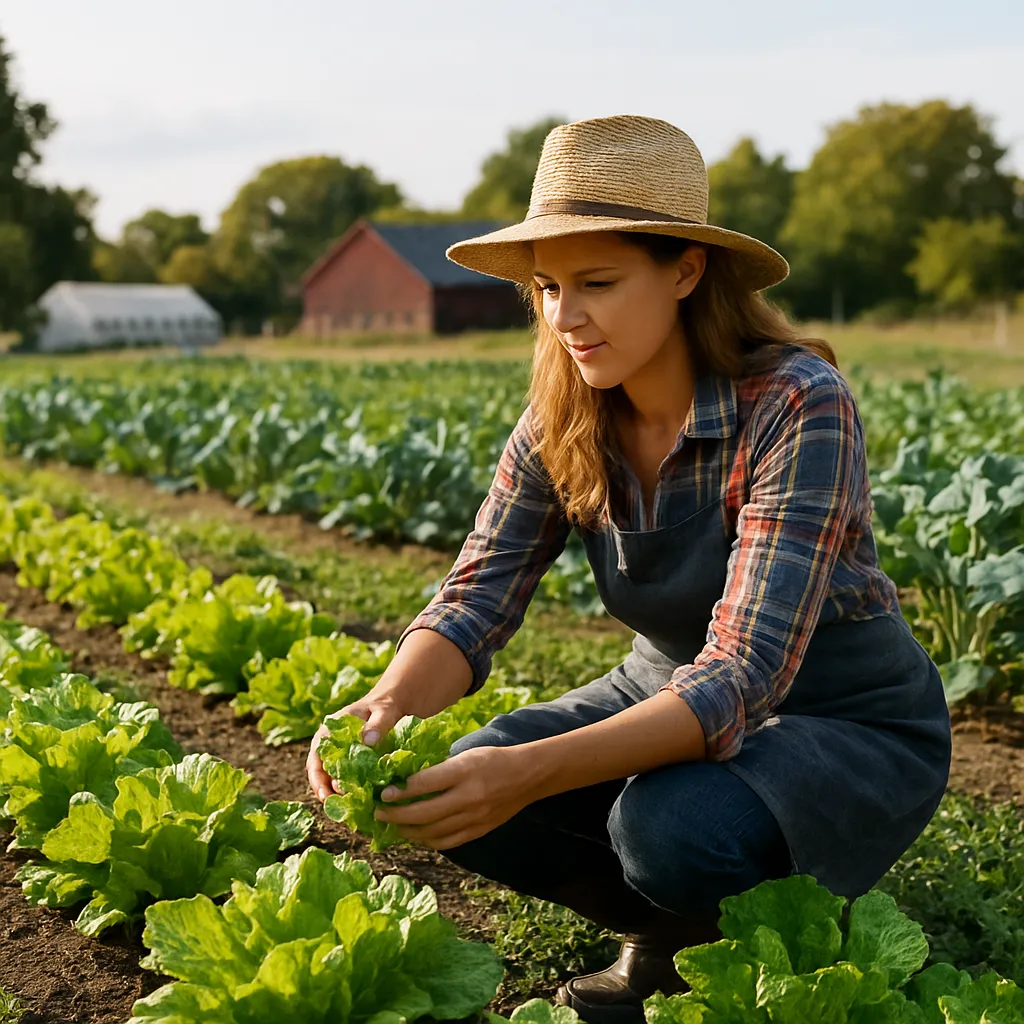
The adoption of vertical farming promises profound environmental benefits. Traditional agriculture is notorious for its heavy reliance on land, water, and synthetic fertilizers, often leading to soil degradation and water pollution. In contrast, vertical farms boast a remarkable resource efficiency ratio, using up to 95% less water and occupying just a fraction of the land area required by open-field cultivation. This efficiency directly addresses global concerns over freshwater depletion and diminishing farmland.
Moreover, vertical farms significantly reduce the carbon footprint associated with food production and distribution. By situating cultivation facilities in or near urban centers, food miles shrink drastically, cutting emissions from long-haul transportation. Local production translates to fresher produce, longer shelf life, and fewer post-harvest losses.
Socially, vertical farming can help alleviate food deserts—urban areas where access to fresh fruit and vegetables is limited. Innovative business models, such as community-sponsored agriculture (CSA) programs, allow city residents to subscribe to regular deliveries of leafy greens and herbs grown just blocks away. This localized approach fosters a sense of community ownership and supports urban food security initiatives.
- Food security enhancement through local production.
- Reduction in pesticide use and chemical runoff.
- Improved job creation in urban farming sectors.
- Year-round availability of high-quality produce.
- Educational platforms for sustainable agriculture practices.
Waste Reduction and Circular Economy
Another compelling facet is waste valorization. Vertical farms often incorporate closed-loop systems where plant residues are composted or converted into bioenergy. Nutrient solutions, once spent, are filtered and recycled, minimizing chemical discharge. Some facilities harness byproducts—such as spent growing media—to support the cultivation of mushrooms or worm farming, thereby contributing to a circular economy in agriculture. This closed-loop mindset underlines a shift from linear resource exploitation to regenerative practices that preserve ecological balance.
Global Adoption and Future Prospects
Vertical farming has transcended its experimental origins and now spans continents. From high-tech facilities in Singapore’s urban core to repurposed shipping containers serving remote communities, this model adapts to diverse geographic and socioeconomic contexts. Nations facing extreme climate conditions—whether scorching deserts or freezing tundras—find vertical farms an attractive strategy to secure stable food supplies.
Investments from both private and public sectors underscore confidence in the sector’s growth. Venture capital firms pour funding into startups harnessing biotechnology to develop new crop varieties tailored to controlled environments. Governments, recognizing the potential for climate resilience, grant subsidies and tax incentives for constructing vertical farming infrastructure. Academic partnerships also flourish, focusing on genome editing to produce cultivars with optimized nutrient uptake and enhanced taste profiles.
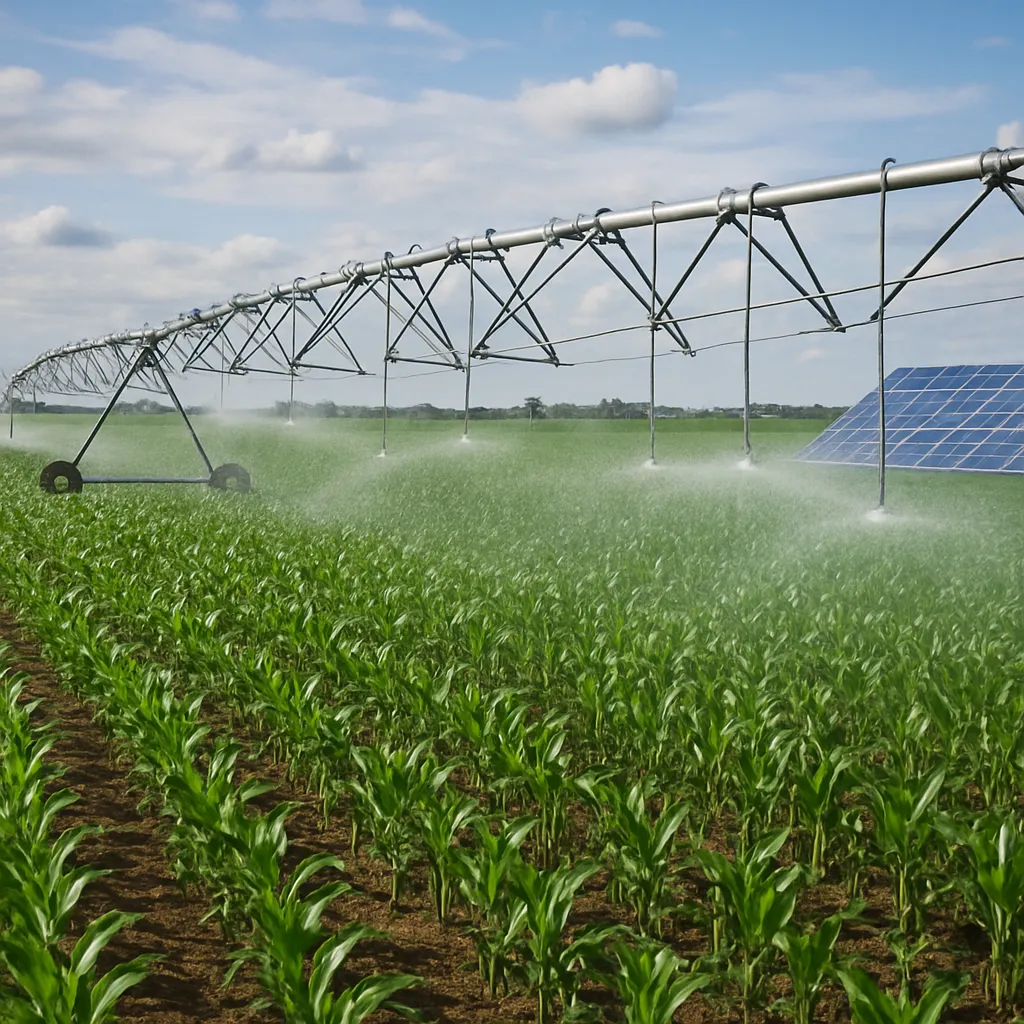
Despite the momentum, challenges remain. High upfront construction costs and energy demands for lighting and climate control can deter small-scale operators. To address this, research is underway to integrate renewable energy sources—solar panels, wind turbines, and geothermal heat pumps—directly into farm designs. By coupling vertical farms with microgrid systems, producers aim to achieve net-zero energy operations.
Looking ahead, vertical farming is poised to intersect with other emerging trends. Urban planning may increasingly incorporate integrated food-production districts, combining residential buildings with rooftop and indoor farms. The rise of smart cities will leverage IoT networks to synchronize supply chains, ensuring real-time traceability from seed to supermarket shelf. In this context, vertical integration will not only describe farm architecture but also a holistic fusion of technology, logistics, and community engagement.
Adapting to Population Growth
Global population projections anticipate nearly 10 billion people by 2050. Feeding this burgeoning populace demands ingenuity beyond expanding arable land. Vertical farming, with its capacity to multiply yields per square meter, offers a scalable solution. As urban dwellers become the majority, decentralized food networks will relieve pressure on rural agriculture and foster resilience against supply chain disruptions.
With each innovation, vertical farms edge closer to redefining agriculture’s role in an increasingly urban world. By marrying cutting-edge science with sustainable practices, these facilities exemplify humanity’s quest for efficient, resilient, and equitable food systems.