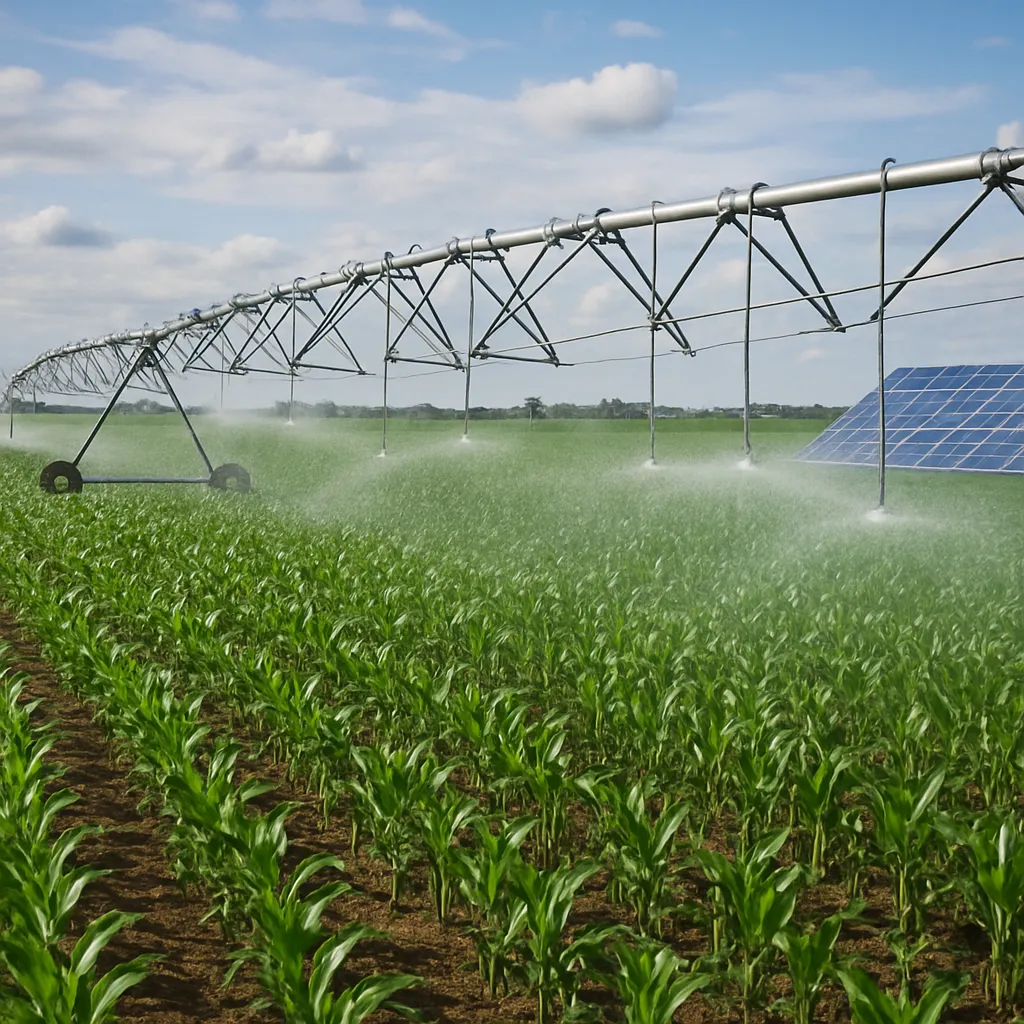
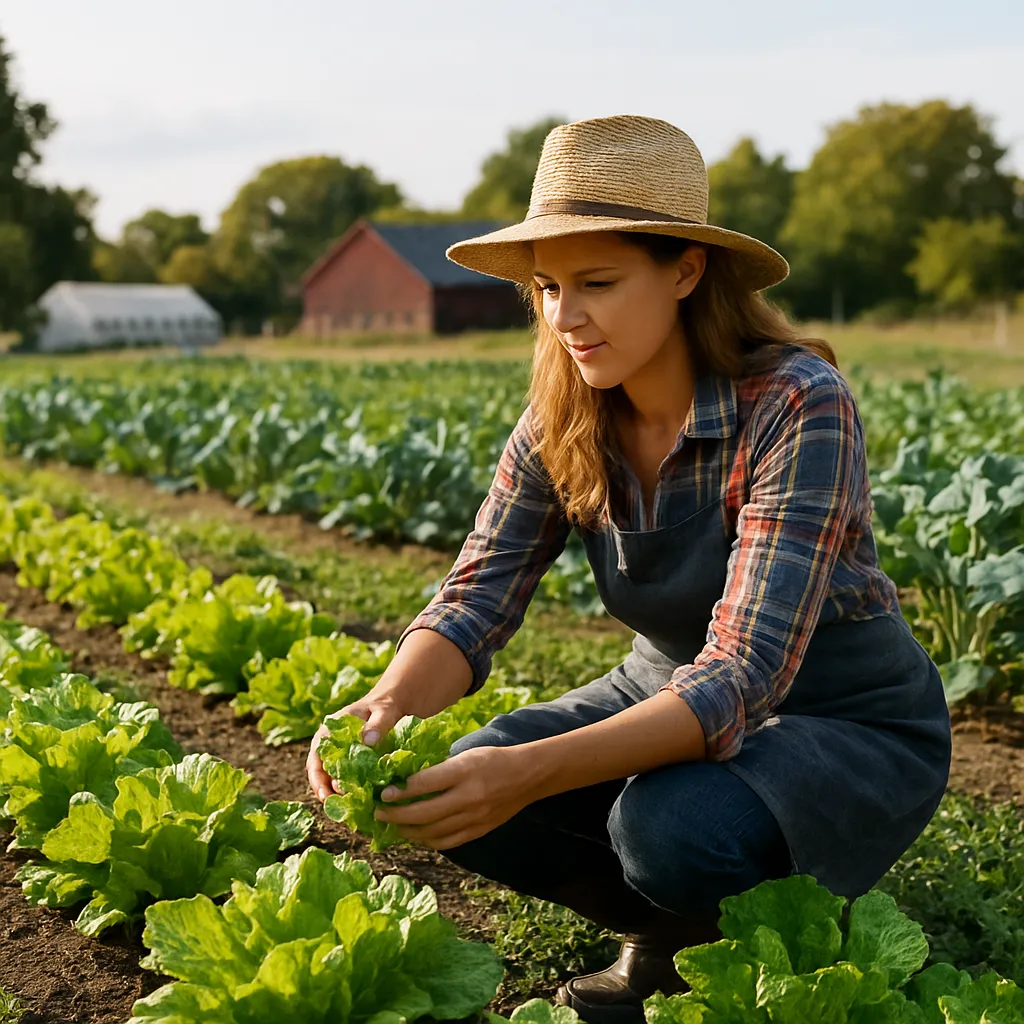
Feeding the world’s growing population demands creative solutions that transcend traditional agriculture. As urban centers expand and arable land becomes scarcer, innovative methods are emerging to produce more food on less land. Among these, vertical farming stands out for its capacity to deliver fresh, nutritious produce year-round in controlled environments. By leveraging advanced technologies and sustainable practices, vertical farms promise to reshape the future of food production and ensure global food security.
Advancements in Vertical Farming Technology
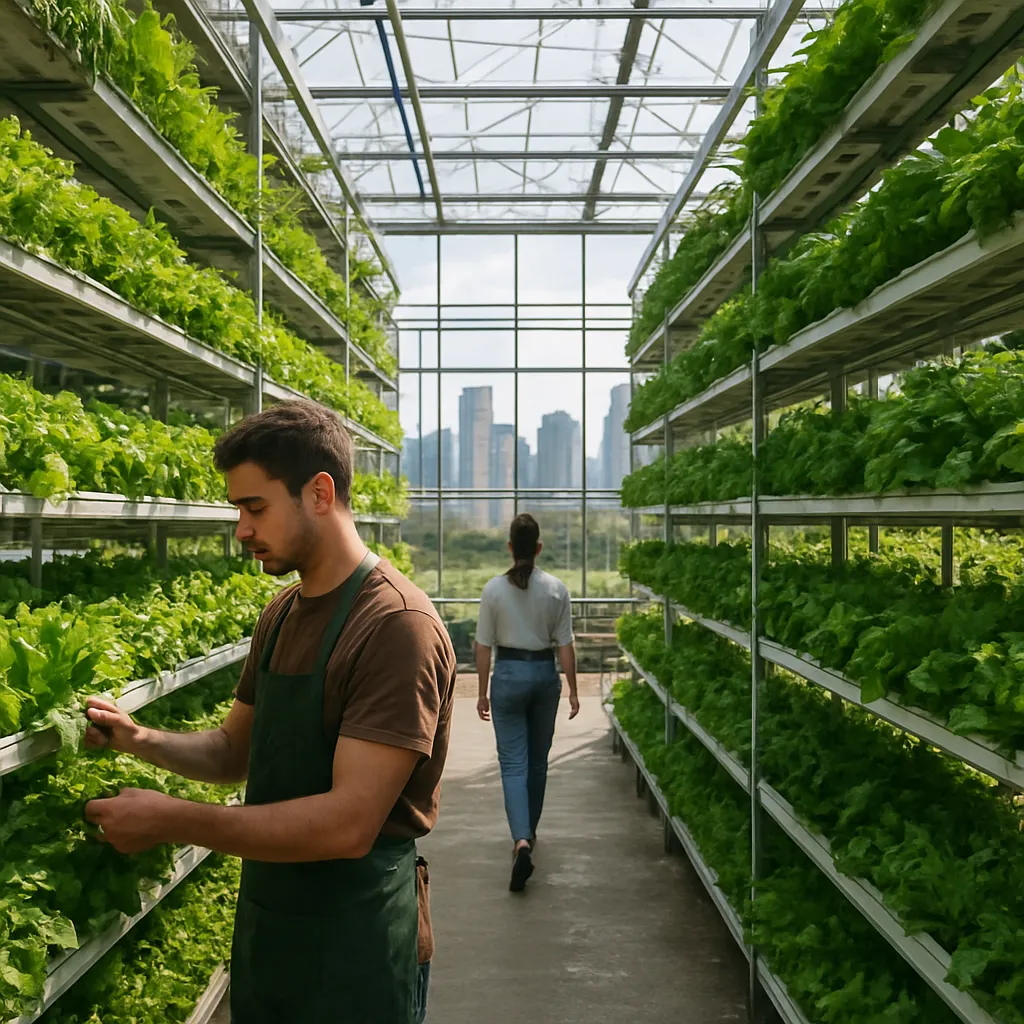
The heart of any vertical farm lies in cutting-edge systems designed to optimize plant growth. Unlike conventional fields, these facilities stack growing trays in multi-tiered racks, often within repurposed warehouses or skyscrapers. Central to their success are technologies such as hydroponics, aeroponics, and precision LED lighting.
Innovative Growing Techniques
- Hydroponics: Plants receive nutrient-rich water directly at their roots, eliminating the need for soil and reducing water usage by up to 90% compared to field farming.
- Aeroponics: Roots are misted with nutrient solutions, enhancing oxygen exposure and accelerating growth rates by as much as 30%.
- Aquaponics: Fish waste provides a natural fertilizer for plants, creating a symbiotic ecosystem that yields both crops and protein sources.
- Vertical Stacking: Multi-layer cultivation racks maximize space utilization, delivering high output on minimal footprints.
- Climate Control Systems: Advanced HVAC units maintain optimal temperatures, humidity, and CO₂ levels around the clock.
With the integration of AI-driven monitoring and automation, farmers can precisely regulate microclimates and nutrient profiles. Sensors track pH, EC (electrical conductivity), and light intensity in real time. Machine learning algorithms analyze growth patterns and adjust inputs to achieve consistent yield enhancements. Such precision not only accelerates harvest cycles but also minimizes waste and labor costs.
Environmental and Economic Benefits
By relocating cultivation indoors, vertical farms reduce reliance on unpredictable weather and mitigate the effects of climate change. Droughts, floods, and temperature extremes are no longer threats to food production. Instead, growers harness renewable energy sources—solar panels, wind turbines, and biogas systems—to power LED arrays and climate controls.
Resource Efficiency and Sustainability
- Resource efficiency: Vertical systems use up to 95% less water than conventional farms by recycling and recirculating solutions.
- Pesticide-Free Yields: Controlled environments eliminate pests and pathogens, reducing or eliminating the need for chemical treatments.
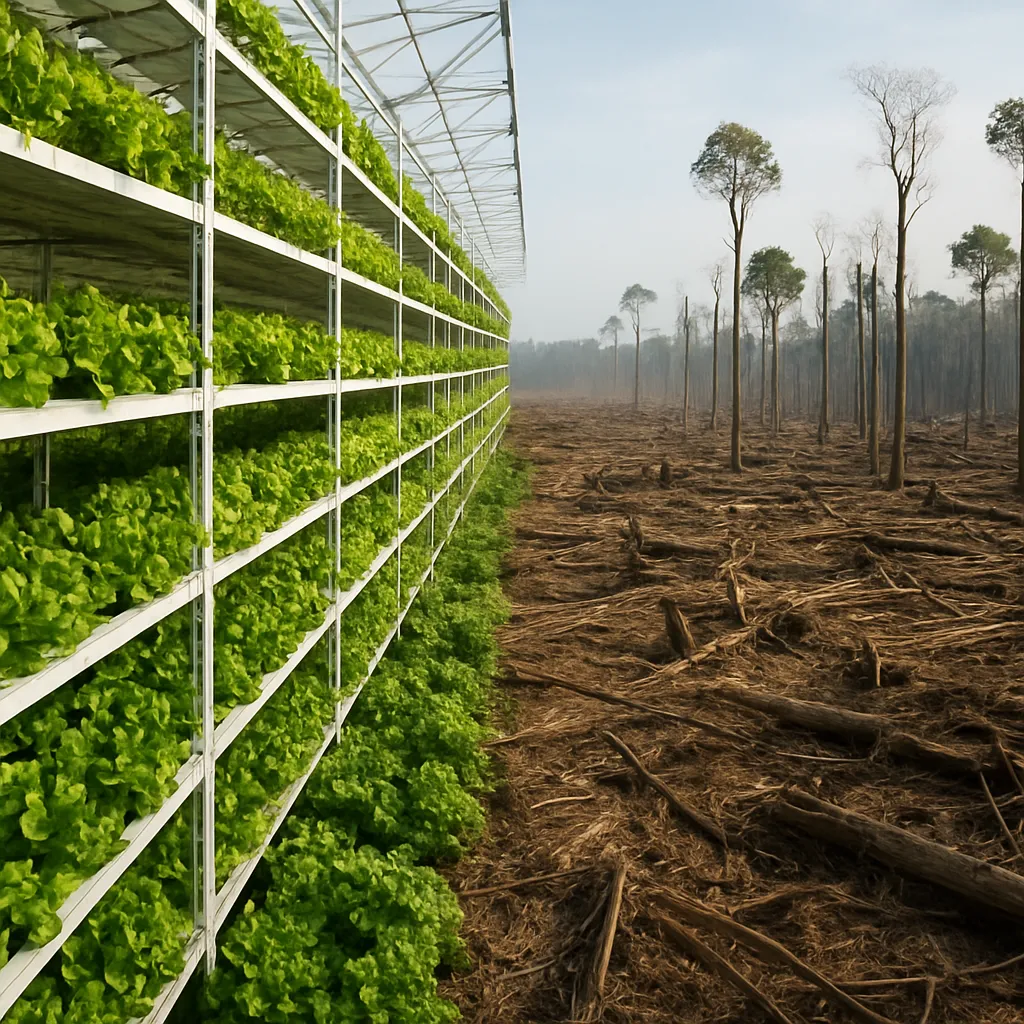
- Land Conservation: High-density stacking preserves valuable farmland and natural ecosystems, curbing deforestation and habitat loss.
- Shortened Supply Chains: Urban facilities located near consumption centers slash transportation distances, cutting carbon footprints.
- Energy Optimization: Smart grids balance energy loads, storing excess power and releasing it during peak demand.
Economically, initial capital investments can be significant due to infrastructure and technology costs. However, operational savings—thanks to reduced water, land, and labor needs—enable profitable returns within five to seven years. As equipment prices decline and scale increases, vertical farms are becoming financially viable for a wide range of crops beyond leafy greens, including strawberries, tomatoes, and even medicinal herbs.
Global Implementation and Challenges
Major urban centers from Singapore to New York are embracing vertical farms as part of their urban agriculture strategies. Government incentives, research grants, and public–private partnerships accelerate adoption. Yet, scaling this model globally requires overcoming several hurdles.
Key Obstacles to Expansion
- High Energy Demand: Despite renewable integration, continuous lighting and climate control demand significant power, driving up operational costs in regions with expensive electricity.
- Technical Expertise: Operating high-tech facilities demands skilled labor in horticulture, engineering, and data science, a workforce still under development in many areas.
- Cultural Acceptance: Consumers may perceive indoor-grown produce as less “natural,” requiring educational campaigns to highlight benefits like year-round freshness and pesticide-free safety.
- Crop Limitations: While greens and herbs thrive, staple cereals and grains remain challenging to cultivate vertically due to their space and light requirements.
- Regulatory Frameworks: Zoning laws, building codes, and food safety regulations often lag behind technological advancements, creating bureaucratic delays.
Despite these challenges, success stories abound. In the Middle East, water-scarce nations rely heavily on vertical farms to achieve self-sufficiency in fresh produce. Scandinavian startups combine offshore wind power with aquaponics to supply coastal communities. In Africa, pilot projects introduce innovation-driven microfarms to combat malnutrition in remote areas.
Future Prospects and Research Directions
Ongoing research is exploring novel avenues to further enhance vertical farming’s impact. Genetic selection for crops tailored to indoor conditions could yield varieties with compact growth habits and heightened nutritional profiles. Advances in robotic harvesting promise to lower labor costs and improve post-harvest handling. Collaboration between agronomists, engineers, and data scientists is vital to refine systems that adapt to diverse climates and economic contexts.
Emerging Trends
- Integration of urban agriculture with smart city infrastructure, using waste heat and CO₂ emissions from buildings to boost plant growth.
- Biodegradable growth media developed from agricultural byproducts, further reducing environmental footprints.
- Block-chain traceability for transparent supply chains, enabling consumers to verify freshness, origin, and safety in real time.
- Holistic farm-to-table platforms linking local producers directly with restaurants and households via digital marketplaces.
As global challenges such as population growth, land degradation, and water scarcity intensify, vertical farming offers a scalable, resilient solution. By combining cutting-edge technologies with sustainable principles, this transformative approach has the potential to revolutionize how we grow, distribute, and consume food in the 21st century.