The expansion of urban agriculture marks a transformative shift in how cities source their food. By integrating farms into metropolitan areas, growers are slashing the distance that produce travels from soil to table. This movement not only addresses rising concerns around carbon footprint and food security but also stimulates innovation in agricultural techniques. As consumers demand fresher, more sustainably grown products, urban farms present a viable path to reinforcing local economies, nurturing community engagement, and fostering environmental stewardship.
Urban Farming and Food Miles
Food Miles and Carbon Reduction
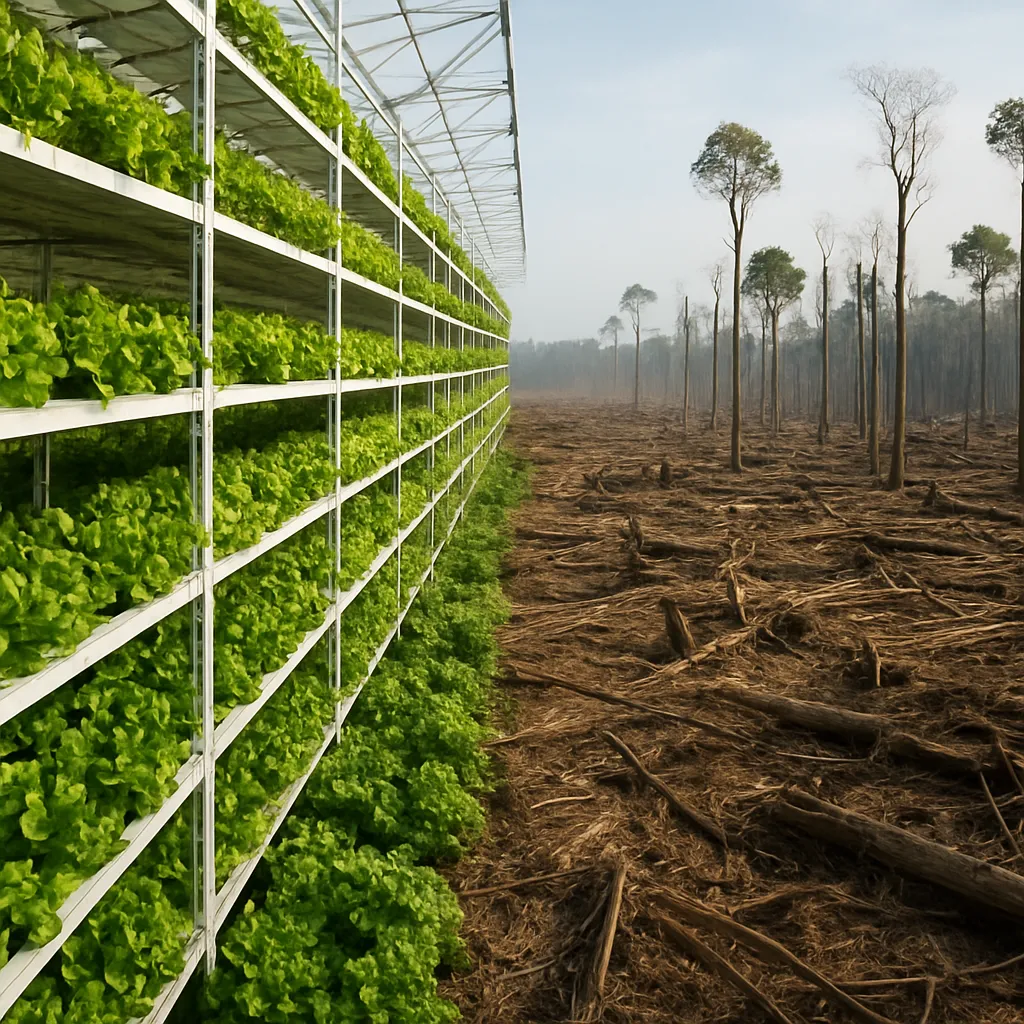
Traditional supply chains transport fruits, vegetables, and herbs over thousands of miles, resulting in extensive greenhouse gas emissions. In contrast, urban farms—whether rooftop gardens, hydroponic greenhouses, or repurposed warehouse plots—dramatically shorten the journey. By situating production centers within city limits, logistics become more efficient, reducing reliance on long-haul trucking and air freight. The cumulative effect is a marked decline in fuel consumption and associated pollutants, solidifying urban agriculture as a key strategy for lowering the carbon footprint of our diets.
Local vs Global Supply Chains
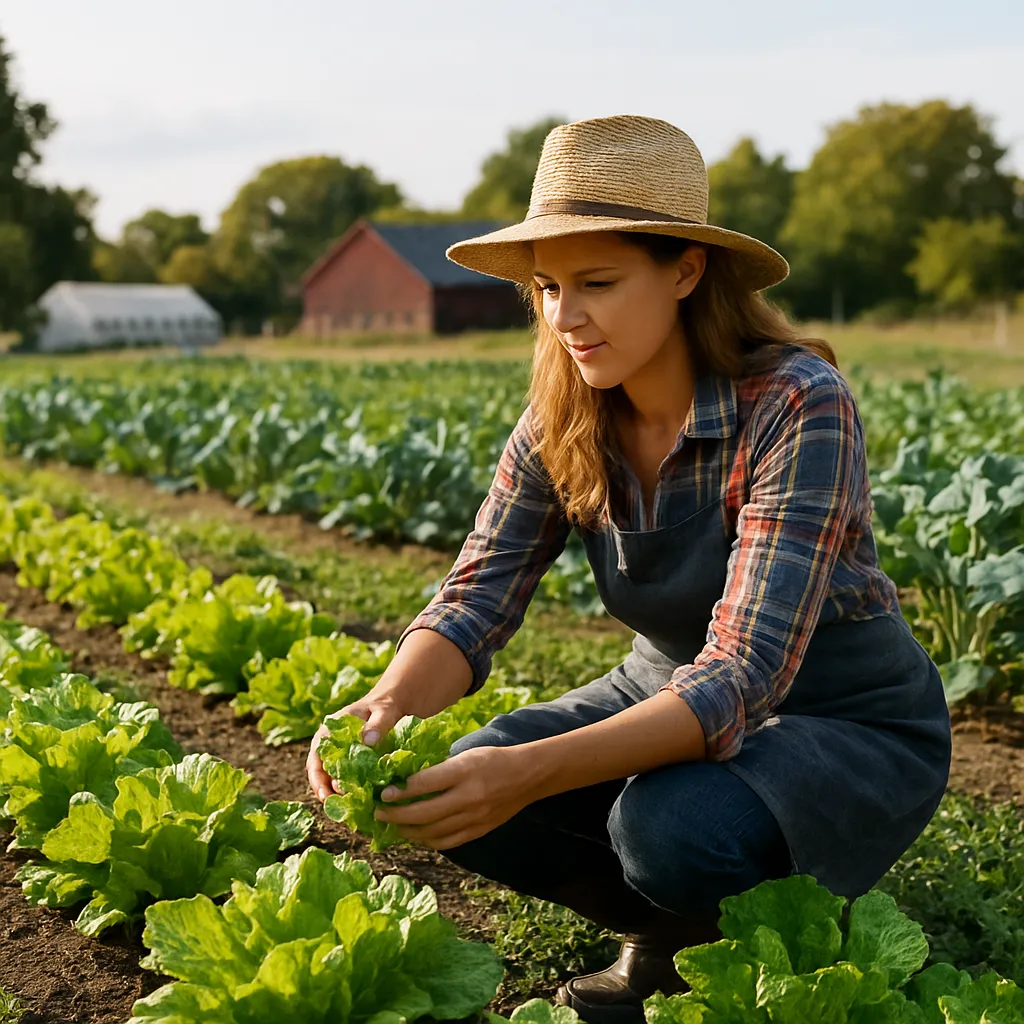
Global networks offer variety but often at the expense of freshness and nutrient density. Many fruits and vegetables lose vitamins during transport, while spoilage rates rise with distance. Urban farms deliver produce to consumers within hours of harvest, preserving peak flavor and nutritional value. Moreover, proximate distribution enhances accountability; growers can adjust planting schedules based on real-time feedback from neighborhood markets. This adaptive cycle outperforms distant supply lines that are prone to delays from weather events, customs clearance, or political disruptions.
Technologies Driving Efficiency
Vertical Farming Revolution
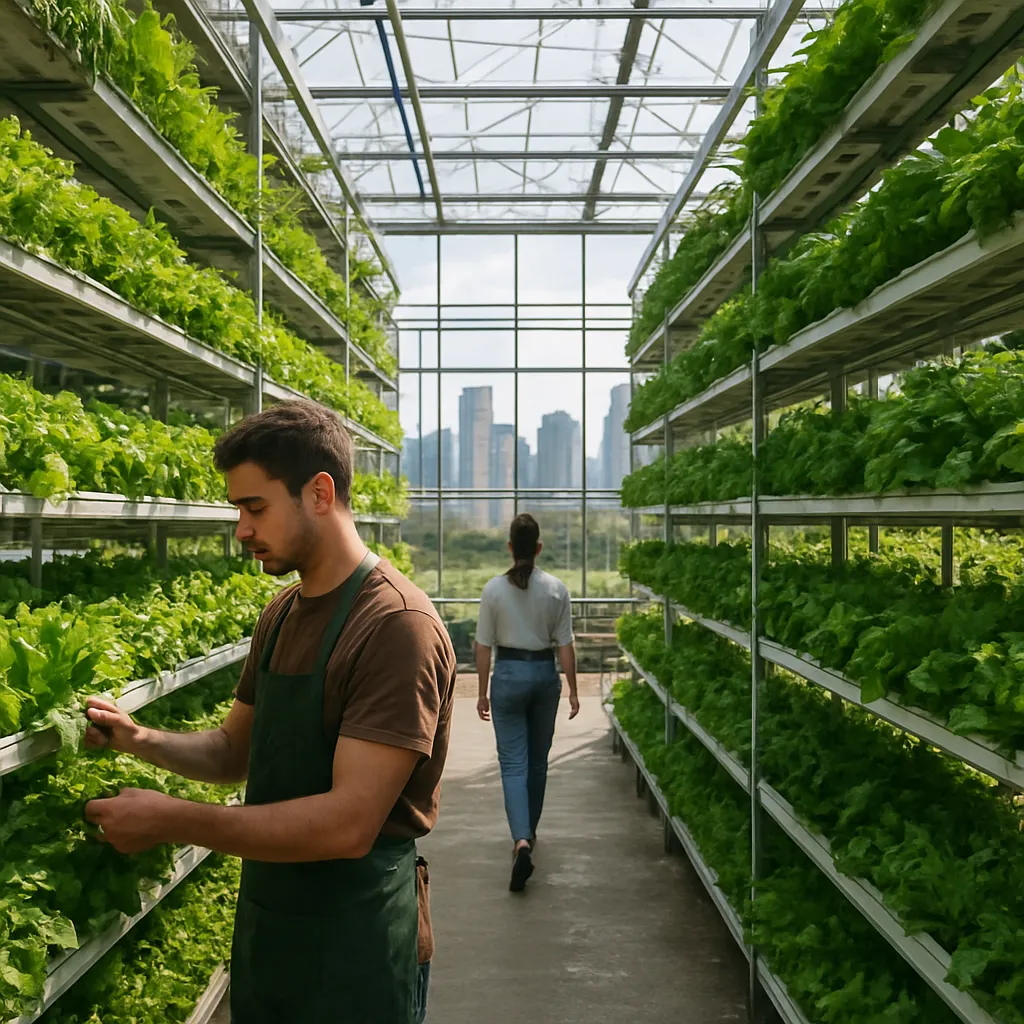
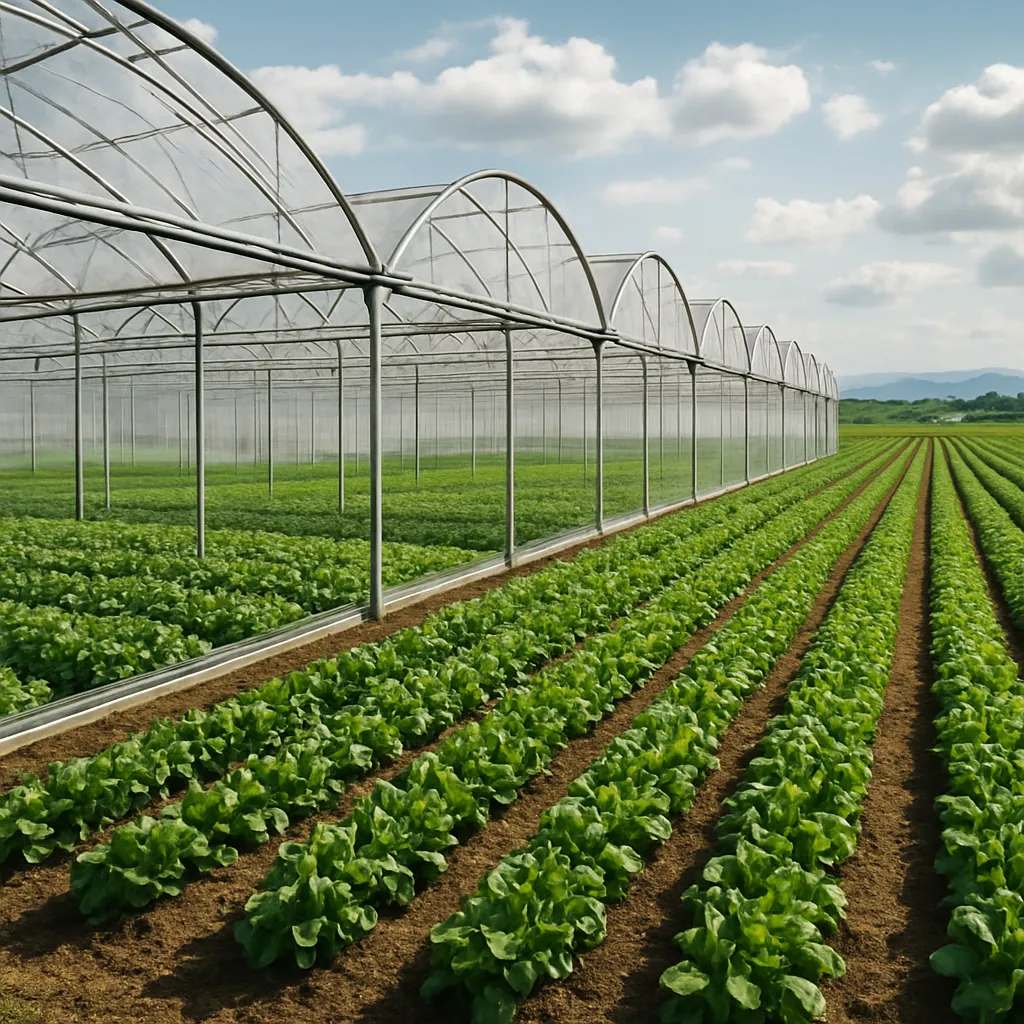
By stacking trays of crops in controlled environments, vertical farming maximizes space utilization, enabling yields far surpassing traditional plots. LED lighting, climate controls, and automated irrigation systems work in concert to create year-round growing conditions. Such farms can operate in abandoned buildings, shipping containers, or even underground bunkers, transforming unused urban real estate into productive greenhouses. This approach is particularly effective for high-value, quick-turnover crops like leafy greens and herbs.
Hydroponics and Aeroponics Efficiency
Both hydroponics and aeroponics eliminate soil, delivering nutrients directly to plant roots via water or mist. These soilless methods reduce water consumption by up to 90% compared to conventional agriculture. Nutrient solutions are recycled, cutting waste and minimizing runoff. The precise control over growing media allows producers to optimize pH levels, nutrient concentrations, and moisture schedules, leading to faster crop cycles and higher densities. Urban farms employing these techniques can thrive even in arid regions or places with contaminated soils.
- Reduced water usage and nutrient waste
- Shorter growth cycles and increased yields
- Lower risk of soil-borne diseases
- Scalable modular design for diverse spaces
Renewable Energy Integration
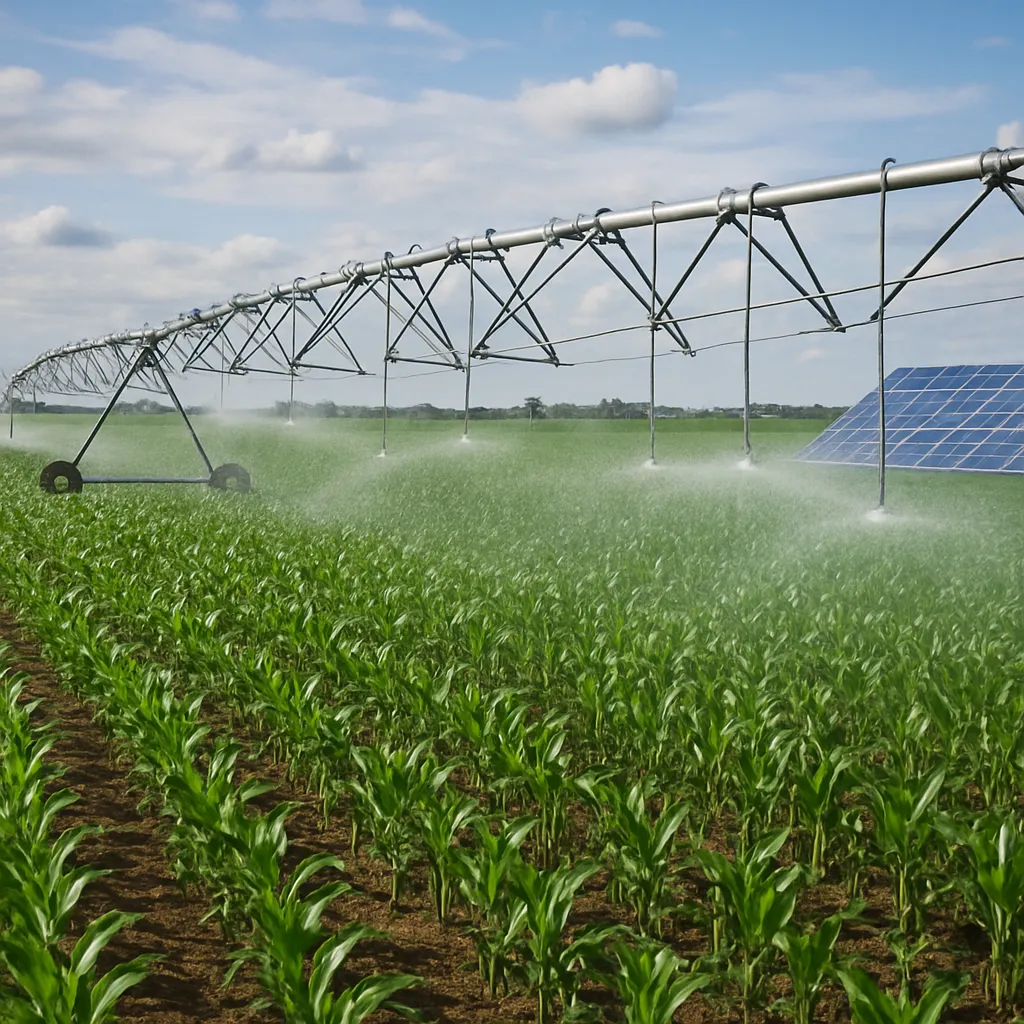
Many modern urban farms integrate solar panels, wind turbines, or biogas digesters to offset energy demands. By coupling clean energy sources with high-efficiency LED fixtures and climate control systems, operators can approach a net-zero energy footprint. Some facilities store excess power in batteries, ensuring continuous operation during grid outages or peak pricing periods. This holistic model aligns with sustainable city planning, contributing to resilience against energy supply disruptions and price fluctuations.
Community Engagement and Environmental Impact
Social Resilience and Education
Urban farms often serve as living classrooms, educating residents about nutrition, crop cycles, and sustainable practices. Workshops in schools, community centers, and farm sites foster hands-on learning, empowering participants to grow food on balconies or windowsills. Volunteer programs build social bonds and reduce isolation, while produce donation initiatives target food-insecure neighborhoods. By democratizing access to fresh ingredients, urban agriculture cultivates a sense of stewardship and inspires further innovation in household-scale gardening.
Biodiversity and Ecosystem Services
Incorporating native plants, pollinator-friendly flowers, and beneficial insects enhances biodiversity within urban landscapes. These green oases mitigate the “heat island” effect by cooling surrounding areas, improving air quality, and reducing stormwater runoff through enhanced infiltration. Rooftop and façade gardens act as living filters, capturing particulate matter and sequestering carbon. Urban farms also serve as stepping stones for wildlife, linking fragmented habitats and supporting local avian and insect populations.
- Creation of pollinator corridors for bees and butterflies
- Reduction of urban heat through evapotranspiration
- Enhanced recreational green spaces for residents
- Improved air and water quality
Economic Opportunities and Job Creation
Scaling urban agriculture generates new employment in farming, processing, distribution, and retail. Training programs develop skills in greenhouse management, agronomy, and agritech maintenance. Local shops, restaurants, and farmers’ markets benefit from a steady supply of nearby-grown produce, fostering circular economies and keeping revenue within the community. Moreover, the affordability of real estate within city limits encourages startups and cooperatives focused on sustainability and social impact.
Challenges and Future Directions
Despite proven benefits, urban farms face hurdles including zoning restrictions, high initial capital costs, and complex regulatory landscapes. Innovative financing models—such as community-supported agriculture (CSA), public-private partnerships, and microloans—help bridge funding gaps. Continued research in crop genomics, lighting spectrums, and nutrient formulations promises further yield improvements. As cities prioritize green infrastructure and resilience planning, urban agriculture will play an increasingly central role in building resilient, healthy, and self-reliant communities.