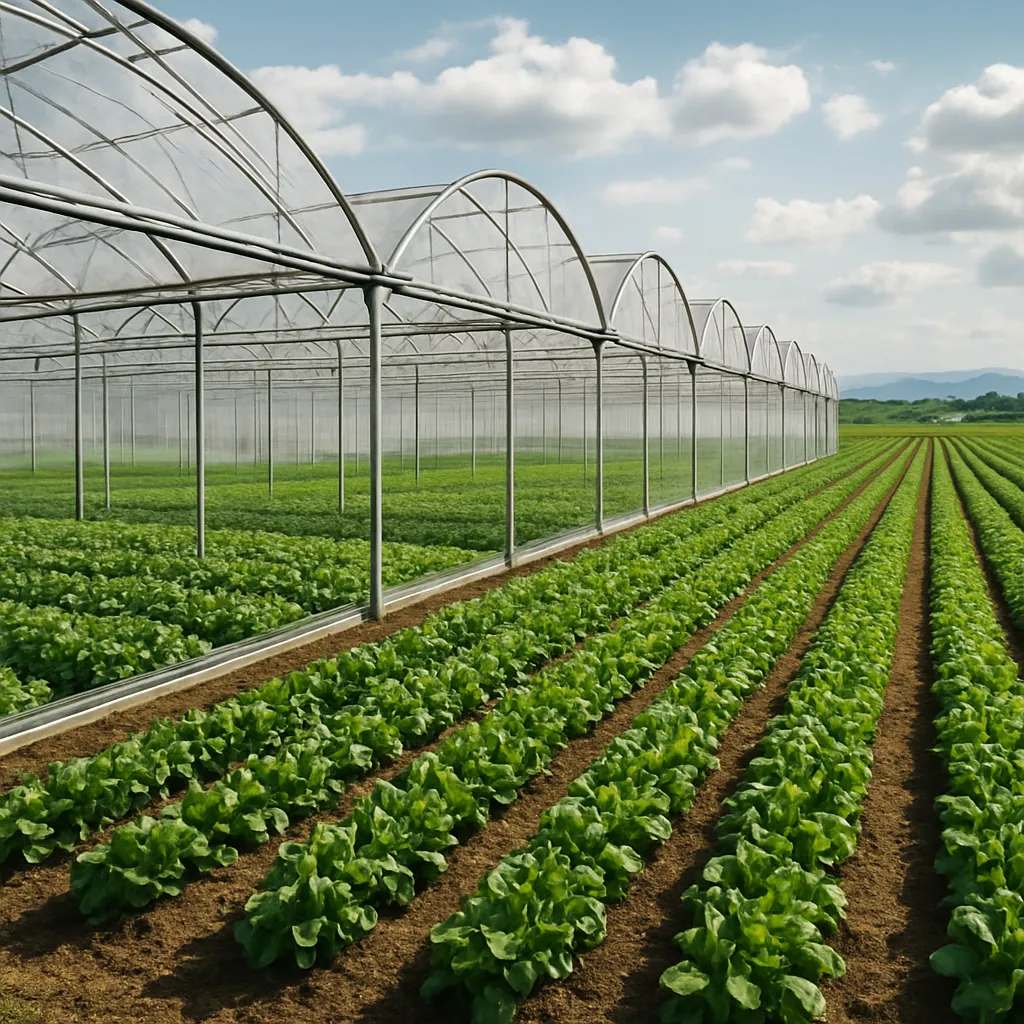
Traditional farming systems cultivated over centuries have proven essential in maintaining global biodiversity. Across diverse regions, small-scale farmers continue to adopt age-old techniques that nourish soil, protect water sources, and foster habitat variety. By blending ancient knowledge with local climate and cultural norms, these practices deliver both food security and ecological resilience.
Preserving Genetic Wealth through Heirloom Varieties
Seed Saving and Local Adaptation
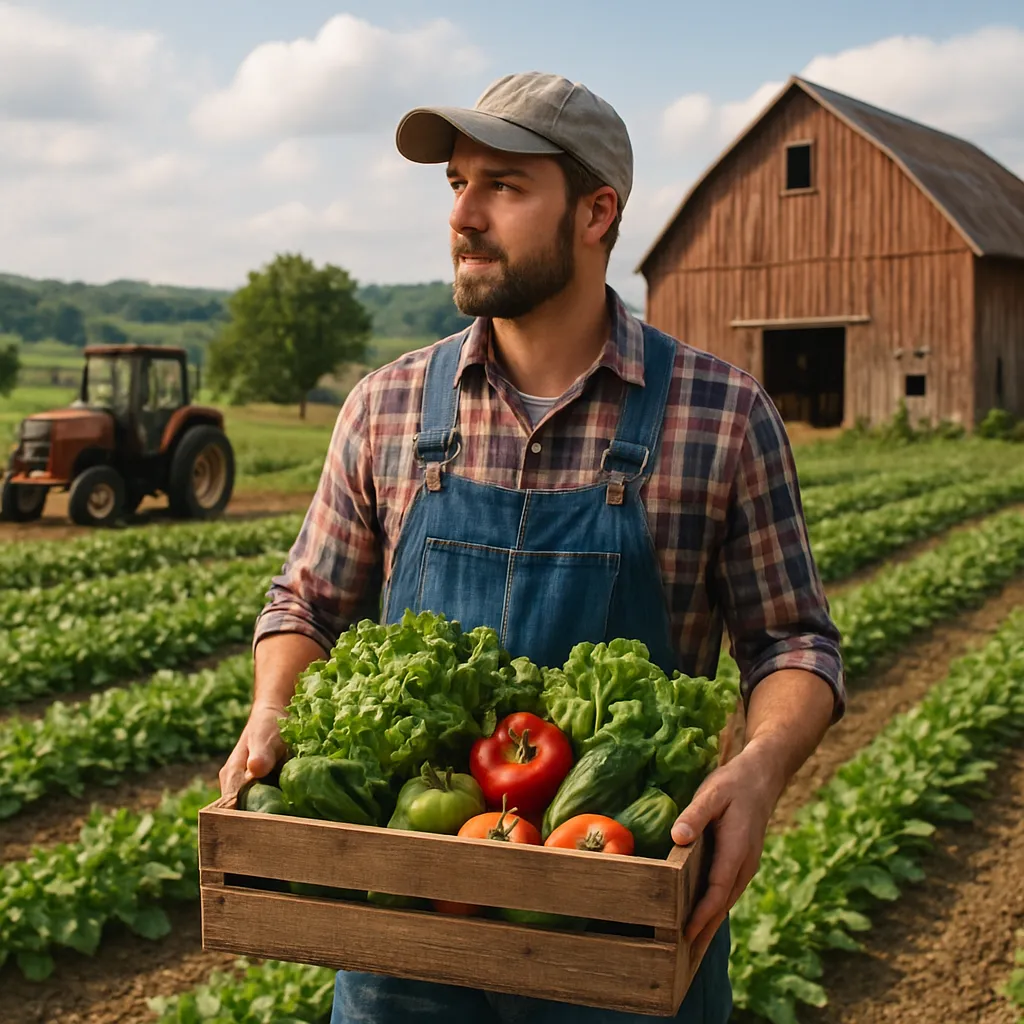
In many rural communities, farmers still practice the art of seed saving, selecting the best-performing plants for each season. This effort safeguards a vast pool of genetic traits, allowing crops to adaptation to shifting weather patterns, pests, and diseases. Heirloom tomatoes in Italy, millet landraces in West Africa, and maize varieties in Mexico represent living libraries of genetic information. By saving and exchanging seeds within villages, farmers ensure an ongoing cycle of innovation that contrasts sharply with the uniformity of industrial hybrids.
- Enhanced tolerance to drought, frost, or salinity
- Reduced dependency on chemical inputs
- Preservation of unique flavors, textures, and colors
- Strengthened cultural identity through culinary traditions
These heirloom varieties contribute to broader conservation efforts by offering genetic resources for breeding programs. When modern crops suffer from a new pest or disease outbreak, breeders can turn to these resilient landraces and wild relatives to introduce resistance genes. Such decentralized experimentation creates a mosaic of plant genetics that underpin global food security and ecosystem health.
Agroforestry and Integrated Land Management
Mixed Cropping with Shade Trees
Agroforestry combines woody perennials—like fruit trees, nitrogen-fixing shrubs, or timber species—with annual crops or livestock. This approach mimics natural ecosystem structures, improving nutrient cycling, soil moisture retention, and microclimate regulation. In Central America, the “Three Sisters” tradition interplants maize, beans, and squash underneath canopy trees. In West Africa, cocoa farmers integrate banana and plantain buffers to shade cocoa trees and enrich the soil with organic matter.
- Improved carbon sequestration through deep-rooted trees
- Diversified income streams from fruits, nuts, and timber
- Reduced erosion thanks to permanent vegetative cover
- Enhanced habitat for pollinators and birds
By weaving multiple production layers together, farmers boost overall system sustainability. Intercropped trees can also provide essential services—fuelwood, fodder, and medicinal extracts—thus reducing pressure on adjacent forests. These living fences and hedgerows serve as corridors for wildlife, promoting landscape connectivity where monoculture plantations once reigned.
Rotational Grazing and Pasture Management
Dynamic Pasture Rotation Patterns
Traditional herders in regions like the Mongolian steppe, the Sahel, and the Alps have long practiced rotational grazing to prevent overstocking and land degradation. By moving herds between fenced paddocks or natural grazing zones, vegetation is allowed to recover, which fosters dense root networks and improved water infiltration. This approach combats desertification while enhancing forage productivity.
- Balanced nutrient distribution through animal manure
- Maintenance of plant species diversity in grasslands
- Prevention of invasive weed dominance
- Improved livestock health and weight gains
Such pastoral systems exemplify principles of permaculture, where waste is recycled, and every component has multiple functions. Local herders often time their movements according to seasonal floods or vegetation cycles, demonstrating a deep attunement to nature’s rhythms. This knowledge is critical for managing rangelands in the face of climate change, ensuring that grasslands remain vital carbon sinks and biodiversity havens.
Traditional Water Management and Terrace Farming
Irrigation Channels and Contour Terraces
Ancient communities across Asia, the Mediterranean, and South America engineered elaborate water-harvesting structures to sustain crops on steep slopes. Rice terraces in the Philippines and China, Andean potato platforms, and zanjera networks in the Philippines illustrate how gravity-fed channels, check dams, and stone embankments conserve moisture and prevent erosion. These systems not only support high yields but also create myriad microhabitats for amphibians, fish, and aquatic invertebrates.
- Efficient runoff capture in water-scarce regions
- Maintenance of sediment balance and soil fertility
- Creation of wetland-like niches for diverse fauna
- Integration with fish and duck co-culture in paddies
By managing water at landscape scale, farmers maintain hydrological cycles that benefit downstream communities. Traditional watershed management helps recharge springs and aquifers, counteracting modern over-extraction. These practices highlight how local knowledge and field engineering can generate both food and critical environmental services.
Community Knowledge and Cultural Continuity
Oral Traditions and Festive Rituals
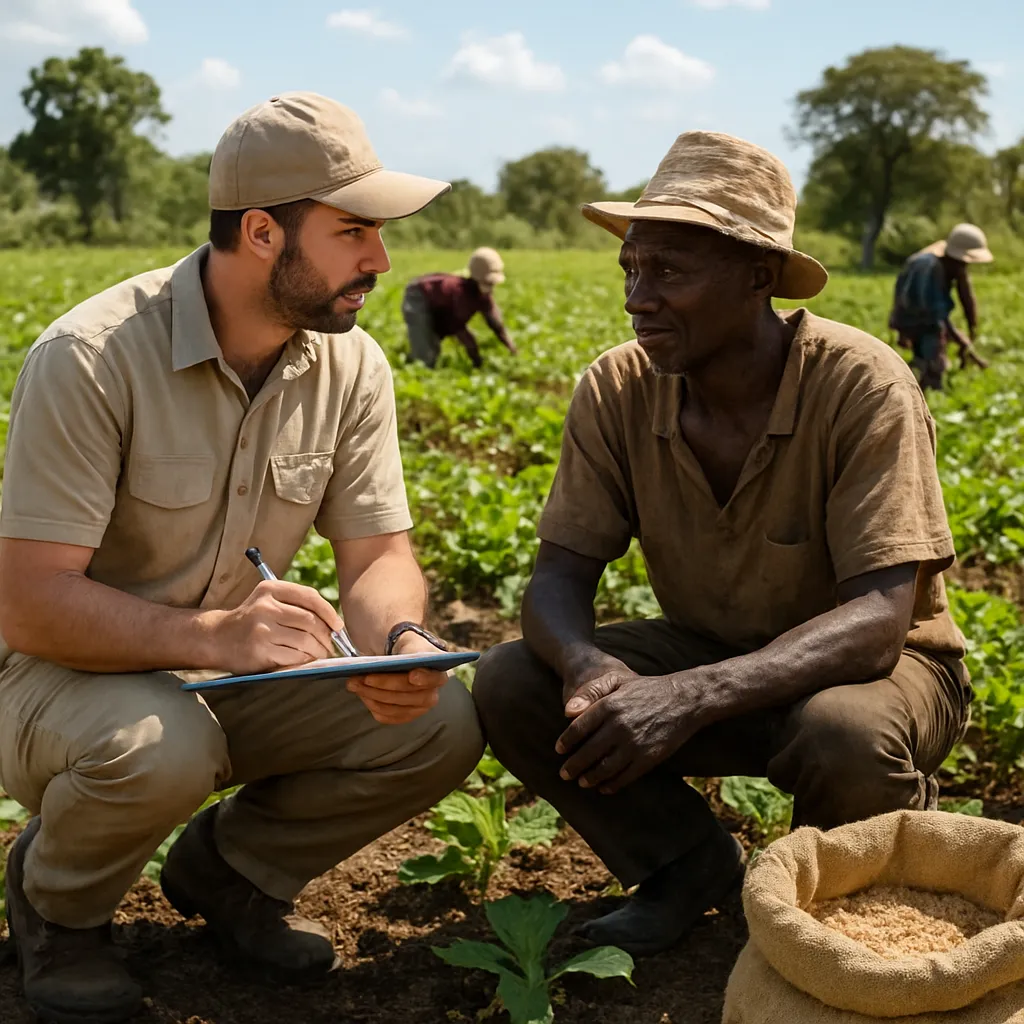
Beyond technical methods, the transmission of agricultural lore through stories, songs, and ceremonies enriches social cohesion and ecological awareness. In Bali, the Subak irrigation cooperative organizes temple festivals that bless the rice paddies, reinforcing communal responsibility and equitable water distribution. In parts of India, harvest festivals celebrate crop cycles and honor the deities associated with earth and rain.
- Protection of sacred groves that harbor rare species
- Intergenerational transfer of farming wisdom
- Collective decision-making on resource use
- Strengthened link between spirituality and land care
These cultural practices sustain a sense of place and stewardship, motivating farmers to conserve local flora and fauna. Through participatory rituals and shared governance, communities safeguard both their heritage and the living landscapes that underpin global agroecology.
Embracing Diversity for a Resilient Future
The revival and adaptation of traditional farming practices demonstrate that ancient wisdom can guide modern agriculture toward greater polyculture and regenerative design. By valuing smallholder knowledge, protecting landraces, and fostering community-led conservation, societies worldwide can build food systems that are more equitable, productive, and in harmony with nature’s rhythms. Ultimately, preserving the tapestry of local methods remains essential to securing planetary health and food sovereignty.