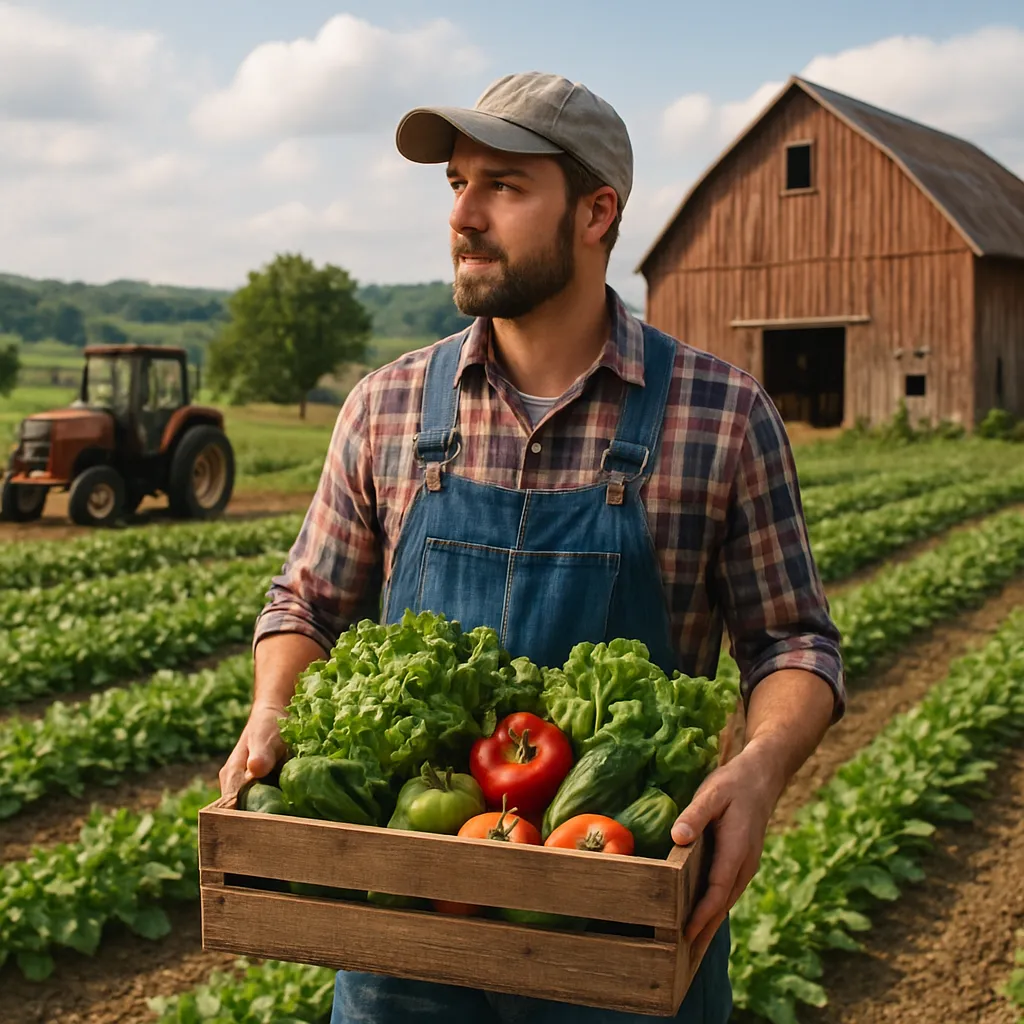
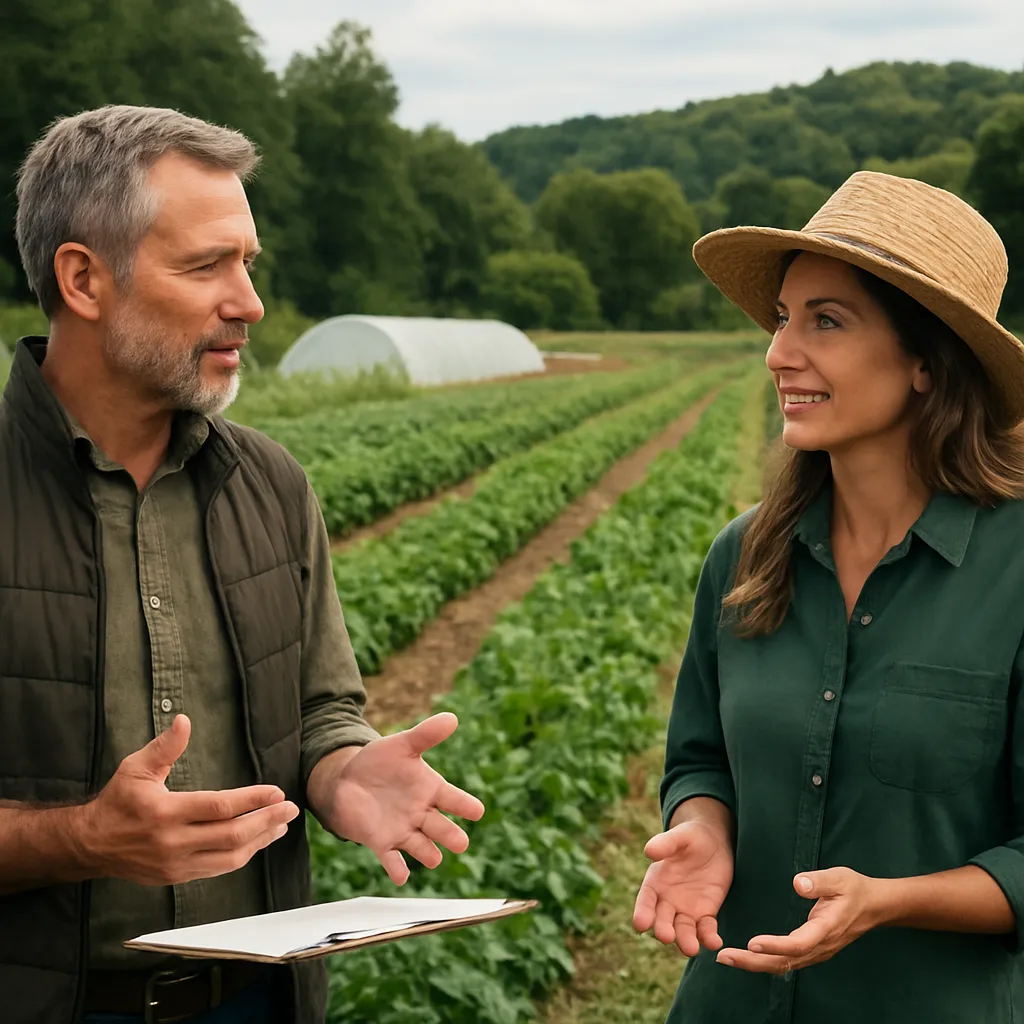
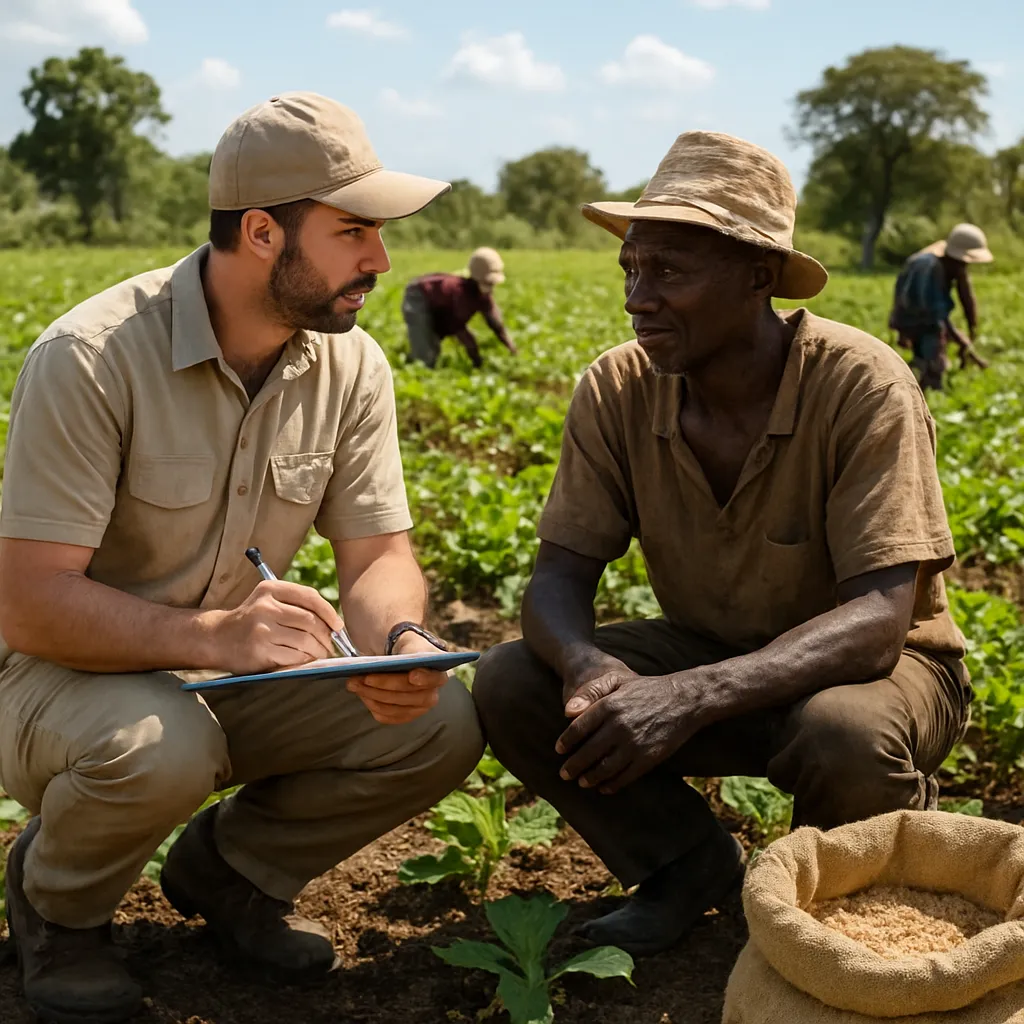
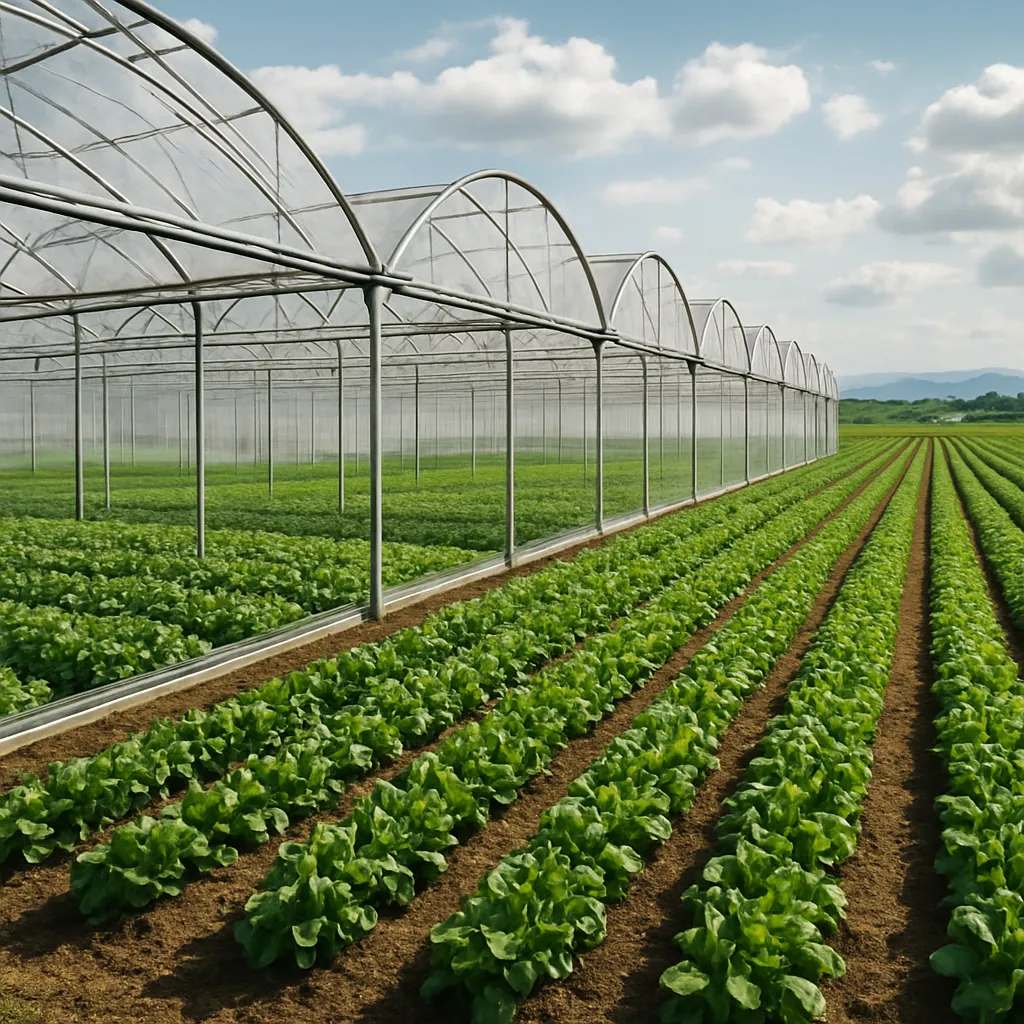
Global agriculture has shifted from traditional methods to a technology-driven ecosystem that spans continents and climates. Both smallholder farms and expansive commercial operations now rely on advanced tools to enhance productivity, reduce waste, and deliver fresh produce to distant markets faster than ever before. By harnessing innovations in IoT sensors, unmanned aerial vehicles, and intelligent analytics, world farms are transforming every link of the food chain into an interconnected, data-rich network.
Digital Transformation in Farming Operations
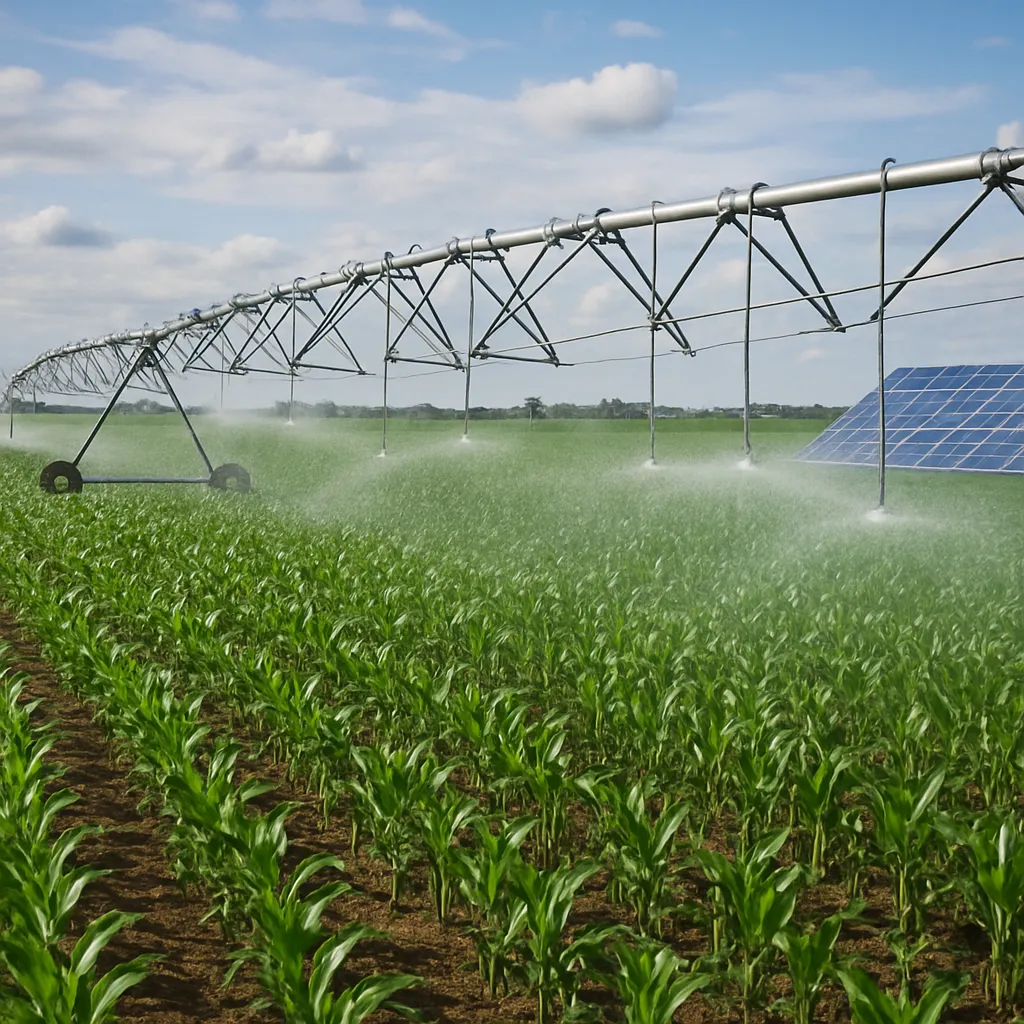
The first step toward a truly modern food distribution network begins at the farm gate. Farmers leverage precision agriculture techniques to optimize resource allocation, soil health, and crop yields. Field sensors monitor moisture, nutrient levels, and pest activity in real time, granting agronomists and operators a constant stream of real-time data to inform irrigation schedules and fertilization plans.
Key Technologies on the Field
- IoT Soil Probes – Connected probes measure pH, humidity, and temperature at multiple depths.
- Drone Imaging – High-resolution aerial views detect crop stress sooner than ground inspections.
- Smart Irrigation Systems – Automated valves adjust water delivery based on live sensor feedback.
With these tools in place, farms can reduce water usage by up to 30% while increasing yield consistency. Data-driven insights also support predictive pest management, enabling early intervention and minimizing reliance on broad-spectrum pesticides. This approach not only fosters environmental sustainability but also reduces input costs and raises the standard of produce quality across diverse climates and soil types.
Enhancing Logistics and Cold Chain Management
Once harvested, perishable goods must navigate a complex network of transport modes to reach consumers in prime condition. Modern logistics providers integrate cold chain solutions with AI-driven route optimization, ensuring temperature-controlled environments from farm to fork. Sensors embedded within shipping containers and pallets continuously record environmental data, triggering alerts if thresholds are breached.
Optimizing Transport with Technology
- Blockchain Tracking – Immutable ledgers maintain records of origin, handling, and custody.
- Automated Sorting Centers – Robotic arms and conveyors streamline pallet loading and unloading.
- Dynamic Routing Engines – Software recalculates optimal paths based on traffic, weather, and demand.
By marrying logistics expertise with digital infrastructure, operators achieve unprecedented levels of efficiency. Shipment times shrink, spoilage rates decline, and small-scale producers gain access to international markets that were previously out of reach. Moreover, the integration of blockchain enhances traceability, allowing retailers and regulators to verify product authenticity and safety with a simple scan.
Data-Driven Market Integration and Distribution
Beyond the physical movement of goods lies the challenge of matching supply with demand. Sophisticated platforms aggregate sales forecasts, weather predictions, and consumer trends to synchronize production schedules with market needs. Real-time dashboards offer stakeholders—from cooperatives to global buyers—a unified view of inventory levels, order statuses, and forecast adjustments.
Platform Features Empowering Stakeholders
- Predictive Analytics Modules – AI models project demand surges during holidays or regional events.
- Digital Marketplaces – Virtual auctions connect growers directly with wholesalers, bypassing middlemen.
- Automated Invoicing and Payment – Seamless transactions reduce administrative overhead and financial risk.
These digital marketplaces foster equitable trading conditions, especially for emerging-economy farmers. As price signals travel faster and more transparently, smallholders can scale production in line with international demand, avoiding the pitfalls of oversupply or market gluts. Ultimately, data-driven distribution networks enhance food security and promote fair trade practices by giving every participant access to the same critical information.
Challenges and Future Prospects
Despite remarkable progress, several obstacles remain on the path toward fully efficient global food networks. Infrastructure gaps in rural regions limit connectivity, while high upfront costs for advanced equipment can deter small-scale producers. Data privacy concerns, varied regulatory standards, and cybersecurity threats also pose significant risks to system integrity.
- Bridging the Digital Divide – Expanding broadband and mobile coverage in remote farming zones.
- Affordability Programs – Subsidies and microfinancing to help farmers adopt automation and sensor arrays.
- Standardization Efforts – Harmonizing international protocols for supply chain data sharing.
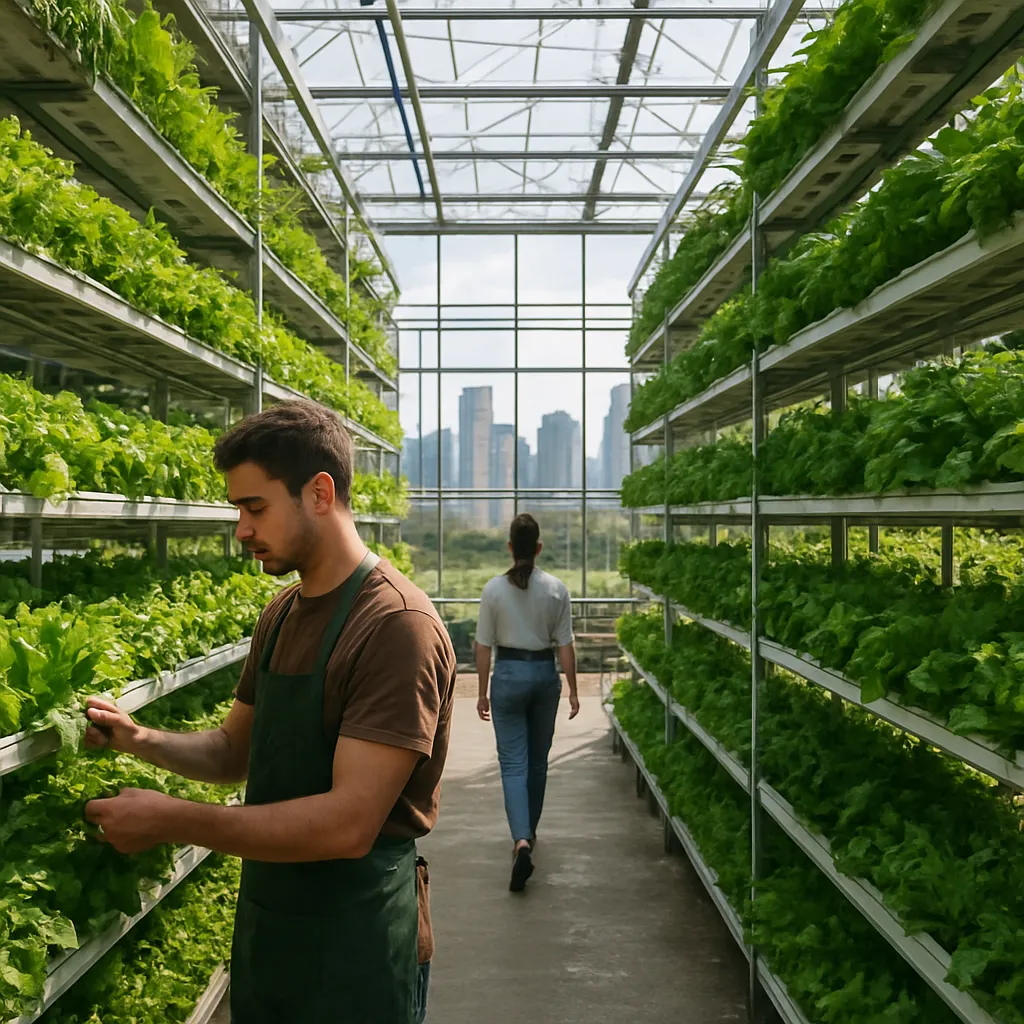
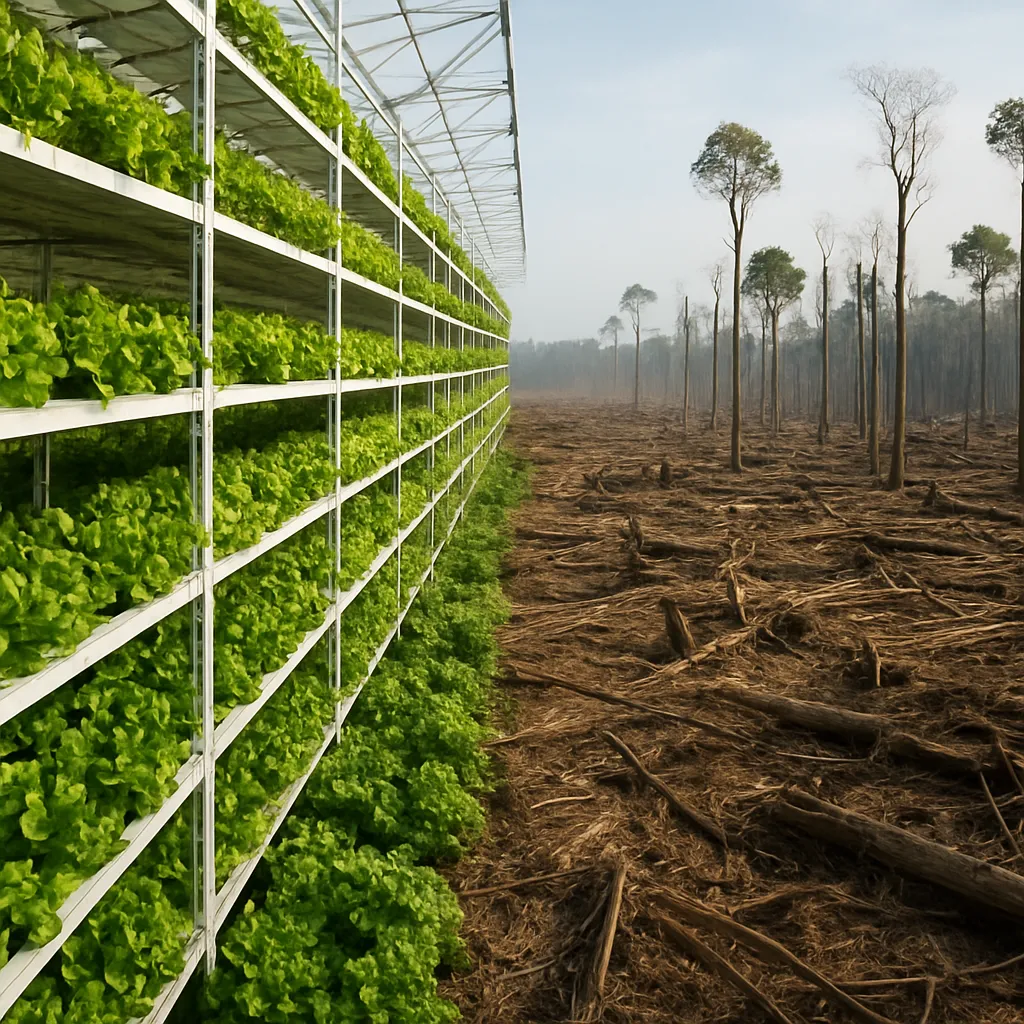
Looking forward, emerging innovations such as vertical farming, gene-edited crops, and AI-driven robotics promise to further revolutionize world farms. The ultimate vision is an end-to-end ecosystem where every node—from seed suppliers to retail shelves—is synchronized by advanced analytics and collaborative platforms. As these technologies mature, the global community moves closer to a future where food distribution is efficient, equitable, and resilient in the face of climate change and shifting consumer preferences.