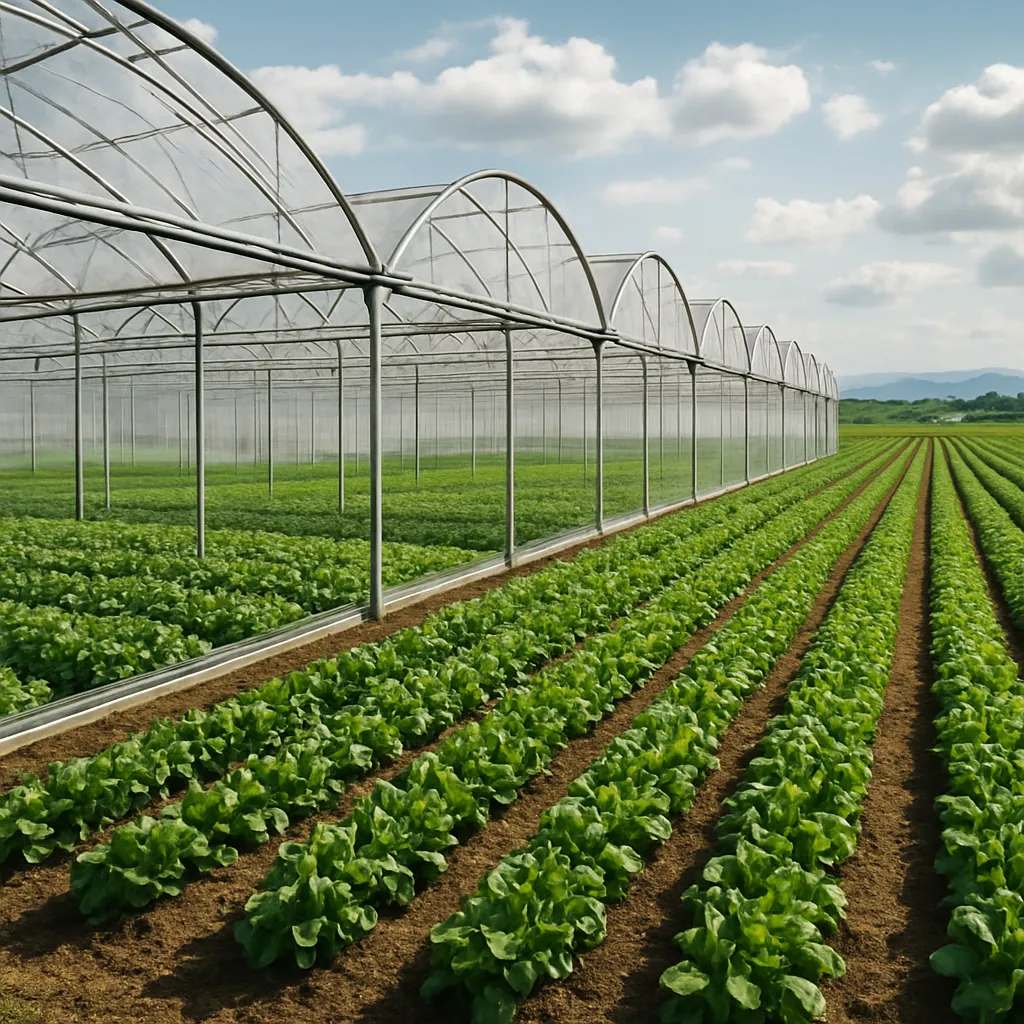
Advancements in agricultural technology are transforming the way farmers around the globe optimize their resources, reduce waste and boost efficiency. From remote villages in Africa to large commercial operations in North America, access to smart tools and data-driven insights enables growers to adapt to changing climates, address labor shortages and meet growing food demands sustainably. This article explores how modern innovations in world farms are reshaping irrigation, soil health, crop monitoring and predictive analytics.
Precision Agriculture Revolution
Precision agriculture relies on detailed, site-specific information to manage fields at a micro-level. By integrating data-driven decision-making with advanced equipment, farmers can apply inputs—such as seeds, water and fertilizers—exactly where and when they are needed.
GPS-Guided Machinery
- Tractors and planters equipped with GPS systems allow for automation of planting depth and spacing, ensuring uniform crop stands and reducing overlap.
- Yield monitors collect harvest data in real time, mapping productivity across fields and highlighting zones that require intervention or soil amendments.
Variable Rate Technology
Variable rate applicators use prescription maps to deliver nutrients or agrochemicals at different rates, tailored to soil variability. With this method, farmers achieve:
- Improved nutrient use efficiency and cost savings by avoiding blanket applications
- Enhanced environmental protection through reduced runoff
- Optimized yield potential by addressing field-specific constraints
Smart Irrigation and Water Management
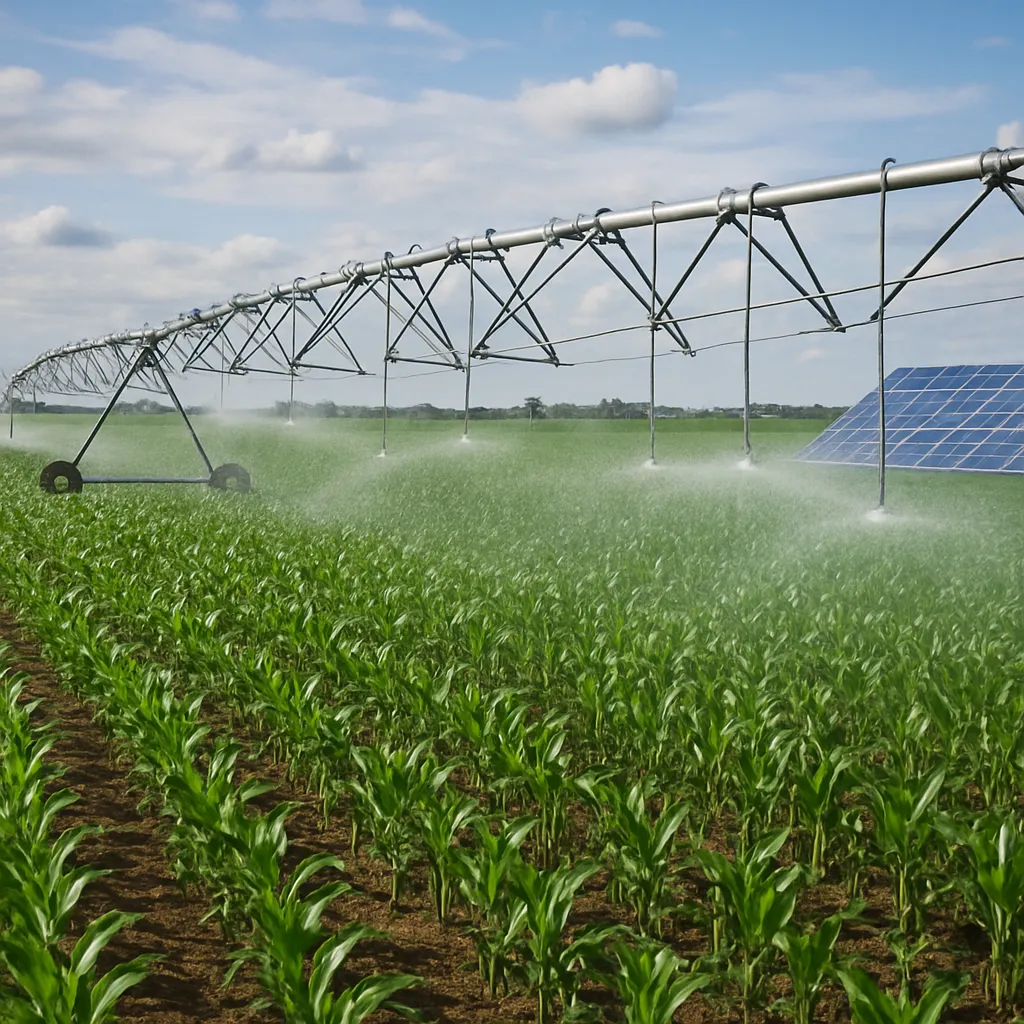
Efficient water use is critical in regions facing scarcity. Innovative irrigation technologies help conserve this precious resource while maintaining crop health.
Soil Moisture Sensors
- Buriable sensors measure volumetric water content at multiple depths, providing real-time feedback via wireless networks.
- Automatic irrigation controllers adjust schedules based on sensor readings, rainfall forecasts and evapotranspiration models.
Drip and Micro-sprinkler Systems
Localized irrigation methods deliver water directly to the root zone, reducing evaporation losses. Benefits include:
- Lower energy consumption compared to high-pressure sprinklers
- Minimized weed growth and disease pressure by keeping foliage dry
- Precise fertilization through fertigation, combining nutrient delivery with watering events
Data Analytics and Predictive Insights
Collecting data is only the first step; the real power lies in interpreting information to forecast trends and optimize operations.
Satellite Imagery and Remote Sensing
- Multi-spectral images detect crop stress before visible symptoms appear, enabling early intervention for pests or nutrient deficiencies.
- Normalized Difference Vegetation Index (NDVI) maps highlight vigorous versus struggling areas, guiding targeted management.
Artificial Intelligence and Machine Learning
AI algorithms analyze historical weather, soil and yield data to predict potential challenges, such as drought or pest outbreaks. Farmers can:
- Optimize planting dates and hybrid selection based on climate models
- Anticipate disease pressure and schedule preventative measures
- Simulate scenarios to assess the impact of input adjustments on sustainability metrics and profit margins
Automation and Robotics in Field Operations
Robotic systems and autonomous vehicles are reducing labor demands and enhancing field precision.
Autonomous Tractors and Harvesters
- GPS-enabled tractors can perform repetitive tasks—such as tillage or seeding—without direct human control, operating 24/7 with minimal supervision.
- Self-driving combines optimize harvest windows, minimizing crop loss due to weather delays and operator fatigue.
Weeding and Planting Robots
Specialized robots equipped with machine-vision can distinguish crops from weeds, mechanically removing unwanted plants without herbicides. Advantages include:
- Reduced chemical usage, supporting organic practices
- Enhanced soil health by minimizing chemical residues
- Scalability for smallholders who cannot afford large machinery
Connectivity and Farm Management Platforms
Integrated software platforms centralize data from multiple sources—machinery, sensors and satellite feeds—offering a unified dashboard for farm managers.
Cloud-Based Analytics
- Accessible from smartphones and tablets, growers can monitor field conditions remotely and adjust plans on the go.
- Dashboards visualize key performance indicators (KPIs), such as water usage per acre or cost per bushel, enabling objective evaluation of practices.
Blockchain for Supply Chain Transparency
Distributed ledger technology ensures traceability from farm to fork. Stakeholders benefit from:
- Greater consumer trust through verified origin data
- Streamlined compliance with food safety regulations
- Fairer pricing mechanisms by reducing intermediaries
Challenges and Future Directions
While innovation offers immense promise, farmers face challenges in adoption and scalability. Barriers include high upfront costs, the need for training and connectivity gaps in remote areas. Collaborative efforts among governments, tech companies and educational institutions are crucial to:
- Develop affordable solutions for smallholder farms
- Provide extension services and digital literacy programs
- Expand rural broadband networks to support real-time data exchange
As the agricultural sector embraces a new era of connectivity and automation, resilience against climate variability and global demand pressures will strengthen. By harnessing innovation, farmers worldwide are better equipped to steward their land, conserve resources and feed a growing population.