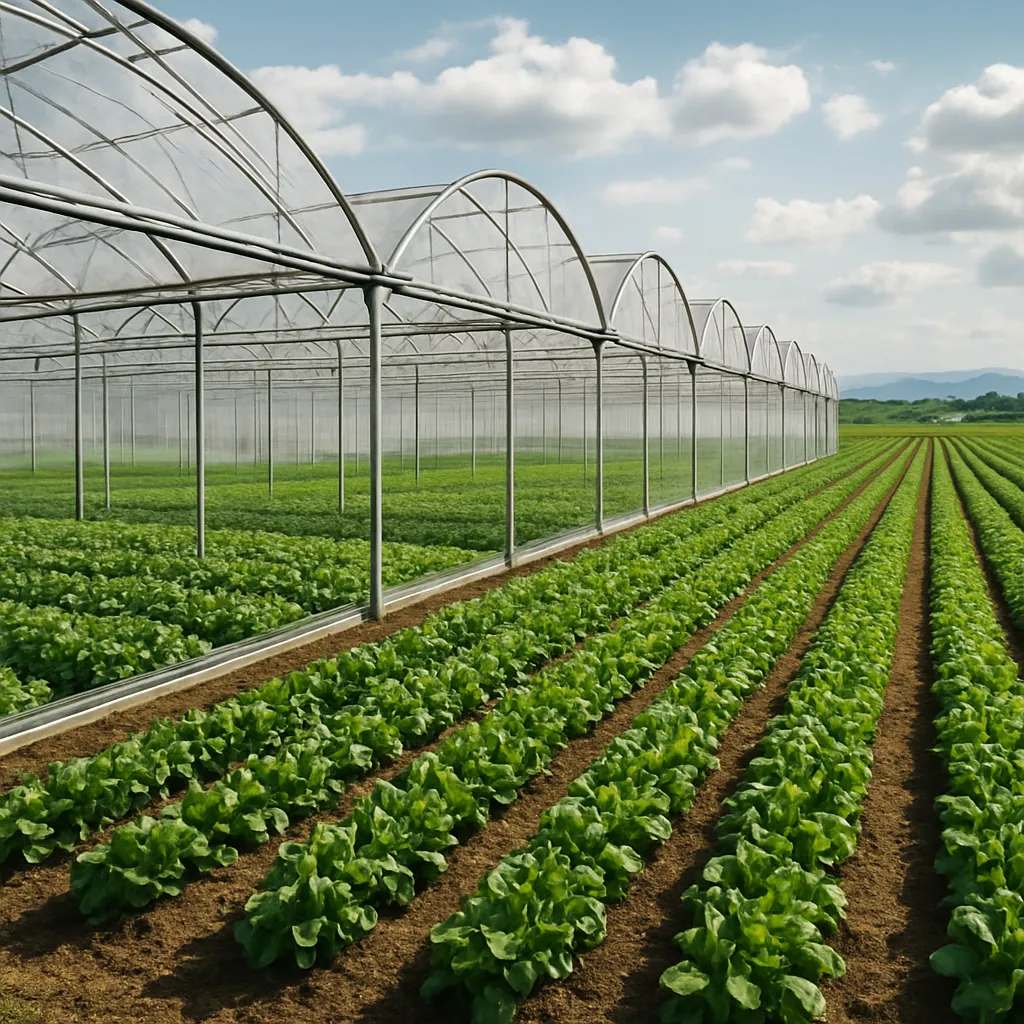
Advancements in agriculture are reshaping global farming practices, enabling producers to harness real-time data and cutting-edge tools to enhance yield, reduce waste, and protect the environment. This article explores how modern technologies support farmers across continents in making smarter decisions about planting, irrigation, pest control, and resource management.
Data Collection and Monitoring Technologies
Efficient crop management begins with accurate data gathering. Farmers can now deploy a network of devices and platforms that capture critical information on soil conditions, weather patterns, and plant health. Key innovations include:
- IoT-enabled soil probes that measure moisture, pH, and nutrient levels at various depths
- High-resolution satellite imagery and remote sensing to map field variability
- Autonomous drones equipped with multispectral cameras for aerial surveys
- Ground-based sensors tracking temperature, humidity, and microclimatic changes
By integrating these data streams into a unified dashboard, farmers achieve real-time monitoring of their fields. This continuous feedback loop allows them to detect early signs of water stress, nutrient deficiencies, or disease outbreaks before they spread.
Precision Soil Mapping
Traditional soil sampling involved labor-intensive manual testing. Today, tractor-mounted sensors and handheld scanners deliver high-density maps of soil variability. Coupled with GPS positioning, these tools enable variable-rate application of fertilizers and amendments. As a result, input costs decrease while crop health improves.
Climate and Weather Analytics
Weather forecasts are no longer generic predictions. Advanced models leverage AI and machine-learning algorithms to provide hyperlocal forecasts tailored to each farm’s location. Farmers use this insight to schedule planting, irrigation, and harvest operations at optimal times, minimizing risks associated with unexpected storms or droughts.
Decision Support Systems for Optimizing Crop Management
Raw data by itself is not enough; it must be processed and interpreted to drive action. Decision support systems (DSS) transform vast datasets into practical recommendations for farmers, improving overall precision agriculture.
- Cloud-based platforms that run predictive models on pest and disease outbreaks
- Mobile apps delivering customized alerts and task lists
- Dashboard interfaces showing cost-benefit analyses for each intervention
- Automated report generation for compliance with agricultural standards
Pest and Disease Management
Leveraging image recognition and data analytics, DSS can identify early signs of infestation or fungal growth. Farmers receive notifications recommending targeted pesticide applications, reducing chemical usage and environmental impact.
Irrigation Scheduling
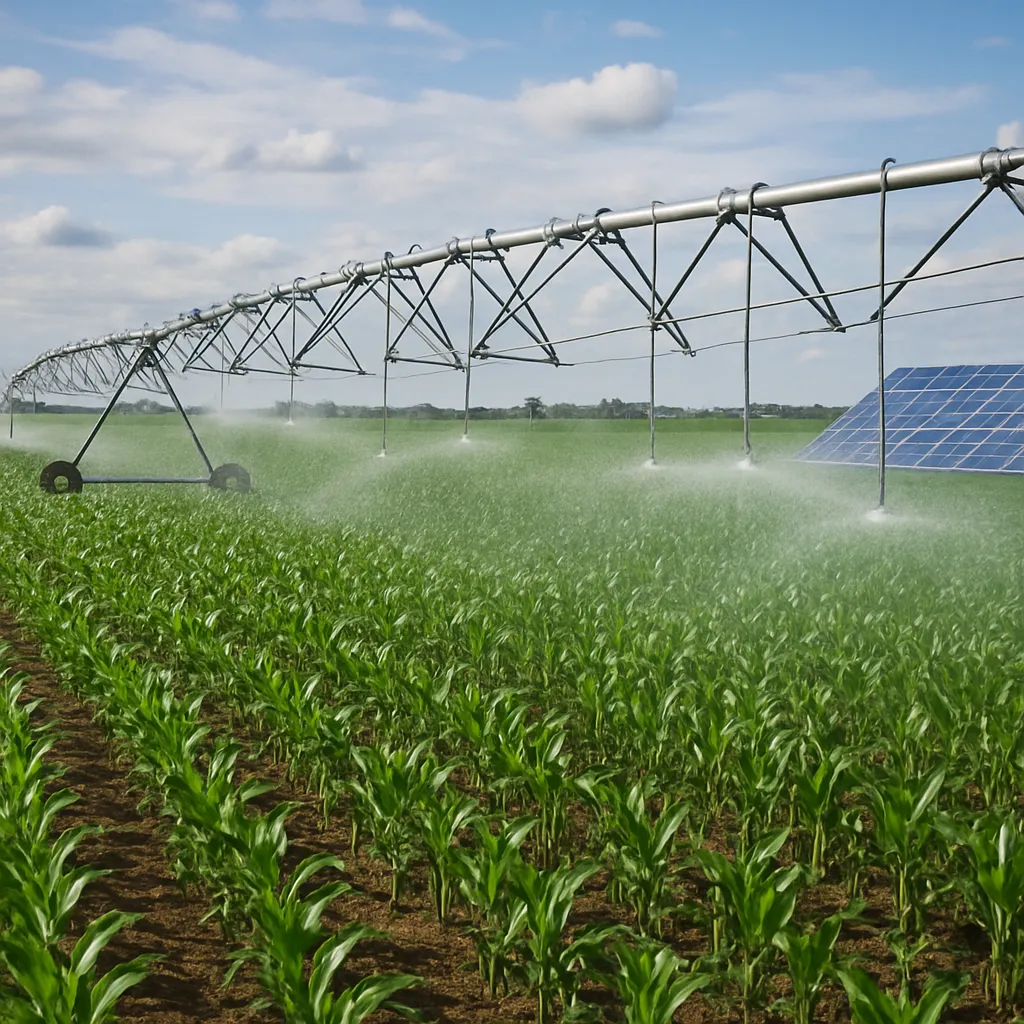
Smart irrigation controllers analyze soil moisture readings in combination with forecasted weather data. These systems determine optimal watering schedules, preventing both under-irrigation and waterlogging. In arid regions, such technology can lead to water savings of up to 40%.
Yield Prediction Models
By correlating historical yield data with current conditions, decision support tools forecast potential harvest outcomes. This predictive power helps farmers adjust planting densities, select appropriate seed varieties, and plan logistics for storage and transportation.
Sustainability and Future Innovations
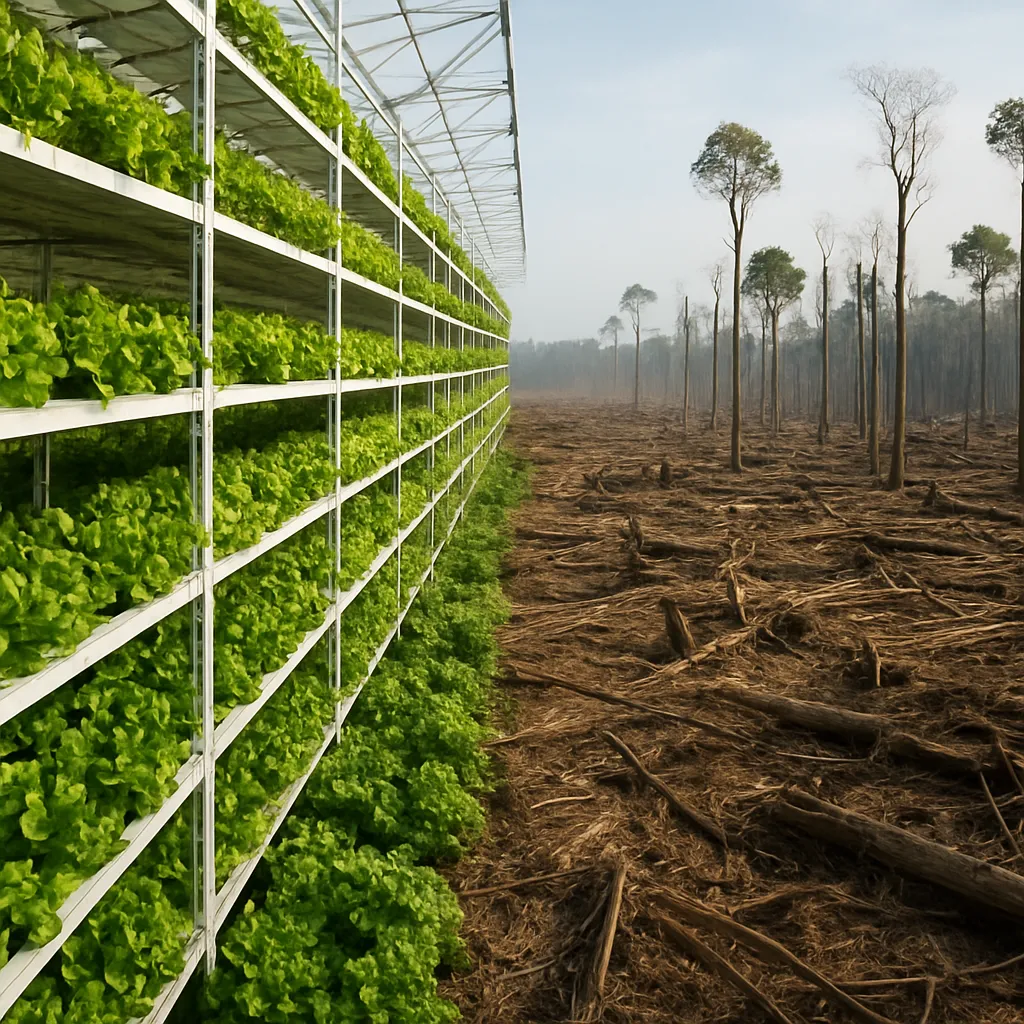
Beyond immediate efficiency gains, technology adoption fosters long-term sustainability by conserving resources and reducing greenhouse gas emissions. As global demand for food rises and climate challenges intensify, innovative solutions will play an ever-greater role.
- Robotic harvesters that reduce labor dependency on large-scale farms
- Blockchain-based supply chains for improved traceability and reduced waste
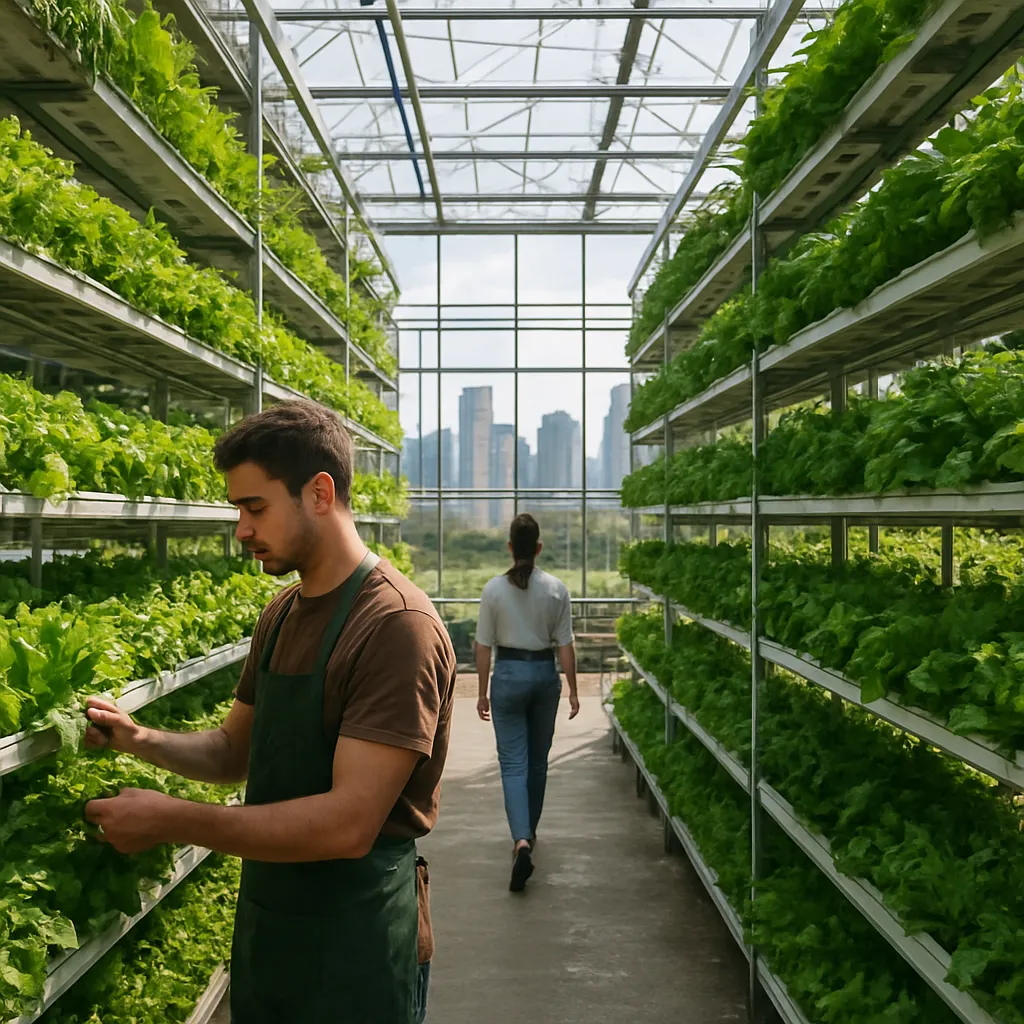
- Vertical farming and controlled-environment agriculture for urban areas
- Biotech advancements enabling drought-tolerant and pest-resistant crop varieties
Robotics and Automation
Field robots equipped with vision sensors and precision actuators can perform tasks such as weeding, seeding, and harvesting with minimal human supervision. This shift not only addresses labor shortages but also supports more uniform field operations, boosting overall productivity.
Data-Driven Resource Management
Implementing farm management software helps track input usage, carbon footprints, and financial performance. Farmers can benchmark their operations against regional averages, identifying areas for improvement and demonstrating sustainability credentials to buyers and regulators.
Collaborative Platforms
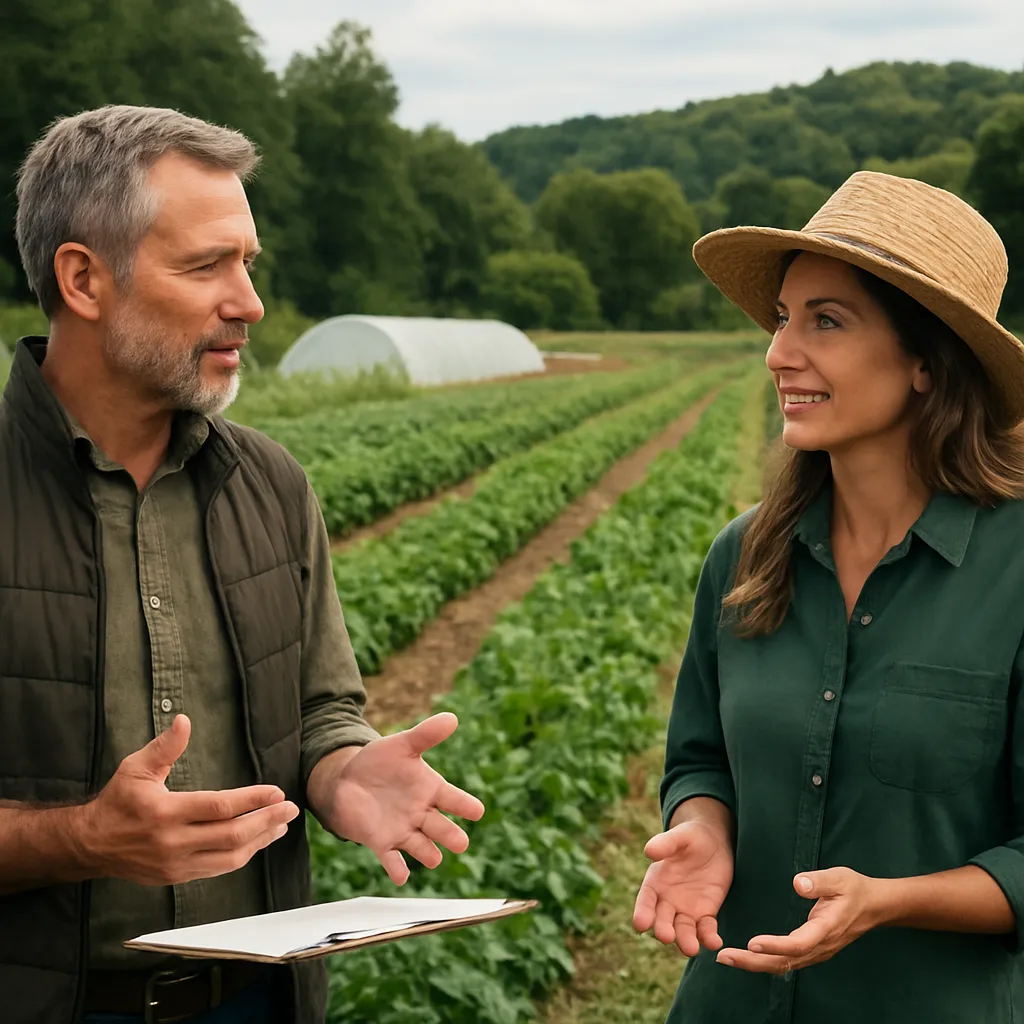
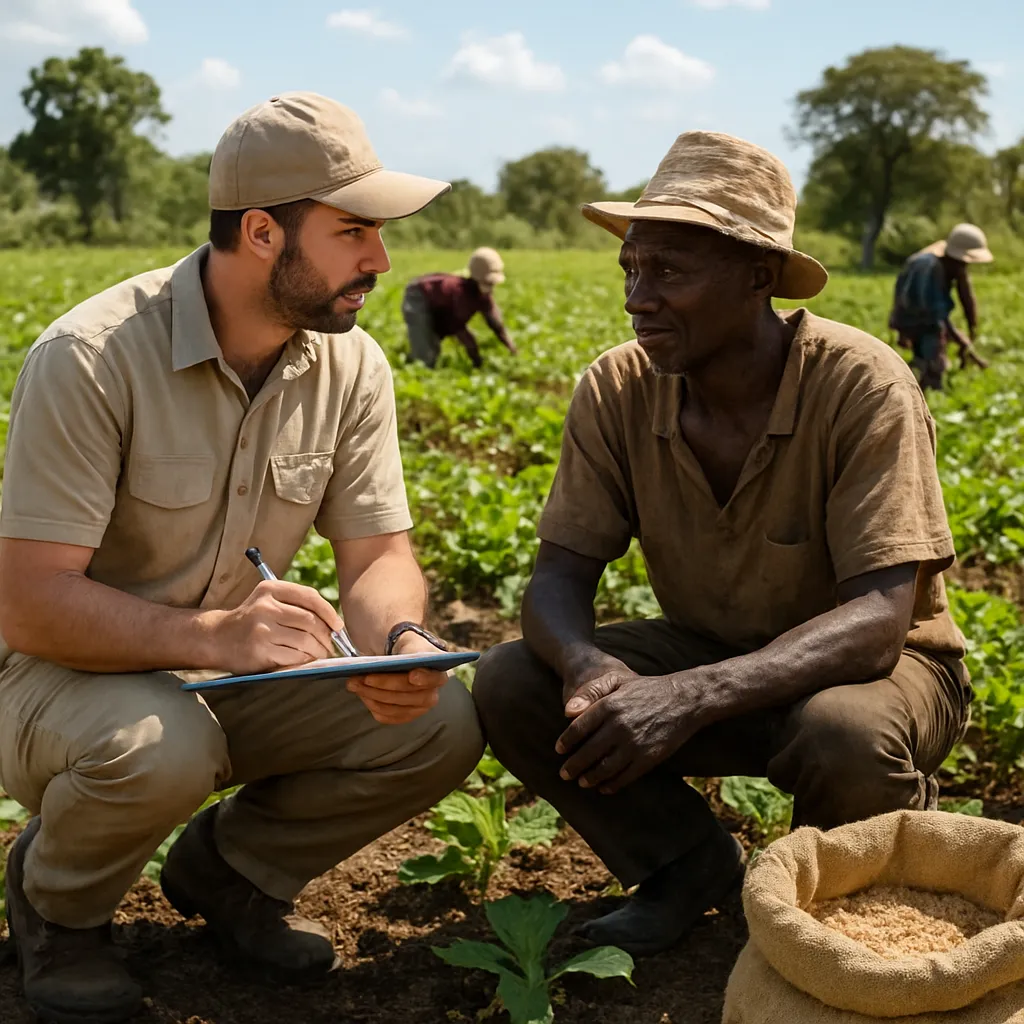
Global networks and knowledge-sharing forums connect smallholders with agronomists and researchers. Through online communities and extension services, best practices for integrated pest management, soil health, and crop rotation are disseminated rapidly, elevating productivity across diverse environments.
As emerging technologies continue to converge, the future of farming promises even greater integration of sensors, robotics, and predictive intelligence. By embracing these innovations, farmers worldwide can enhance profitability, safeguard natural resources, and feed a growing population with resilience and responsibility.