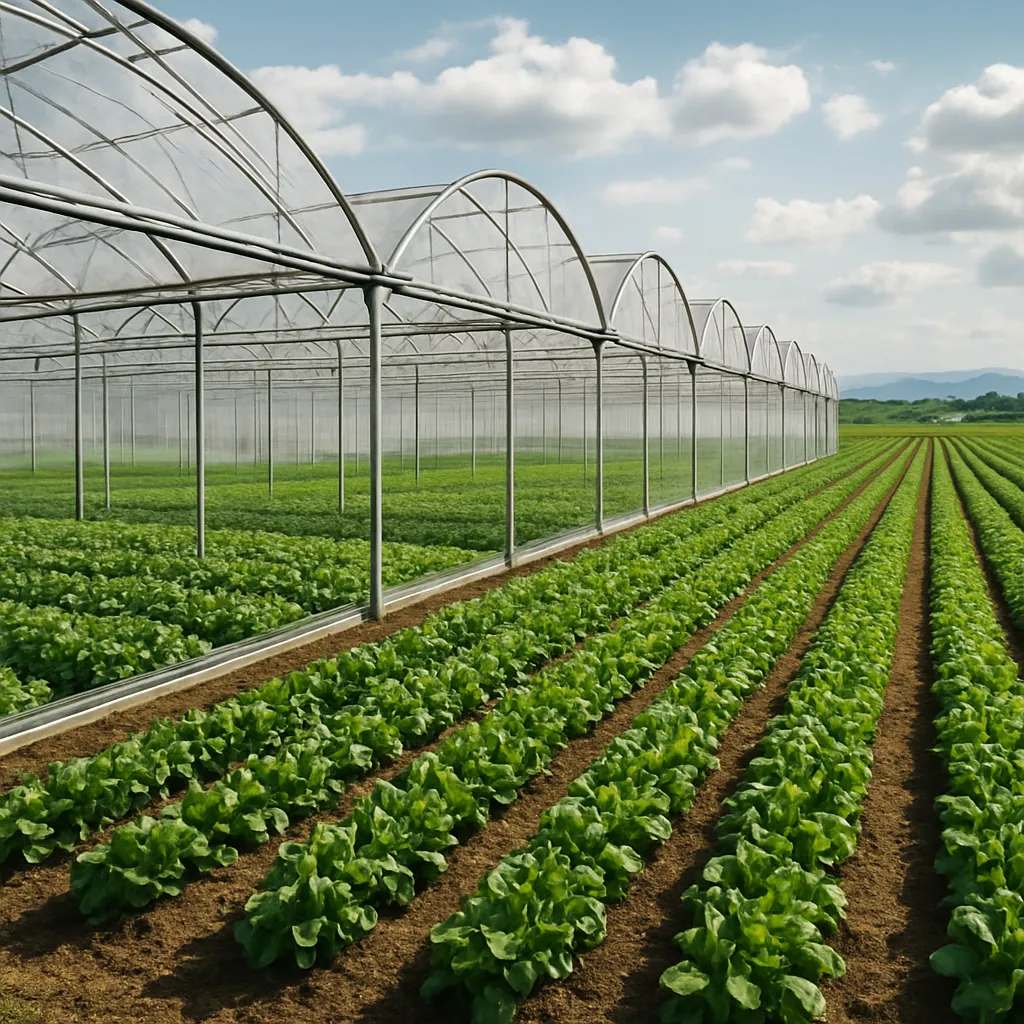
In many parts of the world, isolated communities are turning age-old farming traditions into high-efficiency operations by embracing cutting-edge innovations. Access to advanced tools and modern methods is transforming fields that once depended solely on manual labor into hubs of productivity and resilience. This journey of integration between tradition and progress is vital for feeding an ever-growing global population.
Innovative Tools Reshaping Agriculture
Today’s agricultural landscape is being revolutionized by a variety of technology solutions that were previously out of reach for remote regions. From low-cost sensors to solar-powered devices, farmers now have the means to monitor their fields with precision and adapt quickly to changing conditions.
Drone Surveillance and Application
Drones have evolved into indispensable assets for modern farming. Equipped with multispectral cameras, they hover above vast tracts of land to capture detailed images of crop health, soil moisture levels, and pest infestations. Farmers can deploy them to:
- Survey inaccessible terrains without risking time and safety.
- Apply targeted sprays of water, fertilizer, or pesticides, reducing waste.
- Generate real-time maps that highlight areas needing urgent attention.
By leveraging drones, cultivators cut operational costs and dramatically boost crop yields through precise resource allocation.
Ground-Level Sensor Networks
Soil sensors and weather stations form the backbone of data-driven decisions. These devices measure pH levels, temperature, and humidity, sending updates to smartphones or community computer centers. Smallholder operations benefit immensely as:
- They receive instant alerts about nutrient deficiencies.
- Irrigation schedules are optimized to prevent overwatering.
- Weather forecasts help plan planting and harvesting windows.
Combining satellite imagery with ground sensors creates a comprehensive picture of field conditions, empowering farmers to take informed actions.
Connectivity Solutions in Isolated Areas
One of the greatest challenges in remote farming is the lack of reliable internet and power infrastructure. Innovative connectivity projects are bridging these gaps, enabling rural communities to tap into global knowledge networks and online marketplaces.
Solar-Powered Communication Hubs
Solar panels coupled with battery storage now power community hubs, offering Wi-Fi access across large distances. These stations serve multiple purposes:
- They host e-learning modules to train farmers on best practices.
- They connect local cooperatives to suppliers and buyers.
- They facilitate video consultations with agronomists and experts.
By harnessing renewable energy, these hubs ensure uninterrupted connectivity and foster long-term sustainability.
Mesh Network Systems
In terrains where laying fiber-optic cables is impractical, mesh networks come to the rescue. Each node in the network acts both as receiver and transmitter, extending internet coverage organically. Benefits include:
- Cost-effective deployment with minimal infrastructure.
- Self-healing capabilities that reroute traffic if a node fails.
- Scalability to include additional villages or farms in the network.
When empowered with seamless connectivity, farmers gain access to weather updates, market prices, and interactive training sessions that sharpen their competitive edge.
Data-Driven Farming for Enhanced Productivity
Data analytics is the engine driving modern agriculture’s transformation. By processing vast arrays of information, farming communities can optimize inputs, reduce waste, and forecast yields with unprecedented accuracy.
Precision Agriculture Platforms
Cloud-based platforms aggregate data from drones, sensors, and satellites to deliver actionable insights. Features include:
- Variable rate technology (VRT) that handles bespoke fertilizer distribution.
- Machine-learning models predicting disease outbreaks before symptoms appear.
- Yield mapping that compares performance across different plot sections.
Such integrated systems leverage the power of data analytics to improve decision-making, minimize environmental impact, and drive profitability.
Mobile Apps and Decision Support
Smartphone applications designed for low-bandwidth settings offer easy-to-use dashboards and step-by-step guidance. Key functionalities include:
- Crop calendars tailored to local climates and seed varieties.
- Interactive pest identification tools with image recognition.
- Marketplace connectors to negotiate prices directly with buyers.
These apps transform any connected device into a personal agronomist, enabling smallholder farmers to extract maximum value from each planting season.
Sustainable Practices and Community Impact
While technology accelerates farm productivity, its most profound impact lies in fostering resilient communities and preserving fragile ecosystems. By adopting eco-friendly innovations, farmers can secure livelihoods and safeguard the environment.
Integrated Pest Management (IPM)
Combining traditional knowledge with scientific tools, IPM reduces pesticide use by focusing on biological controls and targeted interventions. Techniques include:
- Introducing beneficial insects that prey on common crop pests.
- Applying pheromone traps to disrupt pest mating cycles.
- Monitoring pest populations with sensor traps and data logs.
Such strategies maintain balanced ecosystems while protecting yields.
Water Conservation Tech
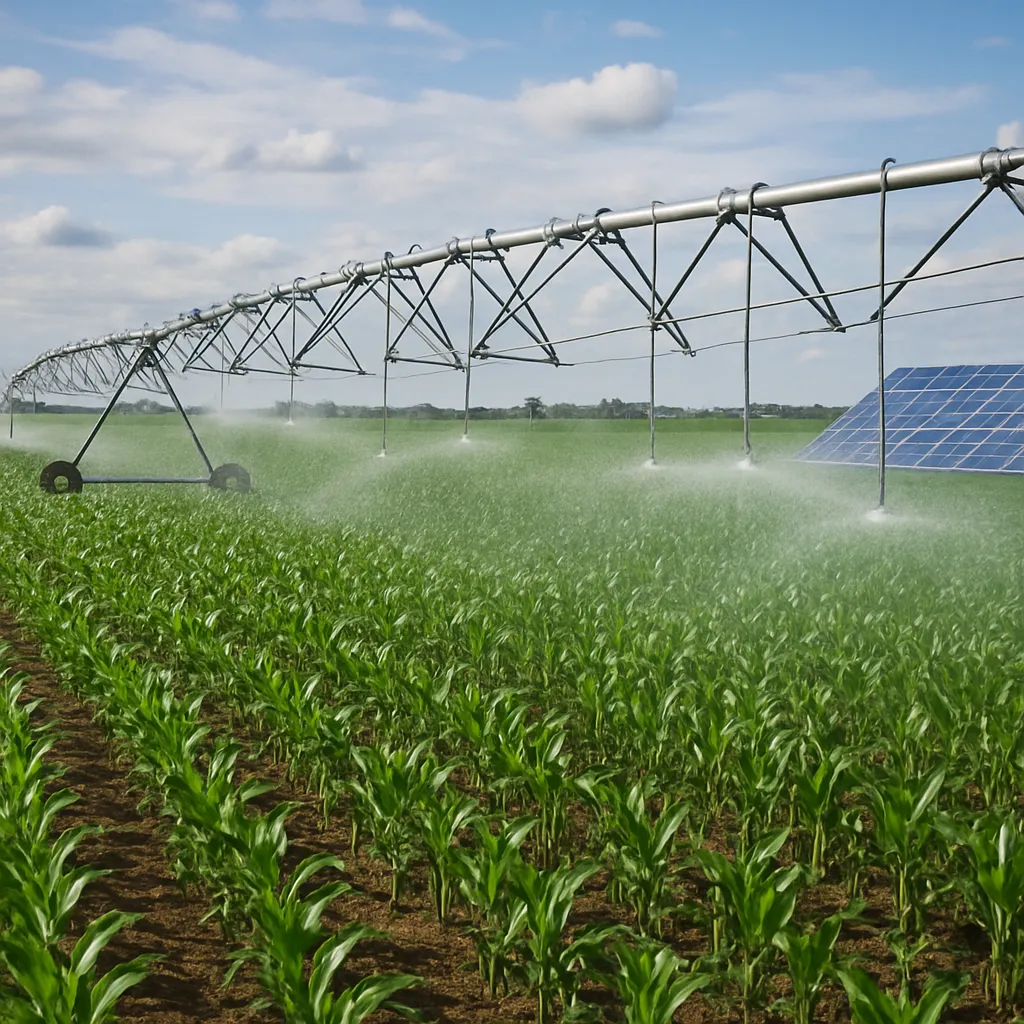
In water-stressed areas, drip irrigation and automated valve systems deliver water droplets directly to plant roots, cutting evaporation losses by up to 70%. Additional innovations involve:
- Rainwater harvesting structures that store runoff for dry seasons.
- Smart timers synchronized with real-time weather forecasts.
- Soil moisture analytics that trigger irrigation only when necessary.
By prioritizing efficient water use, communities achieve both higher productivity and long-term resource security.
Renewable Energy Integration
Solar- and wind-powered pumps now replace diesel generators, reducing carbon footprints and operation costs. Combined with battery storage, these systems ensure:
- Uninterrupted energy for irrigation and cold storage.
- Lower maintenance expenses compared to fossil-fuel alternatives.
- Scalability to power additional community services.
Transitioning to renewables aligns agricultural growth with global climate goals, demonstrating that modern farming can be both productive and planet-friendly.