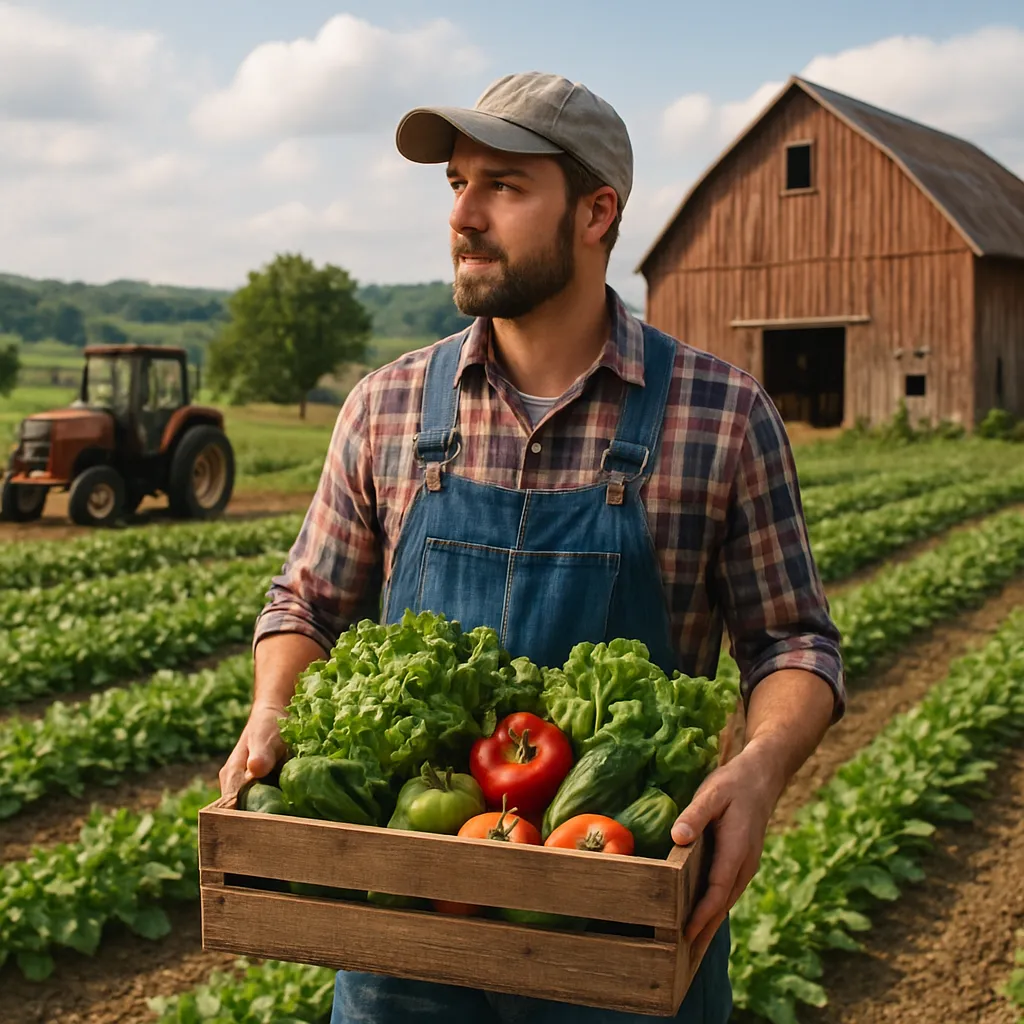
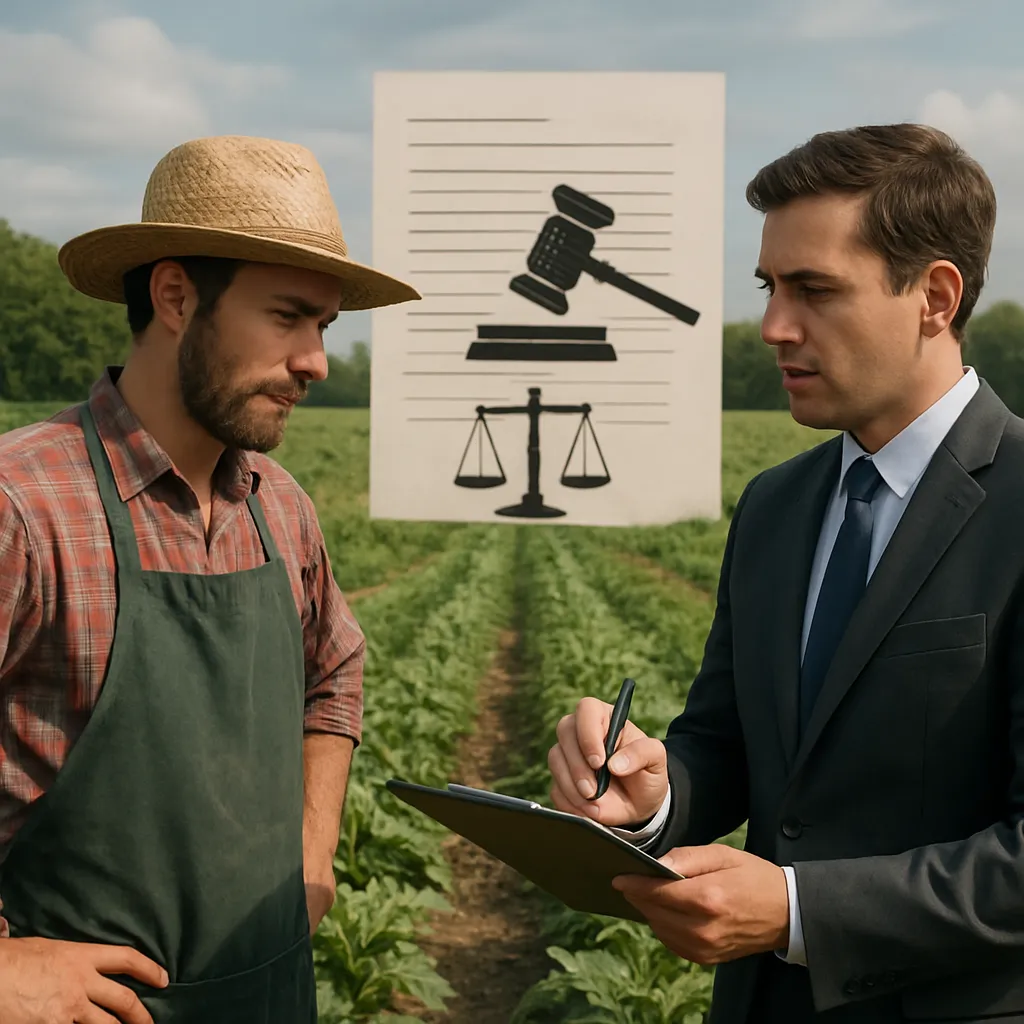
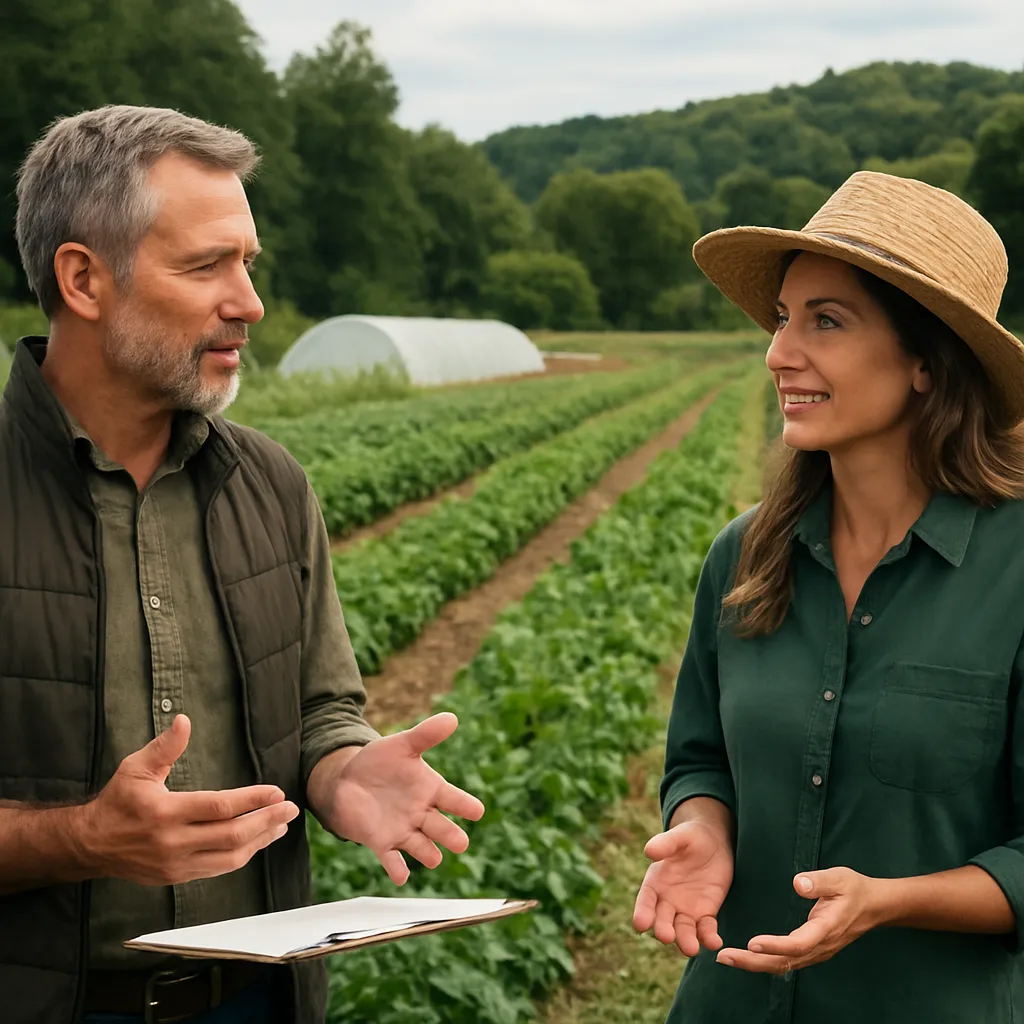
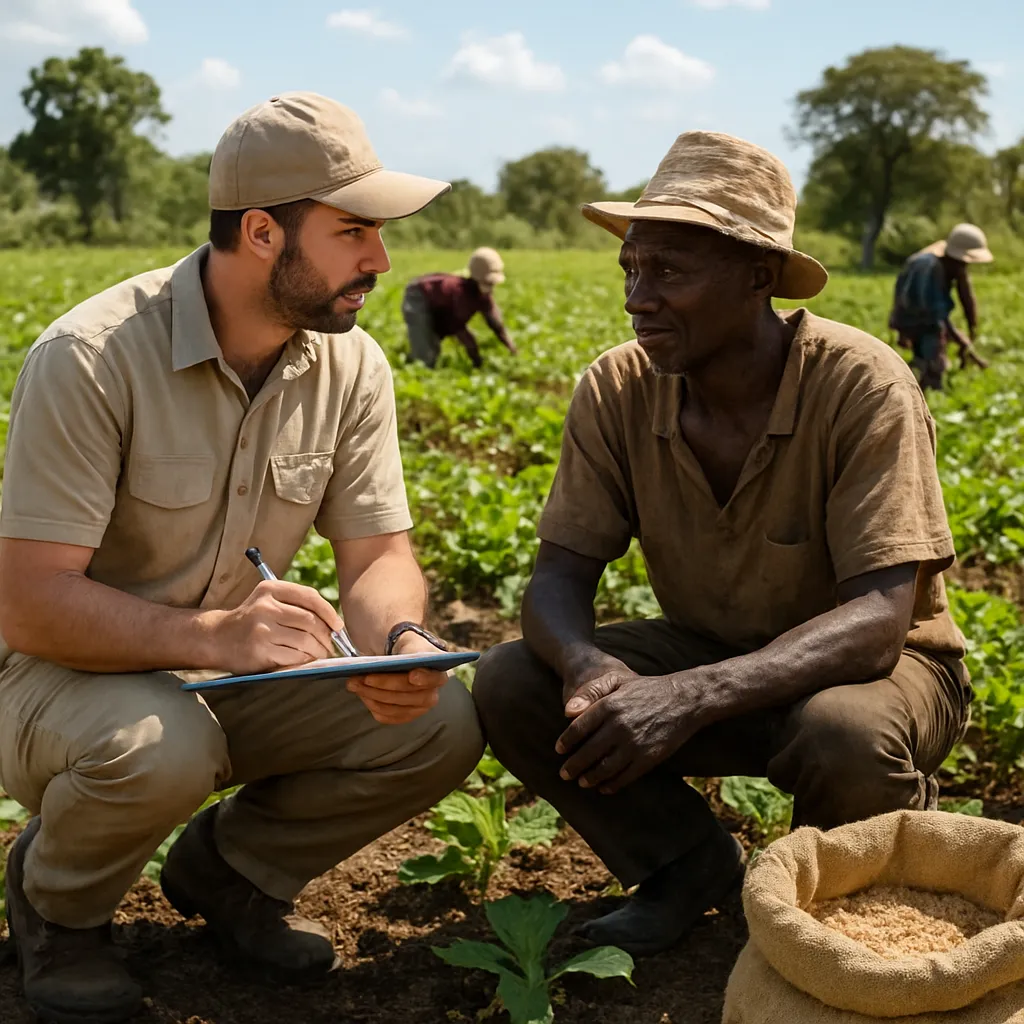
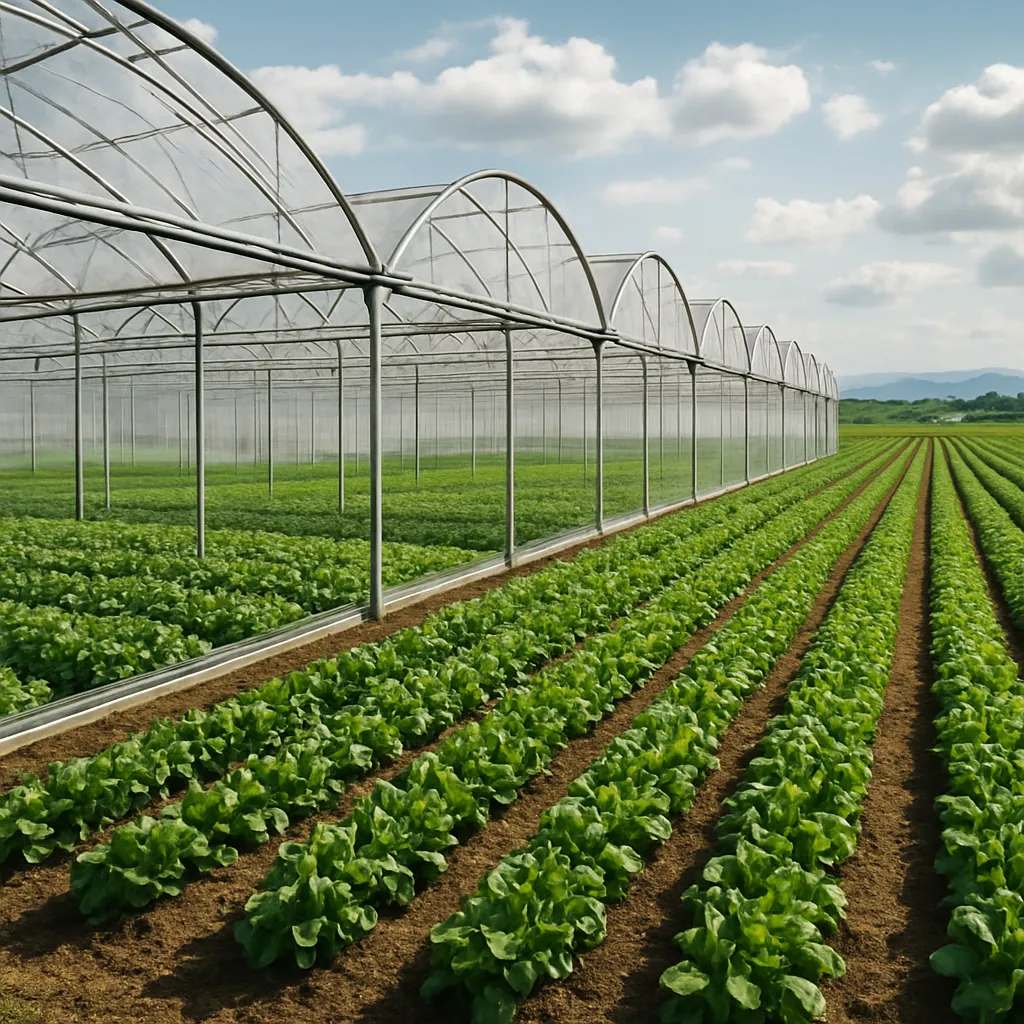
Small-scale farmers are embracing a wave of innovations that are reshaping agriculture and enabling them to access global markets once dominated by large agribusinesses. Combining low-cost sensors, mobile connectivity, and data analytics, these agritech solutions are elevating productivity, improving quality, and strengthening the resilience of family farms around the world.
Digital Agriculture Tools Leveling the Playing Field
Advancements in precision agriculture have broken down barriers that once prevented smallholders from optimizing yields. Today, handheld soil sensors, weather-station kits, and drone-based imaging can be acquired at a fraction of the previous cost. These data-driven tools help farmers pinpoint nutrient deficiencies, predict pest outbreaks, and schedule irrigation at the ideal moment.
- Soil Moisture Sensors: Portable probes allow farmers to measure water content at various depths, reducing wasteful overwatering and ensuring crops receive just the right amount of moisture.
- Satellite Imagery: Affordable subscriptions to satellite data enable monitoring of crop health across large tracts, highlighting disease hotspots before visible symptoms emerge.
- Automated Machinery: Small tractors equipped with GPS-guided steering systems can now follow precise planting maps, cutting labor costs and minimizing overlap.
With these innovations, even farmers operating on fewer than five hectares can make agronomic decisions based on real-time analytics, driving up yields by as much as 20–30 percent in some regions.
Access to Market Information and Finance
Global market integration relies on reliable information flows and affordable credit. Mobile platforms are at the forefront of providing price updates, weather forecasts, and peer-to-peer lending.
Price Discovery Apps
- By aggregating bids from local buyers, digital marketplaces ensure transparent pricing for fresh produce, coffee, cocoa, and other commodities.
- Farmers can compare international commodity futures and secure forward contracts, shielding them from volatile spot markets.
Microfinance and Digital Wallets
- Mobile money services facilitate secure payments and savings, reducing reliance on cash and lowering transaction costs.
- Innovative credit-scoring algorithms evaluate nontraditional data—such as social media activity or mobile airtime usage—to underwrite loans for farmers without formal collateral.
These technologies empower smallholders to invest in high-quality seeds, fertilizers, and equipment, fostering a cycle of continuous improvement and empowerment.
Enhancing Supply Chain Transparency Through Blockchain
Traceability has become a nonnegotiable requirement for international buyers seeking ethically sourced and sustainable products. Blockchain solutions offer immutable records of every transaction, from planting to export.
- Smart Contracts: Automated agreements trigger payments once predefined quality parameters are met, reducing delays and disputes.
- Product Provenance: Consumers can scan QR codes to verify the origin of coffee beans or tropical fruits, ensuring fair-trade practices and reducing the risk of food fraud.
- Compliance Tracking: Regulators can monitor adherence to environmental standards, while certifications (organic, Rainforest Alliance, etc.) are embedded directly into the chain of custody.
These transparent systems not only command premium prices but also build trust among international partners, reinforcing smallholders’ reputations as reliable suppliers.
Collaborative Networks and Capacity Building
Beyond hardware and software, human networks are critical. Farmer cooperatives, digital communities, and extension services converge to share best practices and foster innovation.
Virtual Knowledge Hubs
Online forums and chat groups allow farmers to discuss pest management, post photos for expert diagnosis, and receive video tutorials on advanced cultivation techniques. Such platforms harness collective intelligence, accelerating problem-solving across continents.
Localized Training Programs
Non-governmental organizations and private firms deploy mobile training units to remote areas, equipping farmers with skills in:
- Integrated Pest Management: Combining biological controls with minimal chemical interventions to protect ecosystems.
- Climate-Smart Practices: Adopting drought-tolerant varieties and agroforestry systems that sequester carbon and preserve biodiversity.
- Post-Harvest Handling: Techniques for drying, sorting, and packaging that reduce losses and enhance product quality.
Through these capacity-building initiatives, growers gain not only technical knowledge but also the confidence to navigate export regulations, negotiate with buyers, and adopt resilience-boosting strategies.
Connectivity and Remote Monitoring Solutions
High-speed internet access has surged in many rural regions, bridging the digital divide that once left smallholders disconnected. With 4G and emerging 5G networks, farms are integrating IoT devices that provide continuous oversight.
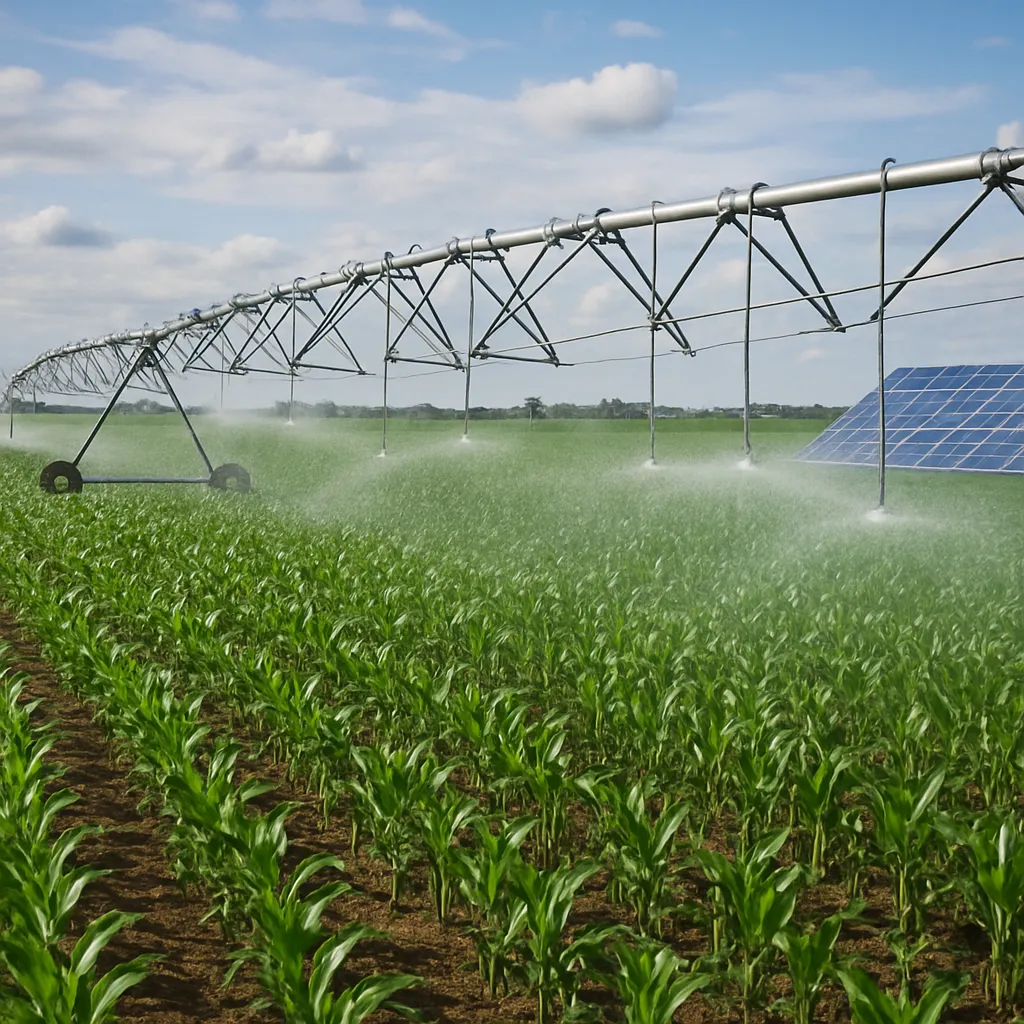
- Smart Irrigation Systems: Automated valves respond to sensor data, ensuring optimal water distribution even when farmers are off-site.
- Livestock Tracking: Wearable devices on cattle and poultry record health metrics, enabling early intervention and improving animal welfare.
- Weather Stations: Localized forecasts help farmers plan planting and harvesting windows, mitigating the impacts of extreme weather events.
Combined with cloud-based dashboards, these remote monitoring solutions help producers maintain consistent quality standards, a key requirement for entry into demanding global supply chains.
Future Outlook: Scaling Innovation for Inclusive Growth
Continued progress hinges on cross-sector collaboration. Governments must revisit policy frameworks to incentivize sustainability and digital infrastructure investments, while private enterprises should design user-centric technologies that cater to diverse literacy levels. Furthermore, impact investors and development agencies can align capital flows with scalable pilot projects that demonstrate clear returns for smallholders.
As agritech becomes more accessible, the next frontier lies in integrating artificial intelligence and edge computing to further democratize insights. By harnessing these cutting-edge tools, small-scale farmers stand poised to revolutionize global food systems—combining traditional knowledge with modern science to achieve both economic prosperity and environmental stewardship.