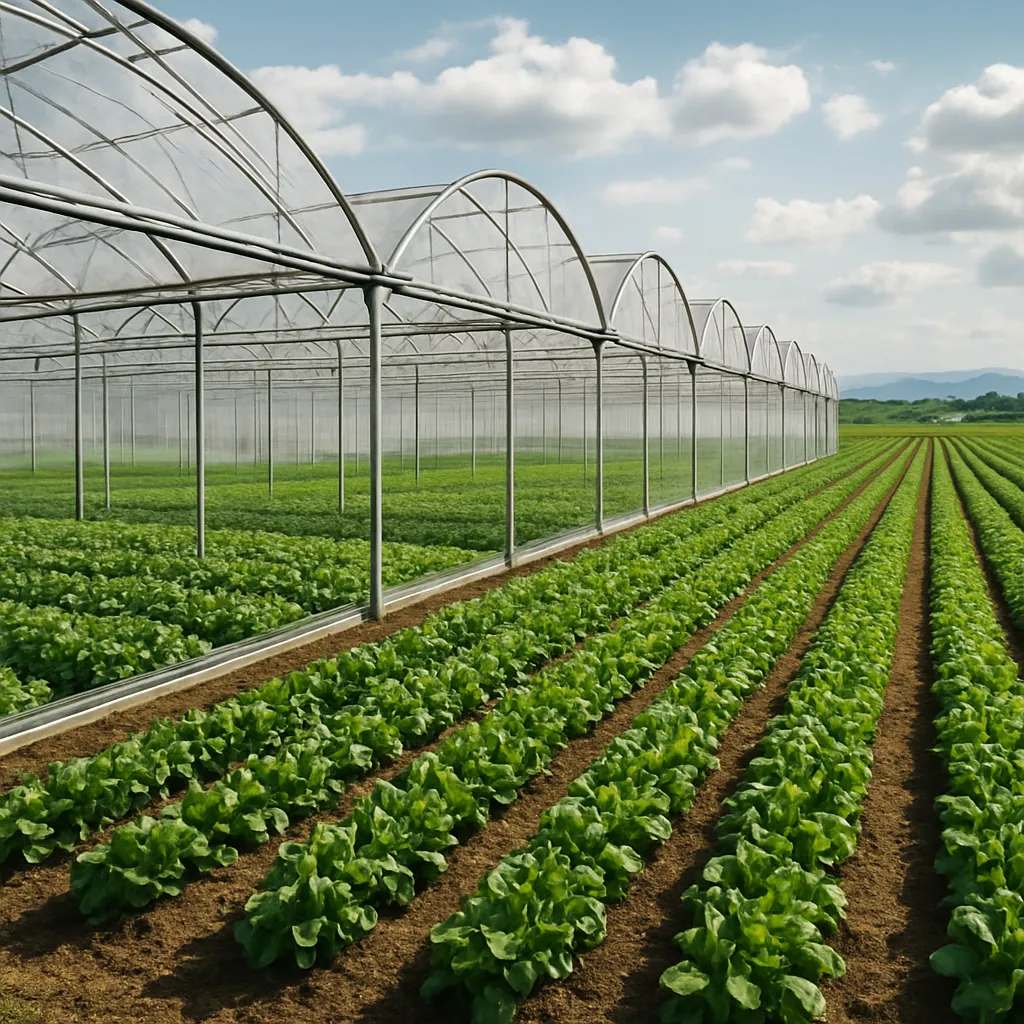
Sustainable livestock farming is undergoing a profound transformation as producers and stakeholders around the world embrace innovative practices to reduce environmental impact, enhance animal welfare, and secure long‐term profitability. By integrating holistic approaches across feed management, land stewardship, and community engagement, the industry is witnessing a paradigm shift that balances economic viability with ecological stewardship.
Global Impact of Sustainable Practices
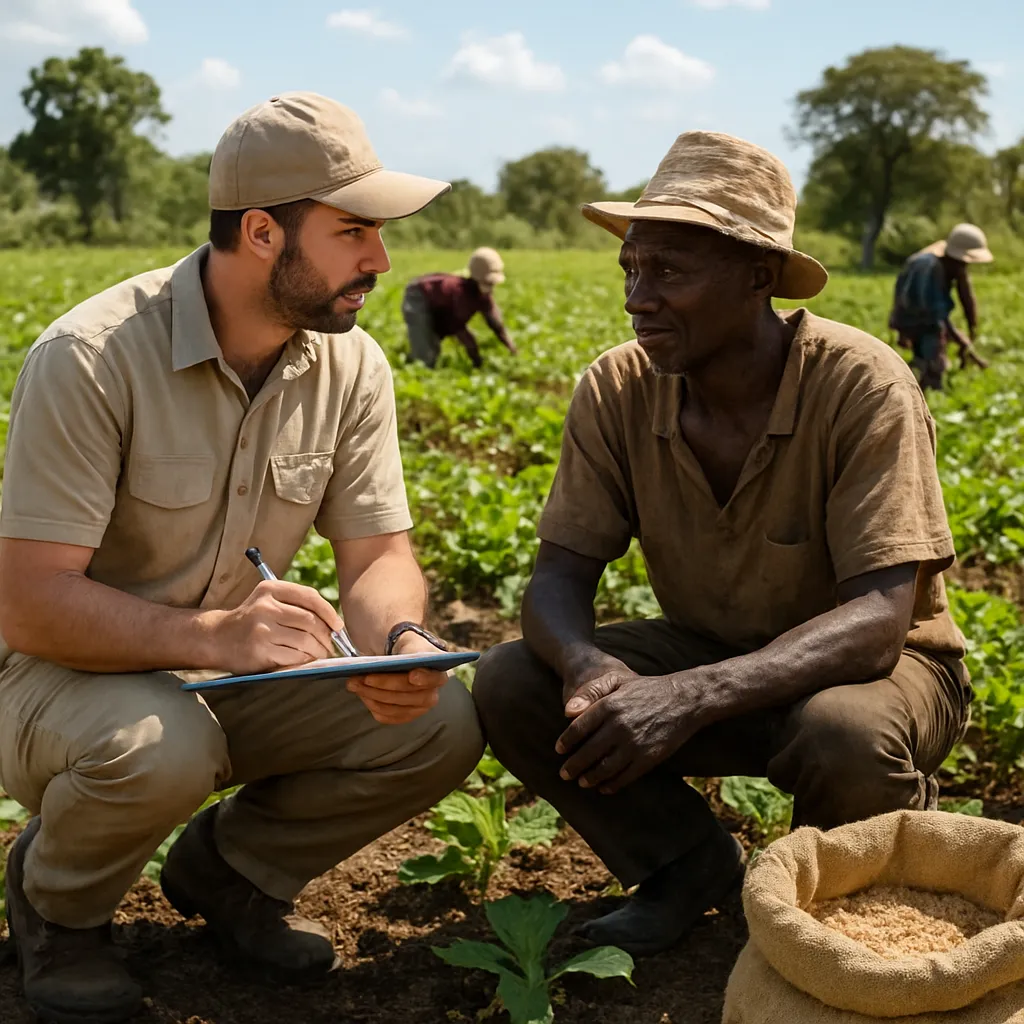
Across continents, sustainable livestock operations are reshaping traditional paradigms. In New Zealand, farmers adopted regenerative grazing to rebuild soil health, capturing carbon and restoring native vegetation. Meanwhile, in parts of Africa, smallholder cooperatives harness local resources to improve resilience amid climate volatility. These global efforts share a common goal: bridging productivity gaps without compromising future generations.
The environmental footprint of conventional systems has spurred policy and market changes:
- Carbon footprint reduction targets are driving investments in methane mitigation research.
- Certification schemes, like Global G.A.P. and Certified Humane, reward farmers committed to welfare and traceability.
- Consumers increasingly demand ethically sourced meat, dairy, and wool, shaping supply chains toward sustainability.
By combining local knowledge with advanced technology, regions with diverse climates and ecosystems are demonstrating that sustainable livestock farming can adapt to unique challenges while contributing to global climate goals.
Key Techniques and Innovations
Innovations in feed, breeding, and waste management are at the heart of sustainable livestock systems. Researchers and practitioners leverage scientific advances to optimize every stage of production.
Precision Feeding and Nutrient Management
- Precision feeders equipped with sensors ensure each animal receives tailored rations, minimizing feed waste and nutrient runoff.
- Alternative protein sources—such as insect meal and algae—supplement traditional feeds, cutting dependence on soy and fishmeal.
- Enzymatic supplements enhance digestibility, reducing methane emissions from enteric fermentation in ruminants.
Pasture‐Based Systems and Rotational Grazing
- Managed rotational grazing distributes grazing pressure, preventing overuse and promoting biodiversity in grasslands.
- Sward diversity—mixing legumes, grasses, and herbs—improves soil fertility, offering a more balanced diet and natural resilience against drought.
- Agroforestry integration provides shade, windbreaks, and additional revenue streams through tree crops or carbon credits.
Manure Valorization and Circular Loops
- Advanced biogas digesters convert manure into renewable energy, reducing reliance on fossil fuels and cutting greenhouse gases.
- Composting systems transform waste into nutrient‐rich organic fertilizer, closing nutrient cycles and reducing synthetic fertilizer use.
- Manure treatment technologies mitigate pathogen risks and ammonia emissions, enhancing environmental efficiency.
Economic and Social Benefits
Transitioning to sustainable livestock farming yields multifaceted advantages beyond environmental gains. Stakeholders from rural communities to global markets share in the value creation.
Farmers report improved profitability by tapping into premium markets that reward innovation and ethical production. Cooperative models empower smallholders to:
- Access collective bargaining power and shared resources for feed, veterinary services, and marketing.
- Implement training programs in animal welfare, biosecurity, and financial management.
- Participate in certification schemes that unlock export opportunities and higher price points.
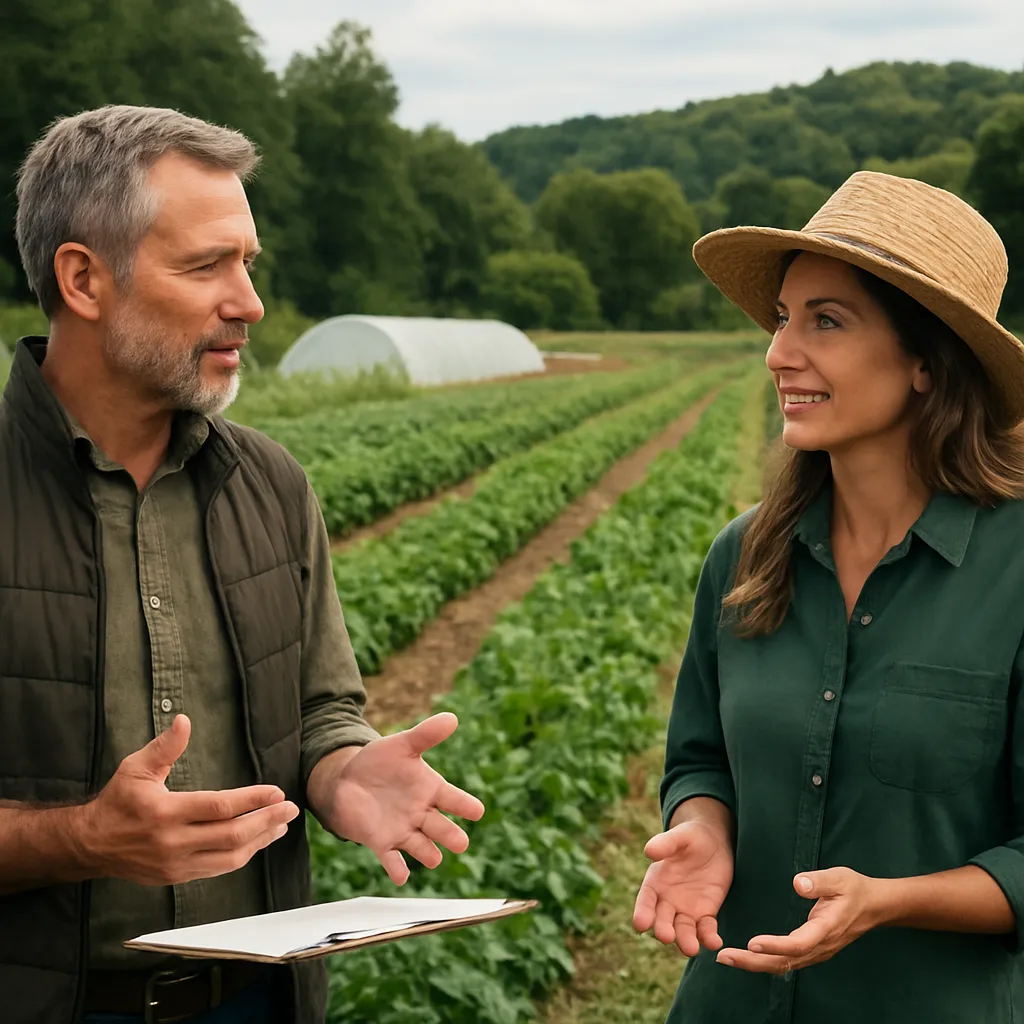
Communities also benefit from job creation in on‐farm processing, renewable energy operations, and ecotourism initiatives that showcase sustainable grazing lands. By fostering partnerships between producers, researchers, and policymakers, regions can align rural development with national strategies for climate mitigation and food security.
Challenges and Pathways Forward
Despite clear benefits, scaling up sustainable livestock farming encounters obstacles. Financial constraints, knowledge gaps, and infrastructure limitations can slow adoption:
- High upfront costs for precision equipment and renewable energy installations.
- Need for capacity building to ensure effective implementation of best practices.
- Regulatory frameworks that lag behind innovation, creating uncertainty in carbon markets and labeling standards.
To overcome these challenges, stakeholders must collaborate:
- Governments can introduce incentives, subsidies, and clear regulations to de‐risk farmer investments.
- Research institutions and extension services provide tailored support, translating scientific findings into field‐ready solutions.
- Private sector players invest in supply chain infrastructure, digital platforms, and impact measurement tools that validate sustainability claims.
Such collective efforts strengthen the industry’s capacity to navigate complex socio‐ecological landscapes and maintain continuous improvement cycles.
Emerging Trends and Future Directions
The future of sustainable livestock farming rests on embracing cross‐sector innovations and data‐driven strategies. Key trends include:
- Integration of remote sensing and blockchain for full‐chain transparency, assuring consumers of origin and impact.
- Gene editing and selective breeding targeting health traits, reducing antibiotic reliance and improving welfare.
- Development of low‐impact feed additives that further curb methane production and enhance nutrient uptake.
- Public‐private partnerships advancing decentralized energy systems powered by farm‐scale biogas and solar installations.
As the livestock sector embraces these frontiers, it will rewrite its narrative from resource‐intensive to resource‐efficient, accelerating progress toward net‐zero emissions and inclusive growth. The marriage of traditional husbandry wisdom with cutting‐edge technology promises a resilient and regenerative future for farms worldwide.