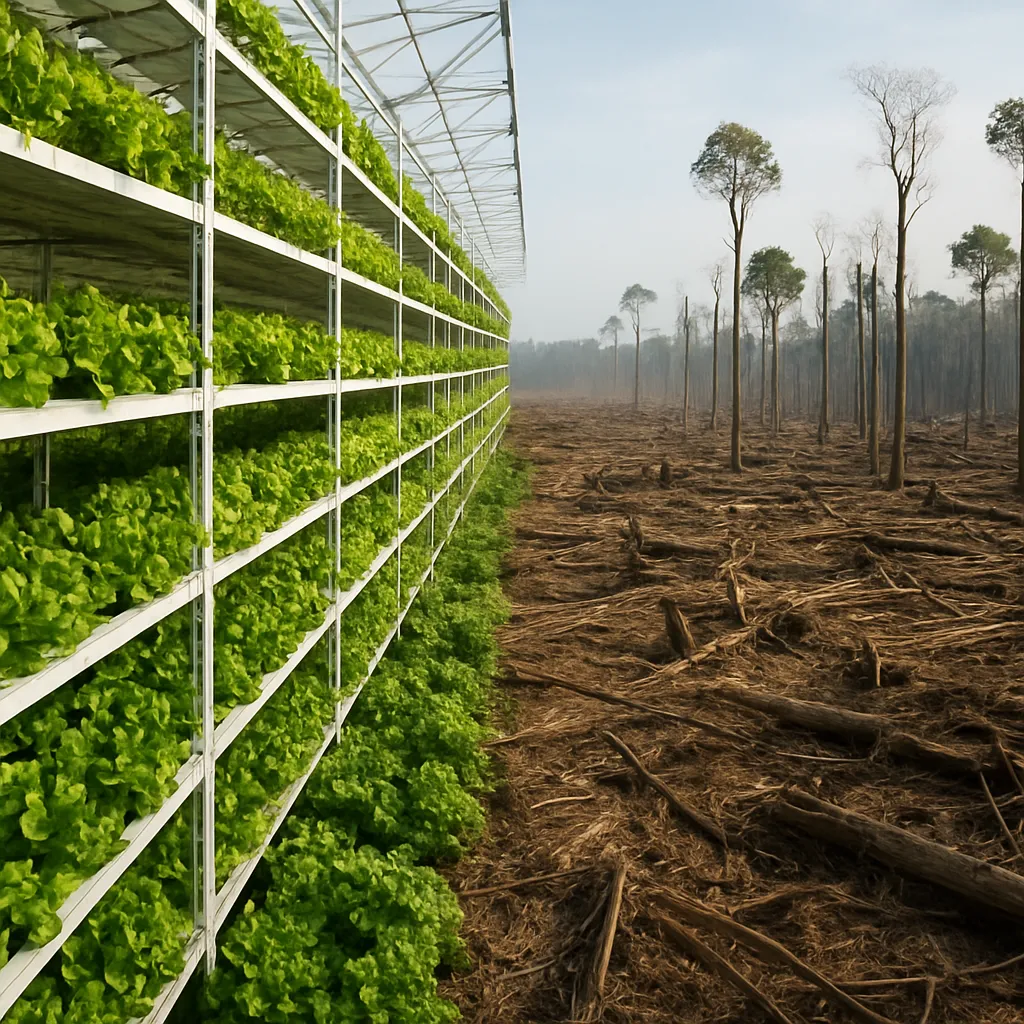
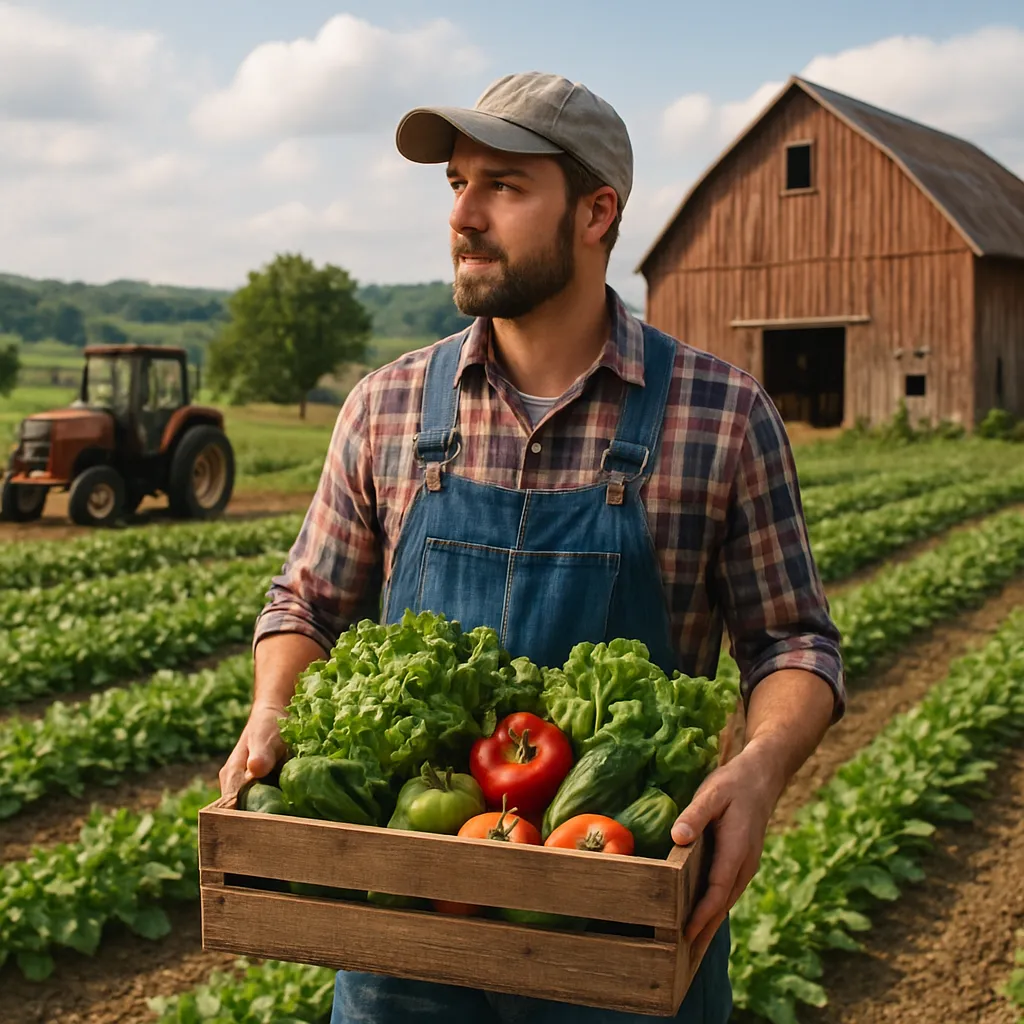
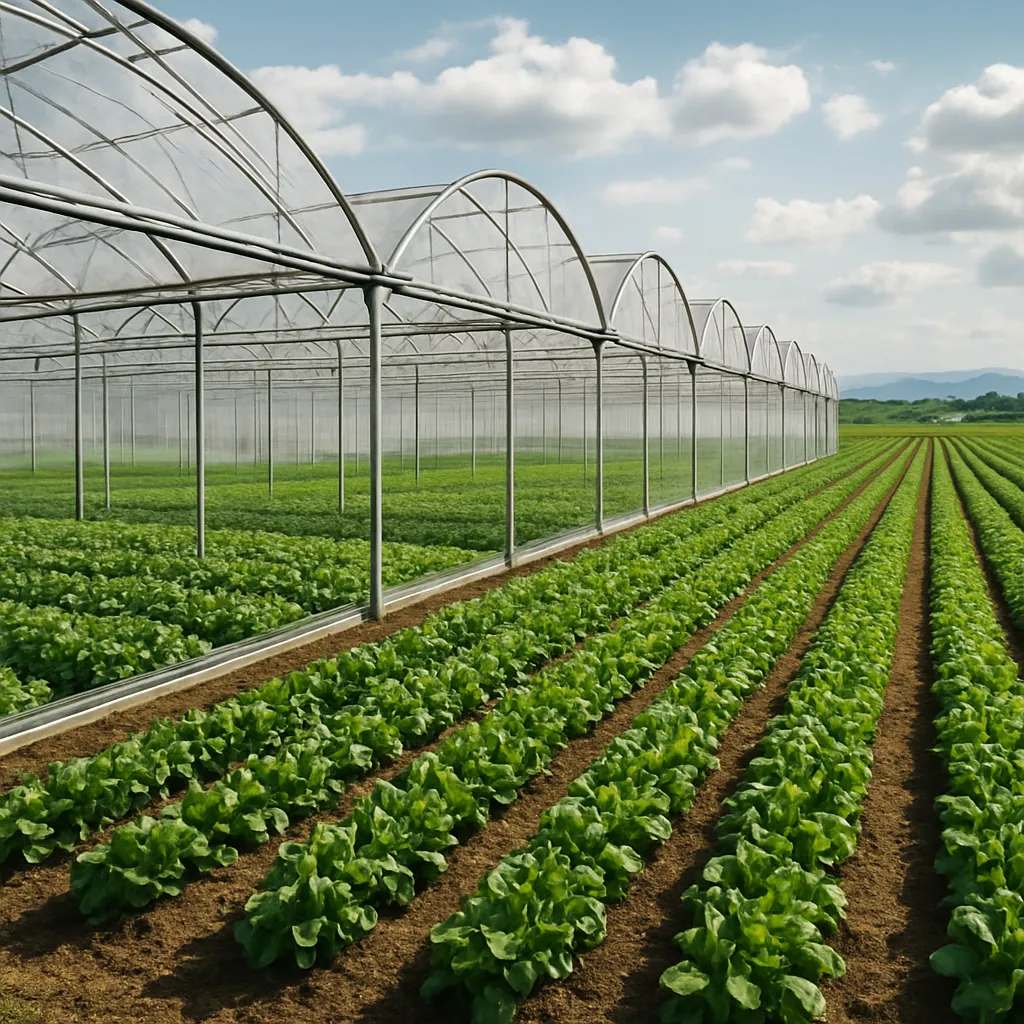
Climate change poses one of the greatest challenges of the 21st century, and **sustainable** agriculture stands out as a powerful ally in the quest for a healthier planet. By transforming conventional farming methods into systems that prioritize **regeneration**, **biodiversity**, and **resilience**, farmers around the world can significantly reduce greenhouse **emissions**, enhance **soil health**, and bolster food security. This article examines how innovative practices on world farms, supported by cutting-edge technology and robust policy frameworks, can help mitigate climate change while delivering economic and social benefits to communities everywhere.
Agroecological Practices for Carbon Sequestration
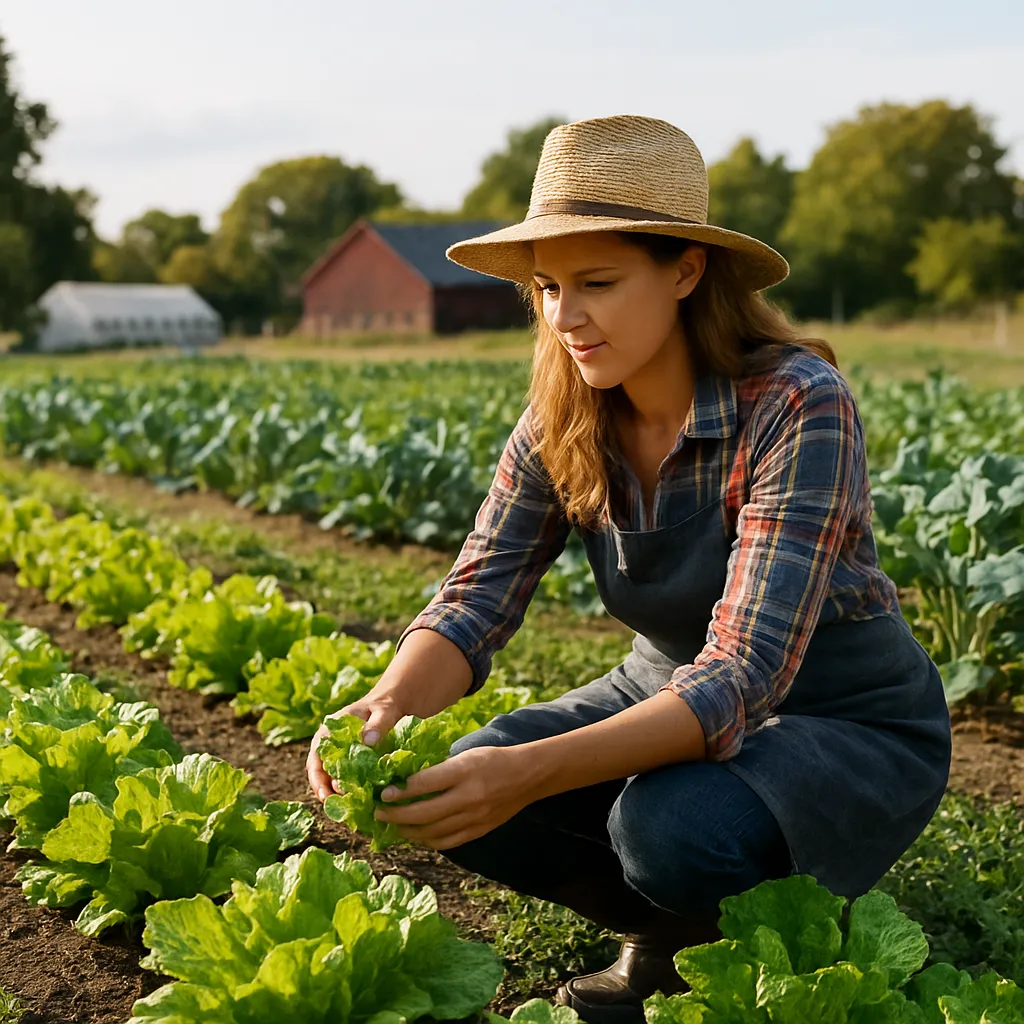
At the heart of sustainable agriculture lies the principle of working with natural ecosystems rather than against them. **Agroecological** practices focus on maximizing the ecological functions of farmland to capture and store atmospheric carbon dioxide. Through techniques such as crop rotation, intercropping, and reduced tillage, farms can become net carbon sinks rather than sources of pollution.
Cover Cropping and No-Till Systems
- Cover crops like clover, vetch, and rye protect soil from erosion, retain moisture, and fix atmospheric nitrogen, reducing the need for synthetic fertilizers.
- No-till or low-till methods preserve soil structure and microbial communities, increasing organic matter storage and cutting fuel use from heavy machinery.
Agroforestry and Silvopasture
- Integrating trees with crops and livestock provides shade, improves water retention, and creates habitat for beneficial insects and birds.
- Deep-rooted species, such as poplar or acacia, pump carbon deep into the soil, while fruit and nut trees offer additional income streams for farmers.
Implementing these strategies on a global scale could sequester upwards of 10 gigatons of CO2 annually, equivalent to removing hundreds of millions of cars from the road. More importantly, healthy soil enhances farmers’ ability to adapt to weather extremes—an essential component of climate **adaptation**.
Innovative Technologies and Precision Farming
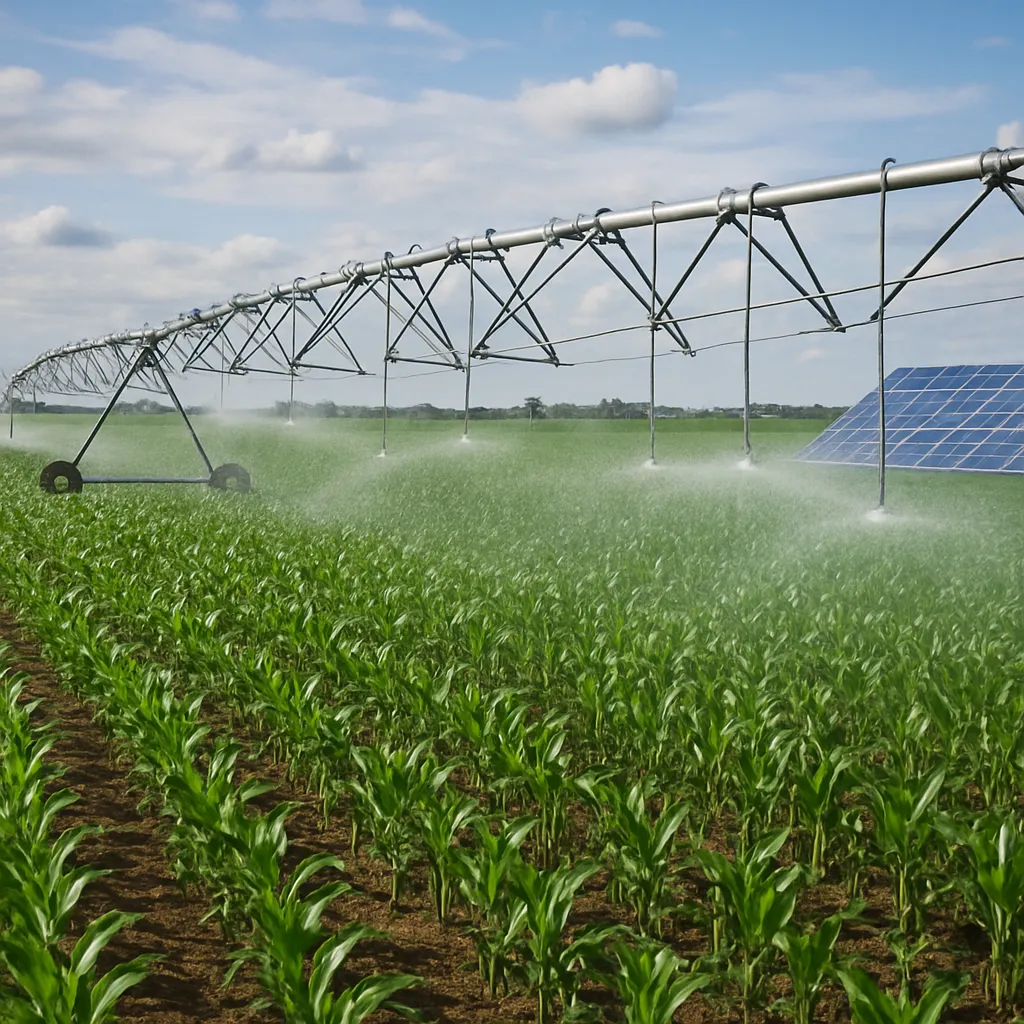
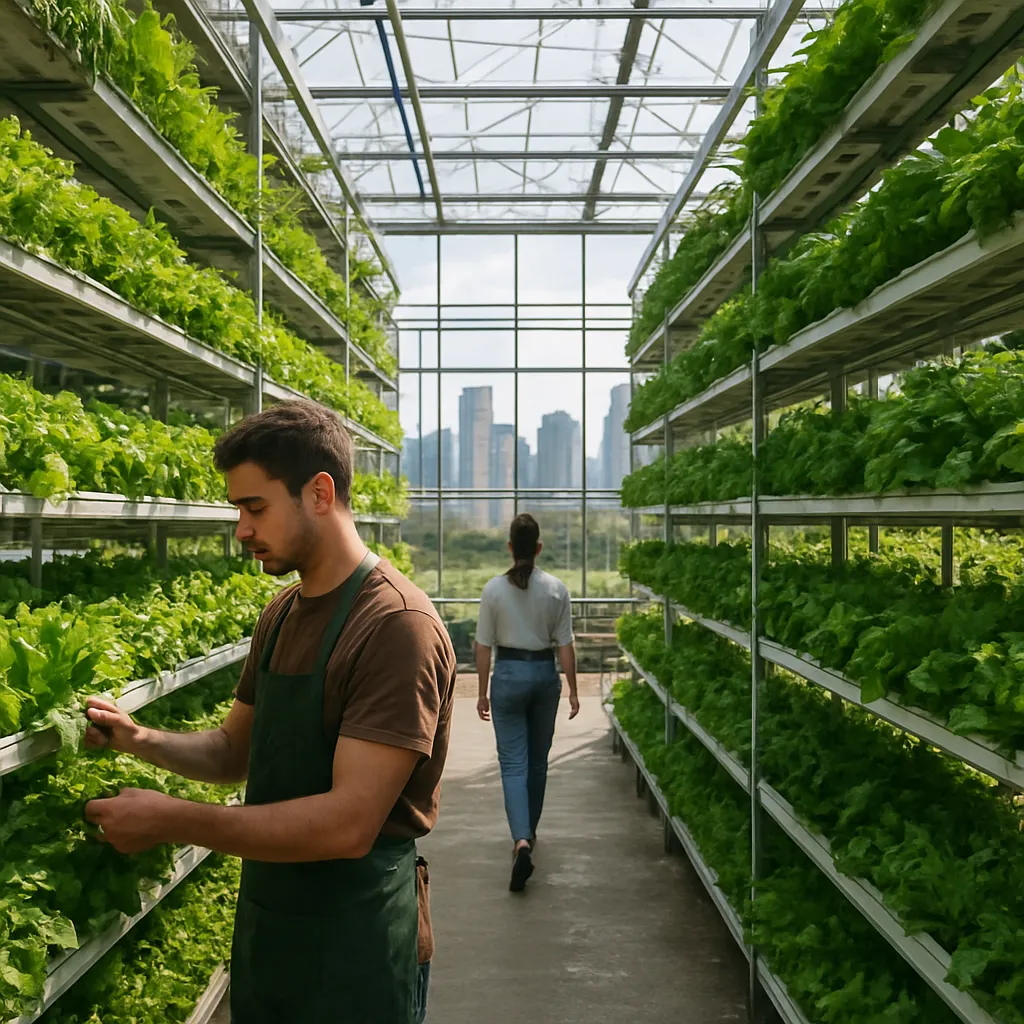
As farms grow larger and more complex, digital tools play an ever-greater role in optimizing resource use and reducing waste. Precision agriculture harnesses remote sensing, drones, soil sensors, and AI-driven analytics to tailor inputs—water, fertilizers, and pesticides—to the exact needs of each field, minimizing environmental impact.
Satellite Monitoring and IoT Sensors
- High-resolution satellite imagery detects nutrient deficiencies and pest outbreaks before they spread, allowing early intervention with minimal chemical usage.
- Soil moisture and temperature probes connected via the Internet of Things (IoT) help schedule irrigation events precisely, conserving water and energy.
Data-Driven Decision Making
- Machine learning models analyze historical yields, weather patterns, and soil composition to increase **efficiency** and reduce uncertainty in planting schedules.
- Automated equipment, such as self-guided tractors and drone sprayers, applies treatments only where needed, reducing fuel combustion and chemical runoff.
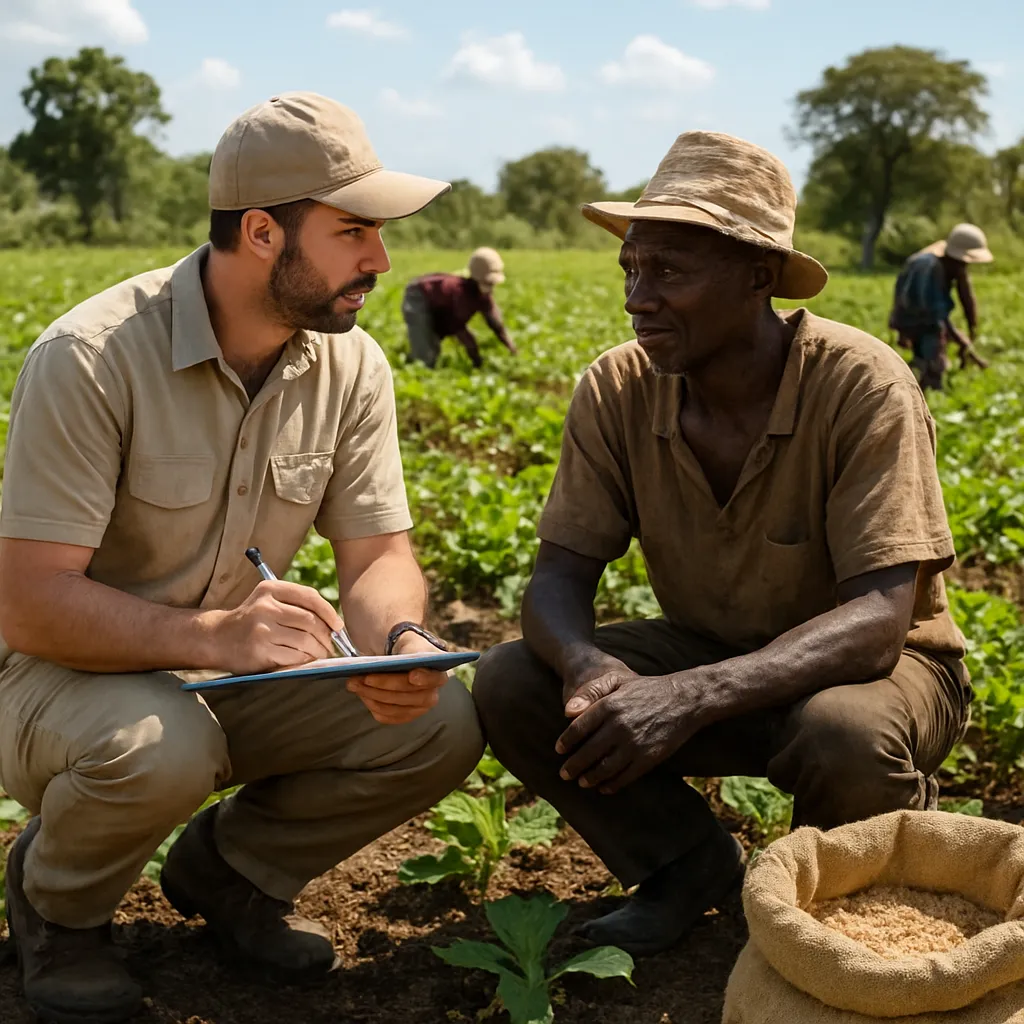
These **innovations** not only lower carbon footprints but also improve yields and cut costs. In countries like Brazil and Australia, farmers using precision systems report up to 20% yield boosts and 30% fewer inputs. As adoption spreads to smallholder farms in Africa and Asia, local communities can enjoy better incomes, healthier diets, and enhanced resilience to climate shocks.
Social and Economic Impacts of Sustainable Farming
Sustainable agriculture extends beyond environmental stewardship; it reshapes local economies and social structures. By encouraging diversified cropping systems and fair trade networks, world farms can create **inclusive** value chains that reward small producers and protect rural livelihoods.
Community Supported Agriculture and Cooperatives
- Community Supported Agriculture (CSA) programs enable consumers to invest directly in local farms, sharing both risks and rewards and fostering a stronger connection between producer and consumer.
- Cooperatives pool resources, technical expertise, and market access, giving smallholders greater negotiating power and stability in volatile markets.
Gender Equity and Labor Rights
- Empowering women farmers through training programs and microfinance ensures that half the world’s agricultural workforce has the tools and resources to succeed.
- Fair labor standards, including safe working conditions and living wages, reduce exploitation and promote social **justice** on global farms.
When farms invest in social capital—education, health, and equitable labor practices—communities thrive. Farmers are more likely to adopt **sustainable** methods when they see tangible benefits, from improved school attendance to higher household incomes. This virtuous cycle drives long-term ecological and economic **resilience**.
Global Collaboration and Policy Frameworks
No single country or sector can tackle climate change alone. International cooperation, supported by sound policies and financial incentives, is crucial for scaling up sustainable agriculture. Governments, NGOs, and private investors must align around clear targets and funding mechanisms that reward **regeneration** rather than depletion.
Carbon Markets and Payment for Ecosystem Services
- Carbon credit schemes compensate farmers for practices that sequester carbon, making sustainable techniques financially attractive.
- Payment for Ecosystem Services (PES) programs reimburse land stewards for preserving biodiversity, maintaining water quality, and protecting watersheds.
Research, Extension, and Capacity Building
- Investing in agricultural research institutions accelerates the development of climate-smart crops and practices tailored to local conditions.
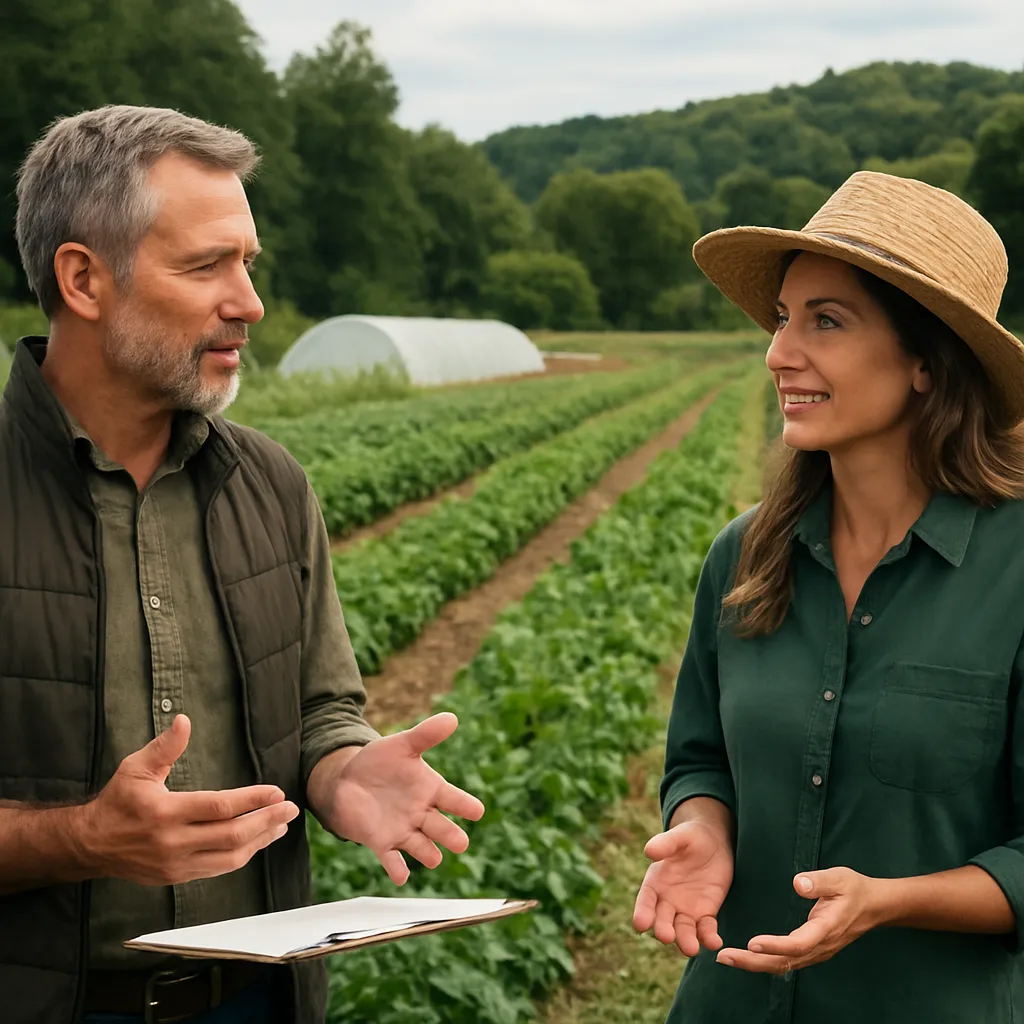
- Extension services and farmer-to-farmer networks spread knowledge and best practices, ensuring small-scale producers can participate in the green transition.
By integrating sustainable agriculture into national climate commitments and development agendas, stakeholders can unlock trillions of dollars in co-benefits. Strong policy frameworks will encourage **innovation**, ensure transparency, and foster global **collaboration** to meet the Paris Agreement goals while safeguarding the planet for future generations.