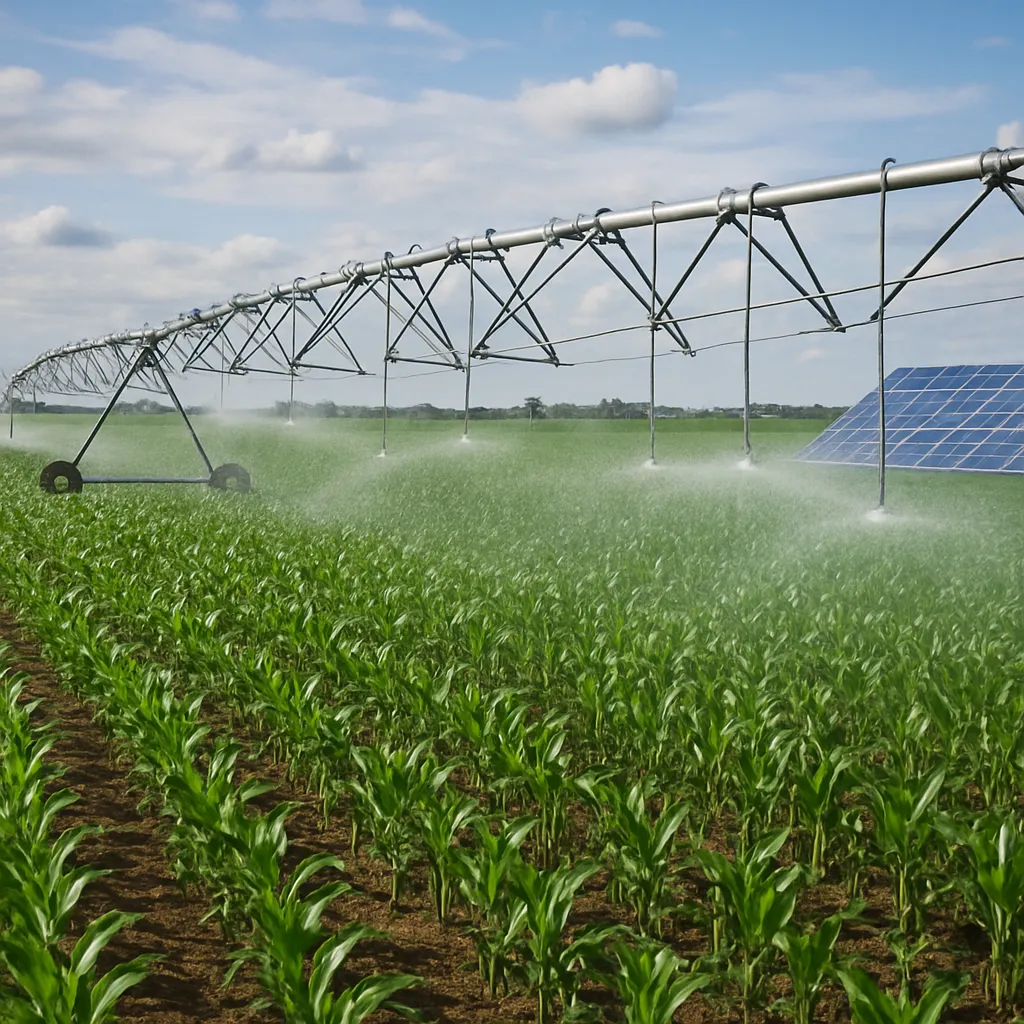
Across vast plains and rolling fields, modern farms are embracing innovative water management solutions that balance crop needs with environmental stewardship. By adopting smart irrigation systems, agricultural enterprises worldwide are reducing waste, boosting yields, and safeguarding precious resources. This article explores how these advanced technologies are transforming world farms, driving both ecological responsibility and economic growth.
The Rise of Precision Farming and Water Management
As global populations surge, the demand for food intensifies. Farmers are under mounting pressure to produce more while minimizing environmental impact. Enter precision farming: a methodology centered on delivering the right amount of water, nutrients, and care at exactly the right time. Unlike traditional methods that rely on fixed schedules or manual observation, precision cultivation harnesses real-time data to guide irrigation decisions.
In regions prone to drought or irregular rainfall, overwatering can lead to soil erosion, nutrient leaching, and increased greenhouse gas emissions. Conversely, under-watering stresses crops, reduces yields, and jeopardizes farmers’ livelihoods. By integrating weather forecasts, soil moisture readings, and crop-specific models, precision farming paves the way for targeted interventions, ensuring water conservation without sacrificing quality or quantity of harvests.
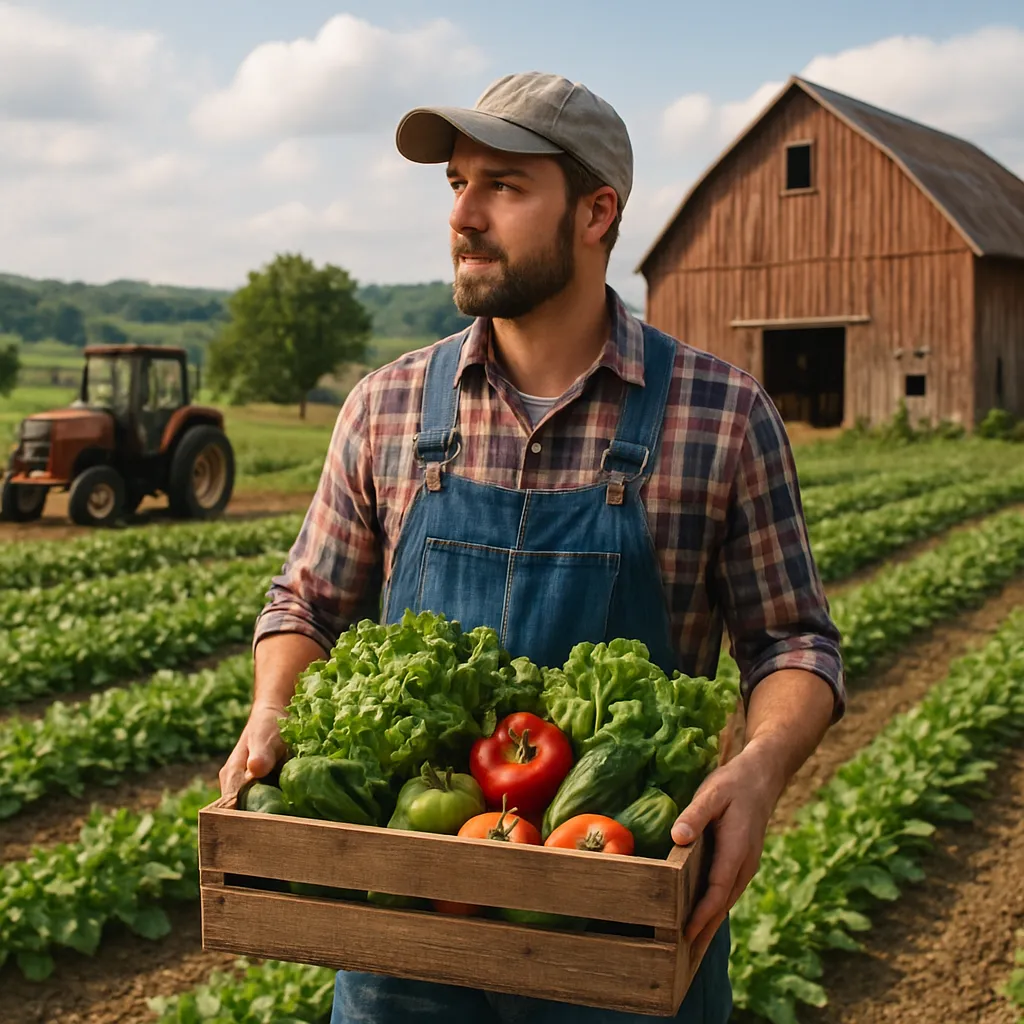
The shift toward precision practices has been accelerated by government incentives, sustainability certifications, and consumer demand for ethically produced goods. Organic and fair-trade labels often require demonstrable resource efficiency measures, making smart irrigation an indispensable component of modern farm management strategies.
Technological Components of Smart Irrigation Systems
Smart irrigation is not a single device but a network of interconnected tools that communicate seamlessly. Key elements include:
- Sensors: Soil moisture probes, leaf wetness detectors, and temperature gauges provide continuous feedback on field conditions.
- Data analytics: Advanced algorithms process sensor outputs, weather forecasts, and historical yield data to recommend precise watering schedules.
- Automated valves and pumps: These actuators receive signals from central controllers, adjusting flow rates and irrigation durations without manual intervention.
- Remote monitoring platforms: Accessible via smartphones or web dashboards, these interfaces offer real-time visibility into irrigation performance, alerting managers to leaks, clogs, or equipment failures.
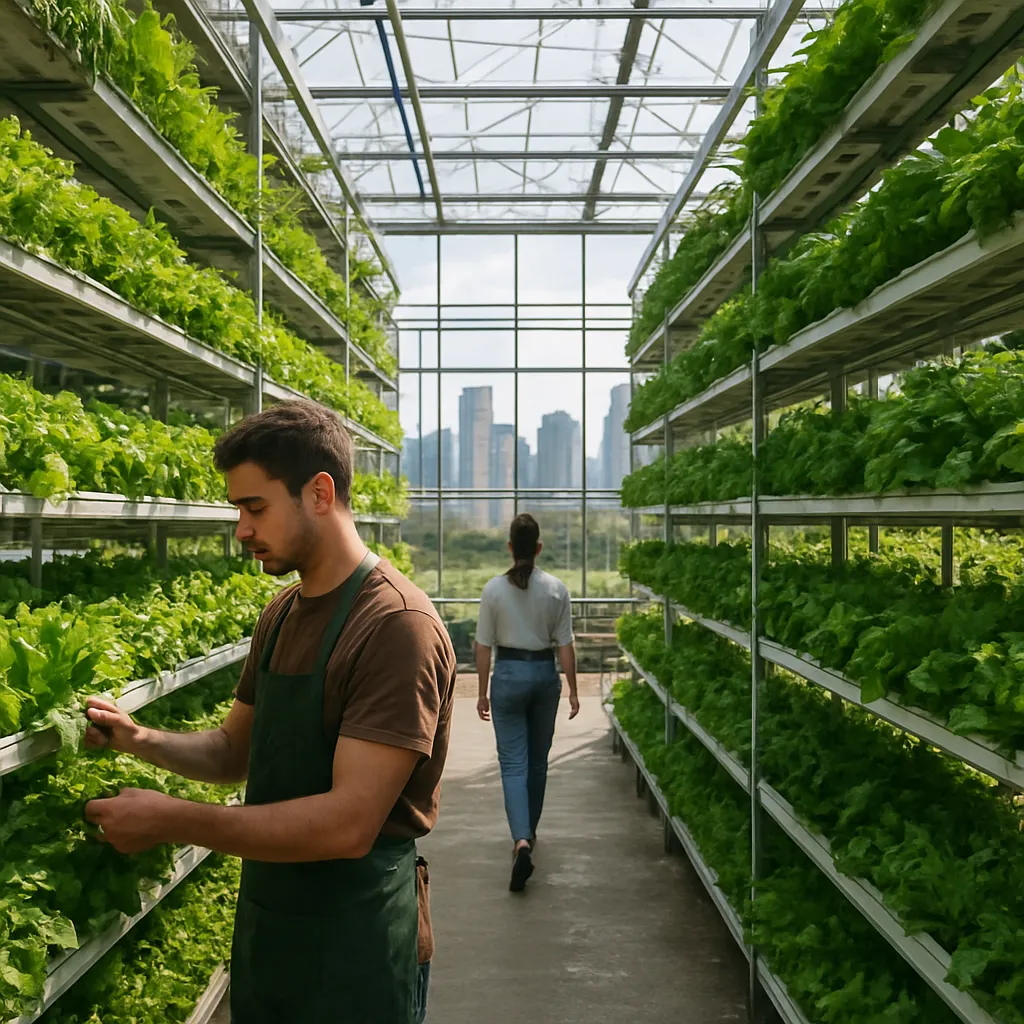
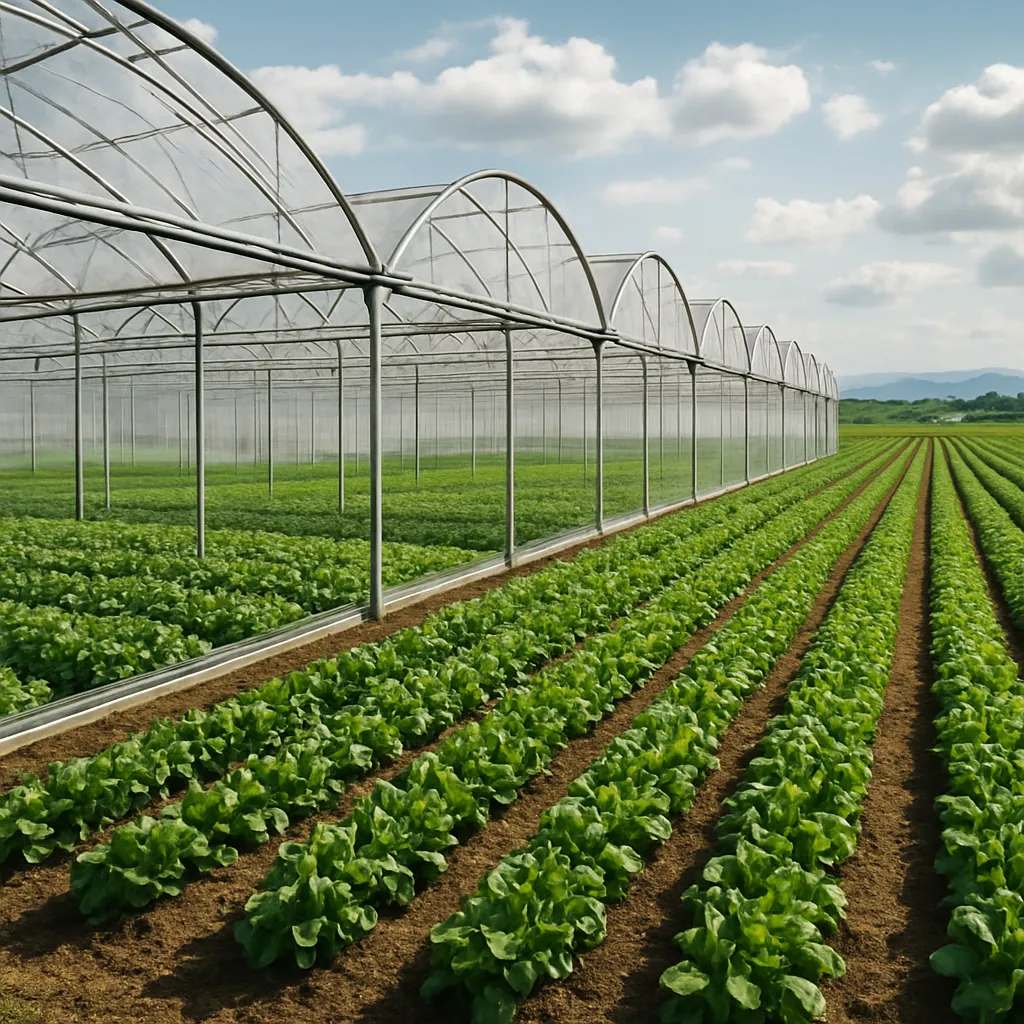
By uniting these components under cloud-based architectures, farms can scale solutions from a single green house to thousands of hectares. Machine learning models continually refine irrigation protocols as they ingest new data, leading to incremental improvements in efficiency and reliability.
Certain systems even incorporate satellite imagery and drone-mounted sensors, detecting subtle moisture variations across entire landscapes. This granular insight helps agronomists identify under-irrigated zones or potential over-saturation hotspots, optimizing resource allocation down to the square meter.
Environmental and Economic Benefits
When deployed thoughtfully, smart irrigation delivers a powerful combination of ecological gains and financial returns. Among the most significant advantages are:
- Reduced water usage: Studies show that precision systems can cut water consumption by up to 40%, conserving aquifers and river flows.
- Enhanced yield quality: By avoiding water stress, crops develop more uniform fruits and grains, commanding premium market prices.
- Lower energy costs: Pumping and distribution require less fuel or electricity when irrigation schedules align perfectly with atmospheric demand.
- Minimized nutrient runoff: Controlled dosing prevents fertilizers from washing into local waterways, preserving aquatic ecosystems.
- Extended equipment lifespan: Automated diagnostics detect wear and tear early, reducing downtime and maintenance expenses.
On a macro scale, national agricultural sectors benefit from improved food security and resilience to climate variability. Regions vulnerable to recurring drought cycles can stabilize output, while farmers gain autonomy over resource planning. Insurance providers also recognize the risk-mitigation value of these systems, often offering lower premiums for insured operations that demonstrate robust water management protocols.
Moreover, by championing sustainable practices, farms strengthen their brand reputations. Retailers and consumers increasingly trace product origins, rewarding companies that invest in long-term environmental health.
Drought-Resistant Crops and Advanced Scheduling
Smart irrigation complements the cultivation of drought-resistant and climate-adaptive crop varieties. Breeders select strains with deep root structures and improved water-use efficiency, while growers use sensor-based triggers to initiate precise watering at critical growth stages. For instance, automated schedules might deliver a gentle pulse of moisture during flowering, optimizing pollination without overwhelming the root zone.
Advanced scheduling algorithms factor in evapotranspiration rates, solar radiation, and wind speed to calculate daily water requirements. This dynamic approach contrasts sharply with static timetables of the past, which could not account for sudden temperature spikes or unexpected rain showers. As a result, farms maintain ideal moisture levels, nurturing healthier plants and curbing disease pressures associated with overly wet canopies.
Challenges and Pathways Forward
Despite clear advantages, the adoption of smart irrigation faces hurdles. Initial capital investments for sensors, controllers, and connectivity infrastructure can be prohibitive, particularly for smallholder farms. Furthermore, integrating disparate technologies from multiple vendors can create compatibility issues, leading to data silos and operational complexity.
Maintenance of advanced equipment demands technical skills that may be scarce in rural areas. Ensuring reliable power supply and internet connectivity also remains a concern in remote agricultural zones. Additionally, data security and privacy safeguards are essential to prevent unauthorized access or manipulation of critical farm systems.
To overcome these barriers, public-private partnerships are vital. Governments can extend low-interest loans or direct subsidies to farmers, while technology providers can offer modular solutions with intuitive interfaces. Training programs—coordinated by agricultural universities and extension services—equip growers with the necessary competencies to manage and troubleshoot smart irrigation networks.
Future Prospects in sustainability and Innovation
The trajectory of smart irrigation is intertwined with broader trends in agtech and environmental management. Emerging concepts include:
- Integration with renewable energy: Solar-powered pumps and valves reduce carbon footprints, aligning water management with clean-power initiatives.
- Edge computing: On-site data processing minimizes latency and dependence on cloud connectivity, enhancing resilience in areas with intermittent broadband.
- Intercropping and polyculture compatibility: Intelligent systems adapt watering regimes to mixed-crop plots, supporting biodiversity and soil health.
- Blockchain-enabled traceability: Immutable records of irrigation events bolster consumer trust and enable transparent supply chain audits.
As farmers continue to embrace digital transformation, smart irrigation will play an increasingly central role in securing global food supplies. By prioritizing resource allocation, optimizing water distribution, and fostering agricultural productivity, these solutions exemplify the synergy between technology and ecology. The farms of tomorrow will not only feed the world—they will do so with unparalleled respect for our planet’s most vital resource: water.