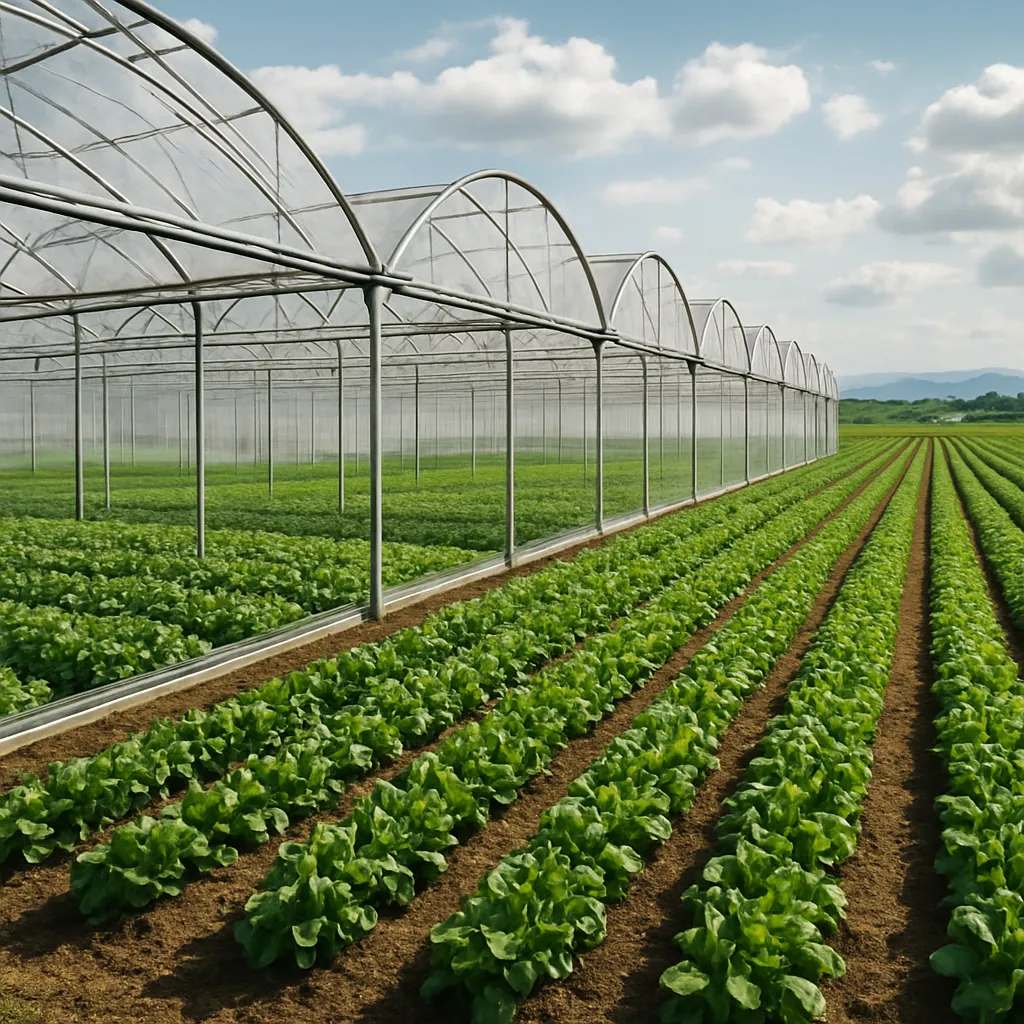
Global agriculture is undergoing a profound transformation as farmers embrace cutting-edge methods to tackle waste and promote sustainability. By integrating advanced technologies and innovative strategies, modern farms are redefining productivity, conserving resources, and safeguarding the planet for future generations. Below, we explore key approaches driving this revolution across world farms.
Precision Agriculture and IoT-Driven Monitoring
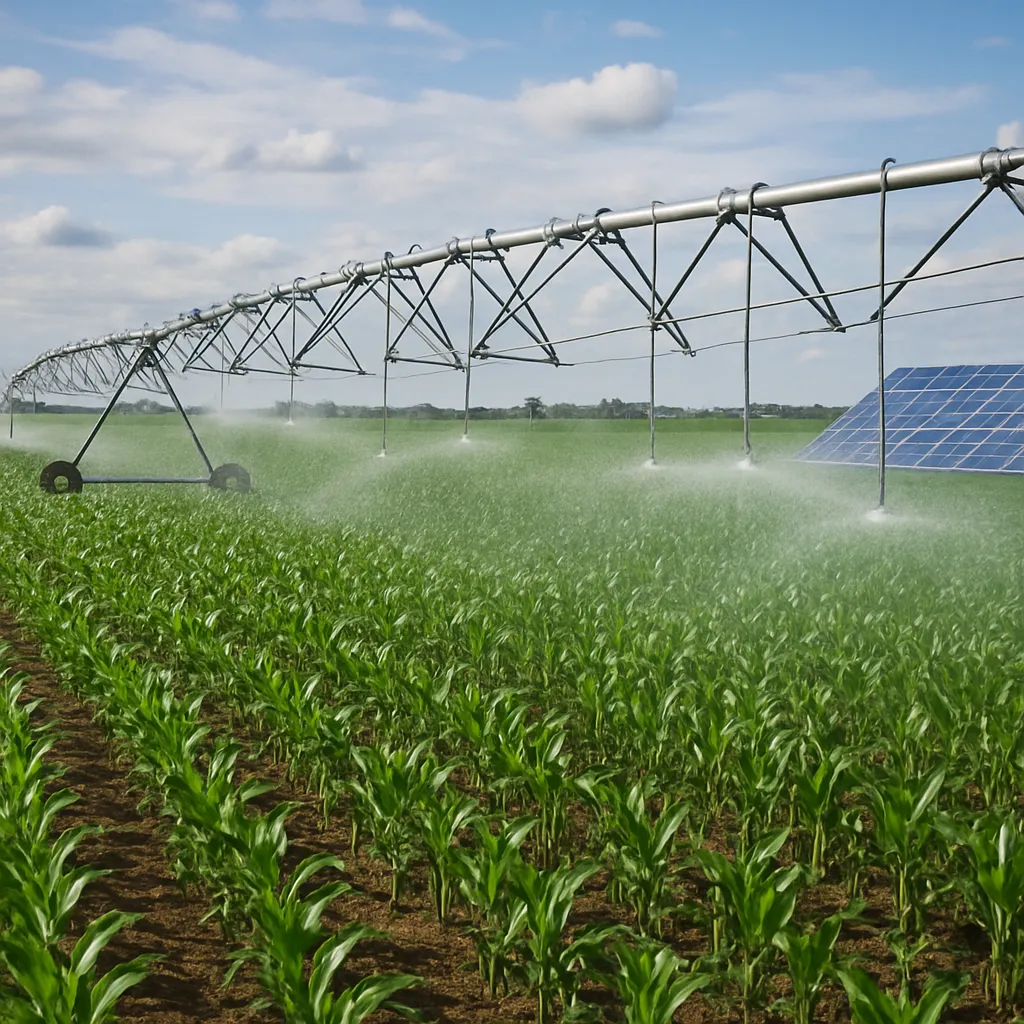
One of the most impactful trends in contemporary farming is precision agriculture, which relies on a network of IoT sensors, GPS mapping, and satellite imagery. These tools enable real-time insights into field conditions, allowing growers to tailor inputs with pinpoint accuracy.
- Soil Moisture Tracking: Embedded moisture probes measure water content at various depths, preventing over-irrigation and minimizing runoff.
- Nutrient Management: Sensors detect nutrient deficiencies in specific zones, guiding targeted fertilizer application and reducing chemical waste.
- Weather Forecast Integration: Automated systems sync with meteorological data, adjusting irrigation schedules to conserve water during rainfall events.
Implementing these solutions enhances resource efficiency by applying only the necessary amounts of water, nutrients, and pesticides. As a result, farms achieve higher crop yield per hectare while limiting environmental impact.
Key Benefits of Smart Monitoring
- Cost Savings: Reduced input expenses by avoiding blanket treatment of entire fields.
- Environmental Protection: Lower chemical leaching and reduced greenhouse gas emissions.
- Yield Optimization: Data-driven decisions boost overall productivity and quality.
Automation and Robotic Interventions
The advent of agricultural robots and autonomous machinery is revolutionizing labor-intensive tasks, from planting to harvesting. Equipped with machine vision and adaptive algorithms, these machines deliver consistent performance and operate around the clock.
- Automated Seeders: Precisely place seeds at optimal depth and spacing, ensuring uniform germination.
- Weed-Removal Robots: Identify and uproot weeds mechanically, eliminating the need for broad-spectrum herbicides.
- Harvesting Drones and Machines: Utilize drone technology and robotic arms equipped with sensors to pick fruits and vegetables gently, reducing wastage due to bruising.
With automation taking over repetitive chores, farm managers can allocate human talent to higher-level oversight and innovation. This shift not only alleviates labor shortages but also enhances safety by minimizing exposure to hazardous environments.
Enhancing Operational Efficiency
- Precision Tasks: Robotic systems perform micron-level adjustments, improving planting depth and crop spacing.
- Minimal Downtime: Autonomous machines work continuously, shortening harvest windows and reducing spoilage.
- Scalability: Modular robots adapt to farms of varying sizes, from boutique organic fields to large-scale grain operations.
Data Analytics for Waste Reduction
Data has become the lifeblood of modern agriculture, powering predictive models that forecast yields, detect diseases, and optimize logistics. The convergence of big data platforms and AI-driven data analytics empowers farmers to make informed decisions at every stage of the crop cycle.
- Yield Prediction Models: Analyze historical and real-time data to estimate harvest volumes, reducing storage overruns and market gluts.
- Supply Chain Optimization: Streamline distribution routes, cutting down on transit times and post-harvest losses.
- Disease and Pest Alert Systems: Machine learning algorithms identify early signs of infestation, enabling rapid intervention and minimizing chemical usage.
By leveraging these insights, agribusinesses can fine-tune production levels, aligning output with demand and preventing wasteful surpluses. Real-time dashboards and mobile apps ensure that stakeholders—from farmhands to distributors—stay connected and responsive.
Cost and Environmental Impact
- Inventory Control: Precise forecasting prevents stockpiling and spoilage in storage facilities.
- Reduced Carbon Footprint: Efficient routing and dispatch lower fuel consumption in transport.
- Improved Traceability: Transparent data trails support sustainable certification and consumer trust.
Renewable Practices and Environmental Impact
Smart farms are increasingly integrating renewable energy sources and regenerative techniques to enhance long-term soil health and biodiversity. Solar arrays, wind turbines, and biomass systems provide clean power for irrigation pumps, processing lines, and cold storage units.
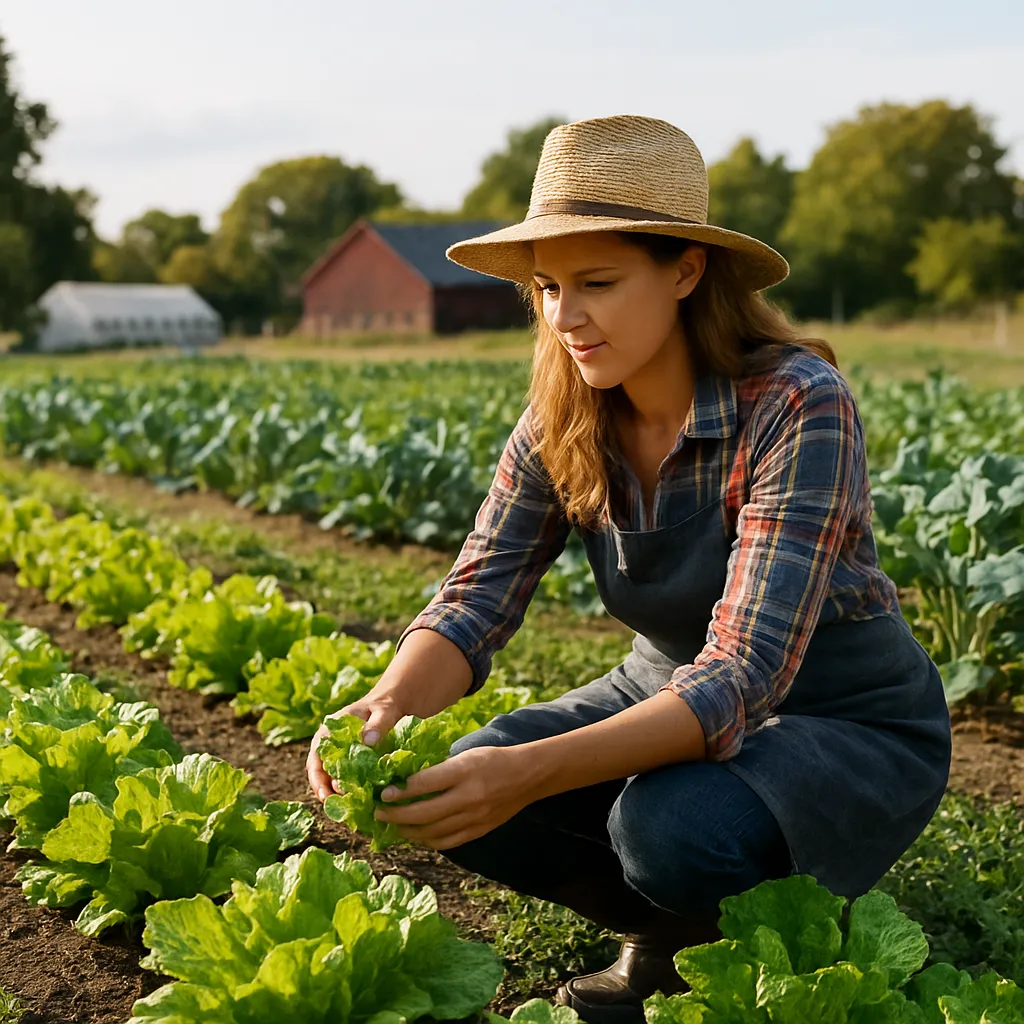
- Cover Cropping: Planting legumes and grasses between main crops to fix nitrogen, suppress weeds, and prevent erosion.
- Agroforestry Systems: Combining trees with crops or livestock to create multi-layered ecosystems that sequester carbon and support wildlife.
- Water Recycling: Capturing runoff and treating greywater for reuse in irrigation, dramatically cutting freshwater consumption.
These practices not only reduce waste but also foster resilient ecosystems capable of withstanding climatic fluctuations. Emphasizing holistic land management, farmers contribute to global climate goals and uphold ethical stewardship of natural resources.
Long-Term Benefits for World Farms
- Biodiversity Enhancement: Diverse crop rotations and tree cover attract beneficial insects and pollinators.
- Carbon Sequestration: Healthy soils store more carbon, mitigating greenhouse gas accumulation.
- Community Engagement: Sustainable farms often partner with local communities, providing education and economic opportunities.