Small-scale farmers across the globe play a pivotal role in safeguarding the planet’s food supplies and rural livelihoods. Their methods, knowledge systems, and adaptive strategies contribute significantly to the stability and growth of agricultural landscapes. This article delves into the multifaceted impact of these farmers on global food security, examining environmental innovation, local economies, and policy support aimed at elevating their contributions.
Global Importance of Smallholder Farms
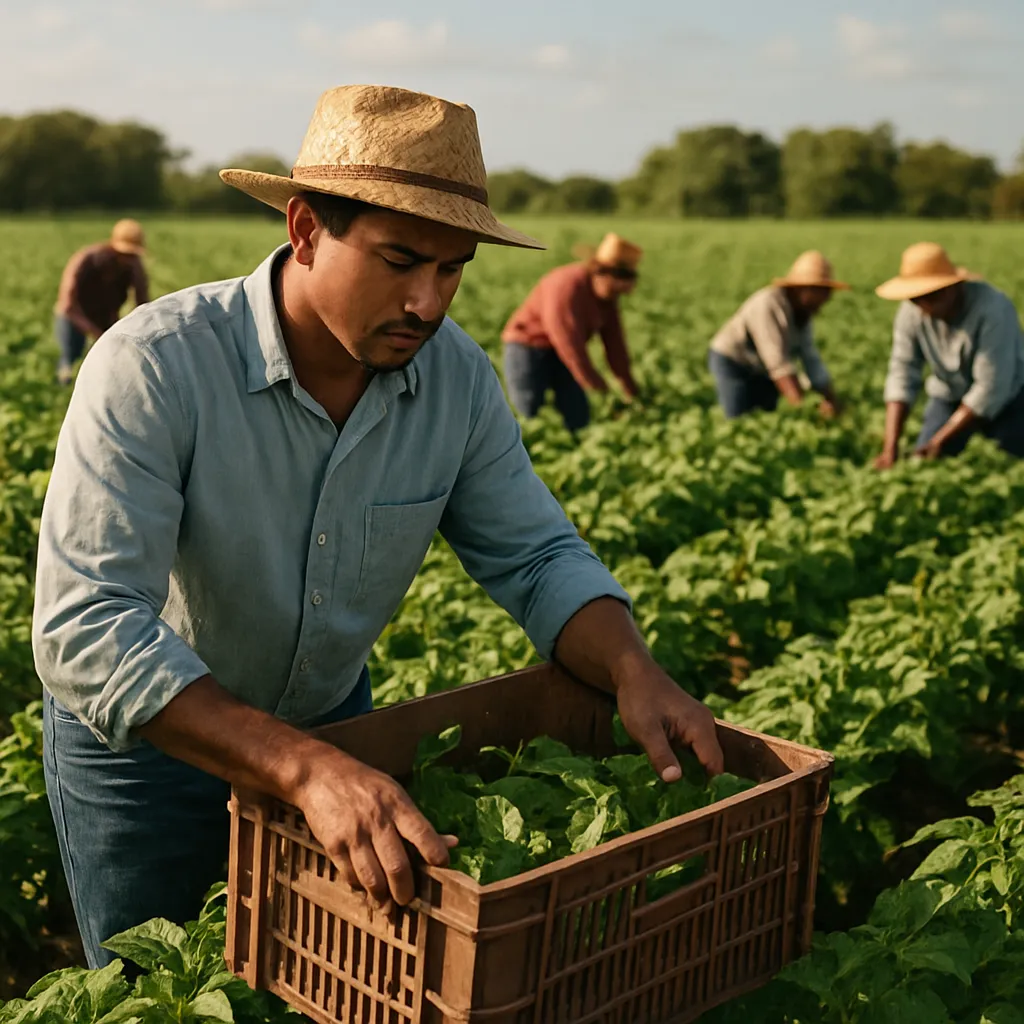
Smallholder farms, often defined as agricultural operations spanning less than two hectares, account for nearly half of the world’s food production in many regions. Despite limited resources, these farmers cultivate diverse crops that enhance local diets and bolster food security. In Sub-Saharan Africa, East Asia, and parts of Latin America, their efforts feed millions, bridging gaps left by large-scale agribusinesses.
In remote or marginal areas where infrastructure is sparse, the presence of smallholder households prevents rural depopulation. Their stewardship maintains landscapes, conserves water resources, and upholds biodiversity. By integrating staple grains, legumes, vegetables, fruits, and sometimes livestock, these farmers establish resilient agroecosystems. This diversity reduces vulnerability to pests, diseases, and extreme weather, underpinning global risk management.
Key benefits of smallholder farming include:
- Enhanced dietary diversity through intercropping and mixed farming.
- Microeconomic stability via local market participation.
- Preservation of indigenous seeds and cropping methods.
- Strengthened social networks and cultural heritage.
Their contributions extend to urban markets: peri-urban smallholders supply fresh produce to millions of city dwellers, fostering shorter supply chains and reducing post-harvest losses. Ultimately, their cumulative output is a linchpin in achieving world hunger reduction targets and promoting long-term resilience against shocks.
Sustainable Practices and Innovations
Innovation sprouting from small-scale farms often emerges from necessity. Limited access to mechanization and fertilizers pushes farmers to invent resource-efficient strategies. Agroecological principles guide many of these approaches, emphasizing ecological balance, soil health, and minimal external inputs.
Agroforestry and Soil Conservation
By interspersing trees with crops, smallholders boost soil fertility through nitrogen fixation, reduce erosion, and create microclimates that buffer temperature extremes. Many plant nitrogen-fixing species such as pigeon pea, fava bean, or local legumes among cereals, improving long-term productivity without heavy reliance on synthetic fertilizers.
Water Management and Rainwater Harvesting
In arid and semi-arid regions, traditional water-harvesting technologies like zais, terracing, and contour bunds conserve moisture. These practices empower farmers to cultivate during dry spells, building adaptation to shifting rainfall patterns. Small reservoirs and micro-dams, coupled with drip irrigation, optimize scarce water resources and sustain yields.
Digital Tools and Knowledge Sharing
Mobile technology and community radio enable rapid exchange of climate forecasts, pest alerts, and market information. Farmer cooperatives adopt open-source platforms to track seed varieties’ performance, share best practices, and negotiate fair prices. These digital solutions strengthen farmer networks and drive collective innovation.
Across Southeast Asia, initiatives showcase how integrated rice–fish cultivation improves nutrition and income. In Central America, permagardens—small, intensively managed plots—supply families with vital micronutrients year-round, enhancing household nutrition without significant land expansion.
Support Mechanisms and Policy Frameworks
For smallholder farms to thrive and scale their positive effects, enabling environments are essential. Public and private stakeholders collaborate on financial, technical, and legislative measures tailored to the unique challenges faced by small producers.
Access to Finance and Insurance
Microcredit schemes and innovative insurance products protect farmers from climatic shocks. Weather-index insurance, for instance, disburses payments based on rainfall data, cushioning losses due to drought or excessive rainfall. These instruments underpin financial resilience and encourage investment in improved inputs.
Extension Services and Capacity Building
Government and NGO-led extension programs disseminate knowledge on sustainable pest management, post-harvest handling, and value-addition techniques. Farmer field schools provide hands-on training, fostering peer-to-peer learning. As a result, adoption rates of eco-friendly practices increase, advancing broader sustainability goals.
Market Linkages and Fair Trade
Creating transparent supply chains is critical. Certification schemes and market hubs connect smallholders directly with buyers, reducing middleman margins and ensuring equitable shares of consumer payments. This model bolsters rural incomes and encourages ongoing investment in soil care, seeds, and equipment.
Donor partnerships and local governments have also launched input voucher systems, enabling small-scale farmers to procure quality seeds or affordable fertilizers. Meanwhile, land tenure reforms in some regions grant secure property rights, empowering communities to invest confidently in long-term improvements. Such policy frameworks reinforce empowerment and equitable development.