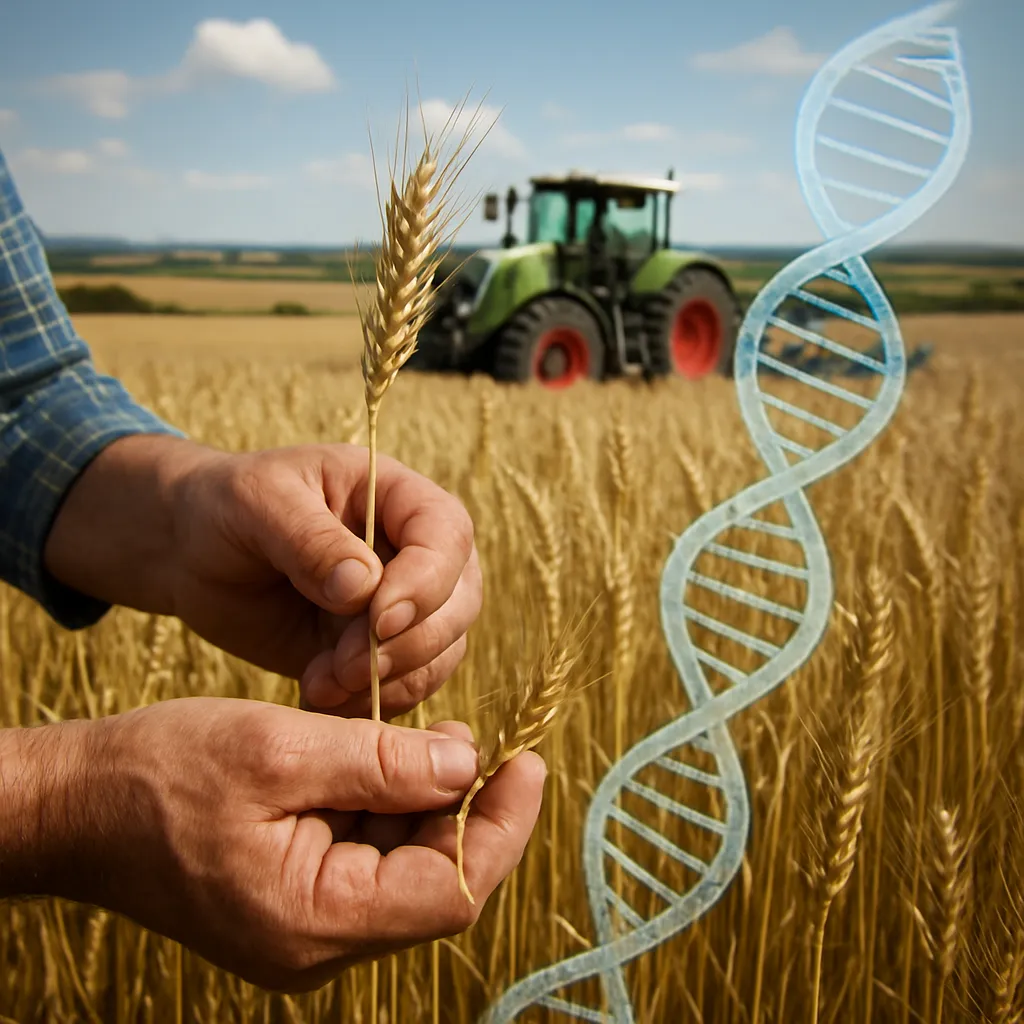
Precision agriculture has emerged as a transformative force across global farming landscapes, enabling producers to optimize inputs, enhance yields, and reduce environmental footprints. By leveraging advanced technologies, farmers can apply agrochemicals precisely where and when they are needed, significantly lowering the volume of pesticides released into the environment. This article explores how digital mapping, sensor networks, variable rate technologies, remote monitoring, and data analytics are reshaping pest management practices on farms of all scales.
Digital Mapping and On-Demand Sensing
High-resolution field maps form the bedrock of modern crop management. Farmers employ drones, satellite imagery, and ground-based sensors to capture spatial variability in soil conditions, moisture levels, and pest hotspots. Such granular data enables the following benefits:
- Targeted applications: Zones requiring treatment are identified with centimeter-level accuracy, avoiding blanket spraying.
- Early detection: Disease outbreaks and insect infestations are spotted sooner, allowing for localized interventions.
- Resource conservation: Water and agrochemicals are allocated based on real-time field conditions, boosting overall sustainability.
For instance, soil moisture sensors linked to GPS can trigger spot irrigation and pesticide deployment only in drier, more vulnerable patches. This approach minimizes off-target drift and curbs the evolution of chemical resistance in pest populations.
Variable Rate Technology and Smart Sprayers
Variable Rate Technology (VRT) has revolutionized the efficiency of agricultural inputs. VRT equipment adjusts the volume and concentration of pesticides on-the-fly, according to pre-loaded prescription maps or live sensor feedback. Key advantages include:
- Economy of scale: Smaller farms gain access to precision dosing through autonomous sprayers and agricultural robotics.
- Labor savings: Automated nozzles and boom control reduce manual oversight and the risk of overapplication.
- Ecosystem protection: Buffer zones around waterways and field margins are respected automatically, safeguarding beneficial insects and pollinators.
Smart sprayers equipped with machine vision can differentiate crop rows from weeds, delivering herbicides only where unwanted plants grow. This data-driven approach conserves active ingredients and supports integrated pest management by keeping beneficial insect populations intact.
Remote Monitoring and Predictive Analytics
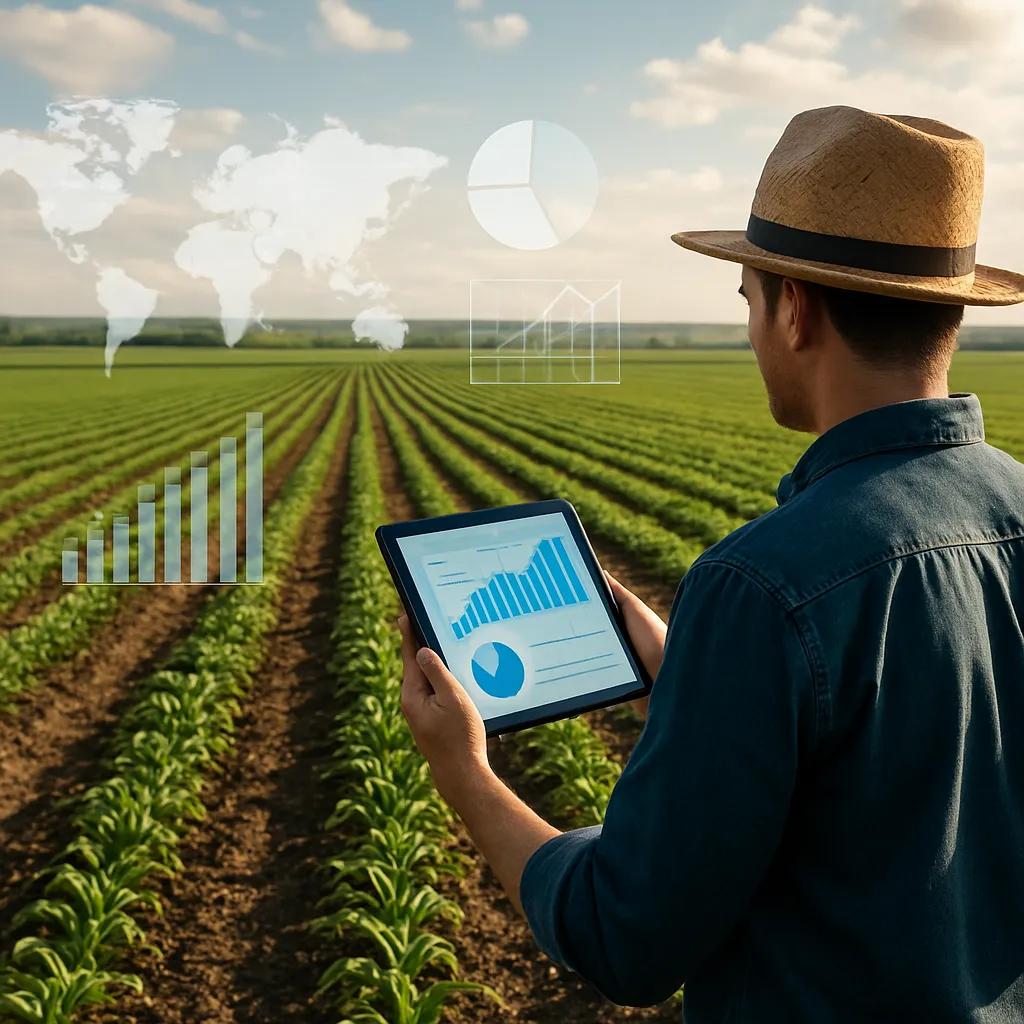
By integrating cloud platforms and artificial intelligence, farmers gain access to powerful analytic tools. Predictive models forecast pest emergence based on weather patterns, crop phenology, and historical infestation records. Benefits span across:
- Risk assessment: Growers receive alerts about potential threats before outbreaks occur, allowing for preventative measures.
- Decision support: Interactive dashboards synthesize complex data into actionable insights, improving strategic planning.
- Continuous improvement: Machine learning algorithms refine recommendations over time, enhancing efficiency and reducing unnecessary treatments.
For example, in rice paddies of Southeast Asia, radar-based weather forecasts combined with field scouting reports help determine the optimal timing for biopesticide releases. Such coordination between predictive analytics and on-ground execution has slashed chemical usage by over 30% in pilot regions.
Integrating Biological Controls and Crop Rotation
Precision agriculture does not replace traditional ecological methods; rather, it strengthens them. When digital tools guide the deployment of beneficial organisms—such as predatory insects, nematodes, and microbial agents—the need for synthetic pesticides further declines. Highlights include:
- Microbial inoculants: Soil health monitors inform the precise injection of fungi and bacteria that compete with pests.
- Cover crop mapping: Remote sensing tracks the growth of cover crops that suppress weed emergence and enhance natural predator habitats.
- Targeted releases: Drones disperse parasitic wasps over affected zones only, rather than blanket releases across an entire farm.
By intertwining innovation in both technology and ecological science, producers foster more resilient agroecosystems that resist pest pressure without relying solely on chemical interventions.
Global Case Studies and Adoption Trends
Adoption of precision methods varies by region, but the impact is clear:
- In North America, large-scale grain operations have cut fungicide costs by up to 40% through VRT combined with disease forecasting.
- European vineyards utilize multispectral imaging to detect mildew early, applying treatments to only 5–10% of the canopy instead of the entire block.
- Smallholder farms in Africa are piloting smartphone-based guides that recommend minimal pesticide doses based on local weather station data.
These success stories demonstrate how resilience and fiscal viability go hand in hand when farmers embrace precision agriculture. Even regions with limited infrastructure benefit from modular sensor kits and open-source analytics platforms.
Challenges and the Road Ahead
Despite its promise, precision agriculture faces hurdles:
- Data access: Connectivity gaps in rural areas hamper real-time information flows, delaying critical decisions.
- Capital investment: Advanced machinery and software subscriptions can be cost-prohibitive without subsidies or cooperative purchasing schemes.
- Technical literacy: Farmers may require training to interpret complex datasets and integrate them into daily operations.
Industry stakeholders are addressing these challenges by developing low-cost IoT sensors, offering training seminars, and partnering with government agencies for funding. Efforts to standardize data formats and foster open interoperability will further drive down costs and democratize access.
Conclusion: Cultivating a Sustainable Future
Through the strategic application of technology, global agriculture is shifting away from overreliance on broad-spectrum pesticides toward more nuanced, efficient, and environmentally conscious practices. Precision agriculture—underpinned by digital mapping, variable rate systems, predictive analytics, and biological controls—stands at the forefront of this transformation. By continuously refining these tools and making them accessible to farmers of all scales, the world can move toward a healthier, more sustainable food system.