The rise of alternative eating habits has prompted a profound evolution in agriculture, reshaping the methodologies and priorities of food production. As more consumers embrace plant-based lifestyles, farms worldwide are adapting to meet new demands. These transformations extend beyond mere crop choices, touching on soil management, resource allocation, and even policy frameworks. This article explores how the growing popularity of vegetable-centric nutrition is influencing practices on farms from North America and Europe to Asia, Africa, and Latin America.
Global Shifts in Crop Selection and Land Use
Farmers are increasingly reallocating acreage from traditional monocultures like wheat or corn to diverse plant-based commodities. This shift is driven by consumer interest in products such as legumes, nuts, and specialty grains. Companies have responded by investing in infrastructure for organic pulses, ancient cereals, and oilseed crops that support meat-free diets. In regions with legacy practices of livestock grazing, pastures are being converted into arable land to cultivate crops like chickpeas and soybeans.
- Expansion of chickpea and lentil cultivation in South Asia to supply vegan protein sources for export markets.
- Conversion of European dairy pastures to cultivate biodiversity-friendly flax and hemp.
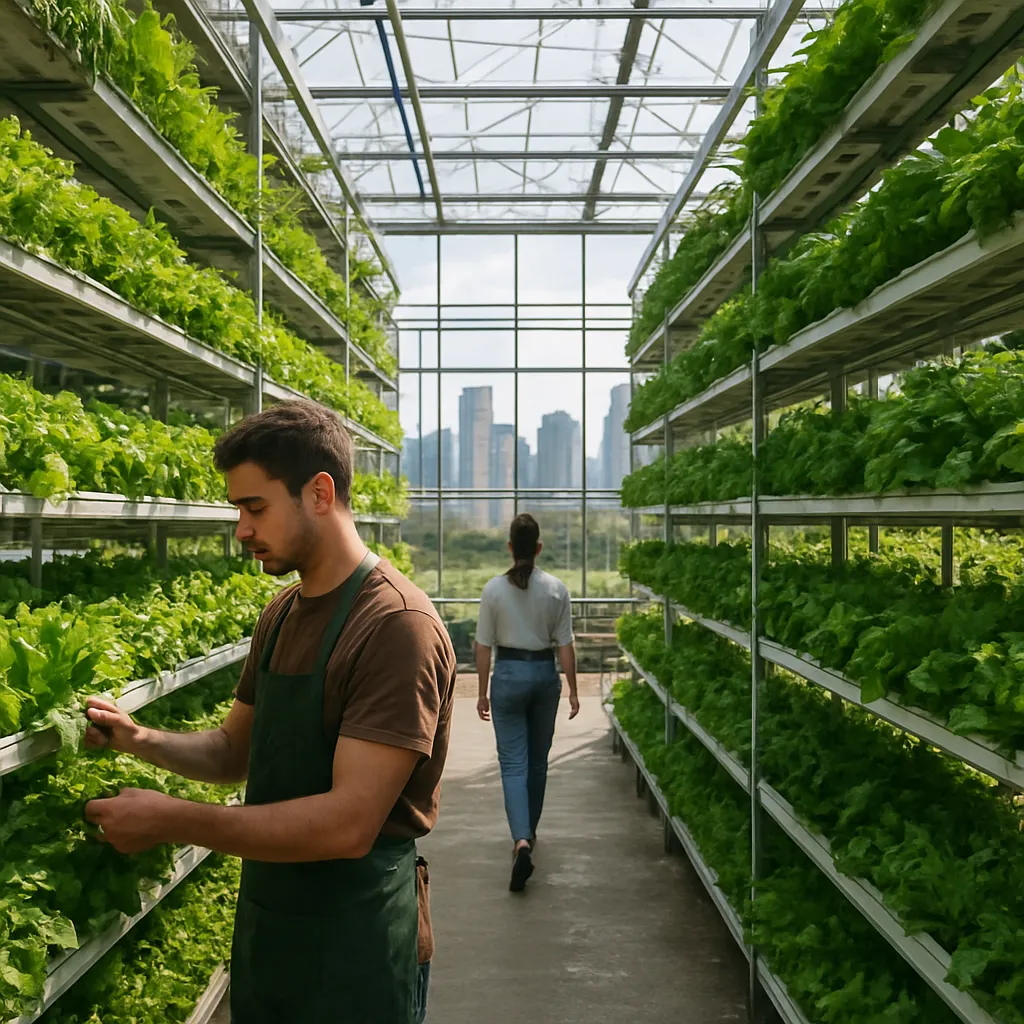
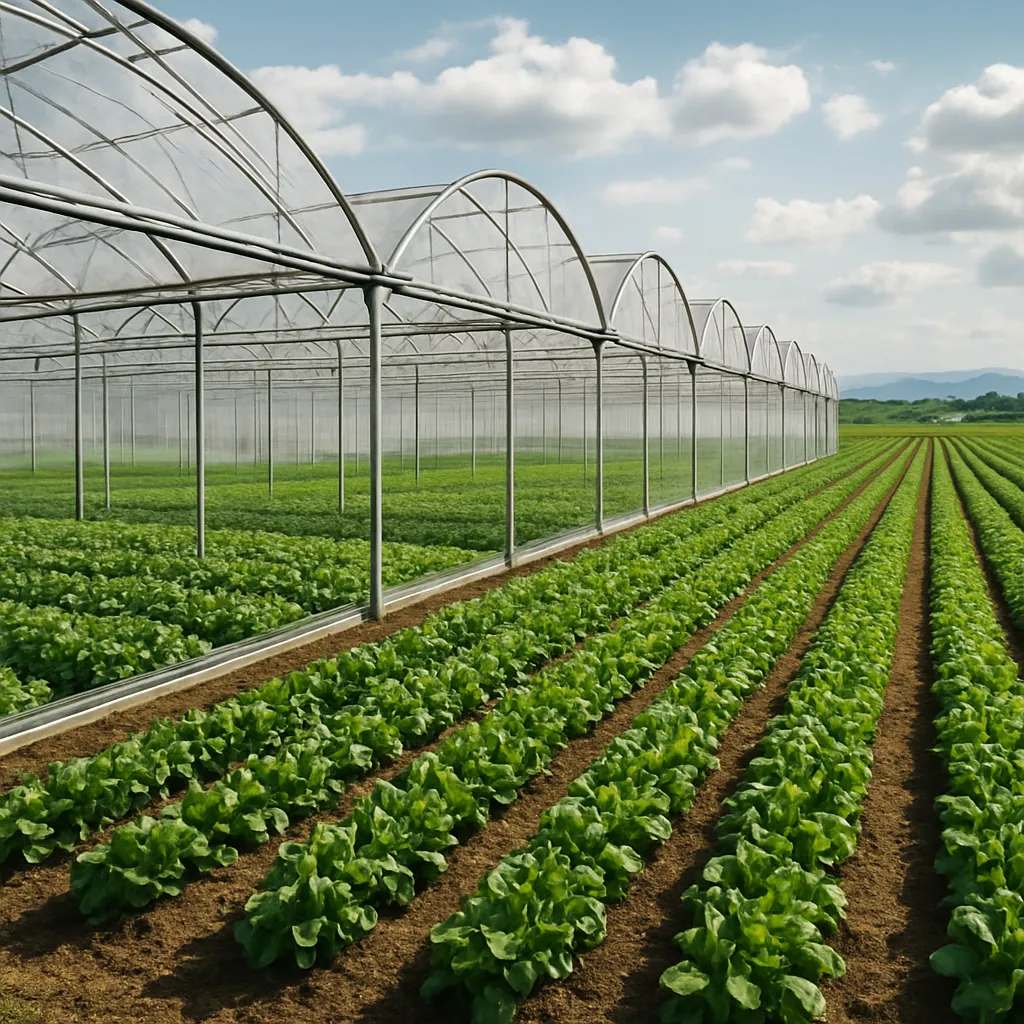
- Investment in vertical farming systems in urban centers to maximize water usage efficiency for leafy greens.
These land-use decisions have ripple effects on local ecosystems. In some areas, reduced grazing pressure allows native vegetation to recover, bolstering wildlife corridors. However, large-scale cropping can also threaten soil health if not managed with restorative practices.
Innovative Practices for Soil and Resource Management
To maintain long-term productivity, farmers adopting plant-centric rotations are integrating regenerative agriculture techniques. Cover cropping, no-till systems, and intercropping are gaining traction, helping to lock carbon in the ground and improve nutrients cycling. These methods foster a resilient soil microbiome and reduce reliance on synthetic inputs.
Cover Crops and Crop Rotation
Species such as clover, vetch, and rye are planted between cash crop cycles. They:
- Fix atmospheric nitrogen, reducing fertilizer needs.
- Suppress weeds, minimizing herbicide application.
- Enhance moisture retention, supporting climate resilience.
No-Till and Reduced Tillage
By avoiding deep plowing, farmers preserve soil structure and microbial communities. This approach can lower greenhouse gases emissions by keeping carbon sequestered underground. No-till fields also exhibit improved water infiltration, curbing erosion and runoff.
Agroforestry and Intercropping
Integrating trees with annual crops offers multiple benefits:
- Shade and windbreaks that protect plants from extreme weather.
- Additional sources of income through fruit, nut, or timber harvests.
- Enhanced habitat connectivity for pollinators and beneficial insects.
Technological Adoption and Market Incentives
Modern farms are leveraging precision agriculture tools to optimize inputs and yields. Drones, soil sensors, and satellite imagery enable real-time monitoring of crop health, water stress, and pest pressures. Data-driven decisions help lower costs and environmental footprints.
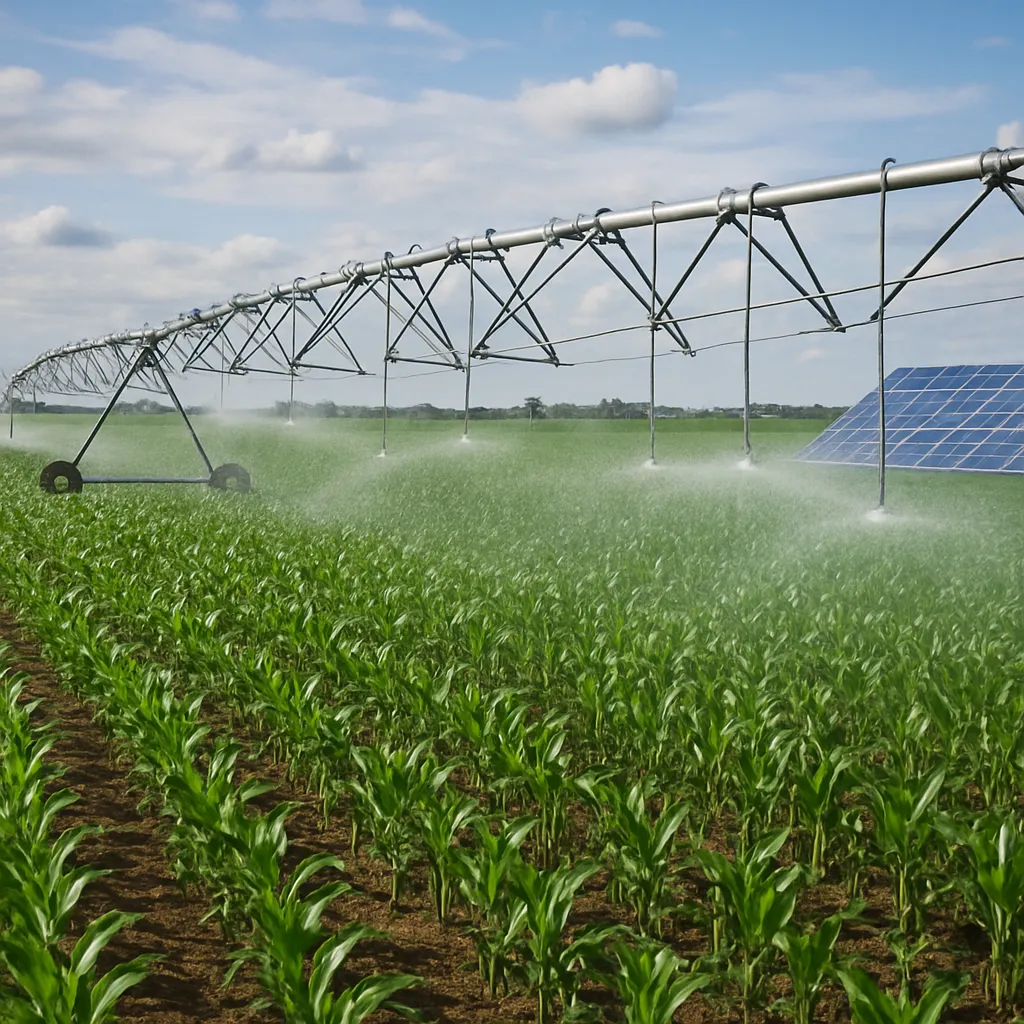
- Variable rate irrigation systems that apply water only where needed.
- Automated planters that adjust seeding density for maximal yield.
- Software platforms that track carbon credits from reduced tillage and cover crop adoption.
Governments and private purchasers are offering incentives to encourage the transition to plant-based commodity production. Subsidies for sustainable crop insurance, grants for infrastructure upgrades, and price supports for legumes are just a few examples. Retailers and food processors are forging supply chain commitments, guaranteeing premium prices for growers who meet environmental standards.
Challenges in Transition and Scaling Up
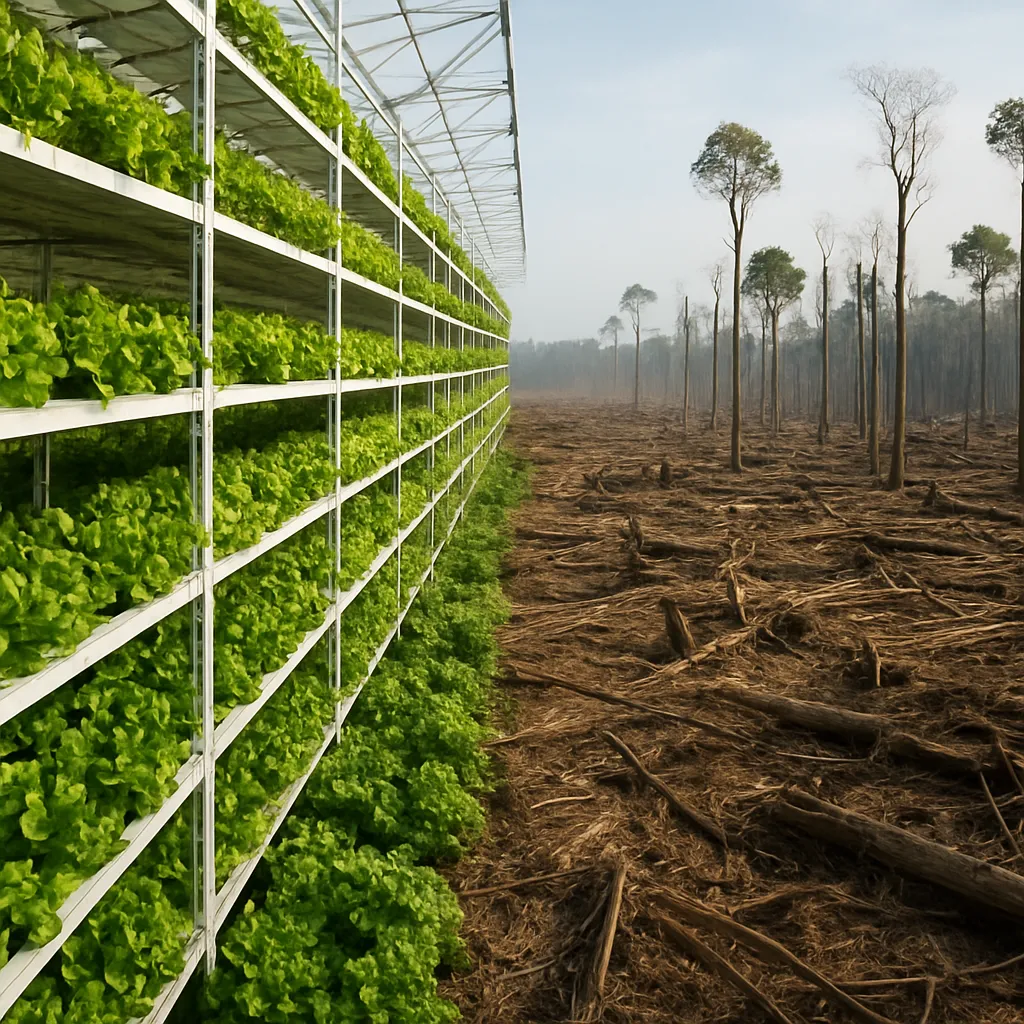
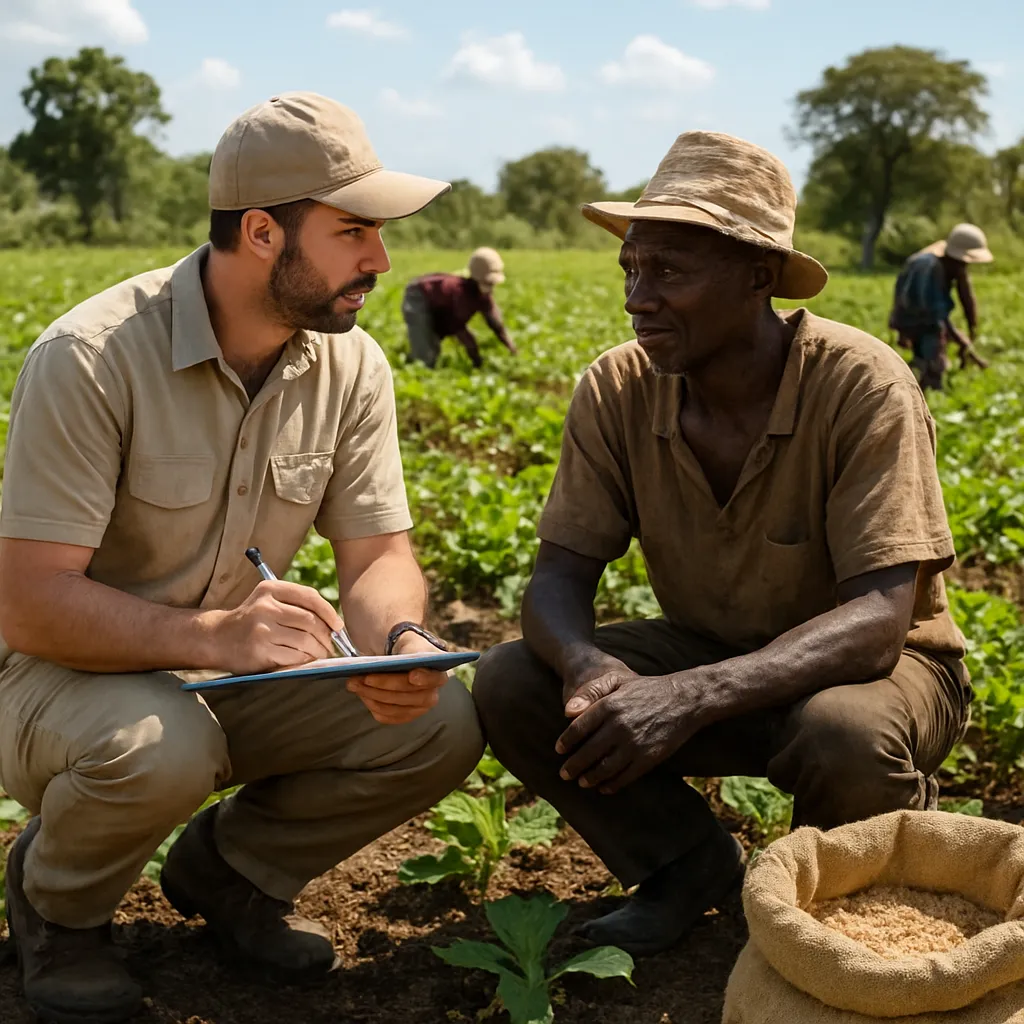
Despite the promising momentum, obstacles remain. Many smallholders lack access to capital and technical expertise needed to implement new methods. Market volatility for specialty plant proteins can deter major investments. In some tropical regions, rapid expansion of soy cultivation has driven deforestation, undermining the very climate benefits sought by plant-based advocates.
- Need for extension services to train farmers in regenerative and precision techniques.
- Infrastructure gaps in processing facilities for pulse crops and alternative grains.
- Trade policy barriers that limit cross-border movement of niche commodities.
Addressing these issues will require collaboration among stakeholders: governmental agencies, research institutions, agribusinesses, and civil society organizations. Public–private partnerships can fund demonstration farms and accelerate the diffusion of best practices.
Regional Case Studies
Latin America: Sunflower and Quinoa
In Argentina and Bolivia, farmers shifted focus to organic quinoa and sunflower seeds for export to health-food markets. This change has increased income diversity but also calls for careful soil rotation to prevent nutrient depletion.
Africa: Cowpea and Sorghum
West African producers are scaling up cowpea and sorghum cultivation—crops well-adapted to drought conditions. Innovations such as drought-tolerant seed varieties and community seed banks are helping smallholders thrive under harsher climates.
North America: Lentils and Peas
Canadian and U.S. farmers are integrating peas and lentils into wheat–canola rotations. The legume’s nitrogen-fixation capabilities have reduced synthetic fertilizer applications significantly, enhancing both profitability and environmental performance.
Emerging Trends and Future Outlook
As research advances, new crop varieties promise higher yields, improved nutrient profiles, and resilience to pests and diseases. Synthetic biology and genomic selection are unlocking novel plant proteins that rival animal sources in taste and texture. In tandem, digital marketplaces are allowing consumers to trace product origins, rewarding growers for transparent, ethical production.
Ultimately, the trajectory of global agriculture will hinge on balancing productivity with ecological stewardship. By embracing diverse, plant-based systems, farms worldwide can contribute to food security, mitigate climate risks, and foster healthier communities.