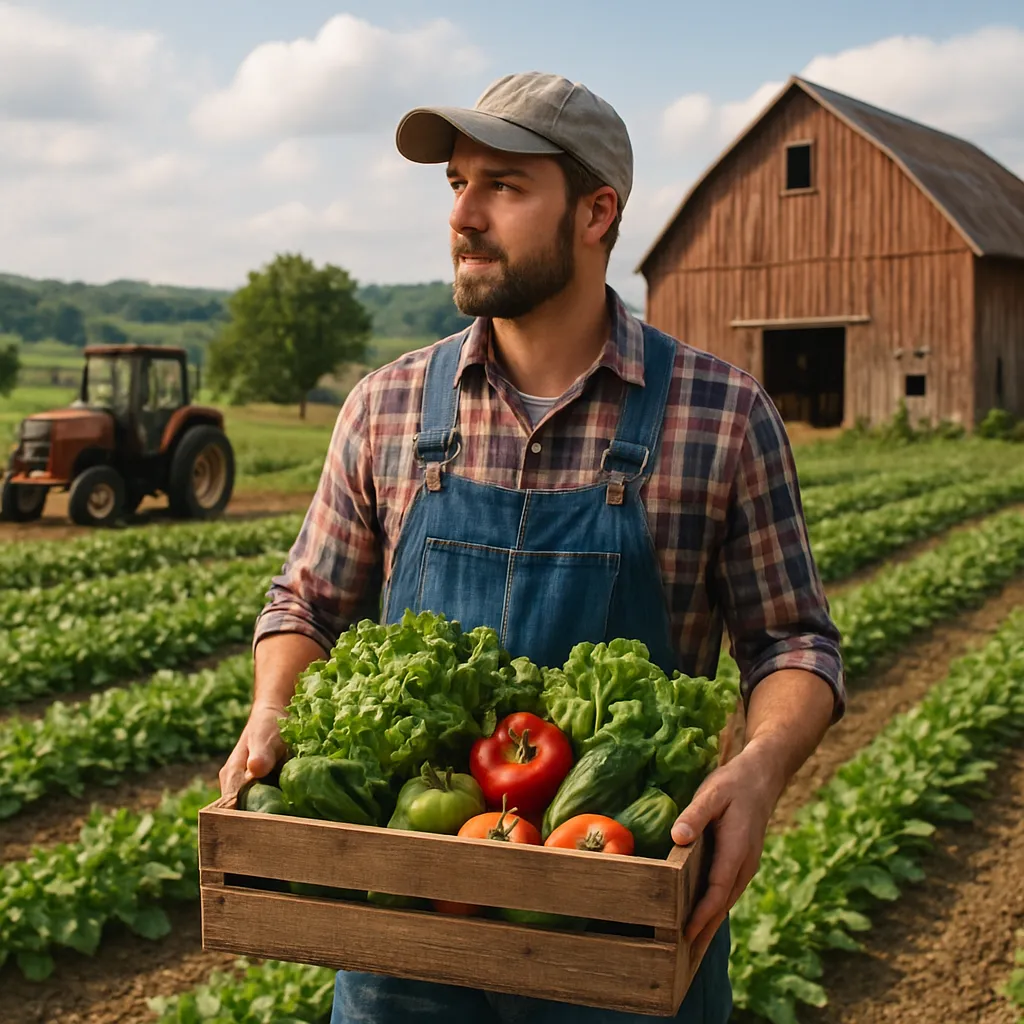
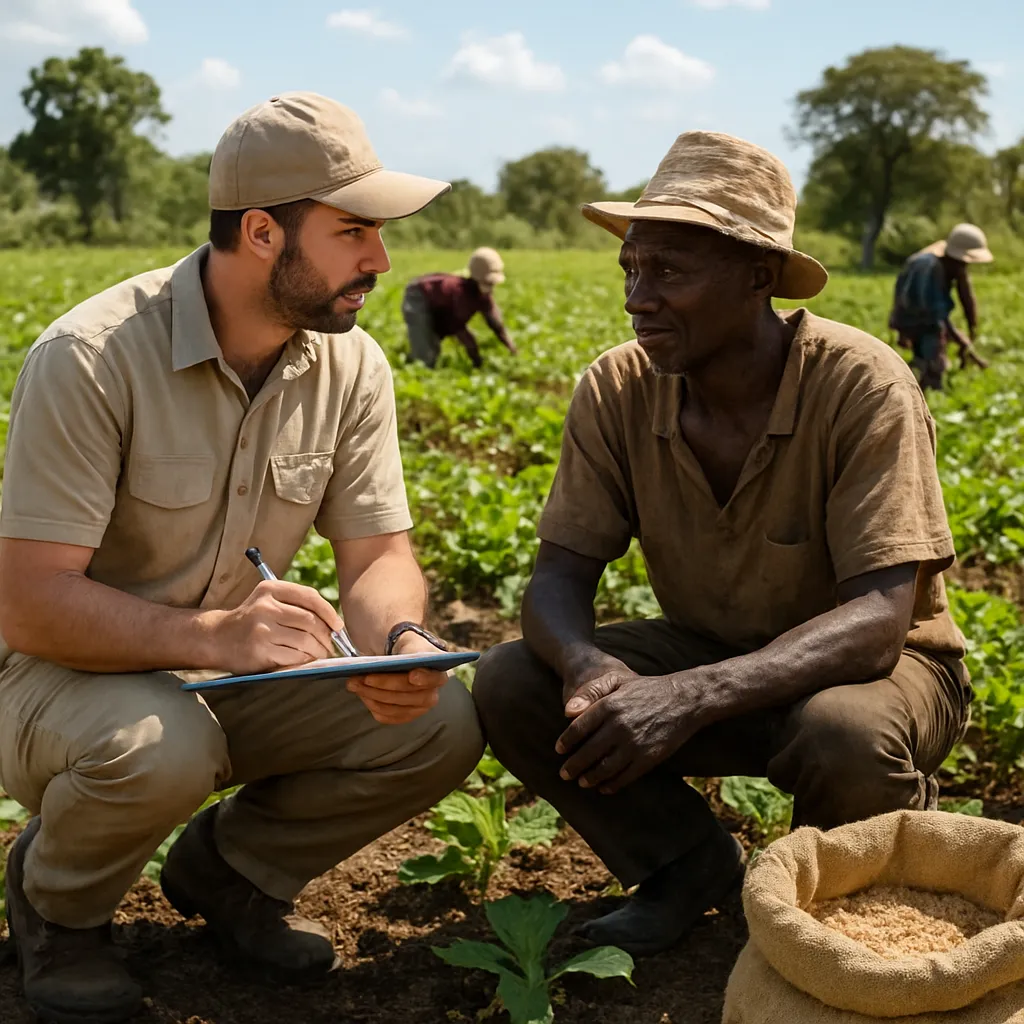
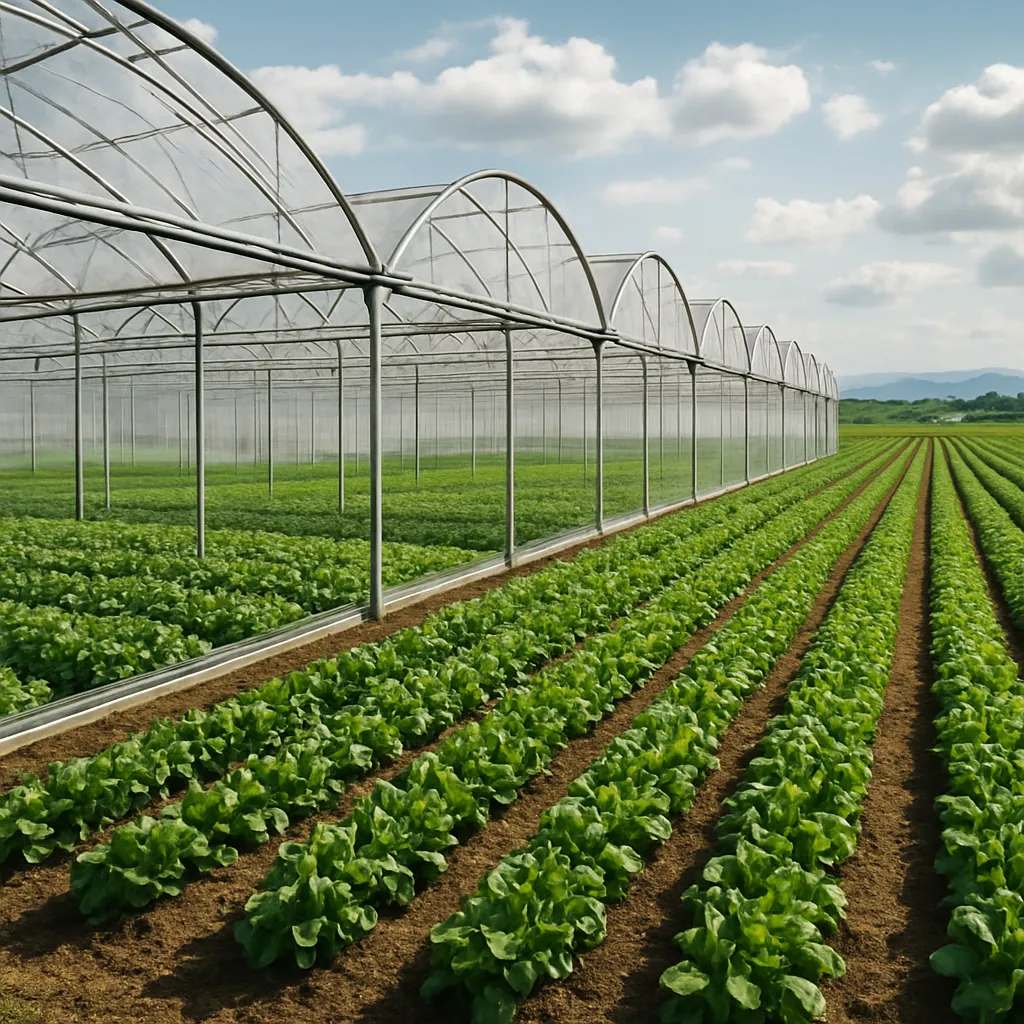
The concept of micro-farming, once confined to backyard gardens and urban rooftops, has evolved into a powerful movement reshaping global agriculture. By integrating localized cultivation techniques, **communities** around the world are creating resilient food systems that address hunger, environmental challenges, and economic disparities. As the pressure on conventional farming mounts due to **climate change**, population growth, and land scarcity, micro-farming emerges as an innovative solution to enhance **food security** and promote **sustainability**.
The Rise of Micro-Farming Across Diverse Landscapes
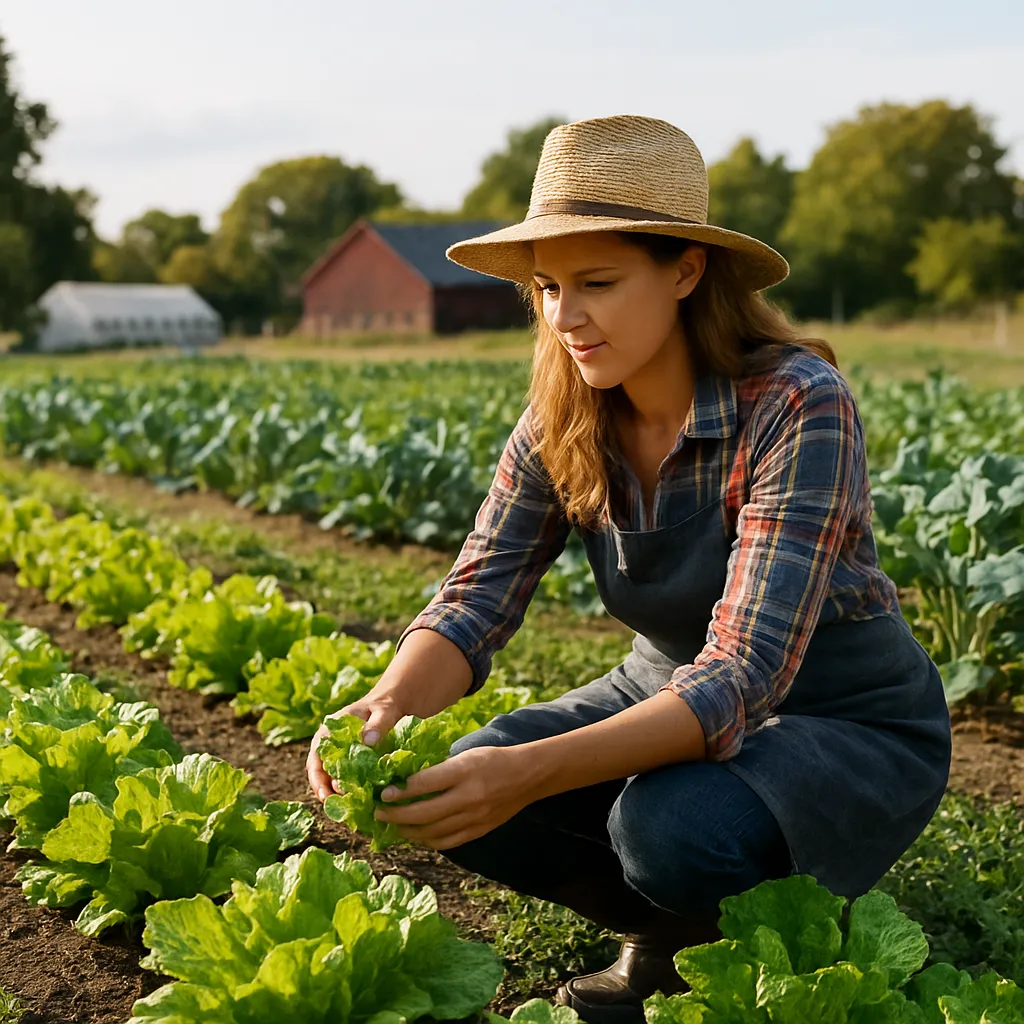
Micro-farms are small-scale agricultural setups that operate on plots as modest as a few square meters to a couple of hectares. These ventures have gained traction in:
- Urban neighborhoods where vacant lots are repurposed into **productive** green spaces.
- Rural communities suffering from soil degradation and insufficient infrastructure.
- Developing regions where traditional supply chains fail to reach remote villages.
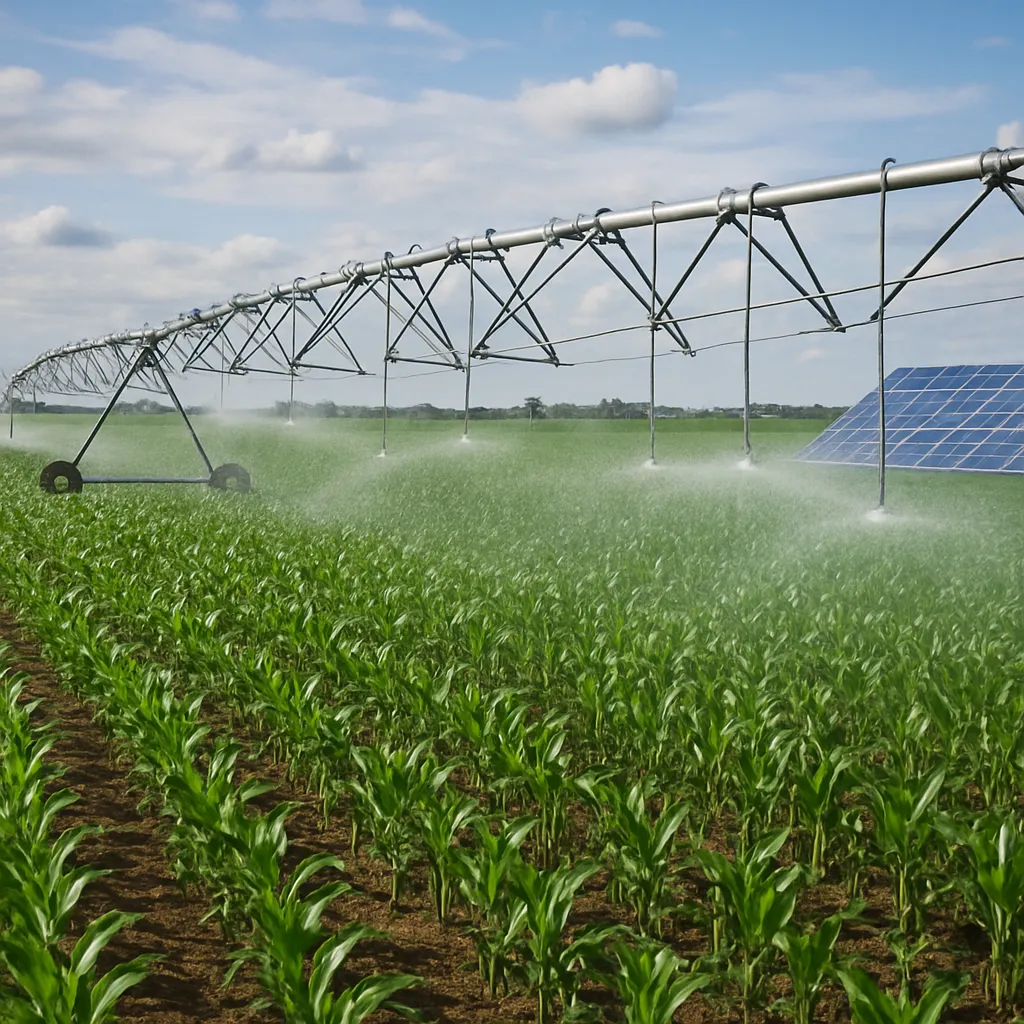
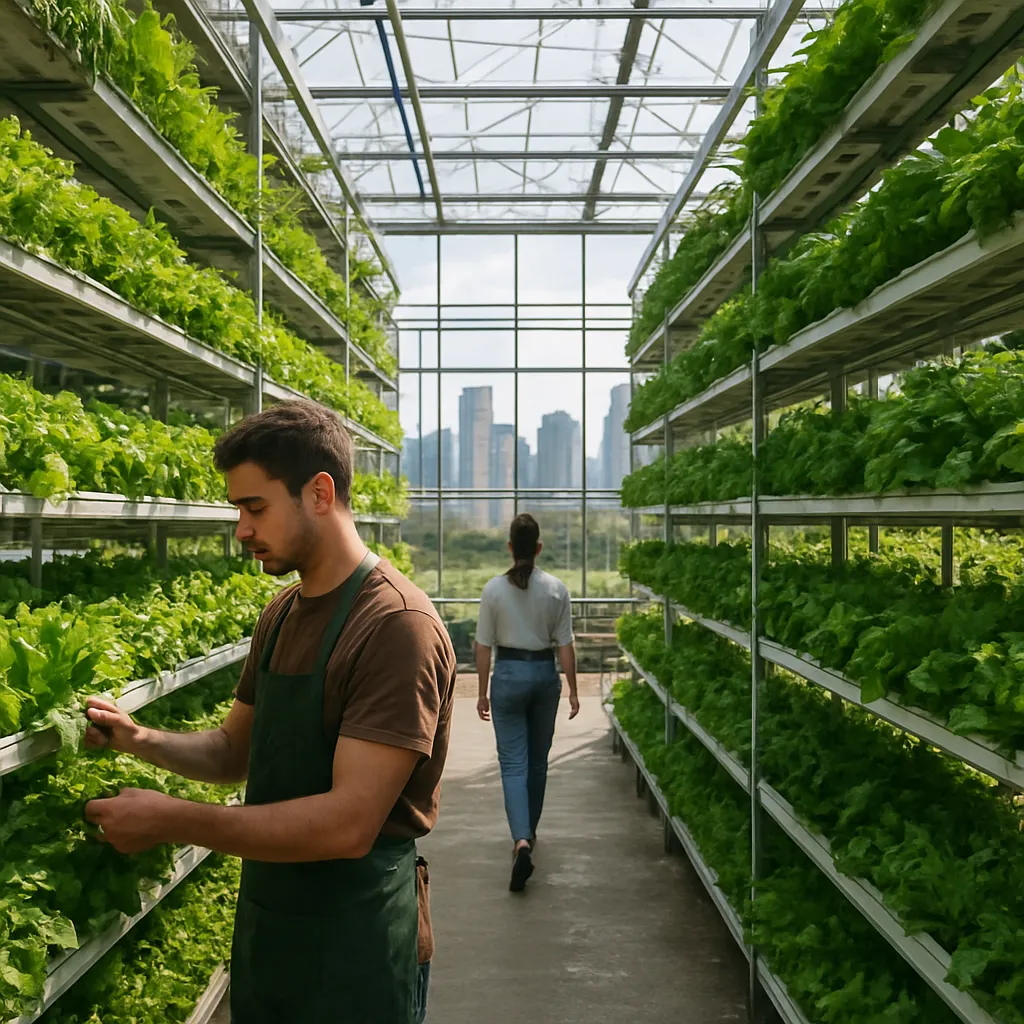
By leveraging **local knowledge** and low-cost inputs, farmers are establishing diversified micro-ecosystems. In densely populated cities from Tokyo to New York, rooftop and balcony farms utilize vertical layers and hydroponic racks to cultivate leafy greens and herbs. Meanwhile, in sub-Saharan Africa and Southeast Asia, farmers implement raised beds and simple drip irrigation systems to grow staples like maize and sweet potatoes on marginal lands.
Innovative Techniques and Technologies in Micro-Farming
Modern micro-farming thrives on a fusion of **traditional wisdom** and cutting-edge technology. Key approaches include:
- Vertical Farming: Stacking multiple growing tiers maximizes yield per square meter, often combined with LED lighting to optimize photosynthesis.
- Hydroponics: Soil-less cultivation using nutrient-rich water boosts growth rates and reduces water consumption by up to 90% compared to conventional methods.
- Aquaponics: Integrating fish tanks and plant beds creates a symbiotic system where fish waste fertilizes plants, while plants filter water for fish.
- Aeroponics: Roots suspended in air are misted with nutrient solutions, leading to rapid development and minimal resource use.
- Composting and biochar applications recycle organic waste into soil amendments, enhancing **biodiversity** and fertility.
Such innovations have democratised farming, allowing entrepreneurs, non-profits, and educational institutions to deploy micro-farms in warehouses, shipping containers, and schoolyards. Data-driven tools, including sensors and mobile apps, monitor pH levels, temperature, and humidity, enabling **precision agriculture** at a micro scale.
Socioeconomic Impacts and Community Engagement
Beyond pure production, micro-farms serve as hubs for social transformation. They create** employment** opportunities for disenfranchised youth, empower women to become agripreneurs, and foster community cohesion through shared gardens. Key benefits include:
- Food Sovereignty: Local control over food production reduces dependency on external suppliers and volatile markets.
- Nutrition Security: Fresh, nutrient-rich produce becomes available in underserved areas known as food deserts.
- Educational Outreach: Schools use micro-farms as living laboratories to teach science, entrepreneurship, and environmental stewardship.
- Economic Resilience: Micro-farms diversify household income streams, cushioning families against agricultural shocks.
In Curitiba, Brazil, community gardens on reclaimed floodplains not only supply fresh vegetables but also serve as gathering places for vocational training. Similarly, Detroit’s urban farms have turned vacant properties into thriving food hubs, reducing crime rates and revitalizing neighborhoods. Such grassroots projects illustrate how micro-farming can strengthen social fabric while addressing **global hunger**.
Environmental Benefits and Climate Change Adaptation
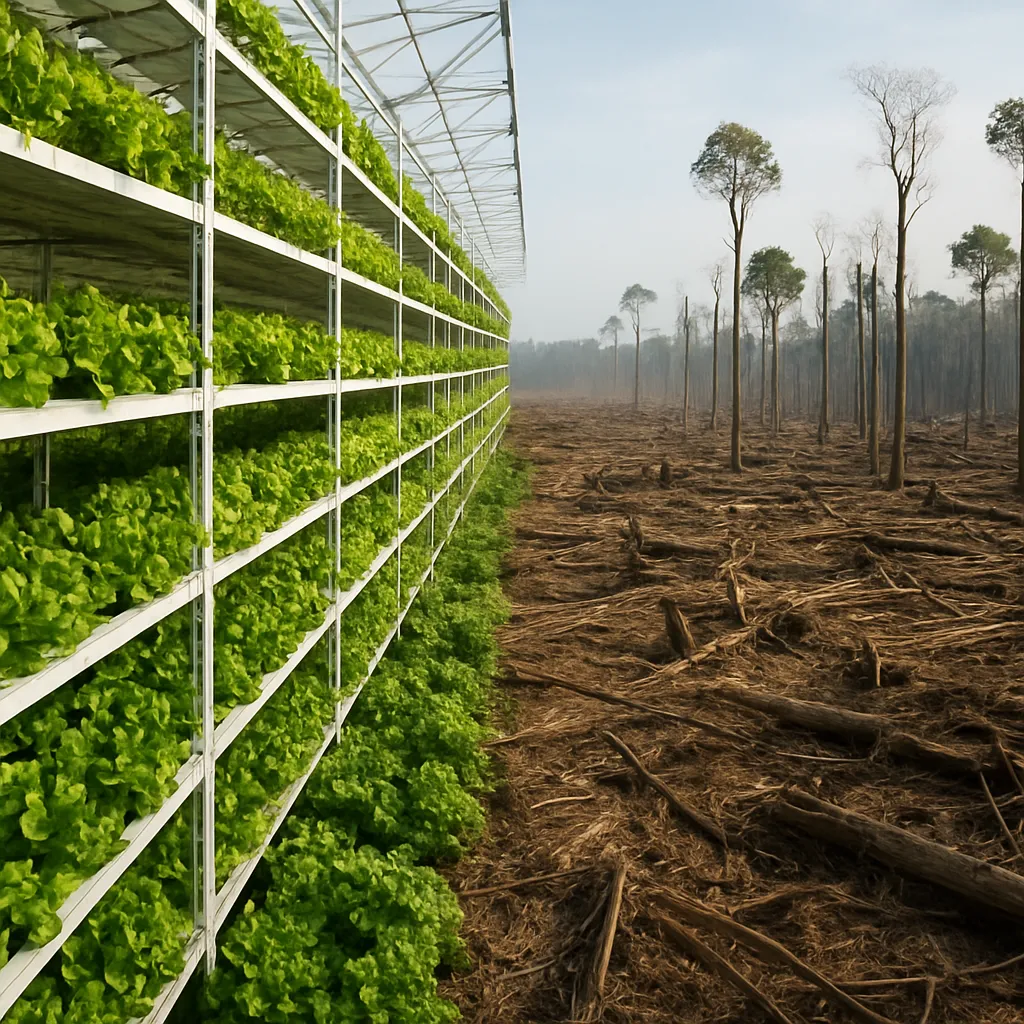
Micro-farming offers significant ecological advantages. Its minimal land footprint curtails deforestation and habitat loss. Water-efficient systems conserve vital resources, and the emphasis on local consumption cuts transportation emissions. Moreover, micro-farms can be tailored to adapt to **extreme weather**:
- Shaded plots and misting systems mitigate heat stress in arid zones.
- Elevated beds guard against flooding and waterlogging in monsoon-prone regions.
- Greenhouses and polytunnels extend growing seasons in cooler climates.
Integrating agroecological principles—such as intercropping, crop rotation, and natural pest management—further enhances system **resilience**. When scaled collectively, micro-farms can act as a global patchwork of climate-adaptive refuges, buffering communities against unpredictable weather patterns.
Policy Frameworks and Support Mechanisms
For micro-farming to achieve its full potential, enabling policies and institutional backing are essential. Governments and organizations can promote this sector by:
- Allocating public land for pilot micro-farm projects and community gardens.
- Offering grants, low-interest loans, and tax incentives to micro-entrepreneurs.
- Establishing training centers that provide technical guidance on sustainable methods.
- Integrating micro-farming into national food security and rural development strategies.
In the Netherlands, public-private partnerships fund research on vertical urban farms, leading to breakthroughs now exported worldwide. Meanwhile, in Rwanda, the government’s Villagisation program includes micro-farming modules that teach smallholders compact cultivation techniques, significantly raising per-acre yields.
Scaling Up: From Local Gardens to Global Networks
Despite its small-scale nature, micro-farming can have macro-level impact when networks of producers join forces. Cooperative platforms aggregate produce, streamline distribution, and negotiate fair prices. Digital marketplaces connect urban consumers directly with micro-farmers, eliminating intermediaries and ensuring **equitable trade**. International NGOs facilitate knowledge exchange by organizing conferences and online forums, where practitioners share best practices on pest control, solar-powered irrigation, and permaculture design.
By aligning micro-farming initiatives with Sustainable Development Goals—particularly Zero Hunger, Responsible Consumption, and Climate Action—stakeholders can mobilize resources and track progress on a global scale. This synergy transforms isolated plots into an interconnected web of **agro-innovations** that bolster food security across continents.
Challenges and Paths Forward
While promising, micro-farming faces hurdles such as limited access to capital, land tenure issues, and technical skill gaps. Pest outbreaks in closed systems and energy costs for artificial lighting can erode profitability. To overcome these barriers, multi-sector collaboration is vital. Financial institutions must craft tailored loan products; extension services should intensify outreach; and research institutions need to refine cost-effective technologies.
Looking ahead, integrating renewable energy, such as rooftop solar arrays powering pumps and LEDs, will reduce operating expenses. Collaborative incubators can nurture startups focused on micro-farming innovations, from biodegradable growing media to blockchain-based traceability. By addressing current limitations, the micro-farming movement can accelerate its contribution to a future where every community enjoys reliable access to wholesome, locally grown food.