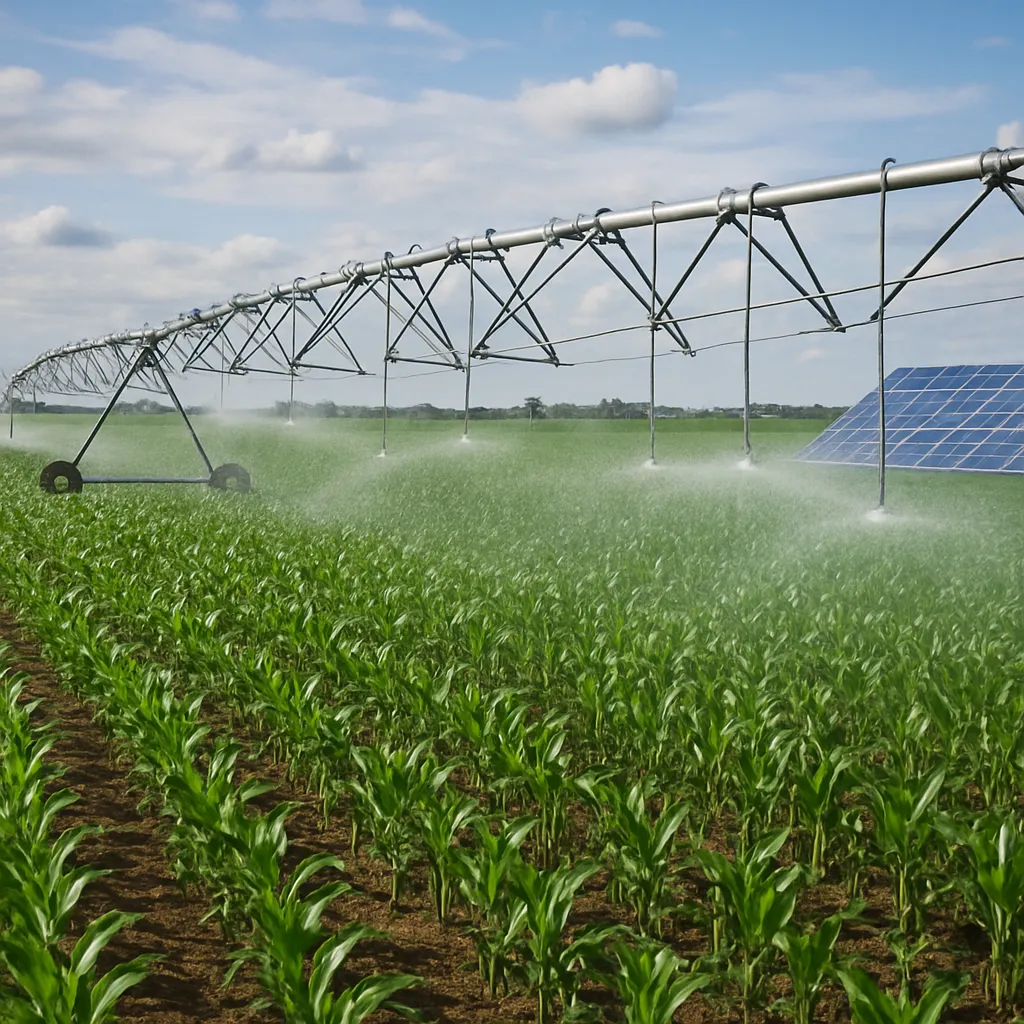
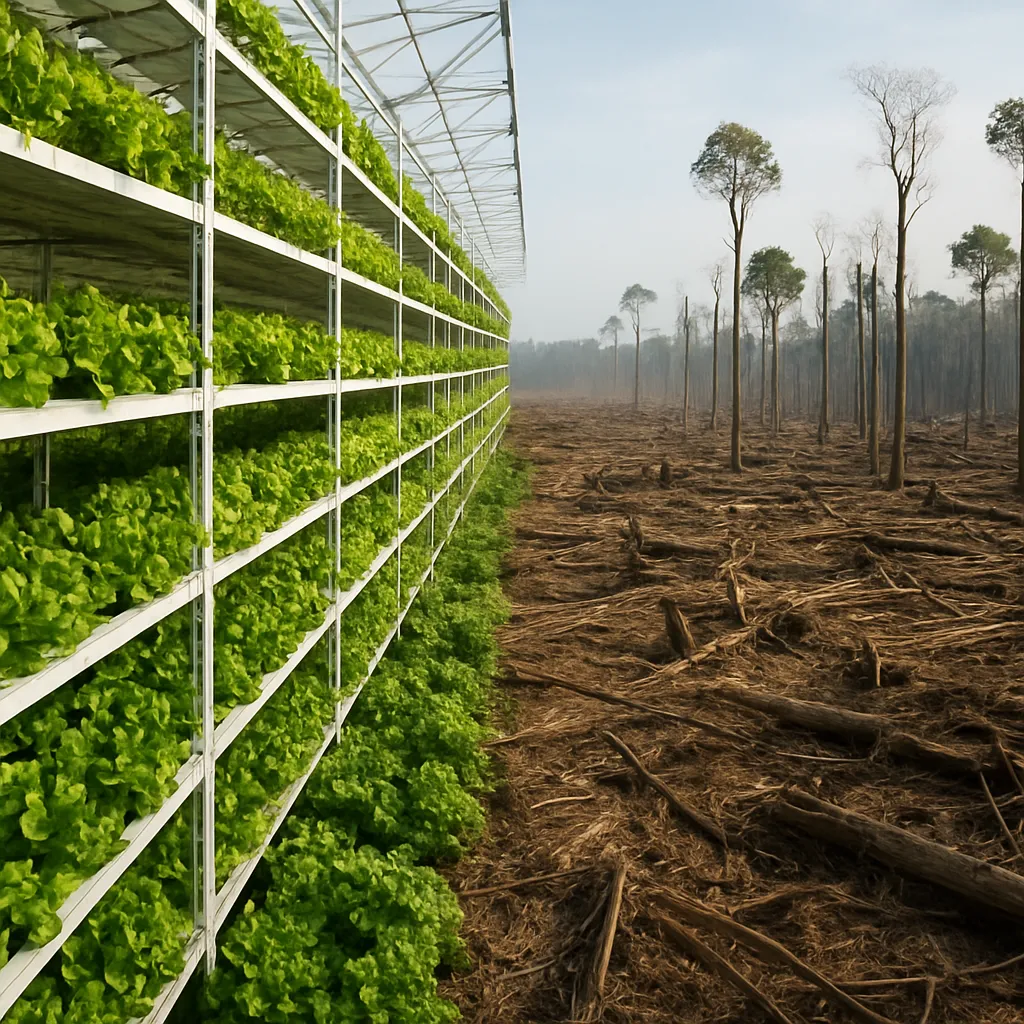
The pursuit of a sustainable tomorrow hinges on redefining how our food reaches the table. By embracing localized approaches, farmers, distributors, and communities form a tight-knit network that dramatically cuts down on transportation, waste, and harmful emissions. In the context of global agriculture, these innovative methods hold promise for boosting resilience, improving farmer livelihoods, and safeguarding precious biodiversity. This article delves into the mechanics, benefits, and tangible outcomes of shifting toward local food systems across world farms.
Benefits of Localized Food Systems
When farms source, produce, and sell within a limited radius, dramatic gains appear throughout the supply chain. First, the carbon footprint of production plummets, as long-haul trucking and air freight are replaced by shorter routes, often within community boundaries. Reduced mileage means lower fuel consumption and fewer greenhouse gases released into the atmosphere.
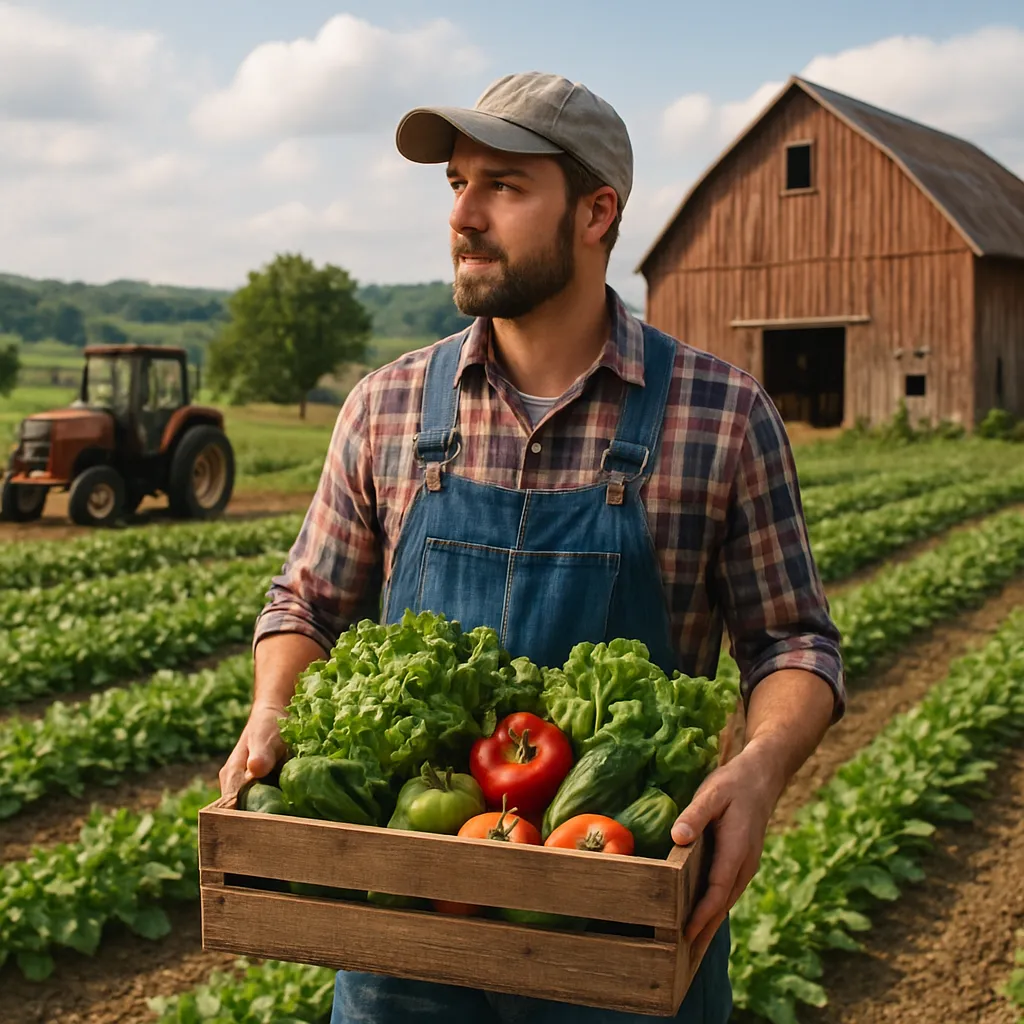
Second, freshness and nutritional value rise sharply. Harvested produce sent directly to local markets or cooperatives retains higher levels of vitamins and minerals, since there’s less time in transit. Consumers enjoy better-tasting fruits and vegetables, and waste from spoiled items shrinks considerably.
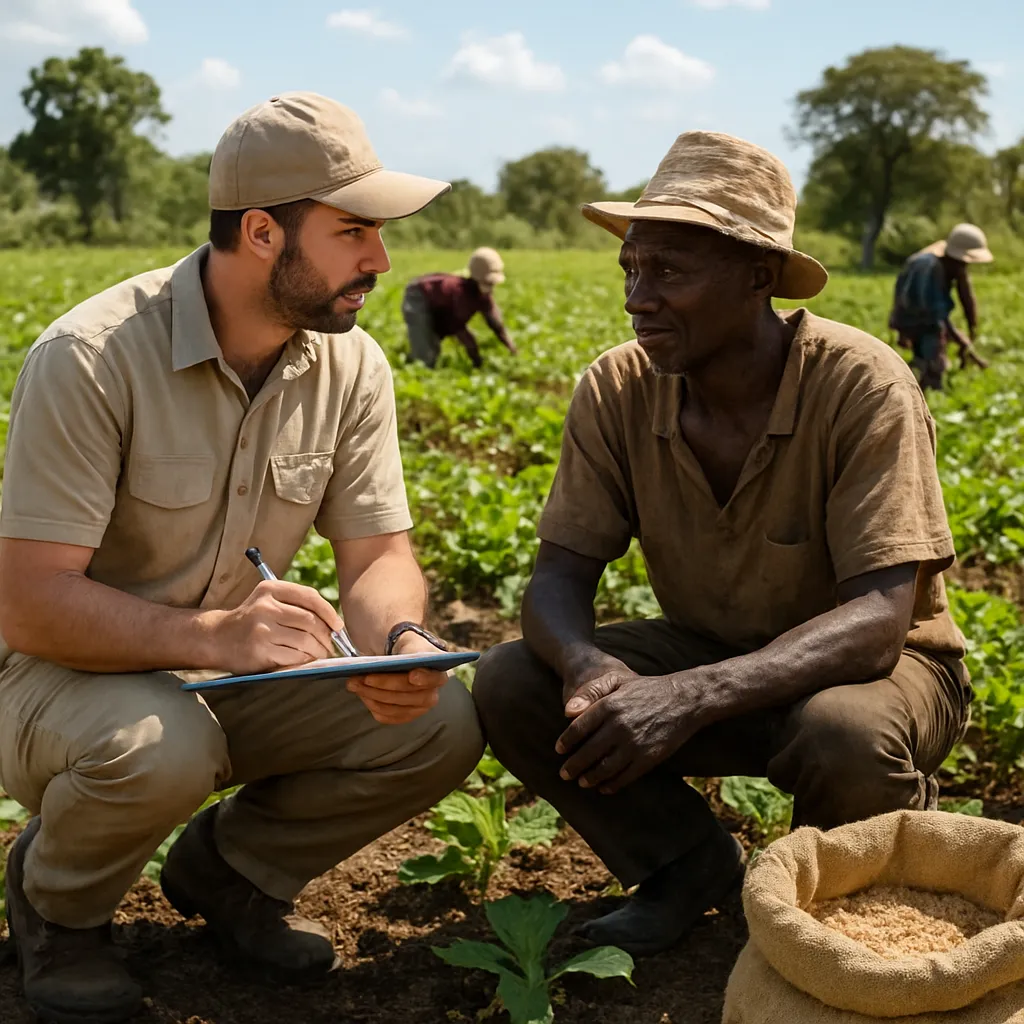
Third, local food networks foster economic empowerment. Smallholders and independent farmers often struggle to compete with large-scale agribusiness; by tapping into a loyal base of local patrons, they secure fairer prices and steady demand. This strengthens rural economies and combats urban migration driven by lack of opportunities on the land.
- Lower greenhouse gas emissions through reduced transport
- Enhanced food quality and spoilage reduction
- Increased economic stability for small-scale producers
- Promotion of agrobiodiversity and heirloom varieties
Implementation Strategies on World Farms
Turning the vision of a regional agrifood network into reality requires a multifaceted approach. Below are key strategies being adopted by various world farms:
1. Community-Supported Agriculture (CSA)
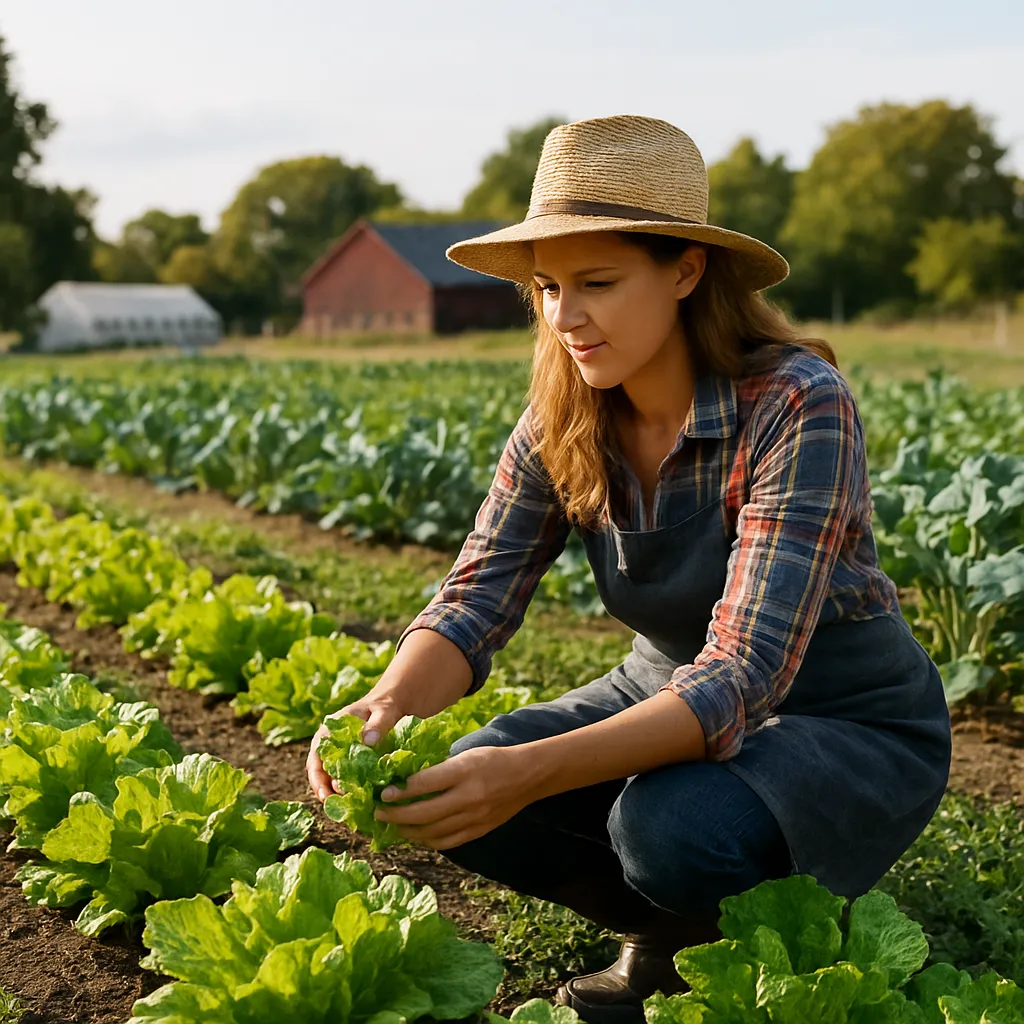
CSA models let consumers purchase a “share” of a farm’s harvest in advance. This upfront investment provides critical capital for seeds, tools, and labor at the start of the season. In return, subscribers receive weekly produce boxes, forging a direct bond between grower and buyer. This transparent exchange enhances trust and encourages sustainable practices, as members are keenly interested in the farm’s ecological methods.
2. Urban and Vertical Farming
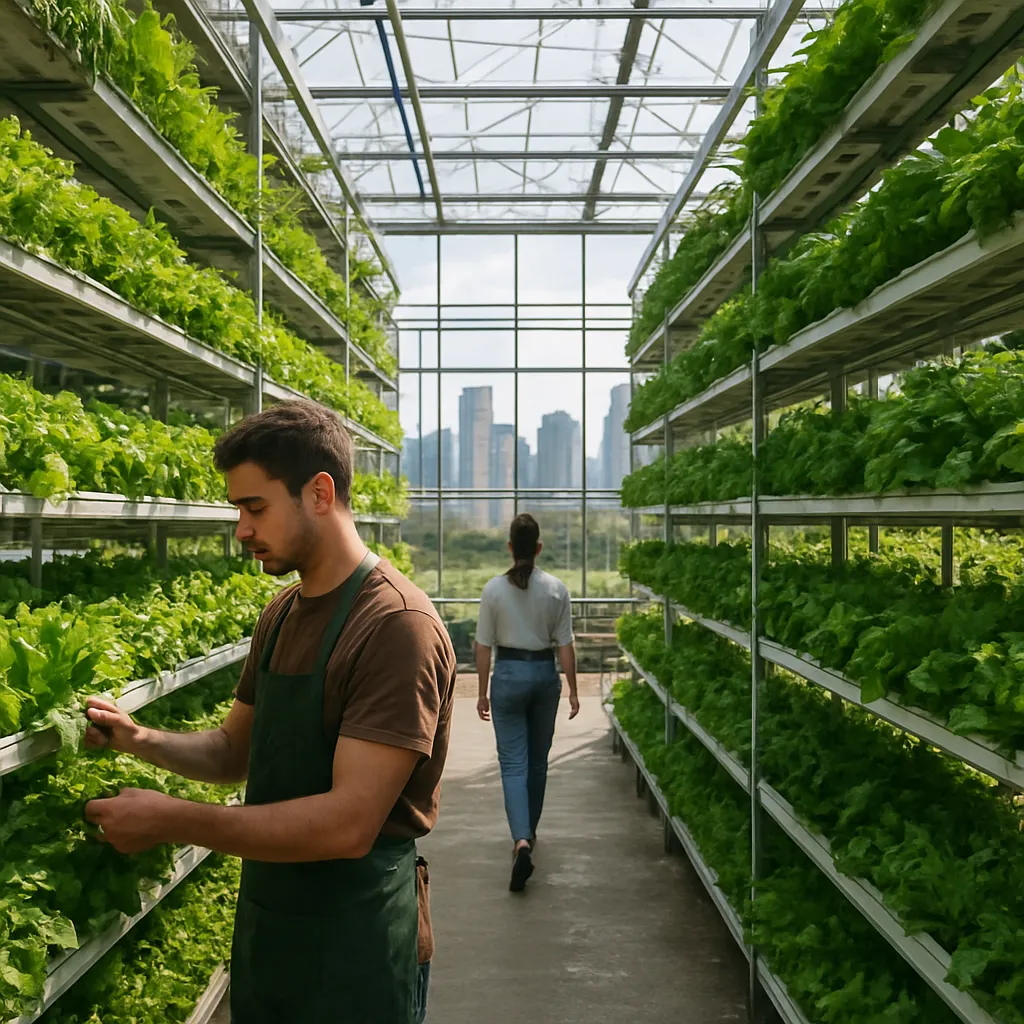
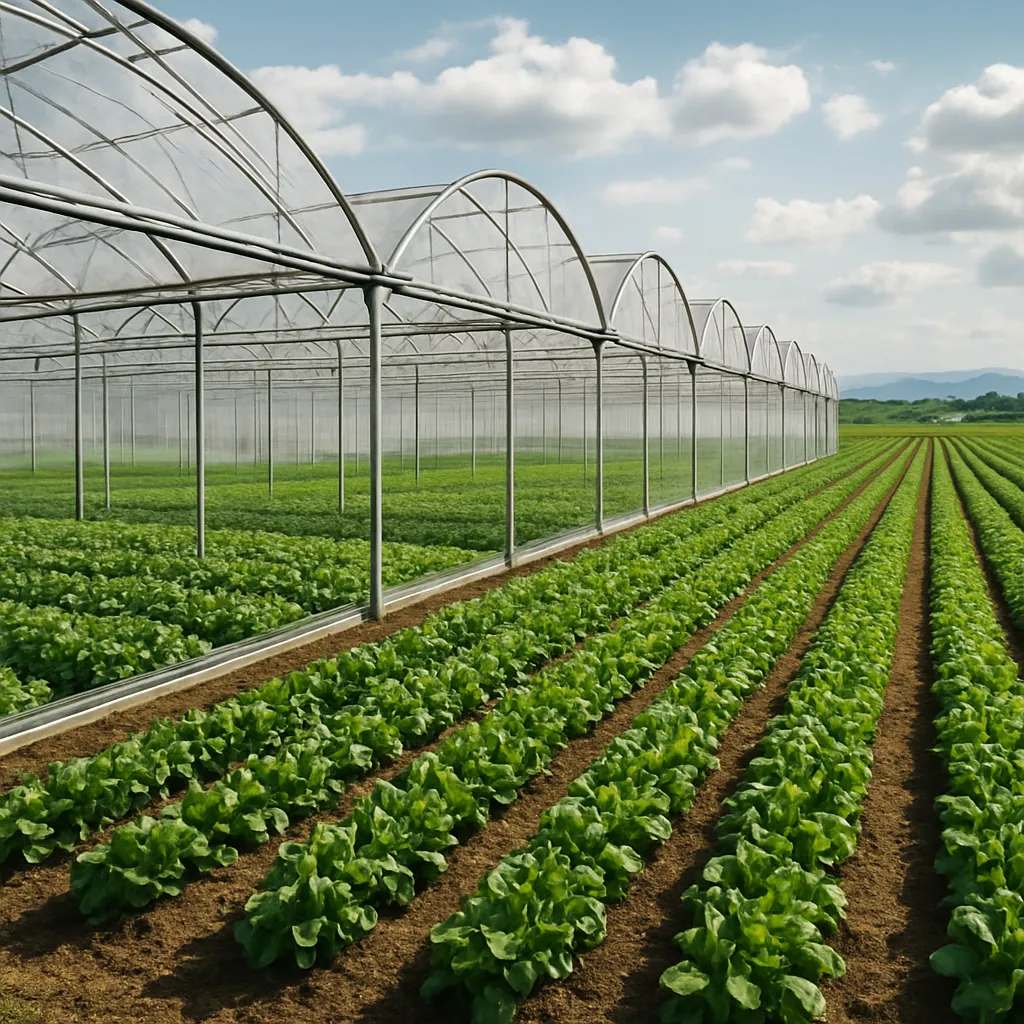
Space is at a premium in city environments, yet the demand for fresh produce remains high. Innovative vertical farms stack hydroponic or aeroponic systems in repurposed warehouses or rooftop greenhouses. By utilizing controlled environments, these operations optimize water usage (often reducing consumption by up to 90% compared to field agriculture) and eliminate soil erosion. The proximity to dense urban centers slashes last-mile transportation, offering an efficient blueprint for sustainability.
3. Farmer Cooperatives and Shared Infrastructure
Pooling resources empowers smallholders to access machinery, storage facilities, and marketing channels that would be cost-prohibitive individually. Cooperatives can charter refrigerated trucks, build collective packing houses, and negotiate with retailers as a unified entity. This collaboration amplifies bargaining power, lowers per-unit costs, and ensures consistent quality standards across producers.
4. Digital Marketplaces and Traceability Platforms
Online tools match local producers with chefs, grocers, and end consumers in real time. Through integrated apps, buyers can select available inventory, track delivery routes, and verify production methods via QR codes. Enhanced transparency yields confidence among stakeholders, leading to higher demand for ethically grown, regionally sourced items.
Case Studies Demonstrating Impact
Across continents, pioneering projects highlight the transformative potential of local systems:
- Andean Highland Cooperatives – In Peru and Bolivia, indigenous communities have revived ancient terracing techniques and intercropping of potatoes, quinoa, and legumes. By selling through local food hubs in La Paz and Cusco, they reduced food imports by 40% and cut supply-chain emissions by an estimated 30%.
- Tokyo Urban Farms – With skyrocketing land prices, rooftop farms sprang up in the city’s wards, producing leafy greens and herbs year-round. Vertical stacks using LED lighting consume 60% less energy than older indoor farms. Partnerships with local markets cut delivery distances to mere kilometers, trimming CO2 emissions drastically.
- Midwestern U.S. Regenerative Grains – A coalition of wheat and barley growers formed a grain-traceability network. By rotating cover crops and reducing synthetic fertilizer, they slashed nitrogen runoff and sequestered carbon in soils. Grain was milled locally and sold to craft breweries and bakeries within a 200-mile radius, fostering a regional “farm-to-mill” movement.
Challenges and Future Directions
While the momentum behind localized models grows, several hurdles remain:
- Infrastructure Gaps – Many regions lack adequate cold storage or processing facilities, leading to post-harvest losses. Investment in decentralized packing houses and modular cold chains is critical.
- Policy Barriers – Subsidies and regulations often favor monoculture and large-scale exporters. Advocates are pushing for reforms that reward carbon sequestering, soil health improvement, and short-distance distribution.
- Consumer Awareness – Education campaigns can bridge knowledge gaps around the benefits of seasonality and regional variation in produce offerings. Urban dwellers, in particular, must understand the connection between their choices and local farm viability.
- Climate Uncertainty – Erratic weather events pose risks to small-scale operations. Integrating climate-resilient crops, water-harvesting systems, and crop-insurance schemes will safeguard against volatility.
Embracing regionally focused food networks represents a paradigm shift for global agriculture. As farms, markets, and communities synchronize their efforts, the benefits span environmental stewardship, economic equity, and cultural preservation. Through continuous innovation and supportive policy frameworks, the journey toward a low-carbon, locally nourishing future gains unstoppable traction.