Across continents and climates, the demand for fresh, healthy food collides with the urgent need to reduce greenhouse gas emissions. Traditional supply chains often rely on long-distance transport, energy-intensive refrigeration, and extensive packaging, all of which inflate the carbon impact of what ends up on our plates. By championing local farming initiatives, communities are discovering a pathway to slim down the overall footprint of global food systems while nurturing stronger social ties and healthier environments.
Local Farming and Reduced Carbon Emissions
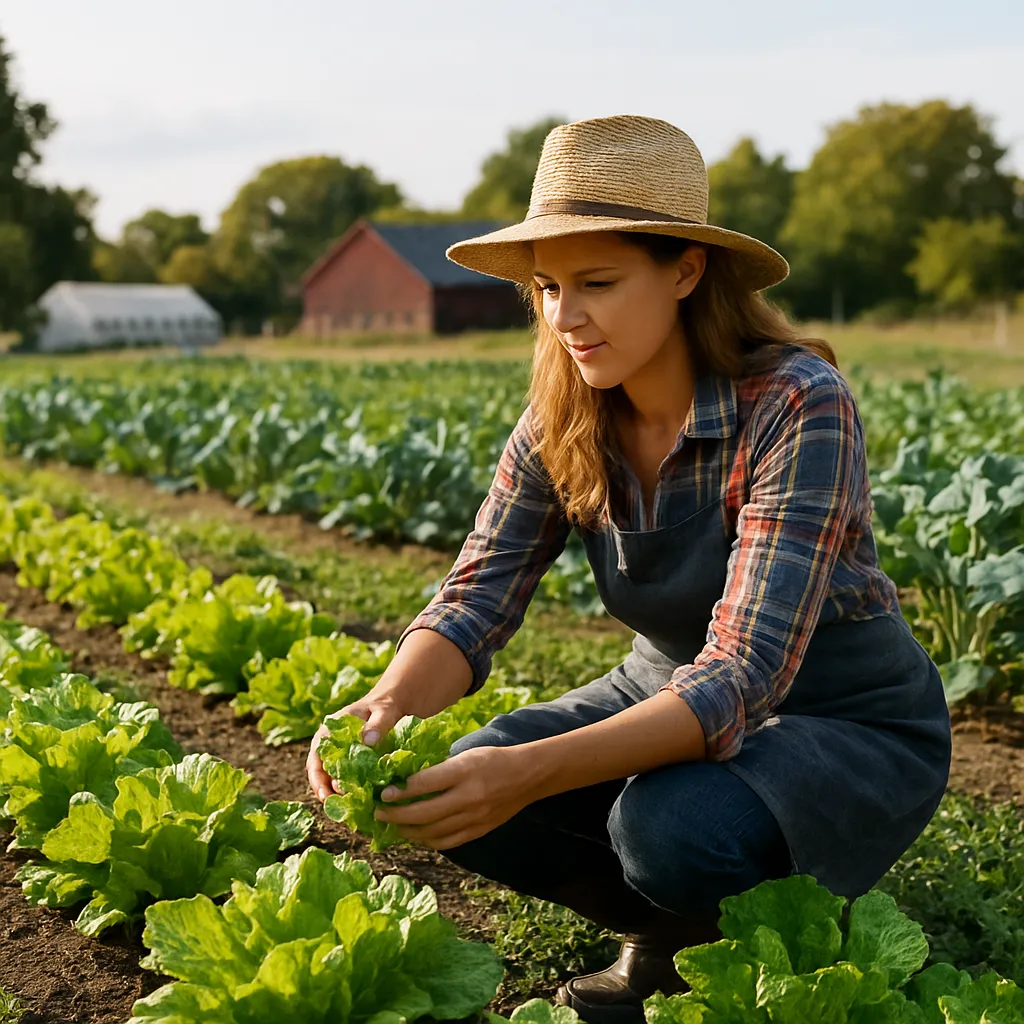
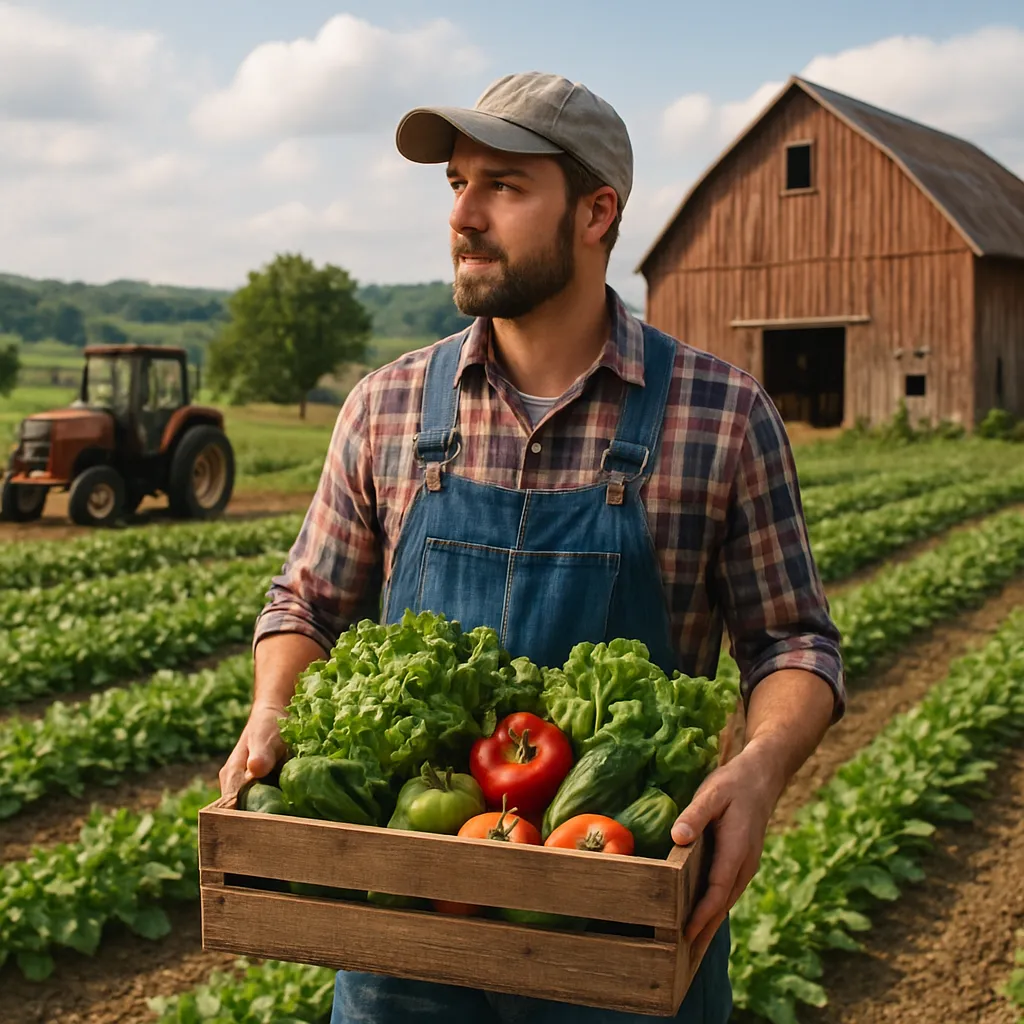
Shortening the distance between farm and table is one of the most direct strategies to tackle high transport-related emissions. Studies have shown that food trucked across thousands of miles can accumulate as much as 10 times the carbon output compared to products grown and sold regionally. By supporting farmers’ markets, community-supported agriculture (CSA) schemes, and urban gardens, consumers help minimize diesel consumption, reduce packaging waste, and lower energy spent on cold storage. Moreover, many small-scale growers adopt sustainable practices—crop rotation, minimal tillage, and organic fertilizers—that sequester carbon in the soil rather than releasing it.
Beyond transportation, industrial agriculture often relies on synthetic nitrogen fertilizers produced through energy-intensive processes. Local farms frequently supplement or replace these inputs with composted organic matter and cover crops, cutting energy use and promoting healthier soils. This dual benefit—emission reductions plus improved soil structure—creates a self-reinforcing cycle: richer soils hold more water, need fewer chemical applications, and foster greater yields over time without extra carbon costs.
Building Biodiversity and Systemic Resilience
Monocultures dominate many export-oriented operations, but local farms tend to embrace diverse plantings. Polyculture fields, heirloom seed varieties, and integrated livestock systems enhance biodiversity on a micro level. A single acre of multispecies planting can support dozens of insect, bird, and microbial species, building natural pest control networks and reducing the need for chemical interventions. Greater on-farm diversity also safeguards yields against extreme weather—drought, heatwaves, or unexpected frosts—strengthening overall resilience in a changing climate.
Agroforestry, a practice combining trees with crops or livestock, thrives on many local operations. By interspersing fruit trees, timber species, or nitrogen-fixing shrubs, farmers create living windbreaks, shade profiles, and root networks that stabilize soil and absorb extra carbon. These multilayered systems act as both productive fields and mini-ecosystems, drawing down atmospheric greenhouse gases while providing fruits, nuts, fodder, and wood products for local consumption.
Empowering Community and Economic Well-Being
When consumers buy directly from neighborhood farms, they invest not only in fresher produce but also in local livelihoods. Farmers’ markets, roadside stands, and cooperative grocery outlets keep capital circulating within regional economies instead of funneling profits to distant corporations. This financial retention fuels community development, spawns agritourism, and creates employment opportunities, offsetting social costs associated with rural depopulation and urban migration.
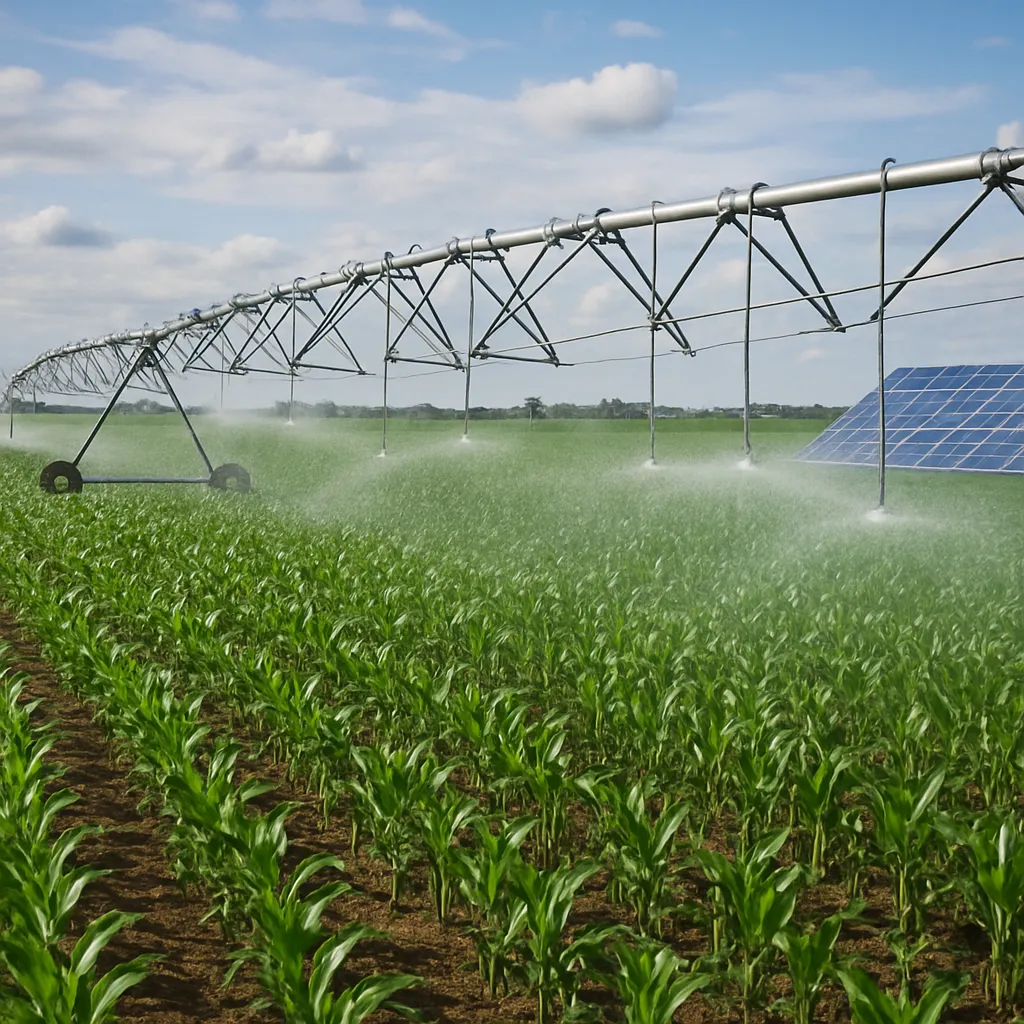
Educational programs, often run by local growers, teach children and adults about seasonal rhythms, soil health, and smart water use. These initiatives foster environmental stewardship and equip citizens with practical skills. In turn, public support grows for policies that strengthen sustainable agriculture, from land-access grants to tax incentives for on-farm renewable energy installations, such as solar-powered irrigation or biogas digesters.
Technological Innovation and Nutrient-Rich Harvests
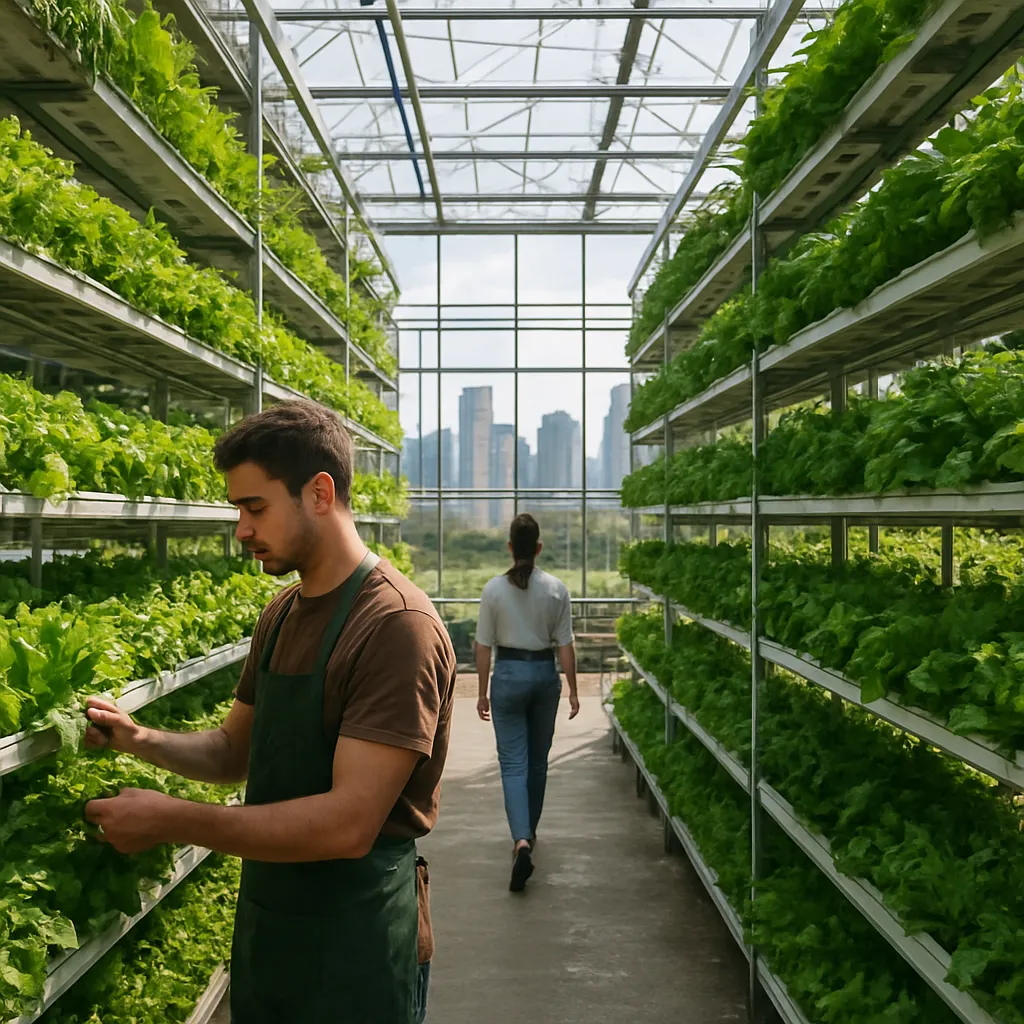
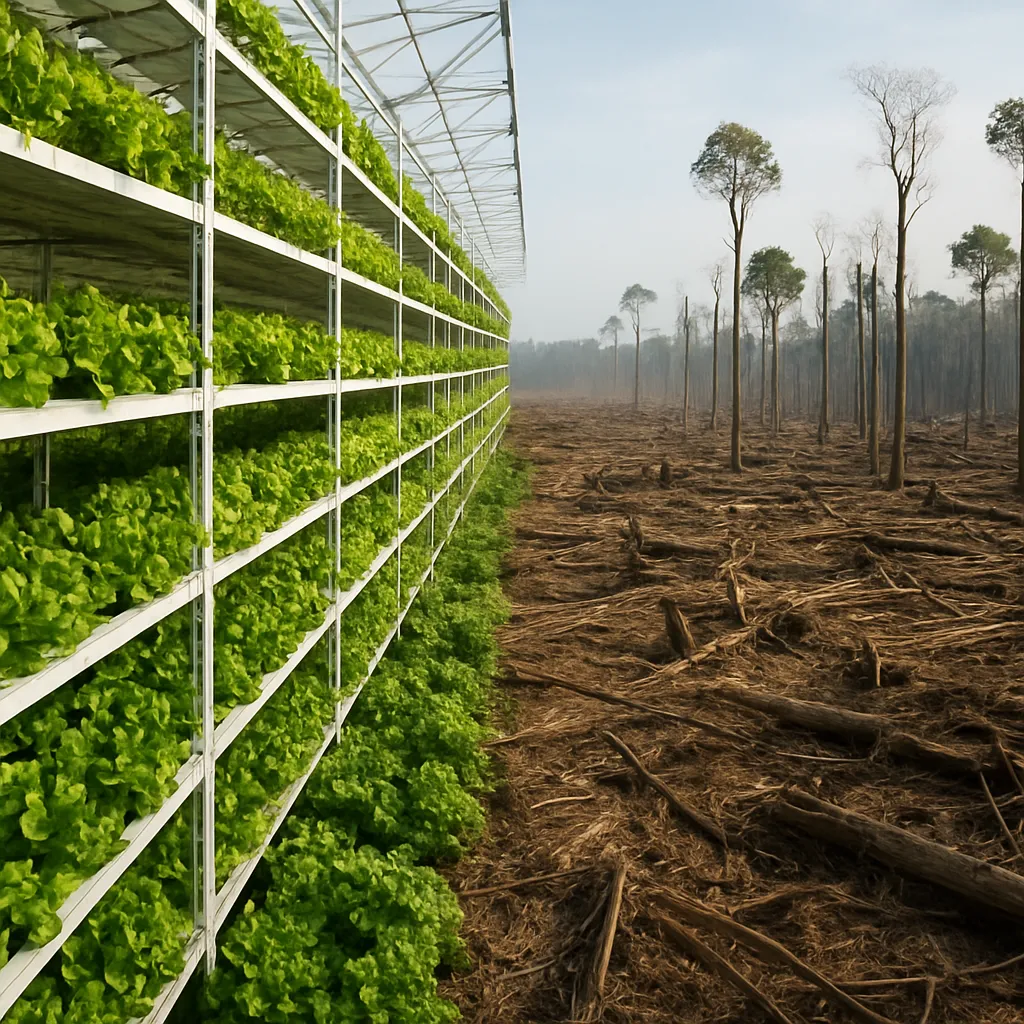
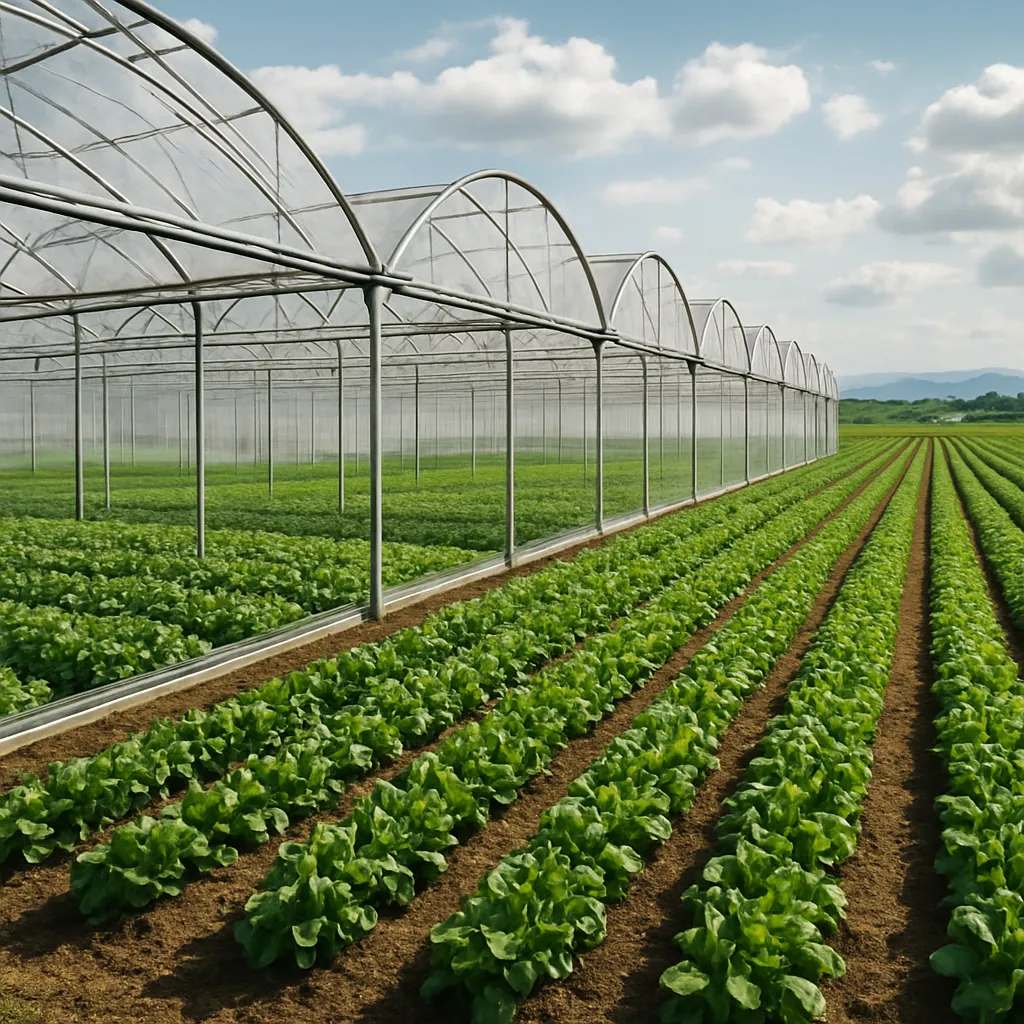
Far from antiquated, many small operations leverage cutting-edge tools to optimize yields and conserve resources. Precision soil sensors gauge moisture and nutrient levels in real time, guiding targeted irrigation that curbs water waste. Greenhouse and hoop-house installations extend growing seasons, allowing local producers to supply fresh greens during colder months without resorting to imported stock. Even vertical farming, once confined to urban warehouses, is making inroads among enterprising communities eager to pare down supply chains.
These innovations often lead to superior crop quality. With less spoilage in transit, farmers can cultivate delicate, nutrient-dense varieties that might not survive a week-long truck journey. Consumers gain access to produce with higher vitamin and mineral content, reinforcing food security while reducing reliance on lengthy transport networks. As research continues, small-scale operations are also experimenting with biofertilizers, beneficial microbes, and integrated pest management, elevating both yield and nutritional profiles without escalating carbon costs.
Scaling Up Local Models for Global Impact
Systemic change requires collaboration between grassroots pioneers and policy-makers at regional, national, and international levels. Governments can bolster local agriculture by streamlining regulations for small farms, funding research into sustainable practices, and improving rural infrastructure to facilitate farm-to-market distribution. Private sector alliances—linking smallholders with retailers, food service companies, and technology firms—can create resilient regional hubs that mirror the efficiency of industrial systems without their ecological downsides.
In the long term, an integrated approach that blends the virtues of both localized and larger-scale operations may yield the greatest gains. Shared processing facilities, cold-chain cooperatives, and distributed logistics platforms can help small producers achieve economies of scale while preserving the carbon advantages of nearby sourcing. By fostering networks of complementary operations—orchards specializing in apples, adjacent fields growing grains, and urban rooftops supplying herbs—a mosaic of interconnected farms can nourish populations in a truly low-impact fashion.