A complex web of regulations and incentives dictates how farmers cultivate the land, impacting everything from crop selection to ecosystem health. As governments grapple with food security, climate change and economic growth, their land use directives reverberate across continents—reshaping farming techniques, altering rural livelihoods and influencing global markets.
Policy Frameworks Shaping Global Agriculture
National Zoning and Land Allocation
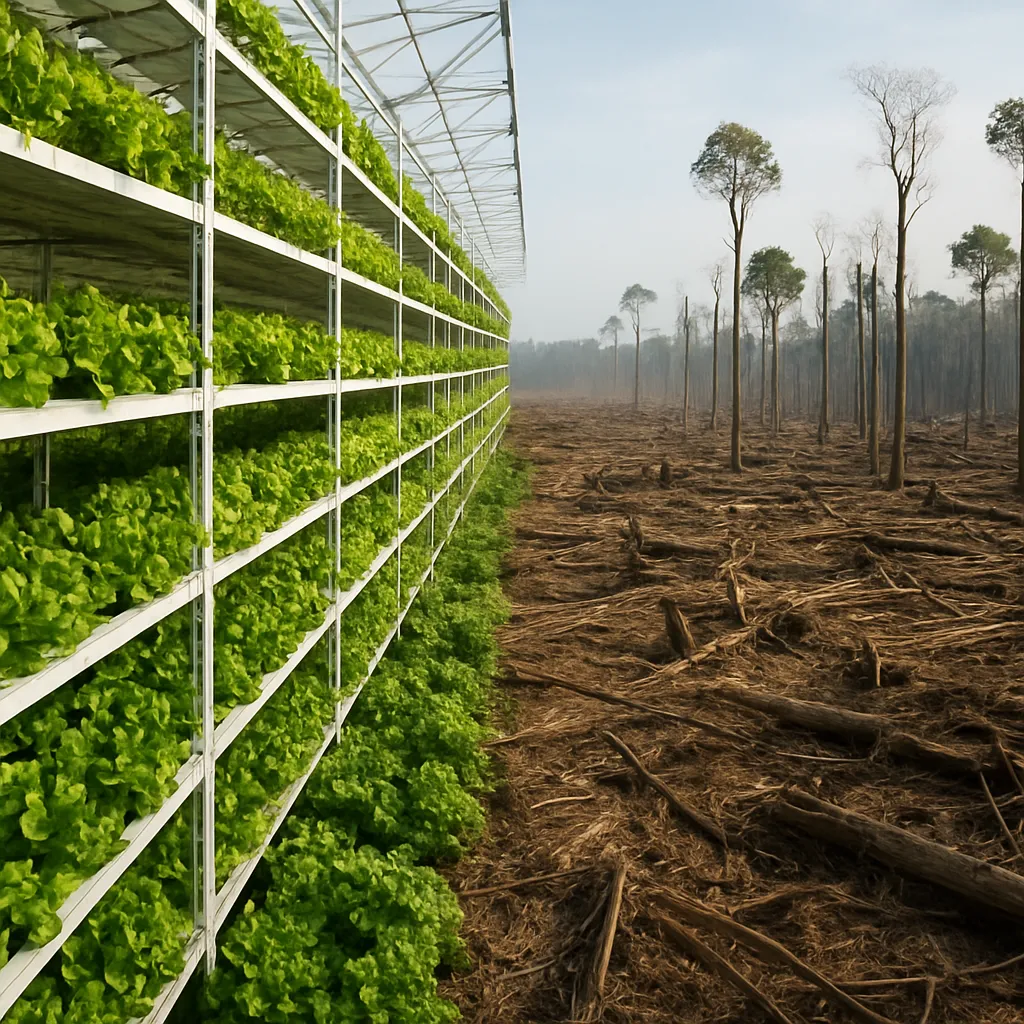
Many countries implement zoning laws to delineate agricultural, residential and industrial zones. These policies aim to prevent uncontrolled urbanization and protect farmland from conversion into housing or factory sites. In Brazil’s Cerrado region, for instance, zoning regulations have attempted to curb the expansion of soybean cultivation into native savanna. While the intent is to limit deforestation, enforcement challenges often lead to illegal clearings and unintended environmental damage.
Subsidies and Incentive Schemes
Subsidies can dramatically shift planting decisions. In the European Union’s Common Agricultural Policy (CAP), payments tied to land area encourage farmers to maintain grasslands and avoid overproduction of cereals. Conversely, areas with more liberal support for monocultures may see concentrations of a single crop, boosting short-term productivity but risking soil degradation and diminished biodiversity. Meanwhile, developing nations sometimes offer incentives for the expansion of export-oriented plantations, which can intensify competition for land and water resources.
Environmental Regulations and Protected Areas
Protected area designations—national parks, wildlife sanctuaries or buffer zones—impose strict land use restrictions. In parts of Southeast Asia, farmers adjacent to protected forests must adopt agroforestry models to reduce human-wildlife conflict. Such measures enhance conservation efforts but can limit the amount of arable territory, compelling local communities to intensify cultivation on remaining parcels or seek alternative livelihoods.
Environmental Impacts and Land Use Change
Soil Health and Water Resources
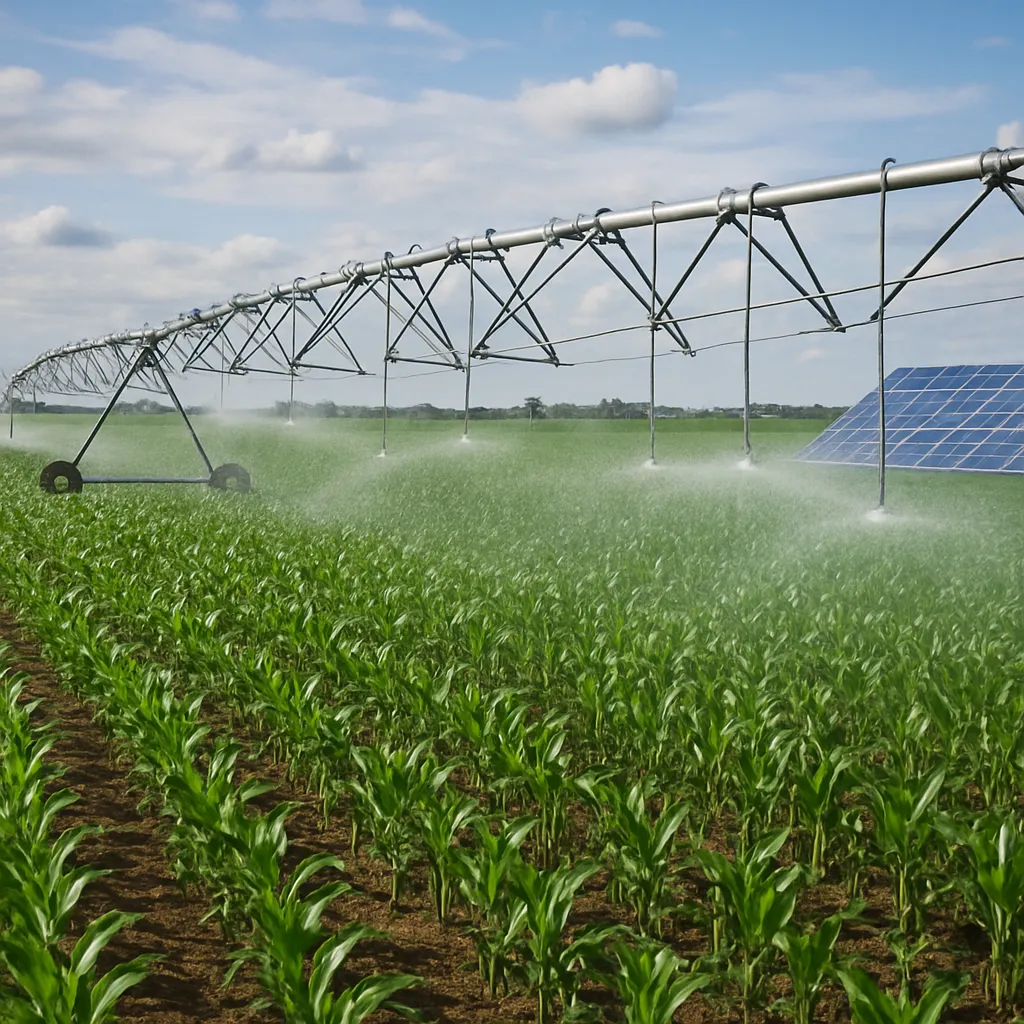
Intensive land use policies often encourage high-yield methods reliant on synthetic fertilizers and heavy irrigation. Over time, this approach can degrade soil structure, reduce natural fertility and deplete aquifers. In California’s Central Valley, groundwater withdrawals for almond orchards have led to sinking water tables, forcing farmers to drill deeper wells. Such dynamics underscore the tension between boosting food output and preserving finite resources.
Carbon Emissions and Climate Linkages
Agricultural land use changes contribute to global greenhouse gas budgets. Converting grasslands and forests into cropland releases significant carbon stocks, while methane emissions from rice paddies and livestock add to atmospheric burdens. Policies encouraging no-till farming or cover cropping can mitigate carbon release, enhancing resilience against extreme weather. Yet implementation varies widely by region, often hinging on available technical support and farmer education.
Habitat Fragmentation and Wildlife
When policies favor expansion of single-crop systems, natural habitats become fragmented. Pollinator corridors shrink, altering insect populations and threatening crop pollination. In parts of Eastern Europe, land consolidation schemes have led to larger but less diverse field arrangements, negatively impacting ground-nesting birds and small mammals. Encouraging mixed-use landscapes with hedgerows or riparian buffers can help restore ecological connectivity.
Socioeconomic Factors and Farm Management
Land Tenure and Access Rights
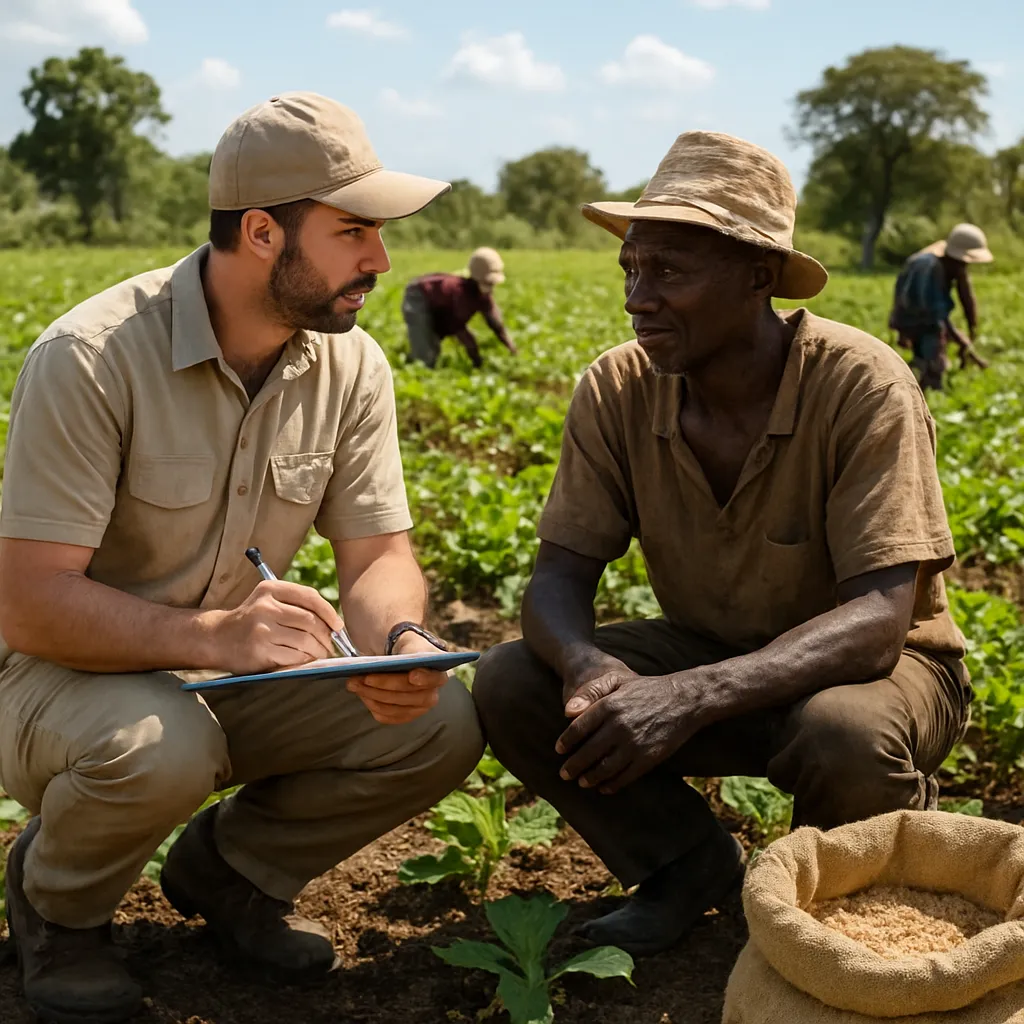
Secure land tenure is essential for farmers to invest in long-term improvements. In sub-Saharan Africa, unclear ownership often discourages soil conservation or tree-planting systems because tenure disputes can void future gains. Conversely, formalized land rights can empower smallholders to access credit, adopt sustainable practices and participate in market chains more effectively.
Rural-Urban Migration and Labor Dynamics
Strict land use boundaries near expanding cities can drive rural dwellers to nearby towns for stable employment. This migratory trend reduces available farm labor, prompting mechanization or consolidation of small plots into larger enterprises. While this shift can boost scale efficiencies, it risks marginalizing small-scale farmers and eroding traditional knowledge systems.
Market Pressures and Trade Agreements
Trade pacts often influence land use by dictating export quotas and tariff structures. If a country secures lucrative dairy export terms, pasturelands may replace cereal fields. Such transitions can uplift national incomes but also increase vulnerability to price volatility. Policymakers must weigh the benefits of specialization against the need for agroecological diversity that can buffer shocks.
Innovations and Future Directions
Regenerative Agriculture and Agroecology
As awareness of environmental degradation grows, some governments integrate principles of agroecology into their land use guidelines. Cover cropping, integrated pest management and diversified crop rotations are being promoted through technical assistance and cost-sharing programs. These practices not only improve soil carbon storage but also enhance on-farm resilience to drought and pests.
Digital Tools and Precision Farming
Advances in remote sensing and data analytics enable policymakers to monitor land use changes in real time. Precision agriculture techniques—variable-rate fertilization, drone surveillance and satellite-driven irrigation scheduling—help optimize input use while minimizing runoff. Incentive programs that reward demonstrable improvements in resource efficiency encourage farmers to adopt these innovations.
Community-Based Land Governance
Some regions have piloted participatory land use planning, where local stakeholders co-create zoning rules and conservation targets. This bottom-up approach can enhance compliance, as community members feel ownership of the process. In parts of Latin America, collective management of forested farmlands has improved ecosystem services and strengthened social cohesion.
- Encouraging polyculture systems to maintain soil fertility.
- Aligning subsidies with environmental performance metrics.
- Expanding agri-environment schemes to protect wetlands and grasslands.
- Leveraging public–private partnerships for knowledge transfer.
Land use policies represent a critical interface between human ambition and ecological limits. As nations refine their regulatory frameworks, balancing economic growth with environmental stewardship will define the trajectory of global agriculture for decades to come.